Importance of Oral Hydration for Kids and Hydration Tips
6 June 2026
Introduction
Water is life—literally! When it comes to kids, keeping them properly hydrated is just as crucial as feeding them nutritious meals. But let’s be real: convincing a child to drink enough water can sometimes feel like trying to negotiate world peace.
In this guide, we’re diving deep into why oral hydration is essential for kids and some practical tips to ensure they stay hydrated without a fuss. Ready? Let’s go!
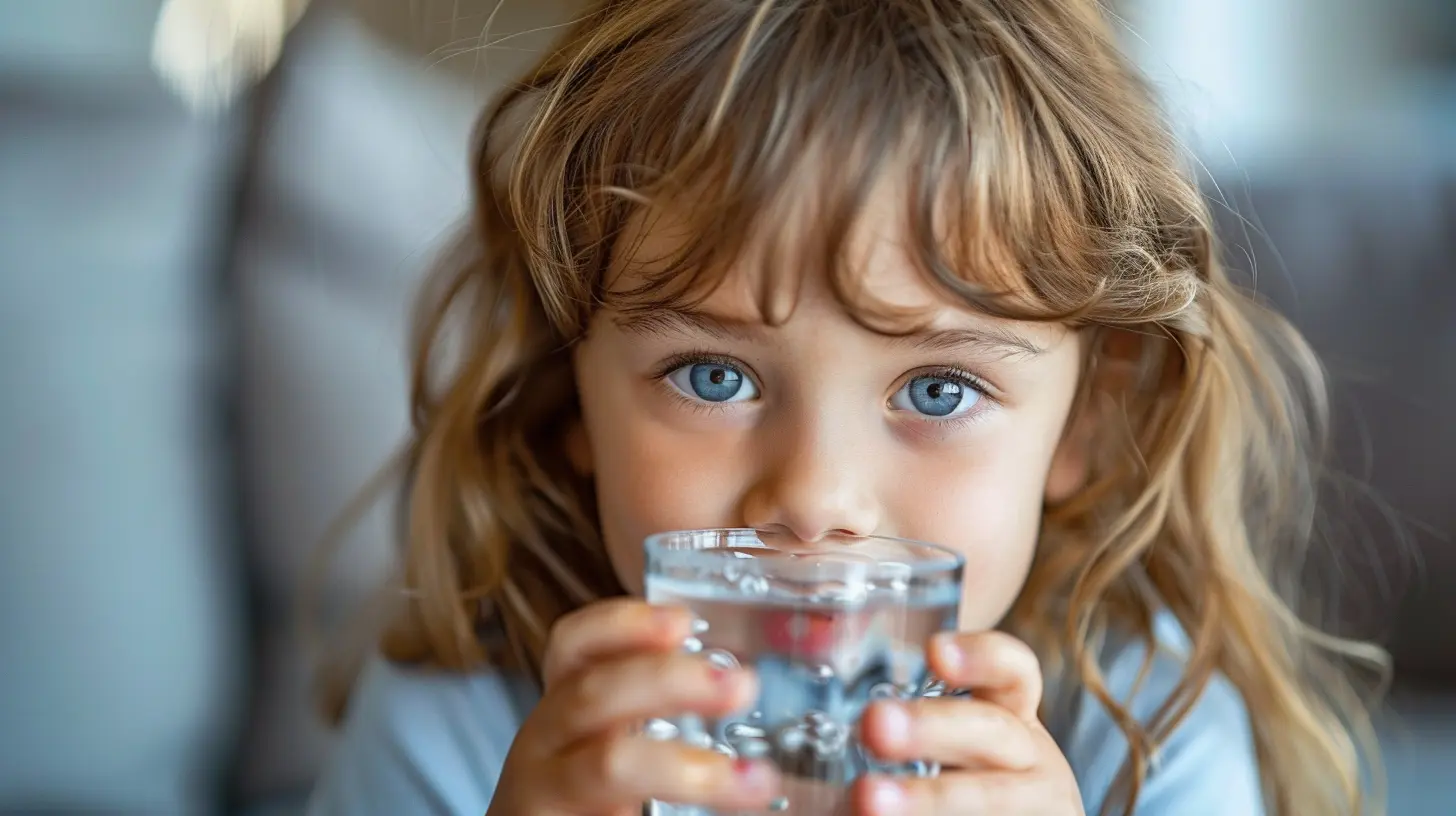
Why Is Hydration So Important for Kids?
Kids are little balls of energy, always running around, playing, and sweating. Their bodies need water to function at their best. But why exactly is hydration so crucial for children?1. Supports Overall Health and Development
Water is involved in nearly every function in the body. From digestion to circulation, hydration plays a critical role in helping kids grow strong and healthy. Proper hydration helps regulate body temperature, transport nutrients, and flush out toxins.2. Boosts Energy and Focus
Ever noticed that when kids are thirsty, they get cranky, tired, or even a little sluggish? Dehydration can zap their energy levels and make it harder for them to focus in school. If you want your child to stay sharp and alert, ensuring they get enough fluids is key.3. Aids Digestion and Prevents Constipation
No one likes tummy troubles, and dehydration can be a major culprit. Water helps keep things moving in the digestive system, preventing constipation. If your child often complains of stomach aches, a lack of hydration might be part of the problem.4. Prevents Headaches and Dizziness
Kids may not always realize they’re getting dehydrated, but symptoms like headaches, dizziness, and dry mouth can be tell-tale signs. Keeping them well-hydrated can minimize these discomforts and keep them feeling their best.5. Supports Healthy Skin and Immune System
Water helps flush out toxins and keeps skin looking healthy. It also plays a crucial role in maintaining a strong immune system, which is super important for kids who are often exposed to germs at school and daycare.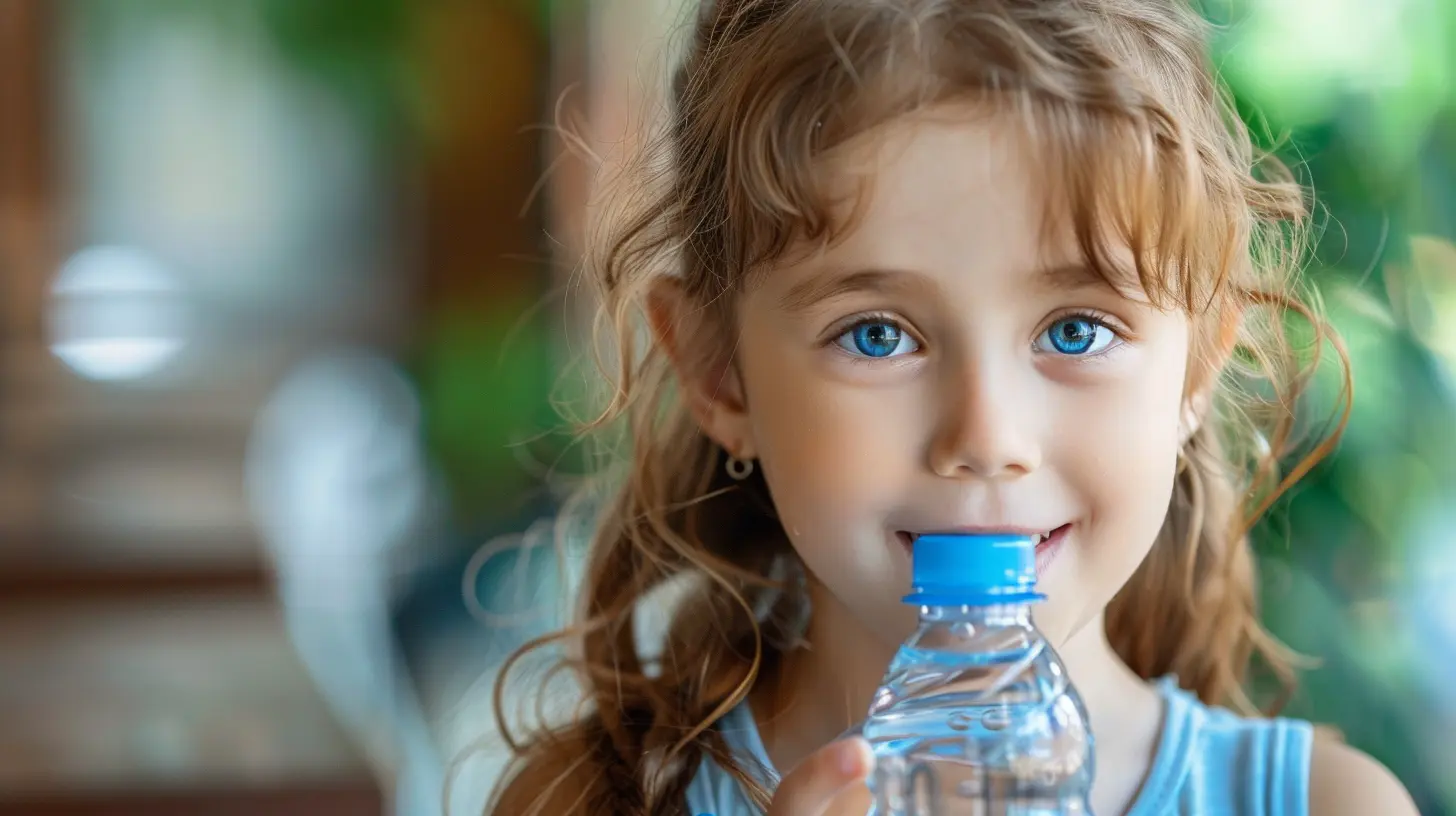
How Much Water Do Kids Actually Need?
The amount of water a child needs varies by age, activity level, and even the weather. But here’s a general guideline:- Toddlers (1-3 years old): About 4 cups (32 oz) per day
- Preschoolers (4-5 years old): Around 5 cups (40 oz) per day
- School-age kids (6-12 years old): Between 6-8 cups (48-64 oz) per day
- Teens (13+ years old): 8+ cups per day, depending on activity levels
And remember, if they’re super active or it’s a hot day, they’ll need even more!
Hydration Tips for Kids
So, how do you make sure your child drinks enough water without turning it into a daily battle? Try these simple and fun hydration tips!1. Make It Fun with a Special Cup or Bottle
Kids love anything that feels like their own personal treasure. Let them pick out a fun water bottle with their favorite cartoon character or color. Some even have time markers to remind them when to take a sip!2. Flavor It Naturally
Plain water can be boring for some kids. Infuse it with a little natural flavor by adding slices of fruit like strawberries, oranges, or cucumbers. This adds taste without the sugar found in juices and sodas.3. Set a Hydration Routine
Kids thrive on routines, so why not incorporate water into their daily schedule? Give them a glass in the morning, after outdoor play, with meals, and before bedtime.4. Use a Straw or Fun Ice Cubes
Sometimes, it's all about the small things! A colorful straw or fun-shaped ice cubes (like stars or dinosaurs) can make drinking water a lot more exciting.5. Offer Water-Rich Foods
Hydration isn’t just about drinking! Foods like watermelon, cucumbers, oranges, and yogurt contain high water content. Including these in their diet can help with overall hydration.6. Set a Good Example
Let’s be honest—kids mimic what they see. If they see you sipping water regularly, they’re more likely to do the same. Keep your own water bottle handy and make hydration a family habit.7. Encourage Hydration Through Play
Turn hydration into a game! Have a “water-drinking race” or reward them for finishing their water bottle. Some parents even use printable charts with stickers for motivation.8. Avoid Sugary Drinks
Juices, sodas, and sports drinks might seem like good options, but they often contain too much sugar and artificial ingredients. While an occasional treat is fine, nothing beats good old-fashioned water for hydration.9. Watch for Dehydration Signs
Even with the best efforts, kids can sometimes get dehydrated. Watch out for these signs:- Dark yellow urine
- Dry lips or mouth
- Fatigue and sluggishness
- Headaches
- Reduced urine output
If your child shows any of these symptoms, encourage them to drink water immediately. If dehydration becomes severe (dizziness, rapid heartbeat, or confusion), seek medical attention.
What If My Child Refuses to Drink Water?
If your child is stubborn about drinking water, don’t stress. Here are a few problem-solving tricks:- Incorporate herbal teas – Mild, caffeine-free herbal teas (like chamomile or mint) offer hydration with a twist.
- Use diluted juice – Mix a splash of juice with water to get them used to drinking more fluids.
- Try fun apps – There are hydration-tracking apps made for kids that turn drinking water into a challenge or game.
- Make it a social activity – Have “water cheers” with friends or family members to encourage drinking together.
Final Thoughts
Keeping kids hydrated might take a little effort, but it’s absolutely worth it. Hydration affects everything from their mood to their energy levels, digestion, and overall health. By making drinking water fun, tasty, and part of their daily routine, you can ensure they develop healthy hydration habits that last a lifetime.So, grab a water bottle, take a sip yourself, and encourage the little ones to do the same! Cheers to happy, hydrated kids!
all images in this post were generated using AI tools
Category:
Pediatric HealthAuthor:

Arthur McKeever
Discussion
rate this article
1 comments
Rosalyn Pacheco
Hydration is crucial for kids, impacting their energy, focus, and overall health. Encourage water consumption by making it fun-use colorful cups or infuse water with fruit. Establishing these habits early fosters a lifetime of healthy hydration practices.
June 11, 2026 at 2:49 AM