Menopause and Mineral Needs: What You Should Know
29 March 2026
Let’s be honest—menopause can feel like a complete plot twist in the story of being a woman. Your body suddenly seems to run on a different script, and everything from your sleep to your mood to your metabolism gets caught up in the drama. But did you know that minerals—those tiny nutrients you barely think about unless you’re reading the back of a cereal box—can make a huge difference in how you navigate this stage?
Yup, it turns out minerals are like your backstage crew: not always in the spotlight, but totally essential to pulling off a smooth performance. In this guide, we’re going to cut through the confusion and talk plainly about how menopause affects your mineral needs, which ones matter most, and how to keep your body feeling supported as you go through this transformation.
Why Menopause Changes Everything
First, let’s talk about why menopausal changes shake things up in the mineral department.Menopause marks the end of your reproductive years, and it’s all triggered by your ovaries slowing down estrogen production. Estrogen isn’t just about reproduction—it plays a huge role in bone health, heart function, skin elasticity, and mood regulation.
As estrogen levels dip, your body starts experiencing physiological shifts: bone density begins to plummet, metabolism slows, and you may notice changes in energy levels, muscle mass, and even how your body manages fats and sugars. All these changes can increase your need for several key minerals.
So yeah, your body isn’t being dramatic—it really is going through a lot.
Let’s break down the most important minerals you should keep on your radar during and after menopause.
1. Calcium: The Bone Builder You Can’t Ignore
If there’s one mineral that deserves a standing ovation during menopause, it’s calcium.Why It's Crucial
Estrogen helps keep bones strong by slowing the rate at which they break down. But when estrogen packs its bags during menopause, your bones start shedding calcium faster than you can say "osteoporosis."Without enough calcium, your bones become brittle, putting you at higher risk for fractures and breaks—even from minor falls.
How Much You Need
Women over 50 should get about 1,200 mg of calcium daily. But don't just rely on supplements—aim to get the bulk of it from food.Good Food Sources
- Dairy products (milk, yogurt, cheese)- Leafy greens (kale, bok choy, broccoli)
- Fortified products (cereals, orange juice, plant-based milks)
- Sardines and salmon (especially with bones—they're calcium powerhouses!)
Don’t forget: calcium works best when paired with…
2. Vitamin D: The Calcium Sidekick
You can have all the calcium in the world, but without vitamin D, your body can’t absorb it properly. Think of vitamin D as the friend who introduces calcium to your bones.Why It Matters
Vitamin D supports bone health, boosts immune function, and even plays a role in mood regulation—hello, sunshine vitamin!Your Daily Dose
Aim for 600 to 800 IU daily, though some experts suggest up to 1,000 IU for postmenopausal women, especially if you’re not getting much sun.Where to Get It
- Sunlight (15-20 minutes a few times a week can help)- Fatty fish (salmon, tuna)
- Egg yolks
- Fortified dairy or plant-based milk
If you live in a cloudy climate or are always slathered in sunscreen (which, kudos to you), consider a supplement with D3—the most effective form.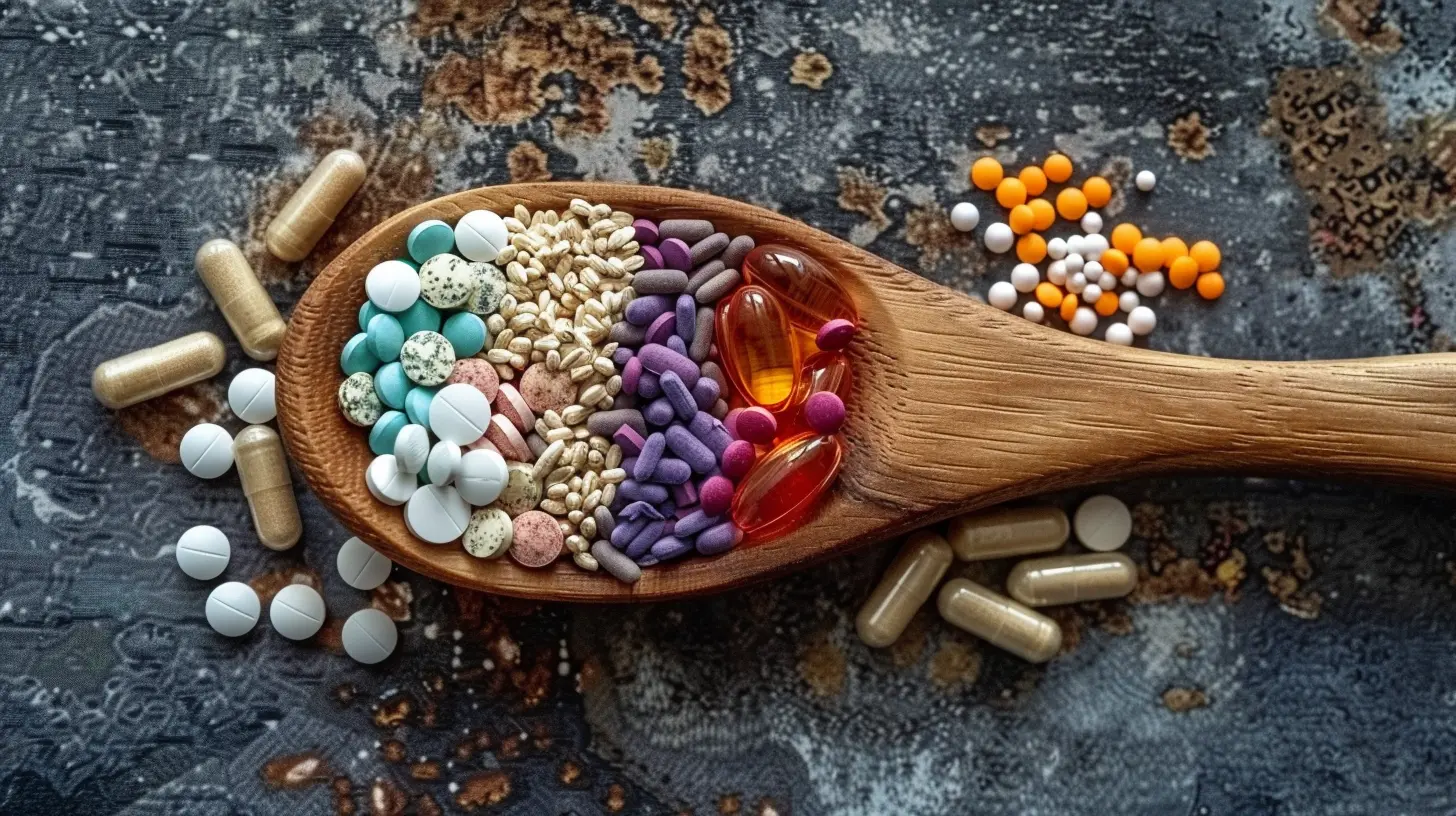
3. Magnesium: The Multitasker Mineral
Magnesium might not get as much hype as calcium, but it’s the quiet workhorse keeping the whole system running smoothly.Why It’s Important
Magnesium helps with bone health, muscle relaxation, blood pressure, and even sleep. During menopause, when insomnia, stress, and bone loss are all crashing the party, magnesium steps in like the wise grandma with hot tea and life advice.How Much You Need
Around 320 mg of magnesium per day for women over 50.Top Magnesium-Rich Foods
- Nuts and seeds (especially pumpkin seeds and almonds)- Whole grains (brown rice, oats)
- Legumes
- Spinach and dark leafy greens
- Dark chocolate (yes, really!)
Tip: If you’re feeling unusually stressed or having trouble sleeping, magnesium glycinate supplements might be your secret weapon.
4. Iron: To Supplement or Not?
Here’s where it gets interesting. While iron is a critical mineral for overall health, your need for it might actually decrease after menopause.Why the Shift?
Menstrual bleeding is the main reason premenopausal women need higher iron levels. Once that stops, your iron requirements drop too.The Recommended Intake
About 8 mg per day for postmenopausal women—less than the 18 mg recommended for younger women.Iron-Rich Foods to Consider
- Red meat and liver (if you eat meat)- Lentils and beans
- Spinach
- Fortified cereals
Word of caution: Too much iron can be harmful, especially if you're supplementing unnecessarily. Always check with your healthcare provider before adding extra iron to your routine.
5. Zinc: The Unsung Hero of Immune Health
Zinc doesn’t usually take center stage, but during menopause, it becomes increasingly important for your immune system, wound healing, and even mood.Why You Should Care
Zinc has anti-inflammatory and antioxidant properties. Some studies suggest it may also help with mood swings and depression tied to hormonal changes. Talk about a versatile player.Daily Needs
Women over 50 need about 8 mg of zinc daily.Easy Zinc Sources
- Oysters (nature’s zinc bomb)- Beef and poultry
- Chickpeas
- Pumpkin seeds
- Cashews
Be careful with supplements—high doses of zinc can interfere with copper absorption and cause nausea.
6. Potassium: Your Heart’s Best Friend
Potassium plays a major role in regulating blood pressure and fluid balance—two things that can go a bit haywire during menopause.Why You Might Need More
As estrogen decreases, cardiovascular risk increases. Potassium helps counter this by relaxing blood vessels, reducing sodium’s effects, and maintaining healthy blood pressure.Aim For
About 2,600 mg of potassium per day for adult women.Foods That Are Packed with Potassium
- Bananas (the obvious one)- Sweet potatoes
- Avocados
- Spinach
- Beans
- Yogurt
Pro tip: Potassium from food is safe and easy to regulate, but supplements should only be taken under a doctor’s advice—too much can affect heart rhythm.
7. Selenium: Small But Mighty
Selenium might not be in the top five list for essential minerals, but it plays crucial roles in thyroid function and antioxidant defense—both important during menopause.The Menopause Connection
Your thyroid helps regulate metabolism, and as hormone levels fluctuate, the thyroid can get a bit wobbly. Selenium helps keep it in balance.Recommended Intake
Women over 50 need about 55 micrograms per day.Stellar Sources
- Brazil nuts (just one or two meets your daily needs!)- Seafood (like tuna and halibut)
- Eggs
- Brown rice
- Sunflower seeds
The Role of Supplements: Do You Need Them?
Truth time: supplements can be helpful, but more isn’t always better.It’s easy to think, “I’ll just pop a multivitamin and call it a day,” but the reality is nutrient absorption is far more effective through real food. Supplements are there to fill gaps—not replace meals.
Always get a blood test before you start supplementing, especially with minerals like iron or zinc. Too much can do more harm than good.
Talk to your doctor or a nutritionist familiar with menopausal needs before adding anything new to your routine.
Simple Tips for Meeting Your Mineral Needs
Here’s a quick-fire list to keep things simple:- Eat a variety of colorful fruits and veggies
- Include healthy fats (like olive oil, avocado, nuts)
- Choose whole grains over refined ones
- Incorporate fermented foods (great for gut health, which affects mineral absorption)
- Get regular sunlight exposure for natural vitamin D
- Stay hydrated—water helps your body transport and absorb nutrients
Oh, and don’t forget exercise! Weight-bearing workouts help maintain bone density and keep your muscles strong, making all these minerals even more effective.
Wrapping It Up
Menopause might feel like a big, chaotic life change (and let’s face it, sometimes it is), but you’ve got tools to feel good through it—and minerals are a big piece of that puzzle.Think of your mineral intake as part of your menopausal wellness toolkit. Whether it’s adding more leafy greens to your plate, soaking up a little sunlight, or chatting with your doc about a supplement, every little step adds up.
The journey through menopause isn’t about “fixing” your body—it’s about supporting it. And with the right nutrients on your side, you’ll be better equipped to handle the ride.
all images in this post were generated using AI tools
Category:
MineralsAuthor:

Arthur McKeever
Discussion
rate this article
2 comments
Shannon Gonzalez
Menopause and minerals? Sounds like a superhero duo! Remember, ladies, calcium is your trusty sidekick, and magnesium is your secret weapon. Together, they’ll help you combat those pesky cravings for chocolate!
April 3, 2026 at 4:52 AM
Arthur McKeever
Absolutely! Calcium and magnesium are essential allies during menopause. They can really help manage those cravings and keep you balanced. Great insight!
Heidi Cross
This is fascinating! How do specific minerals impact menopause symptoms and overall health during this stage?
March 30, 2026 at 4:48 AM
Arthur McKeever
Specific minerals like calcium and magnesium can help reduce menopause symptoms, such as hot flashes and mood swings, while supporting bone health and overall well-being during this stage.