Is Fruit Sugar-Free? Understanding Natural vs. Added Sugars
22 January 2026
Let’s be real for a second—fruit is delicious. Whether you're grabbing an apple on the go, tossing berries into your morning smoothie, or treating yourself to a juicy mango on a hot day, fruit feels like nature’s candy. But here’s the million-dollar question that’s been buzzing around health circles: Is fruit sugar-free?
Short answer? No. But before you ditch your bananas and pineapples, let’s dig into what type of sugar we’re talking about—and why not all sugars are created equal.
The Quick Scoop on Sugar
When we hear the word “sugar,” it usually sparks images of donuts, candy bars, and soda. But sugar comes in more than one form and not all of them are harmful.There are two main types of sugar:
- Natural sugar – The kind that naturally occurs in whole foods like fruits, vegetables, and dairy.
- Added sugar – The kind that’s added to foods during processing or preparation (think table sugar, corn syrup, etc.).
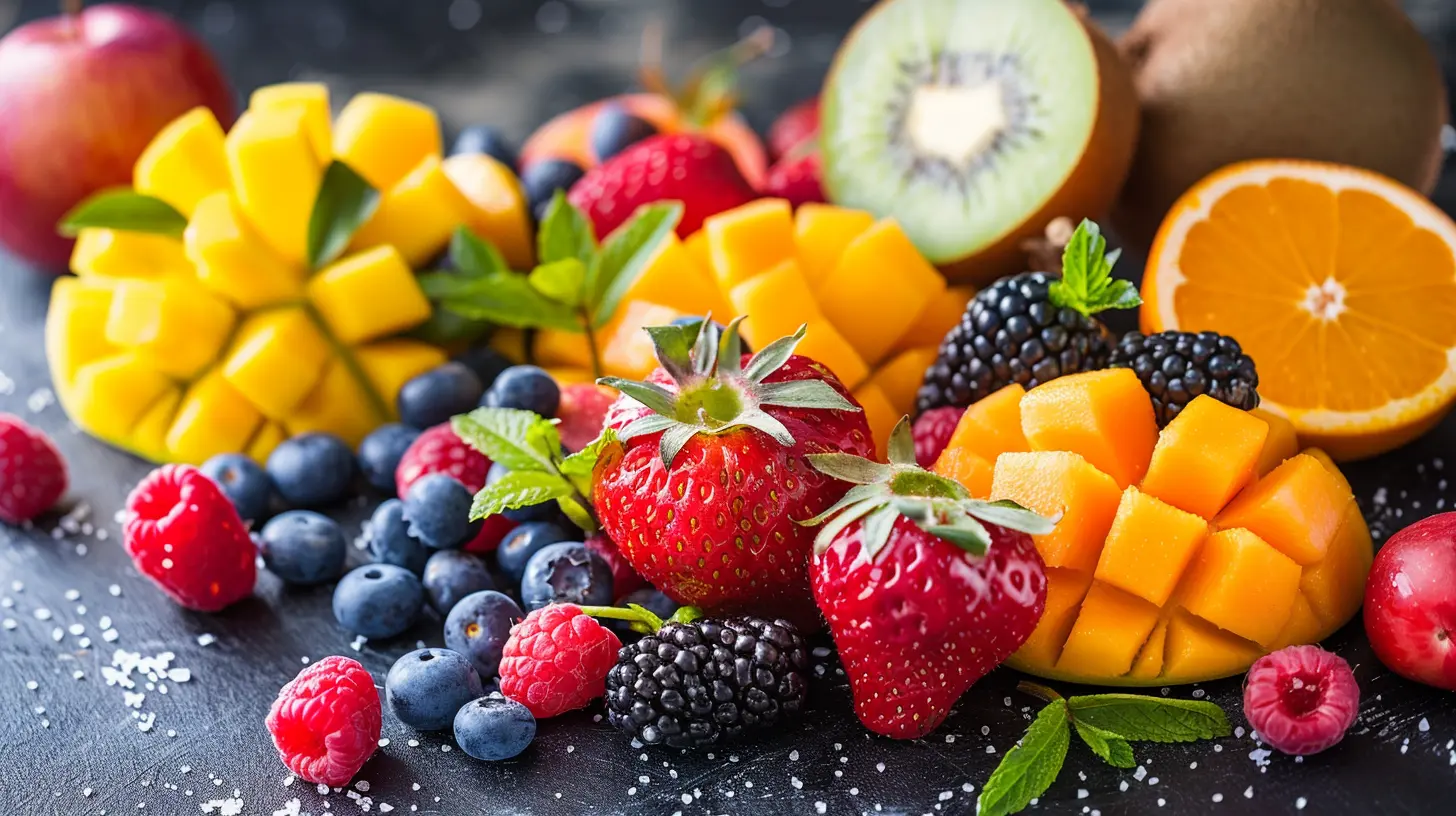
Now, fruit falls into the first category—it contains natural sugars, mostly fructose and glucose, and that makes a big difference. Let’s unpack that.
What’s in Fruit Sugar, Anyway?
Fruit typically contains three types of natural sugar:- Fructose – Often called “fruit sugar.”
- Glucose – The body’s preferred source of energy.
- Sucrose – A combo of glucose and fructose (what we commonly know as table sugar).
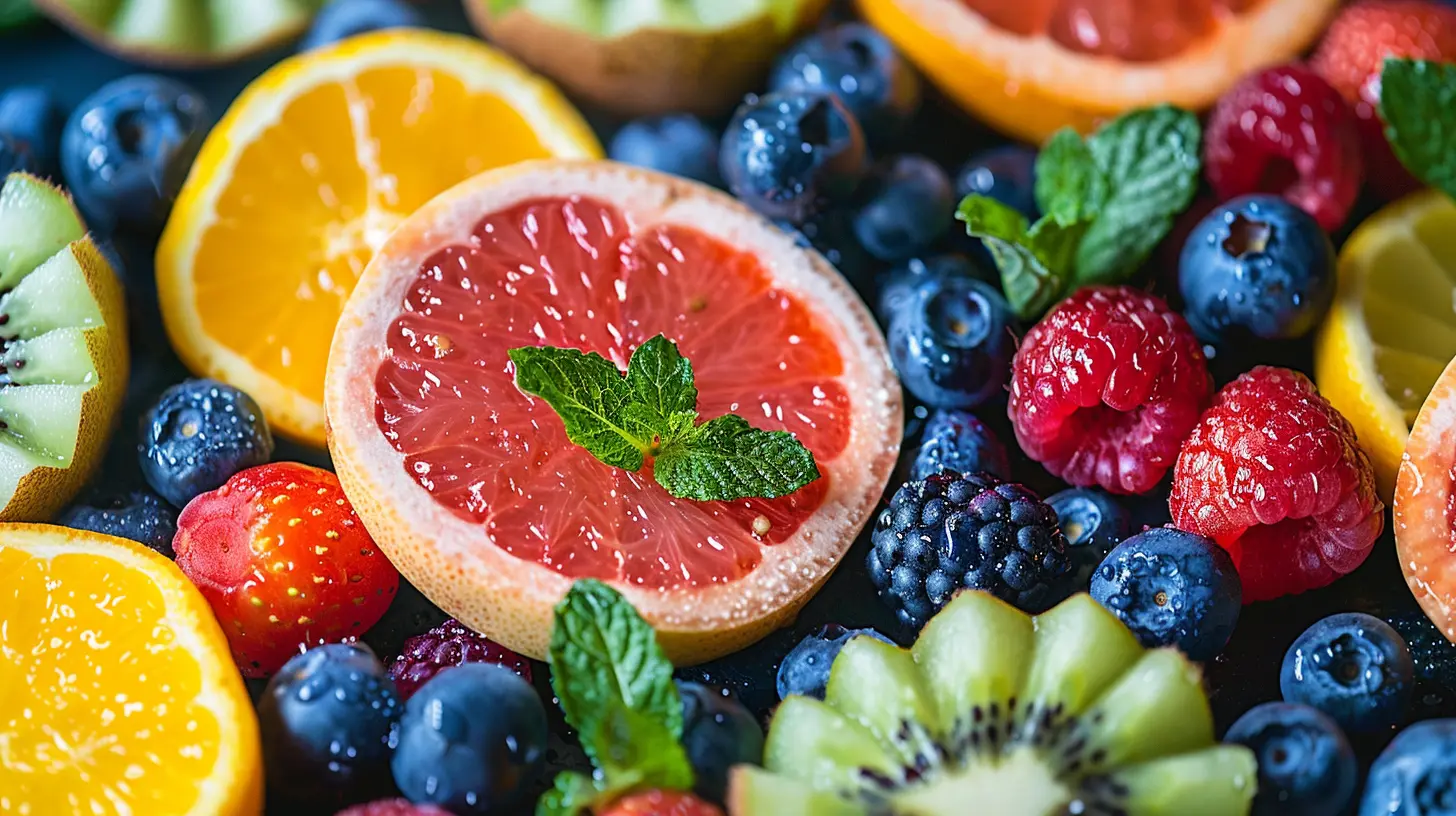
But here’s the kicker: fruit doesn’t just serve you sugar on a silver platter. It delivers it along with fiber, vitamins, minerals, antioxidants, and water. This “package deal” changes how your body reacts to it.
Fiber Changes Everything
Think of fiber as a bodyguard that slows down the absorption of sugar into your bloodstream. Instead of causing a sharp sugar spike like soda might, fruit leads to a gentler rise in blood sugar, giving you sustained energy.If fruit were a concert, sugar would be the opening act—but fiber, nutrients, and hydration? They’d be the headliners.
Natural Vs. Added Sugar: Why It Matters
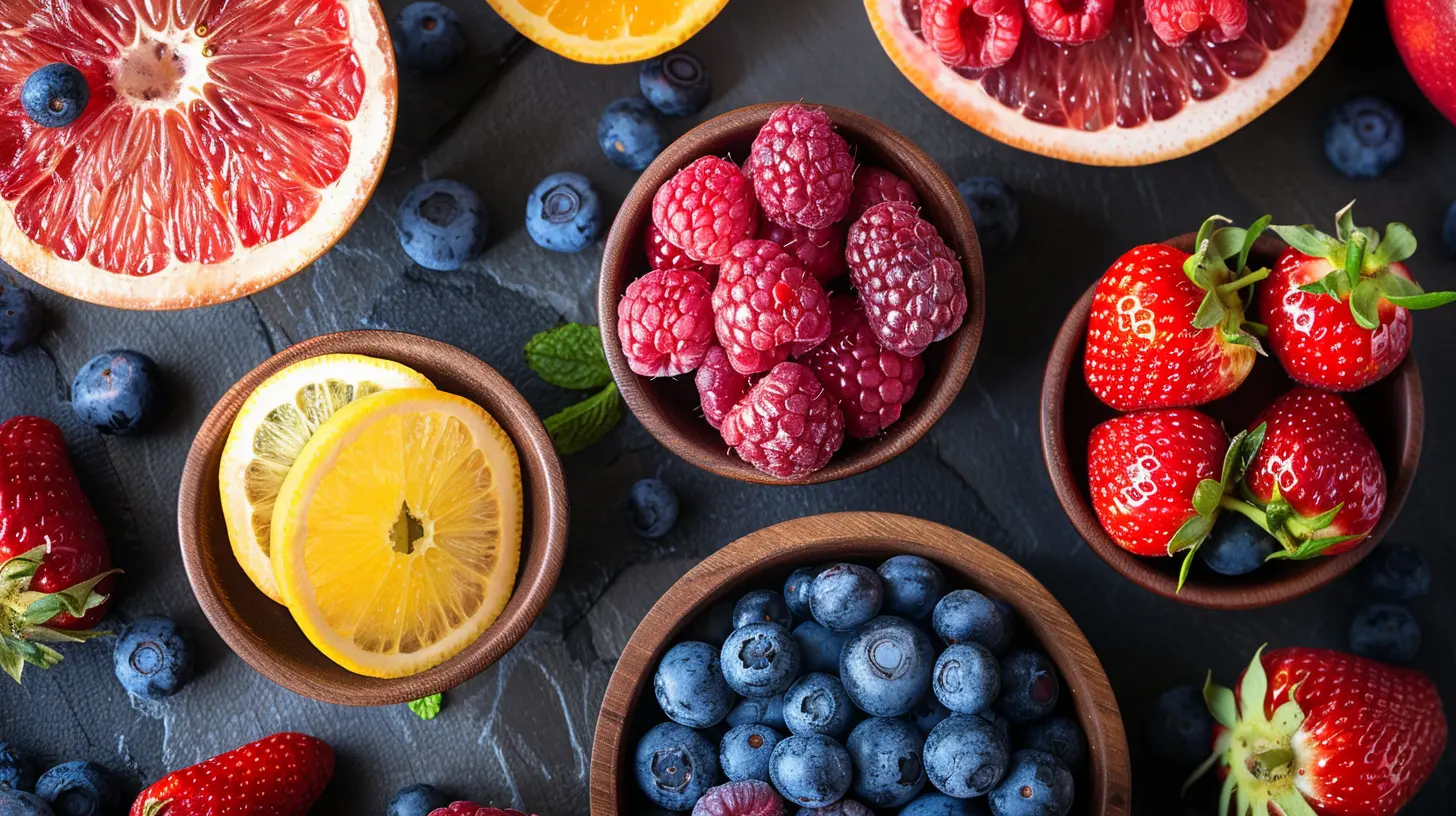
So, why are people lumping all sugar under the same villainous umbrella? It’s all about how your body responds.Natural Sugar (in Fruit):
- Comes with fiber and nutrients- Slows digestion and provides lasting energy
- Supports gut health and immunity
Added Sugar:
- Lacks nutrients (empty calories)- Spikes blood sugar quickly
- Linked to obesity, diabetes, heart disease, and more
Think of it this way: eating a cookie is like lighting a match—it burns fast and fizzles out. Eating an orange is like tossing a log on the fire—it burns slow and steady.
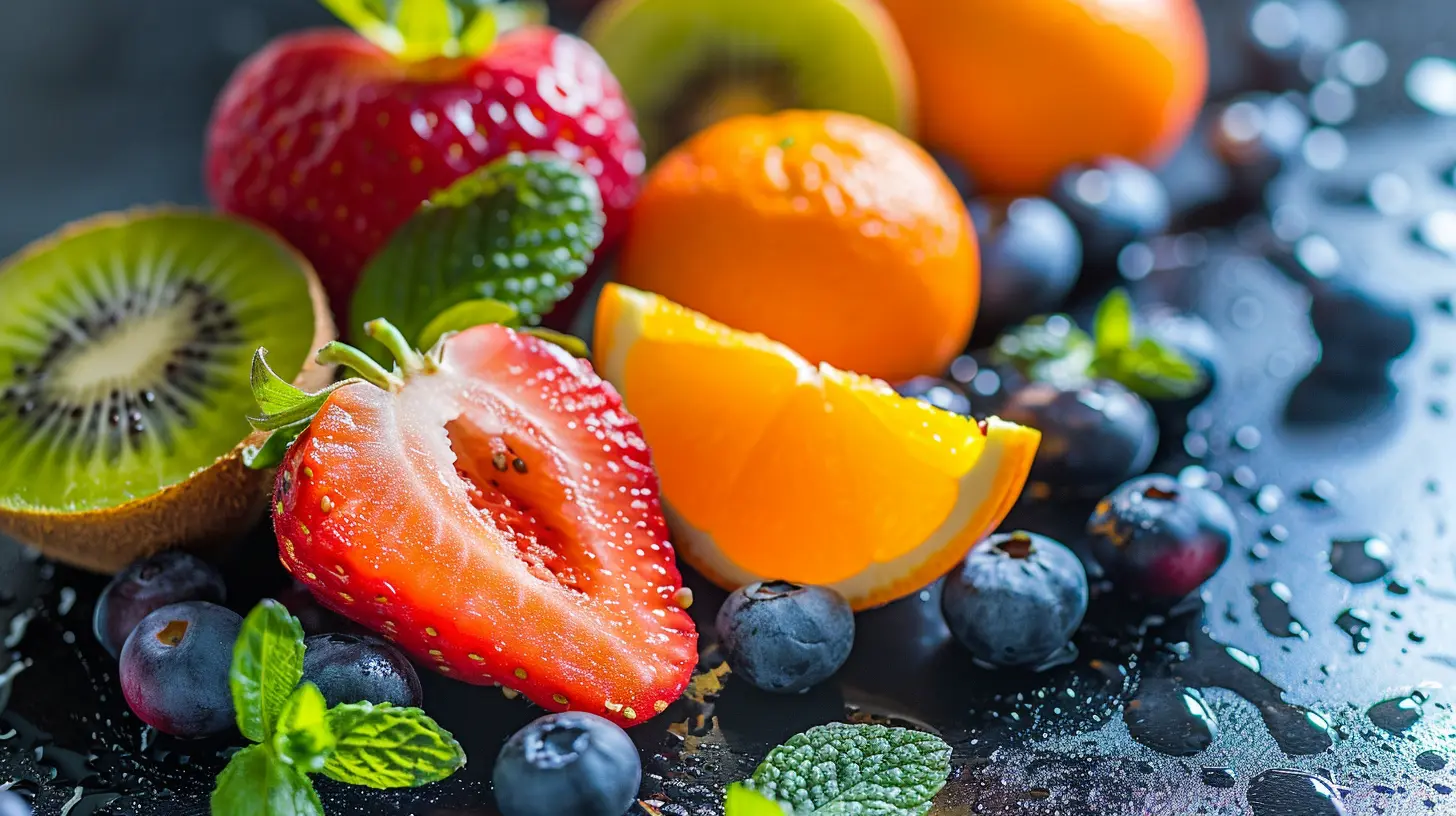
Does Eating Fruit Raise Blood Sugar?
Yes, it does—but not in a negative way. Because of all that fiber and water, your body absorbs fruit sugars much slower than processed sugar.Let’s break down two common fruit myths.
1. “Fruit is full of sugar, so I should avoid it.”
Not so fast. Unless you’ve been advised by a doctor (like if you have diabetes or insulin resistance), avoiding fruit means you’re missing out on essential nutrients.In fact, studies show that eating whole fruit is associated with:
- Lower risk of type 2 diabetes
- Better weight management
- Reduced inflammation
2. “Smoothies and fruit juices are just as healthy.”
Here’s where it gets tricky. When fruit is juiced or blended, a lot of the fiber is either reduced or lost. That makes it easier for your body to absorb sugar quickly, mimicking the effect of added sugars.So, sip those smoothies slow, and keep an eye on portion sizes. Whole fruits are usually the better bet.
How Much Sugar Is in Popular Fruits?
Let’s play a little guessing game! Can you guess how much sugar is in these fruits?| Fruit | Sugar Content (approx.) |
|-------|-------------------------|
| Banana (1 medium) | 14 grams |
| Apple (1 medium) | 19 grams |
| Mango (1 cup, sliced) | 23 grams |
| Strawberries (1 cup) | 7 grams |
| Grapes (1 cup) | 15 grams |
| Orange (1 medium) | 12 grams |
Whoa, mangoes, chill! Yes, some fruits are higher in sugar than others, but context is key. You’re not just eating sugar—you’re eating a whole food that supports your health.
Fruit and Weight Loss: Can I Eat Fruit on a Diet?
Absolutely. In fact, fruit can be your friend when you’re trying to shed a few pounds. Thanks to its fiber and water content, fruit helps you feel full longer, curbs sweet cravings, and keeps your gut happy.The key? Mind the portions. Eat a rainbow of different fruits, pair them with proteins or healthy fats (think: apple + almond butter), and prioritize whole over juiced or dried versions.
Diabetics and Fruit: Can They Coexist?
If you have diabetes or are watching your blood sugar, fruit doesn’t need to be off-limits. But you do need to be strategic.Some smart fruit tips for diabetics:
- Choose low-glycemic options (berries, apples, pears, oranges)
- Eat fruit with protein or healthy fat to slow sugar absorption
- Limit high-sugar fruits like mangoes, pineapples, and grapes
- Avoid fruit juices and dried fruits, which are more concentrated in sugar
Always check with your healthcare provider or a registered dietitian to create a plan that fits your individual needs.
Hidden Sources of Added Sugar (Spoiler: Not Fruit)
Fruit often gets a bad rap, but the real sugar bombs are hiding in plain sight. Check your labels closely—added sugar shows up in places you’d never expect.Surprising sources of added sugar:
- Flavored yogurts
- Granola bars
- Pasta sauces
- Ketchup
- Breads
- Salad dressings
And don’t be fooled by sneaky names like “cane juice,” “syrup,” “maltose,” or “honey.” They’re all forms of added sugar.
So... Should I Eat Fruit or Not?
Here’s the bottom line: Yes, eat the fruit!Fruit is nothing to be scared of. When consumed in its whole form and as part of a balanced diet, fruit provides a world of benefits. The natural sugar in fruit is not the villain. It’s more like the friendly neighbor who brings vitamins, antioxidants, and digestive fiber to your body’s block party.
So go ahead—slice that watermelon, peel that banana, and toss those blueberries onto your oatmeal. Your body (and your sweet tooth) will thank you.
Key Takeaways
- Fruit contains natural sugar, mostly fructose and glucose—not added sugar.- The sugar in whole fruit is packaged with fiber, water, and nutrients that slow down its absorption.
- Whole fruits are great for your health, including weight management and diabetes prevention.
- Watch out for processed foods with added sugars—they’re the real culprits.
- When in doubt, aim for variety, moderation, and balance.
Your fruit bowl is not the enemy. It's actually one of the healthiest things you can reach for when sugar cravings strike!
all images in this post were generated using AI tools
Category:
Sugar FreeAuthor:

Arthur McKeever
Discussion
rate this article
2 comments
Nicholas Patterson
This article effectively clarifies the distinction between natural and added sugars, emphasizing that while fruit contains natural sugars, it's essential to consider overall dietary context for health.
February 7, 2026 at 5:36 AM
Arthur McKeever
Thank you for your feedback! I'm glad you found the distinction clear and the dietary context important.
Zarek Harper
Important distinction; natural sugars offer nutrients unlike added sugars.
January 26, 2026 at 4:58 AM
Arthur McKeever
Absolutely! Natural sugars in fruits come with essential nutrients, while added sugars typically lack nutritional benefits. This distinction is crucial for informed choices.