Vitamin A: A Key Player in Eye Health and Vision
8 February 2026
When it comes to nutrients that support vision, none holds a candle to Vitamin A. This mighty vitamin often flies under the radar, but trust me — your eyes know exactly how vital it is. If you’ve ever been told to eat your carrots for good eyesight, there’s real science backing up that old advice.
In this deep dive, we’re shedding light on all things Vitamin A and how it plays a starring role in keeping your peepers sharp and healthy. So, sit back, relax, and let’s chat about how this underrated vitamin helps you truly see the world.
What Is Vitamin A Anyway?
Let's break it down real quick. Vitamin A isn’t just a single compound — it’s actually a group of fat-soluble nutrients that includes retinoids (like retinol) and carotenoids (like beta-carotene).Think of it like a family of nutrients all working together toward one goal: helping your body function at its best. And when it comes to your vision, they’re basically the MVPs.
There are two primary forms of Vitamin A:
- 🥩 Preformed Vitamin A – Found in animal products like liver, eggs, and dairy
- 🥕 Provitamin A (Beta-Carotene) – Found in colorful plant foods like carrots, sweet potatoes, and spinach
Your body’s pretty awesome — it converts beta-carotene into the active form of Vitamin A when needed. That's some high-level bioengineering!
Why Your Eyes Love Vitamin A
So, here’s the deal: Vitamin A is crucial for maintaining a crystal-clear vision, especially in low-light situations. Have you ever walked into a dim room and struggled to see right away? Vitamin A helps speed up how fast your eyes adjust to changes in light.👁️ Night Vision Support
Here’s where Vitamin A really shines — night vision. In your eyes, there's this magical pigment called rhodopsin, and it lives in the retina. Rhodopsin helps you see in the dark, but it needs Vitamin A to do its job properly.Without enough of it, rhodopsin can’t regenerate like it’s supposed to. That’s when night blindness can set in — and yes, it's as frustrating as it sounds.
🧱 Maintaining a Healthy Cornea
The cornea is the clear, outer layer of your eye — basically the windshield of your visual system. Vitamin A nourishes the cells on the surface of the eye and keeps that cornea smooth and healthy. No cracks, no dryness, just clear vision.💧 Say Goodbye to Dry Eyes
Ever dealt with dry, itchy eyes that make you feel like you've been staring at a computer screen for hours (even if you haven’t)? Vitamin A helps your eyes stay moist by supporting tear production. It’s like giving your eyes their own built-in moisturizer.Without enough of it, the eye can become dry and irritated. That's one of the first red flags of Vitamin A deficiency.
Signs You Might Be Running Low on Vitamin A
Now, don't go diagnosing yourself after reading one paragraph, but it’s good to know the signs of not getting enough of this important nutrient.Here are some common symptoms:
- 😵 Night blindness
- 😢 Dry or irritated eyes
- 😓 Frequent eye infections
- 🧖♀️ Dry, rough skin
- 🛑 Slow wound healing
If any of these sound familiar, it might be time to check in with your healthcare provider. A blood test can confirm your Vitamin A levels.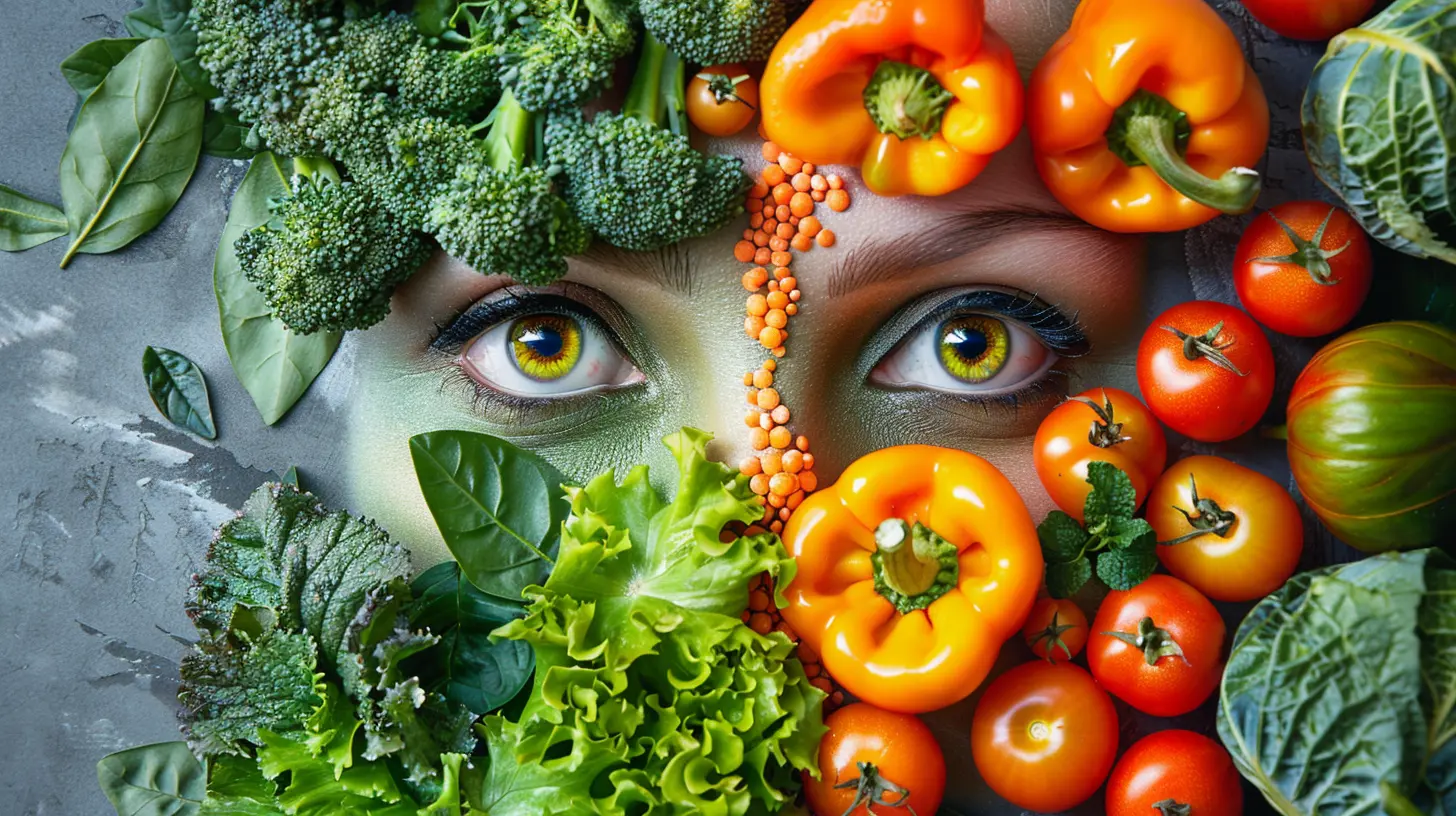
How Much Vitamin A Do You Really Need?
The Recommended Dietary Allowance (RDA) varies depending on your age and gender:| Group | RDA (mcg/day) |
|-------|---------------|
| Adult Men | 900 mcg |
| Adult Women | 700 mcg |
| Kids (1–3 years) | 300 mcg |
| Teens (14–18 years) | 600–900 mcg |
Here’s the catch: more isn’t always better. Vitamin A is fat-soluble, so excess amounts can actually build up in your liver and become toxic. Yep, too much of a good thing can turn bad. So, don’t go popping supplements unless you’ve got the green light from a healthcare pro.
The All-Star Vitamin A Food List
Here’s the fun part—let’s talk about what you should be eating to support your eyes.🥕 Plant-Based Sources (Rich in Beta-Carotene)
- Carrots (obviously!)- Sweet potatoes
- Kale and spinach
- Butternut squash
- Red bell peppers
- Mangoes
Carotenoids give these foods their gorgeous orange, red, and green hues — kind of like nature's visual reminder that they're good for your sight.
🥩 Animal-Based Sources (Contain Retinol)
- Beef liver (super high in Vitamin A — a little goes a long way)- Egg yolks
- Whole milk
- Butter
- Cheese
- Fish like salmon and mackerel
Mixing and matching different sources is always a good move. Variety = balance.
Supplements: Are They Necessary?
Truth time: most people can meet their Vitamin A needs through diet alone. But there are exceptions.You might need a supplement if:
- You’re on a very low-fat diet (Vitamin A absorbs better with fat)
- You have digestive issues that mess with nutrient absorption (like Crohn’s or celiac)
- You’re pregnant or breastfeeding (your needs are higher)
If you're considering a supplement, look for one that includes both retinol and beta-carotene unless advised otherwise by your healthcare provider. Oh, and always check the dose — megadoses are not your friend.
Vitamin A Deficiency: A Global Health Concern
Let’s zoom out for a sec. Worldwide, Vitamin A deficiency is actually a huge issue, especially in developing countries. It’s one of the leading causes of preventable blindness in children.Lack of access to a diverse diet puts millions at risk for problems ranging from night blindness to severe eye infections. That’s why public health programs often include Vitamin A supplementation for kids in high-risk areas.
Can You Really Overdo It?
You bet. Because it's fat-soluble, excess Vitamin A doesn’t just pass through your system like Vitamin C does. It gets stored, mostly in the liver.Too much preformed Vitamin A (from animal sources or high-dose supplements) can lead to toxicity. Symptoms include:
- Nausea or vomiting
- Headaches
- Dizziness
- Blurry vision (ironically, yes)
- Liver damage in severe cases
So the takeaway? Respect the RDA, and keep an eye (pun intended) on those supplement labels.
Vitamin A and Your Overall Health
While we’ve been focusing on eye health — and rightly so — Vitamin A does more than just help you see.🛡️ Immune Support
Think of Vitamin A as your immune system’s bodyguard. It fortifies mucous membranes in your eyes, lungs, and gut, making it harder for pathogens to get in.🧬 Cellular Growth and Repair
Whether it’s your skin, bones, or internal organs, every cell in your body relies on Vitamin A for maintenance and growth.👶 Crucial for Reproductive Health and Development
During pregnancy, Vitamin A supports fetal growth and vision development. It’s essential — but again, balance is key. Too much can be harmful during pregnancy, so always follow medical advice.The Bottom Line
Vitamin A might not be the flashiest nutrient out there, but when it comes to your eyes, it’s the ultimate backstage hero. From helping you see in dim light to preventing dry, irritated eyes, this nutrient works around the clock to support sharp, clear vision.So, load up on those vibrant veggies, enjoy your scrambled eggs with a smile, and give your eyes the love they deserve. After all, you only get one pair — might as well take care of them, right?
all images in this post were generated using AI tools
Category:
VitaminsAuthor:

Arthur McKeever
Discussion
rate this article
2 comments
Cora Evans
What a fantastic read! Your insights on Vitamin A truly highlight its essential role in maintaining eye health and vision. Thank you for sharing such valuable information that can help us all take better care of our eyes!
February 21, 2026 at 5:05 AM
Arthur McKeever
Thank you so much for your kind words! I'm glad you found the insights valuable for eye health.
Grant Dorsey
Great insights on vitamin A!
February 12, 2026 at 4:46 PM
Arthur McKeever
Thank you! I'm glad you found the insights valuable.