Understanding Early Childhood Developmental Milestones
5 July 2026
Childhood is an exciting journey, full of firsts—first words, first steps, first laughs. But have you ever wondered how these moments fit into a broader picture of development? Early childhood developmental milestones help us understand how kids grow, learn, and interact with the world.
As parents, caregivers, or educators, knowing these milestones can give us insight into whether a child is developing at a typical pace. But before you start comparing timelines, remember—each child is different! Some may take their first steps at nine months, while others wait until 15 months. And guess what? Both are perfectly fine!
This article will walk you through the key developmental milestones of early childhood, divided into different areas—physical, cognitive, social-emotional, and language development. Ready to dive in? Let’s go!

What Are Developmental Milestones?
Developmental milestones are skills or abilities most children achieve by a certain age. Think of them as checkpoints in a child’s journey of growth. They help pediatricians, teachers, and parents track progress and identify any potential delays early on.These milestones cover:
- Physical Development: Growth in motor skills (crawling, walking, grasping objects).
- Cognitive Development: Problem-solving, memory, and learning abilities.
- Social and Emotional Development: How a child interacts with others and expresses emotions.
- Language and Communication: Understanding and using words and gestures.
Let’s break each one down and see what to expect at different stages.
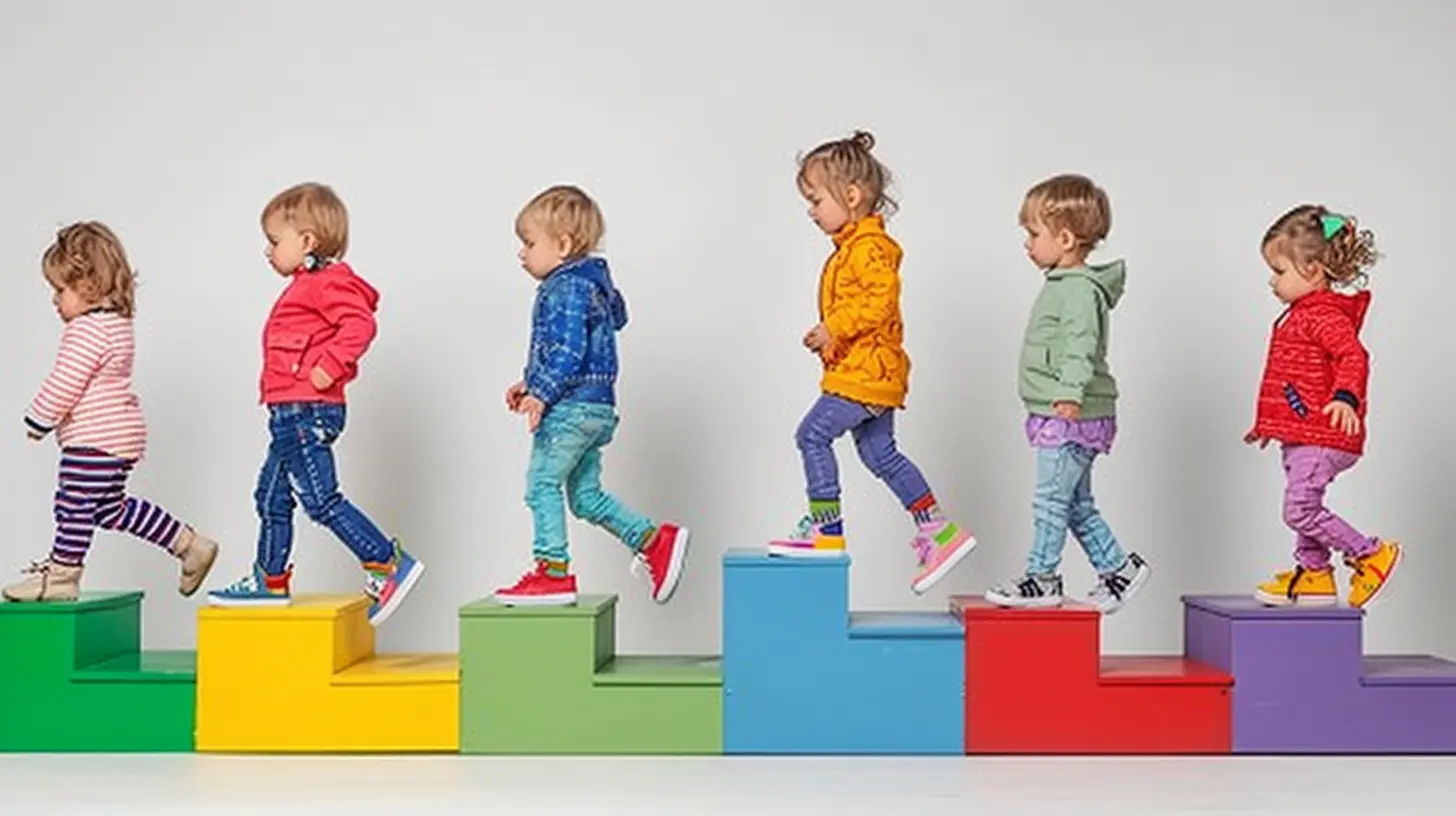
Infancy (0-12 Months): The Foundation Stage
Ah, the newborn stage—a time filled with endless cuddles, sleepless nights, and rapid development!Physical Development
- Birth to 3 months: Babies develop muscle control, start lifting their heads, and follow objects with their eyes.- 4 to 6 months: Rolling over, reaching for toys, and sitting with support.
- 7 to 9 months: Crawling begins, and some may stand while holding onto furniture.
- 10 to 12 months: Pulling up to stand, cruising along furniture, and perhaps taking those first wobbly steps!
Cognitive Development
- Recognizes familiar faces and objects.- Begins to explore things by putting them in their mouth (watch out for small objects!).
- Develops an understanding of cause and effect (like shaking a rattle to make noise).
Social-Emotional Development
- Smiles at familiar people.- Responds to affection and enjoys peek-a-boo.
- Shows separation anxiety when a parent leaves.
Language and Communication
- Starts cooing and babbling.- Responds to their name by around six months.
- Says simple sounds like “mama” or “dada” (though not always directed at parents yet!).

Toddlerhood (1-3 Years): The Little Explorer
Now things get really fun! Toddlers are curious, energetic, and eager to assert their independence.Physical Development
- 12-18 months: Walking steadily, attempting to climb stairs, and grasping small objects with improved coordination.- 18-24 months: Running, jumping, and throwing balls become common.
- 2-3 years: Improving balance, kicking balls, and even attempting to dress themselves.
Cognitive Development
- Recognizes and points to objects when named.- Engages in simple pretend play (like pretending to feed a doll).
- Begins solving problems, such as figuring out how to open a container.
Social-Emotional Development
- Shows affection toward caregivers and may develop strong attachments to stuffed animals or blankets.- Often experiences big emotions (hello, temper tantrums!).
- Begins testing boundaries and seeking independence (“I do it myself!”).
Language and Communication
- Around 12-18 months: Says a handful of words.- 18-24 months: Uses two-word phrases (“want cookie”).
- 2-3 years: Vocabulary explodes to hundreds of words, and they start forming short sentences.
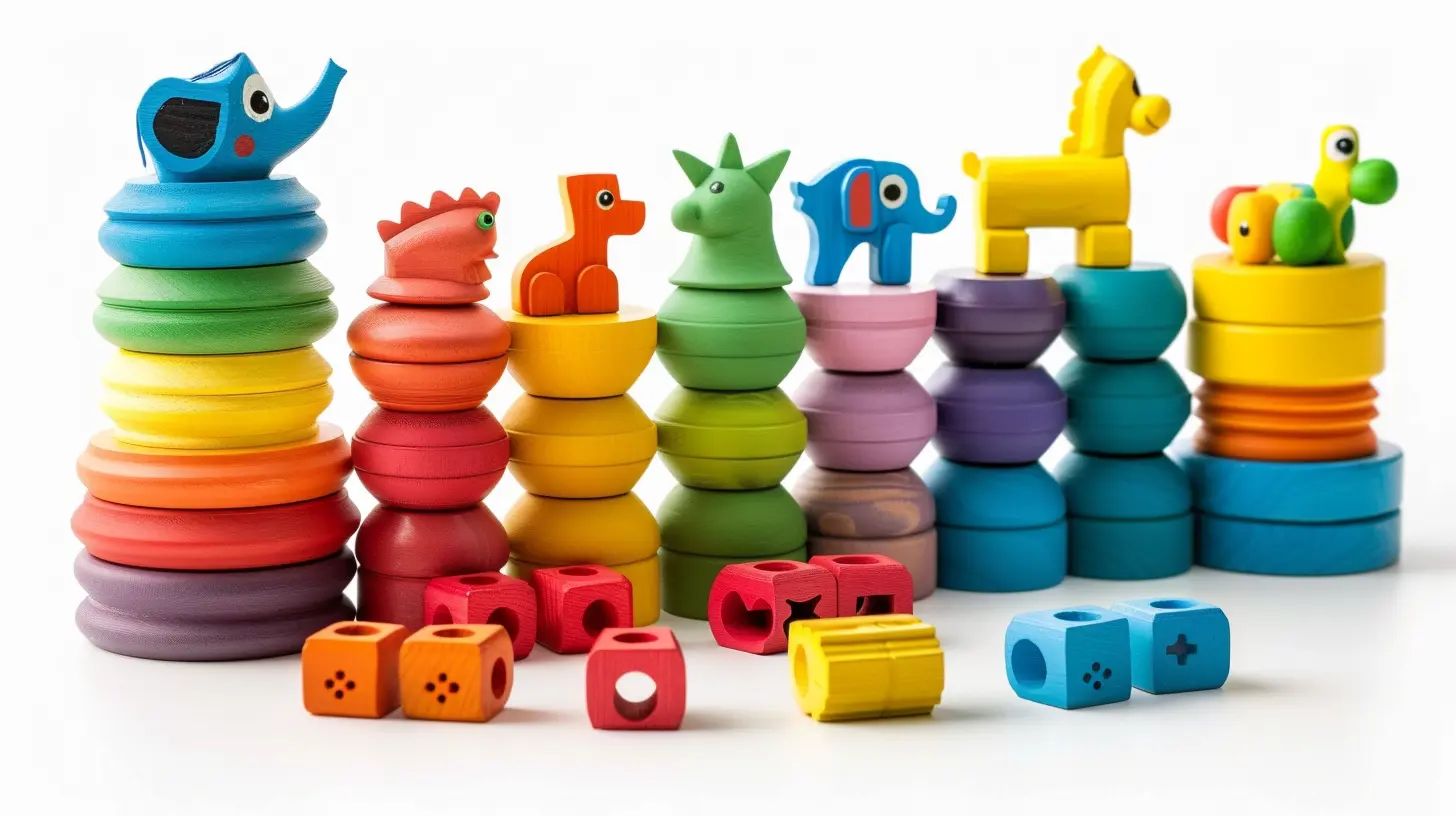
Preschool Age (3-5 Years): The Imaginative Stage
Preschoolers are little sponges, soaking up everything around them. This stage is marked by significant growth in creativity, independence, and social skills.Physical Development
- Can hop, skip, and ride a tricycle.- Has better hand-eye coordination (holding utensils, drawing circles).
- Dresses and undresses with little help.
Cognitive Development
- Understands basic counting and recognizes some colors and shapes.- Engages in more complex pretend play (playing house or pretending to be a superhero).
- Asks endless “why” questions—be prepared!
Social-Emotional Development
- Develops friendships and enjoys playing with other children.- Learns to take turns and share (though struggles still happen!).
- Shows a wide range of emotions and begins understanding other people's feelings.
Language and Communication
- Speaks in full sentences.- Can follow multi-step instructions.
- Enjoys storytelling and asking questions.
When to Be Concerned
While every child develops at their own pace, it’s important to recognize signs that might indicate developmental delays. Some red flags include:- Lack of eye contact or social engagement.
- No babbling or limited speech by 18 months.
- Not walking by 18 months.
- Difficulty following simple instructions by age 2.
If you notice any of these signs, don’t panic! Consult a pediatrician or early childhood specialist. Early intervention can make a big difference.
Supporting Your Child’s Development
Want to encourage healthy development? Here are some simple ways:- Talk and Read: Narrate daily activities and read books together.
- Encourage Play: Give them space to explore, build, and imagine.
- Provide Social Interaction: Arrange playdates or attend child-friendly activities.
- Be Patient and Supportive: Celebrate small wins and nurture their independence.
Conclusion
Understanding early childhood developmental milestones helps us appreciate just how incredible this stage of life is. Whether your little one is just learning to roll over, testing their independence with a resounding “no,” or telling you elaborate stories, each moment is part of their unique journey.While milestones give us a general guideline, remember—kids aren't robots! They grow at their own pace, and that’s completely okay. With love, encouragement, and a bit of patience, you're giving them the best possible foundation for a happy, healthy future.
all images in this post were generated using AI tools
Category:
Pediatric HealthAuthor:

Arthur McKeever
Discussion
rate this article
1 comments
Bradley Walker
Nurture today, thrive tomorrow!
July 8, 2026 at 3:56 PM