Uncovering the Benefits of Yoga for Stress Management
6 December 2025
Life’s daily hustle can feel like a rollercoaster ride—one filled with work deadlines, family responsibilities, unexpected challenges, and, let’s be honest, a fair share of stress. While some stress is normal, too much of it can take a toll on your mental and physical health. But what if there was a simple, natural way to manage it? Enter yoga—the ancient practice that helps melt stress away while improving your overall well-being.
So, roll out your yoga mat, take a deep breath, and let’s dive into how yoga can be your secret weapon for stress management.

What is Stress, and Why Does It Matter?
Before we explore yoga’s role in stress management, let’s understand what stress actually is. Stress is your body’s response to any challenge or demand. It can be triggered by anything from work pressure and relationship issues to financial worries or even traffic jams.While short-term stress helps you stay alert and respond to challenges, chronic stress can wreak havoc on your physical and mental health. It can lead to anxiety, depression, high blood pressure, insomnia, digestive issues, and even weaken your immune system.
The good news? Yoga helps combat stress naturally by promoting relaxation, enhancing mindfulness, and restoring balance.
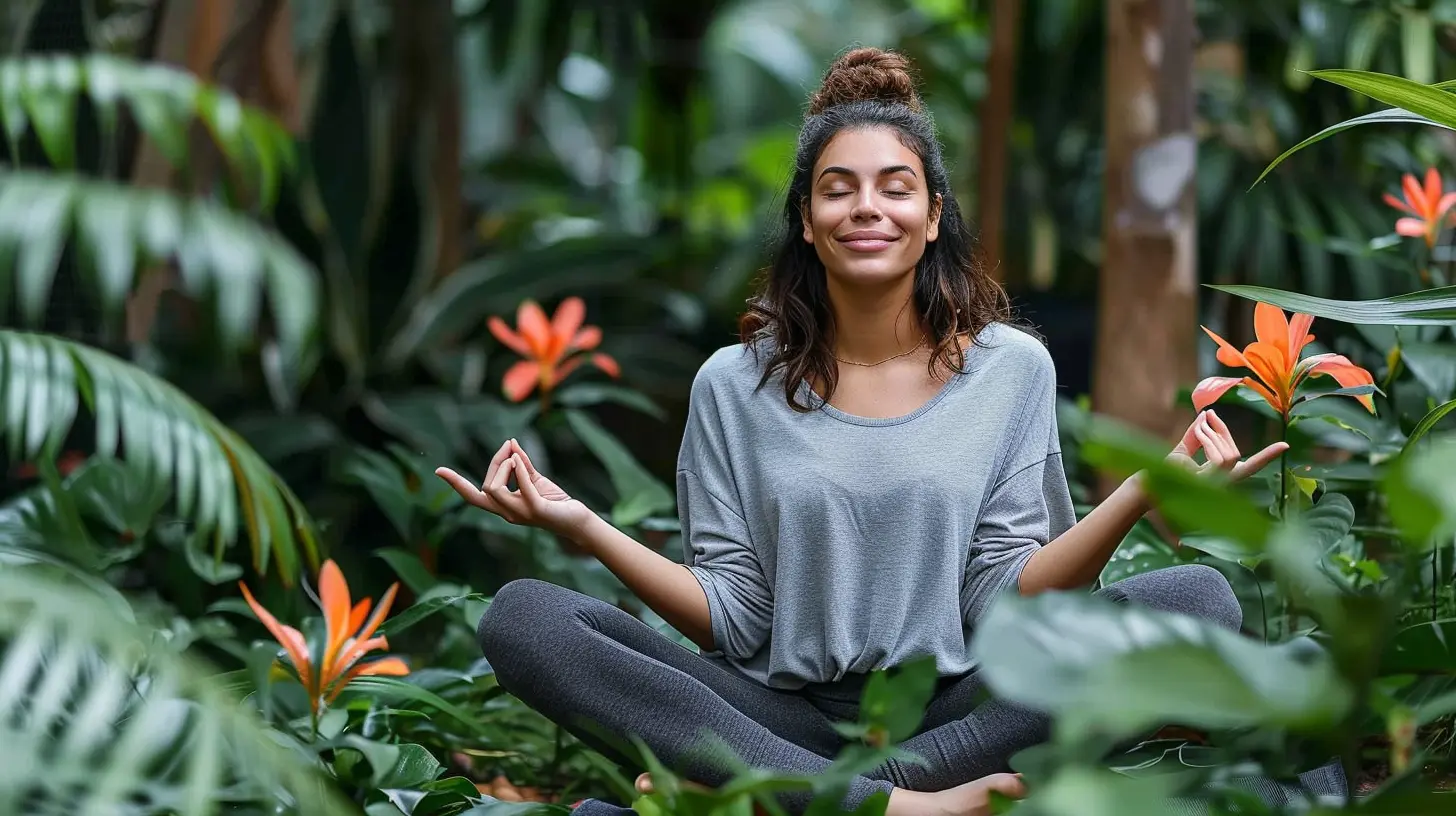
How Does Yoga Help with Stress Management?
Yoga is more than just a physical workout; it’s a holistic practice that connects the mind, body, and soul. Here’s how yoga can help you wave goodbye to stress:1. Reduces Cortisol Levels (The Stress Hormone)
Cortisol is the hormone your body releases in response to stress. While it’s essential in small amounts, excessive cortisol can lead to anxiety, weight gain, and even immune dysfunction.Yoga has been proven to lower cortisol levels, helping your body shift from fight-or-flight mode to a state of deep relaxation. A few deep breaths and a gentle yoga flow can work wonders in calming your nervous system.
2. Encourages Deep, Mindful Breathing
Ever noticed how your breathing changes when you’re stressed? Shallow, rapid breaths make you feel even more anxious. Yoga emphasizes deep breathing techniques (like diaphragmatic breathing and pranayama) that promote relaxation.By consciously slowing down your breath, you signal to your brain that everything is okay, helping you feel more relaxed almost instantly.
3. Activates the Parasympathetic Nervous System
Your body has two “modes”—the fight-or-flight response (sympathetic nervous system) and the rest-and-digest response (parasympathetic nervous system).When you’re constantly stressed, your fight-or-flight mode is always active. Yoga helps flip the switch, activating the parasympathetic nervous system, which calms your mind and body, lowers your heart rate, and reduces stress hormones.
4. Enhances Mindfulness and Presence
One of yoga’s greatest gifts is mindfulness—the ability to be present and fully engaged in the moment. Instead of worrying about past mistakes or future uncertainties, yoga teaches you to focus on the here and now.This mindful awareness helps break the cycle of negative thinking, reducing stress and promoting a sense of inner peace.
5. Releases Physical Tension
Stress isn’t just a mental challenge; it also manifests in your body. Tight shoulders, a clenched jaw, and a stiff neck are all signs of built-up tension.Yoga’s gentle stretches and postures help release this tension, improving flexibility and promoting relaxation. A simple forward fold or child’s pose can do wonders for easing stress-related muscle tightness.
6. Improves Sleep Quality
Struggling with restless nights? Stress often leads to sleep problems, making it harder to unwind at the end of the day.Yoga’s calming effects help quiet the mind, making it easier to fall and stay asleep. Practices like Yoga Nidra (a guided relaxation technique) are particularly effective in promoting deep, restful sleep.
7. Increases Production of "Feel-Good" Chemicals
Ever heard of endorphins? These are your body's natural mood boosters, and yoga helps release them!Regular yoga practice increases serotonin and dopamine levels—two neurotransmitters associated with happiness and emotional stability. This means that after a good yoga session, you’re likely to feel more uplifted and balanced.
8. Helps You Develop a Healthier Perspective
Yoga isn’t just about physical postures; it’s also about mindset. Many yoga philosophies encourage letting go of things beyond your control, practicing gratitude, and finding inner peace.By incorporating yoga into your daily life, you develop a more positive, resilient mindset that makes it easier to cope with stressors.

Best Yoga Poses for Stress Relief
Not all yoga poses are created equal when it comes to managing stress. Here are some of the best stress-reducing yoga postures to try:1. Child’s Pose (Balasana)
A simple yet powerful pose, Child’s Pose calms the nervous system and gently stretches the lower back, hips, and shoulders—areas where stress tends to accumulate.2. Legs-Up-The-Wall Pose (Viparita Karani)
This restorative pose promotes relaxation, improves circulation, and helps relieve anxiety and fatigue. Perfect for unwinding after a long day!3. Cat-Cow Pose (Marjaryasana-Bitilasana)
A gentle flow between Cat and Cow poses helps release spinal tension, improve posture, and bring a sense of calm to your mind.4. Standing Forward Bend (Uttanasana)
This pose stretches the hamstrings and lower back while encouraging deep breathing, reducing stress, and promoting relaxation.5. Corpse Pose (Savasana)
The ultimate relaxation pose! Lie down, close your eyes, and allow your body to fully relax. Savasana is a great way to end any yoga practice, melting away stress and tension.
Tips for Incorporating Yoga into Your Daily Routine
You don’t need to practice yoga for hours to experience its stress-relieving benefits. Even 10-15 minutes a day can make a big difference. Here are some simple ways to incorporate yoga into your routine:- Start your morning with a few stretches. A gentle sun salutation or a few simple poses can set a peaceful tone for the day.
- Use yoga as a mid-day reset. Feeling overwhelmed at work? Step away for a quick breathing exercise or a few seated stretches.
- Unwind before bed. A short bedtime yoga routine can help calm your mind and prepare your body for restful sleep.
- Make it fun! Join a yoga class, practice with a friend, or follow an online video that resonates with you.
Final Thoughts
Stress is a natural part of life, but it doesn’t have to control you. Yoga provides a simple, effective way to manage stress by calming the mind, releasing physical tension, and promoting overall well-being.So, the next time you’re feeling overwhelmed, take a deep breath, roll out your mat, and let yoga work its magic. Your body and mind will thank you for it!
all images in this post were generated using AI tools
Category:
Stress ManagementAuthor:

Arthur McKeever
Discussion
rate this article
2 comments
Felix McGrady
Yoga offers a holistic approach to stress management by promoting relaxation and mindfulness. Its physical postures and breathing techniques can significantly reduce anxiety and enhance overall mental well-being.
December 14, 2025 at 3:50 PM
Arthur McKeever
Thank you for highlighting the holistic benefits of yoga! It's truly a powerful tool for managing stress and enhancing mental well-being.
Vaughn Elliott
Stress management? Please! Yoga is the ultimate zen weapon—your mind will thank you, and your stress will pack its bags!
December 7, 2025 at 5:34 AM
Arthur McKeever
Absolutely! Yoga is indeed a powerful tool for stress relief, promoting mindfulness and relaxation that can transform your mental well-being. 🌟