Trace Minerals: Tiny Nutrients with Big Benefits
29 June 2026
Let’s talk about something small—but mighty. We’re not talking about ants or espresso shots. Nope! We’re diving deep into the world of trace minerals. These microscopic powerhouses don’t get the limelight like protein, fiber, or omega-3s. But trust me, they’re the unsung heroes behind some of your body’s most important jobs.
Ever wondered why your hair suddenly feels dull? Or why you’re dragging yourself through the day, yawning every five minutes with a coffee in hand? Trace minerals could be the missing puzzle piece.
So grab a comfy spot and maybe your favorite smoothie—we’re about to break down why these tiny nutrients pack a seriously big punch for your health.
What Are Trace Minerals Anyway?
Alright, so what exactly are trace minerals? The term might sound like something you’d read in a science textbook, but it’s actually pretty straightforward.Trace minerals—also known as microminerals—are essential minerals that your body needs in small amounts, often less than 100 milligrams per day. Even though they’re needed in tiny quantities, the impact they make is enormous.
Think of them like the backup dancers in a concert. The lead singer (in this case, let's say protein or calcium) might get all the attention, but without the backup, the show would be a flop. Trace minerals work behind the scenes, making sure everything from your immune system to your thyroid to your red blood cells is functioning at its best.
The Major Players in the Trace Mineral Team
Let’s meet the VIPs of the trace mineral world. Each of these nutrients has a set of unique superpowers:1. Iron: The Oxygen Taxi Driver
Iron's probably the most well-known trace mineral—and for good reason. It helps make hemoglobin, a protein in red blood cells that carries oxygen all over your body.Feeling tired all the time? Cold hands and feet? Constantly short of breath? Yep, that could be an iron deficiency knocking on your door.
? Good sources: Red meat, spinach, lentils, chickpeas, fortified cereals.
2. Zinc: The Immune Booster
Zinc is like your body’s internal security system. It helps fight off bacteria and viruses, speeds up wound healing, and supports growth and development during childhood, adolescence, and pregnancy.Also, let’s not forget—it plays a solid role in keeping your taste buds and smell receptors healthy. Ever had a cold and noticed you couldn’t taste your food? That’s zinc saying, “I told you so!”
? Good sources: Seafood (especially oysters), beef, pumpkin seeds, lentils, and whole grains.
3. Copper: The Energy Manager
Even though copper doesn't get as much press, it deserves a standing ovation. It helps with the formation of red blood cells, supports iron absorption, and keeps your nervous system in check.Plus, it’s super important for maintaining healthy bones and producing energy. Think of it as the middle manager making sure supplies (iron) get to production (red blood cells).
? Good sources: Nuts, seeds, shellfish, whole grains, and dark chocolate (yes, you read that right!).
4. Selenium: The Cell Protector
Selenium acts like a bodyguard for your cells. It has powerful antioxidant properties that help protect your cells from damage caused by free radicals (those pesky unstable molecules that can lead to disease).It’s also tied to thyroid health, immune function, and even fertility in both men and women.
? Good sources: Brazil nuts (just one or two will do!), sunflower seeds, eggs, tuna, and brown rice.
5. Iodine: The Thyroid’s BFF
Iodine is all about that thyroid life. Your thyroid gland uses iodine to make hormones that regulate metabolism, energy production, and growth.Too little iodine can lead to low energy, weight gain, and even mental fog. In fact, iodine deficiency is one of the leading causes of preventable intellectual disabilities worldwide.
? Good sources: Iodized salt, seaweed, fish, dairy, and eggs.
6. Manganese: The Metabolism Helper
Manganese may not be a household name, but it’s working hard behind the scenes. It’s involved in metabolizing carbs, protein, and fat, forming bones, and activating antioxidants that protect your body.? Good sources: Nuts, whole grains, legumes, tea, and leafy greens.
7. Chromium: The Blood Sugar Balancer
If you're trying to keep your blood sugar stable, chromium is your friend. It enhances insulin action and helps your body use glucose effectively.Stable energy, fewer cravings, and balanced moods? Yes, please!
? Good sources: Broccoli, whole grains, grapes, and turkey.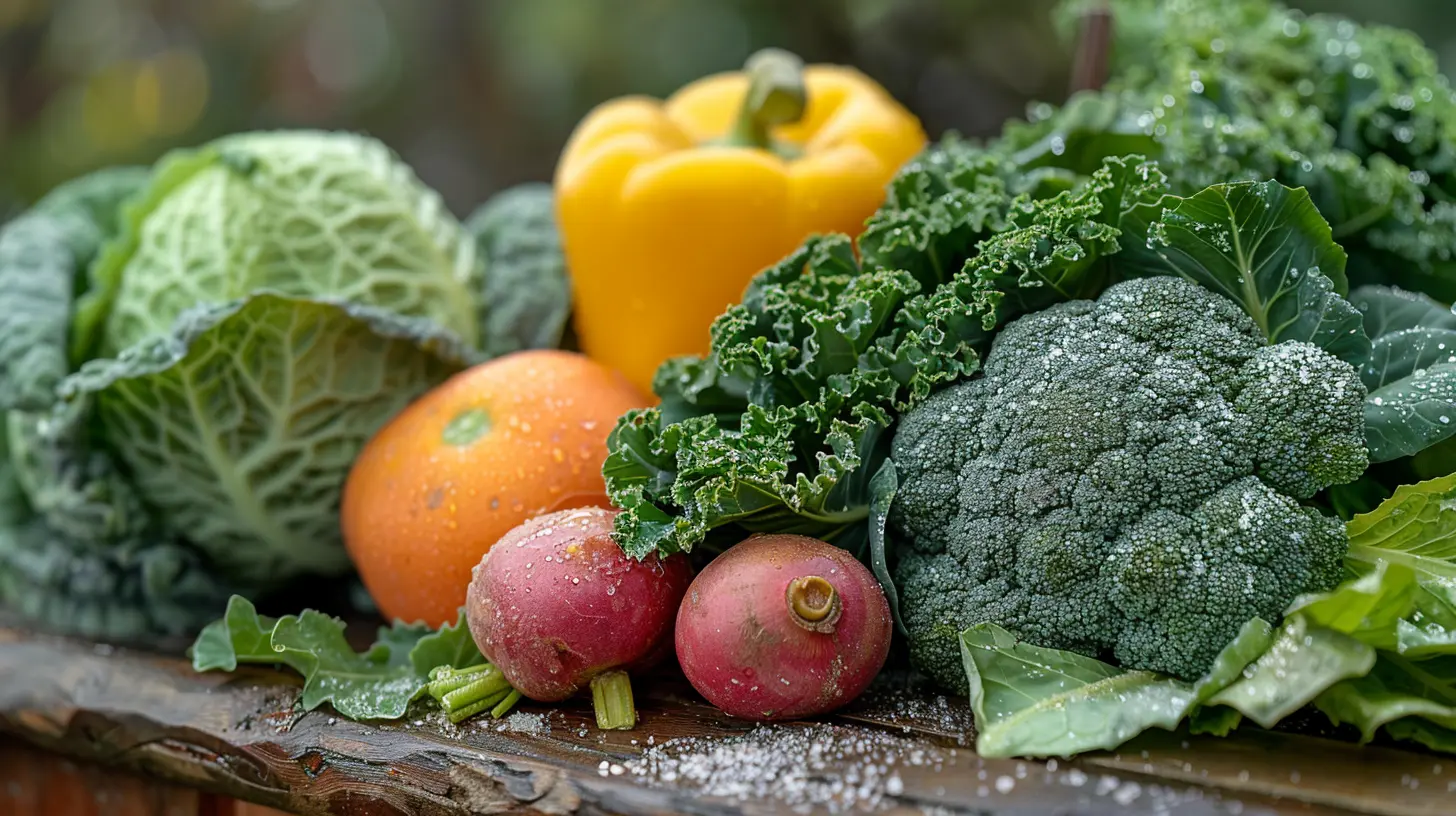
Why Your Body Needs Trace Minerals (Even in Tiny Amounts)
You might be wondering—“If my body only needs a sprinkle of these, why should I care so much?”Great question.
Here’s the deal: even the tiniest deficiency can lead to big health problems. Trace minerals work in tandem with enzymes and hormones to tackle critical tasks like:
- Supporting immune function
- Promoting healthy growth and development
- Protecting against oxidative stress
- Balancing hormones
- Keeping bones and teeth strong
- Preventing anemia and fatigue
Without them, your body’s internal systems—your engine, if you will—start to sputter. You might not notice it immediately. But eventually, the tiredness, brittle nails, mood swings, and even recurring infections catch up to you.
Are You Getting Enough?
Here’s a hard truth: many of us aren’t getting enough trace minerals in our everyday diets—especially if we rely heavily on processed foods. Cooking methods, soil depletion, and poor food choices can rob foods of their natural mineral content.Signs you might be lacking trace minerals include:
- Fatigue or low energy
- Frequent infections
- Poor wound healing
- Hair loss or brittle hair
- Muscle cramps
- Brain fog or memory issues
If any of these sound familiar, don’t panic. You don’t need to run to a supplement store just yet. Start by taking a good look at your plates. Are you eating a varied, colorful diet? Are you choosing real foods over packaged ones?
The Best Natural Sources of Trace Minerals
Good news—your favorite whole foods are likely loaded with trace minerals if you choose wisely. Focus on:- Seafood: Fish, oysters, and seaweed for iodine, zinc, and selenium.
- Nuts & Seeds: Almonds, walnuts, pumpkin seeds, and Brazil nuts.
- Whole Grains: Brown rice, oats, quinoa, and barley.
- Legumes: Chickpeas, lentils, black beans.
- Veggies: Leafy greens, broccoli, and root vegetables.
- Fruits: Bananas, grapes, avocados.
Eating a variety of these foods not only boosts your trace mineral intake, but also loads you up with fiber, antioxidants, and vitamins. It’s like treating your body to a mineral-rich spa day—every single day.
What About Supplements?
You could take a multivitamin, sure. But remember—more isn’t always better. Trace minerals can be toxic in high doses. Yep, too much of a good thing can become a not-so-good thing real fast.Iron, for instance, can cause serious stomach issues if over-supplemented. Selenium? Too much of it can lead to hair loss or nail brittleness.
Get tested before you supplement. Your doctor can run basic panels to see if you’re running low, especially if you have specific symptoms. Otherwise, stick to food first—it’s what your body was designed to absorb best.
How to Boost Absorption Naturally
Just eating mineral-rich foods isn’t always enough—absorbing them matters too.Here are a few clever tips to improve mineral uptake:
- Pair iron with vitamin C: A sprinkle of lemon juice on spinach or having an orange with a lentil dish can boost iron absorption like magic.
- Soak your legumes and grains: This reduces phytic acid, which can block mineral absorption.
- Limit tea or coffee with meals: They contain compounds that can reduce iron uptake.
- Include healthy fats: Some minerals (like selenium) get absorbed better with fat. So don’t fear that olive oil drizzle!
Don’t Let Their Size Fool You
So, what’s the bottom line?Trace minerals might be small, but they’re not insignificant. In fact, they’re like the tiny screws that keep the machine (your body) running smoothly. Without them, things slowly fall apart.
Just like you wouldn’t ignore the oil light in your car, don’t ignore the signs your body might be giving you—especially the quiet whispers of fatigue, brain fog, or brittle nails.
The good news? You don’t need a fancy meal plan or exotic superfoods to get your fix. Good old-fashioned whole foods—nuts, legumes, seeds, greens, and grains—have your back.
So the next time you build a plate, ask yourself: “Did I feed my body the minerals it needs to shine today?”
You've got this. Small steps add up to big wins.
all images in this post were generated using AI tools
Category:
MineralsAuthor:

Arthur McKeever
Discussion
rate this article
1 comments
Honor Mahoney
Trace minerals play a crucial role in our health, supporting functions from metabolism to immune response. Don't overlook them.
July 1, 2026 at 4:24 AM
Arthur McKeever
Absolutely! Trace minerals are essential for our overall well-being. They may be tiny, but their impact is significant. Thanks for highlighting their importance!