The Role of Hydration in Cycling Performance
16 July 2026
Picture this: you're halfway through a 60-mile ride, the sun is baking the asphalt, your jersey is soaked in sweat, and your legs feel like overcooked noodles. Sound familiar? If you've ever bonked hard during a ride or felt sluggish on a climb, chances are hydration (or lack thereof) played a starring role.
Hydration isn’t just about guzzling water when you're thirsty. Nope! It's one of the secret sauce ingredients that can make or break your performance on the bike. Whether you're a weekend warrior or a podium chaser, dialing in your hydration game can be a total game-changer.
So grab your bottle (hopefully filled with something more exciting than plain water), and let's dive into why hydration is the unsung hero of cycling performance.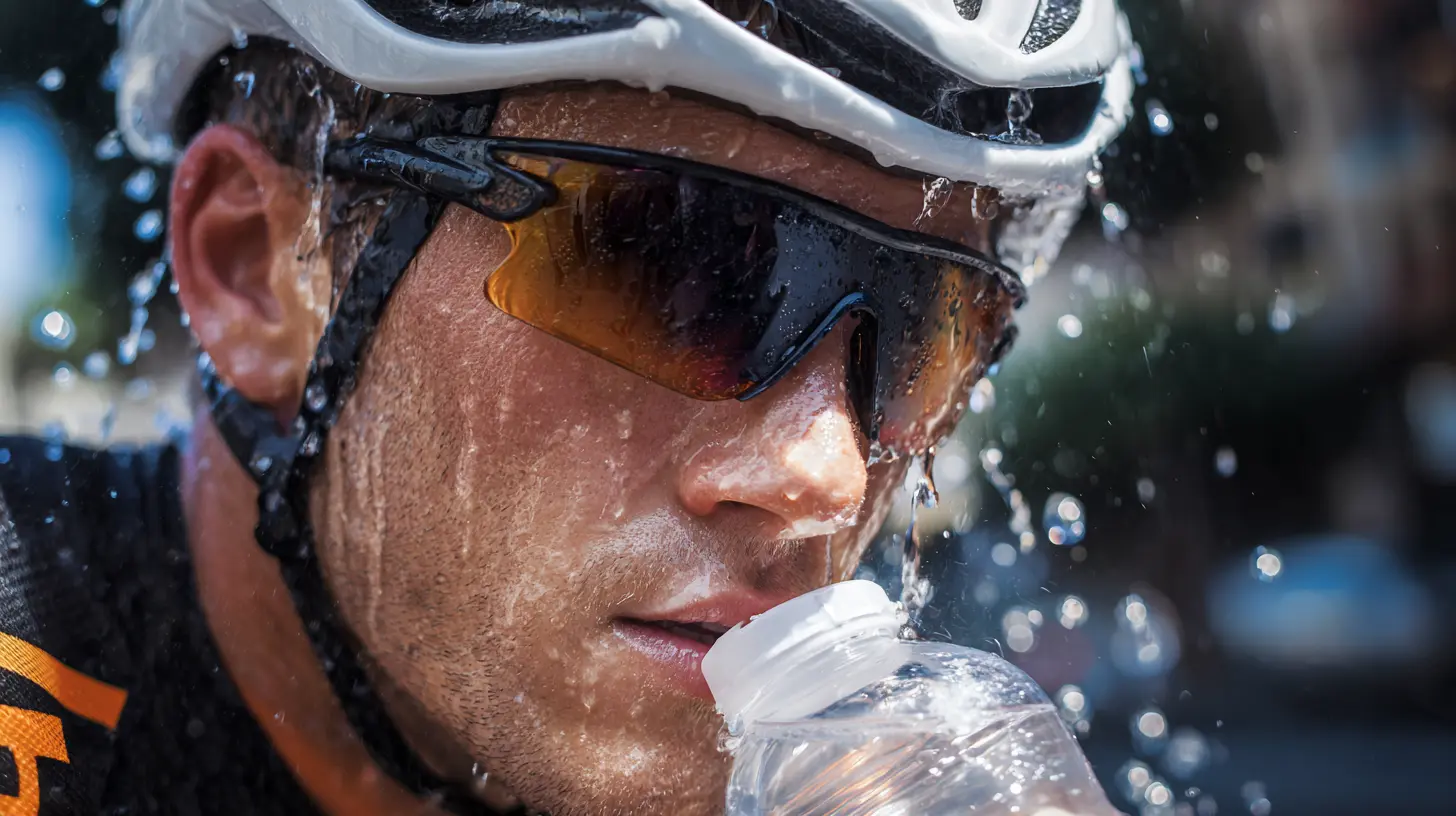
Why Hydration Matters More Than You Think
Think of your body as an engine. Just like a car needs oil to run smoothly, your body runs on fluids. When you're cycling, especially in warmer weather or for longer distances, you're sweating out precious fluids and electrolytes at an alarming rate.Now, dehydration doesn’t come with flashing neon lights saying “WARNING: SLOW PERFORMANCE AHEAD!” It sneaks up on you. One minute you’re cruising, and the next, your energy tanks, your heart rate spikes, and your brain feels foggy.
The Science-y Side (Made Simple)
When you're dehydrated, your blood volume decreases. This means your heart has to work harder to pump blood (and oxygen) to your muscles. That’s not ideal when you're halfway up a hill that feels more like a vertical wall.Plus, dehydration messes with your body's cooling system. Sweating helps regulate body temperature, but if you’re low on fluids, your internal thermostat gets wonky. Hello, overheating!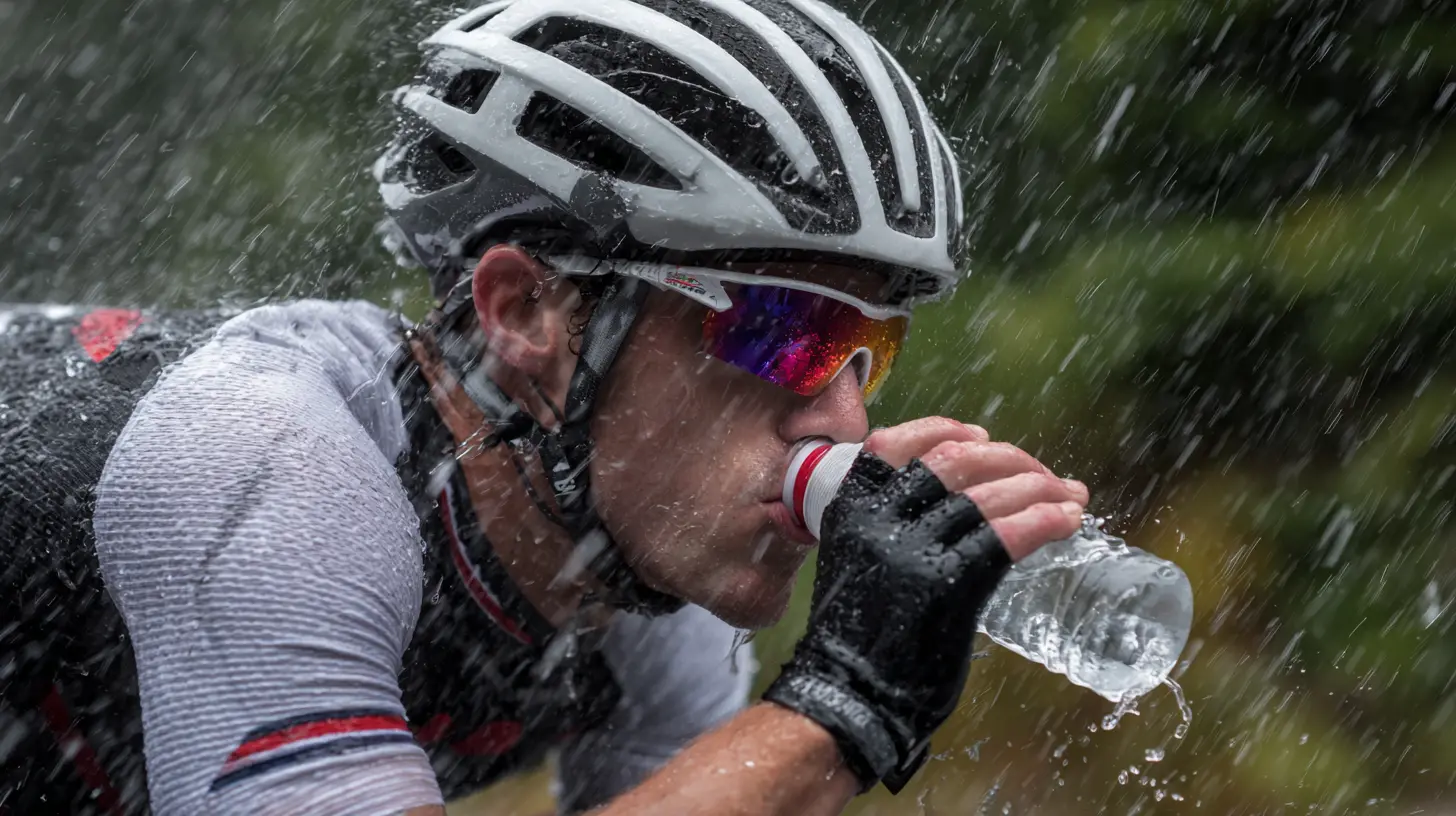
Signs You're Dehydrated (And Maybe Don’t Even Know It)
Here's the kicker: by the time you feel thirsty, you're probably already behind the hydration eight ball. Your body’s thirst mechanism isn’t always the best early warning system.Watch for these sneaky signs:
- Dry mouth or lips
- Dark yellow pee (yeah, we're going there)
- Fatigue or cramping
- Headache or dizziness
- Reduced focus or coordination
Sound familiar? Hydration isn’t just about drinking enough—it’s about drinking smart and consistently.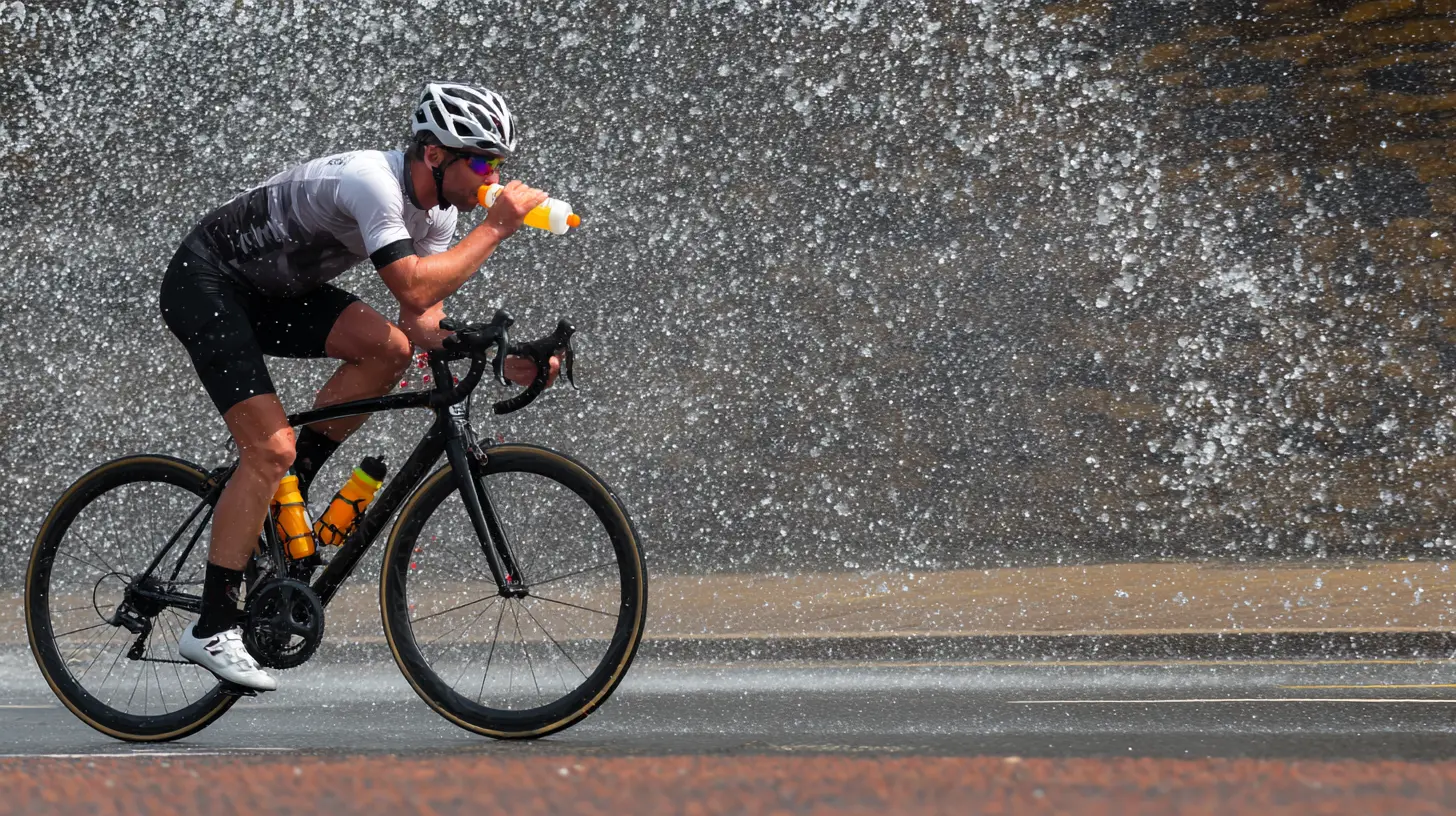
Pre-Ride Hydration: Start Strong
Here’s a pro tip many cyclists overlook: you should start hydrating long before you clip into your pedals.The 24-Hour Window
Proper hydration starts the day before a long ride or race. Aim to sip on water regularly throughout the day. Don’t try to make up for lost hydration with a last-minute chug-fest—it’s not a frat party, folks.Morning of the Ride
Try drinking 16–20 ounces (about 500–600 ml) of water or a low-sugar sports drink about 2–3 hours before your ride. That gives your body time to absorb the fluids and avoids any mid-ride restroom emergencies. Hydrated, not sloshed—that’s the goal.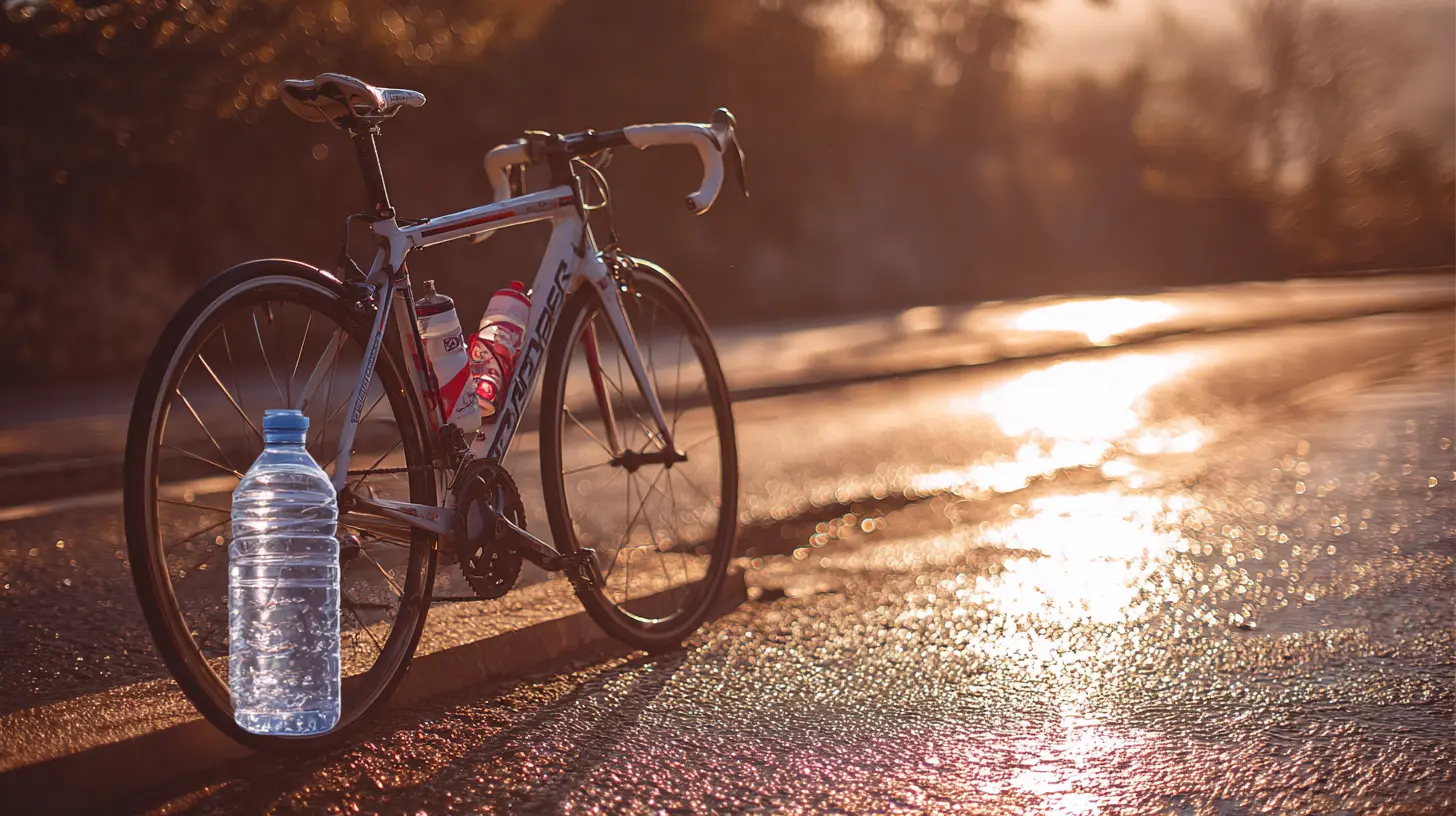
During the Ride: Timing is Everything
Think of hydration during your ride like stoking a fire—you gotta keep that flame alive!The Golden Rule
Aim to drink every 10–15 minutes. That’s about a few sips every 3–5 miles, depending on your pace and conditions.How Much Should You Drink?
It depends on a few factors like your body size, weather, intensity, and duration, but here’s a basic breakdown:- Moderate effort under an hour: Water will usually do the trick.
- Longer than 1 hour: You’ll start losing electrolytes (especially sodium), so consider a sports drink with electrolytes.
- Hot or humid conditions: Increase your fluid intake—your sweat rate will ramp up big time.
What About Electrolytes?
Electrolytes are like the Pit Crew of hydration. Sodium, potassium, magnesium, and calcium are lost through sweat and need replacing to avoid cramps, fatigue, and bonking.Look for drinks that contain a decent amount of electrolytes without loads of sugar. Remember: you’re fueling for performance, not dessert.
Post-Ride Hydration: Recovery Mode
Don't slam the brakes on hydration once you dismount. Your body needs help rehydrating and recovering from all that exertion.Rehydrate and Refuel
Grab a recovery drink or mix up some water with a pinch of salt and a squeeze of lemon. Pair it with a snack or meal that has carbs, protein, and—yup—more fluids.Weighing yourself before and after a ride can be super helpful too. Every pound lost is roughly 16 ounces (about 475 ml) of fluid. Replace those losses over the next few hours to bounce back faster.
How to Customize Your Hydration Strategy
No two cyclists are the same—so your hydration strategy shouldn’t be a copy-paste deal either.Know Your Sweat Rate
Feeling geeky? Here’s a simple sweat rate test:1. Weigh yourself before a ride (in the buff, ideally).
2. Ride for an hour, noting how much you drink.
3. Weigh yourself again (yup, still naked).
4. Subtract post-ride weight from pre-ride to see how much fluid you lost.
This can help you dial in how much you need during similar rides. More science, less guesswork.
Adjust for the Elements
- Hot and humid? Up your fluid and electrolyte intake.- Cold and dry? Don’t be fooled—dehydration still lurks in cooler conditions.
- High altitude? You lose moisture faster via respiration. Hydrate more.
Common Hydration Pitfalls (And How to Avoid Them)
1. Waiting Until You’re Thirsty
Like we said earlier—if you’re already thirsty, you’re already behind. Set a timer or get in the habit of sipping regularly.2. Only Drinking Water on Long Rides
Water’s great, but for anything over 60–90 minutes, electrolytes are a must. A lack of sodium can lead to a dangerous condition called hyponatremia (and nobody wants that).3. Overloading on Sugar
Some sports drinks are more sugar than substance. High sugar content can cause GI distress and actually slow down water absorption. Go easy on the candy water.4. Skipping Post-Ride Hydration
Post-ride hydration is clutch for recovery. Without it, you'll feel like a zombie the next day, and your muscles won’t thank you either.Pro Tips for Staying Hydrated Without Even Thinking About It
Let’s make hydration effortless, shall we?- Use a hydration pack: Easy access to fluids, especially on longer rides.
- Flavor your water: If plain water bores you, try adding a splash of juice, a squeeze of lemon, or hydration tablets.
- Set a reminder: Smartwatches, bike computers, or even your cycling buddy can help you remember to sip.
- Practice your plan: Don’t try new hydration strategies on race day. Test them on your training rides.
Hydration Myths… Busted!
“I Only Need to Hydrate If It’s Hot Outside.”
Nope! You still sweat in cooler temps—maybe not as noticeably, but it happens. Dry, winter air can actually increase fluid loss.“Coffee Dehydrates You.”
Actually, moderate caffeine intake can still contribute to your daily fluid needs. So yes, your pre-ride espresso still counts!“Chugging Lots of Water Is Best.”
Slow and steady wins the race. Drinking too much too fast can lead to bloating or, in extreme cases, hyponatremia.Final Thoughts: Drink Smarter, Ride Better
Hydration isn't just about pouring water into your body and hoping for the best. It's strategic, it's personalized, and it’s crucial for peak cycling performance.Keep it simple: start hydrated, stay on top of it during your ride, and don’t forget to replenish afterward. Your legs will feel fresher, your mind will be sharper, and your recovery will be way smoother.
So next time you’re prepping for that big ride, give your water bottle the respect it deserves. Because when it comes to crushing climbs or finishing strong, hydration might just be your best riding partner.
all images in this post were generated using AI tools
Category:
Cycling FitnessAuthor:

Arthur McKeever