Cycling Uphill: Techniques to Conquer Tough Elevations
11 February 2026
Let’s be honest — no cyclist wakes up thinking, “Yes! I can’t wait to climb that monster hill today!” Well, unless you're some kind of superhuman (or just really, really into self-punishment). But whether you ride for fun, fitness, or competition, one thing’s for sure: hills are unavoidable. And tackling those tough inclines isn’t just about leg power — it’s a mix of technique, mindset, and knowing your bike like the back of your hand.
In this post, we’re diving deep into the art and science of cycling uphill. By the end, you’ll feel ready to face even the fiercest elevation with grit and grace. So, strap on that helmet — it’s time to conquer the climb.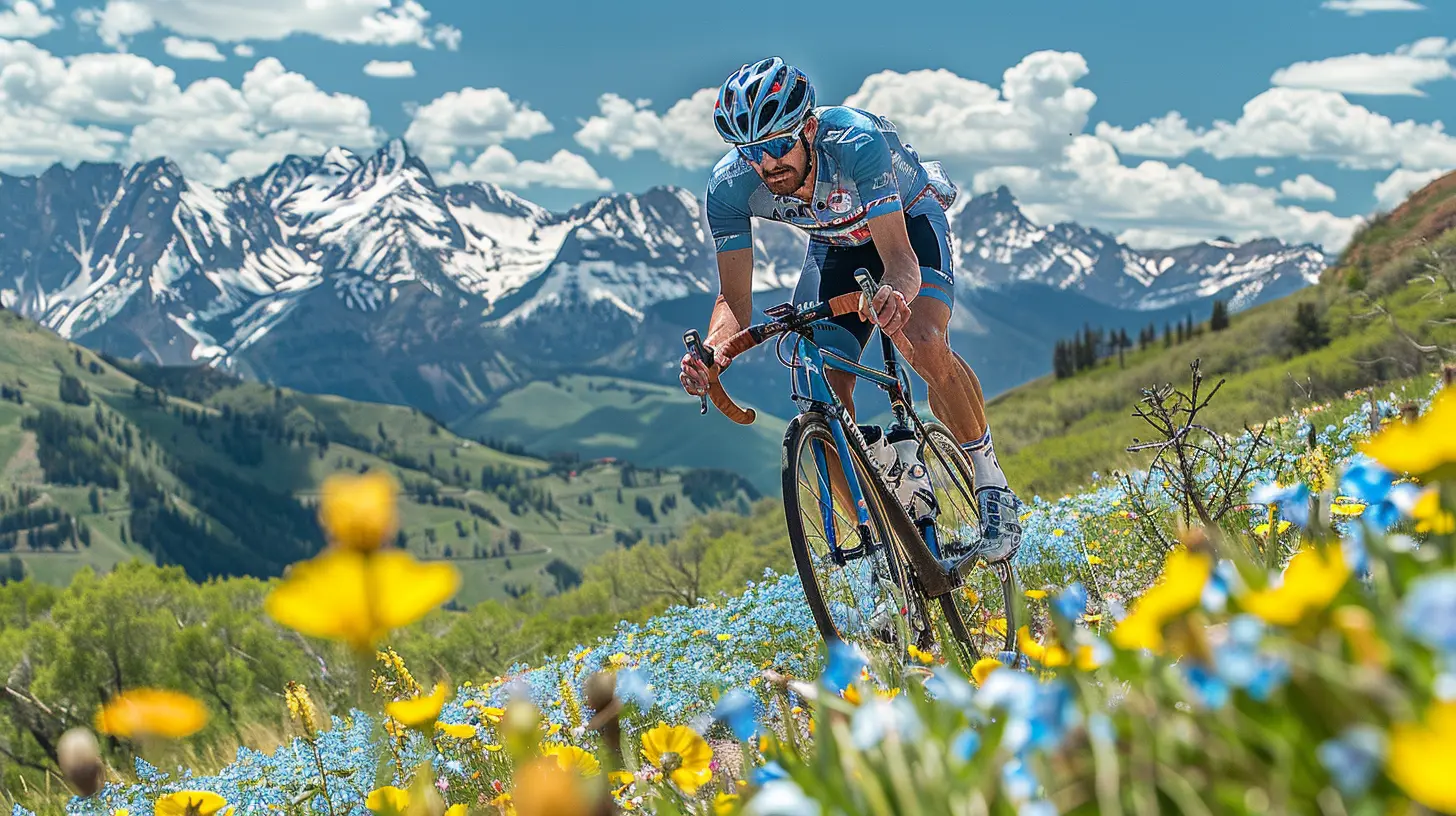
Why Climbing Hills Feels So Hard
Ever wonder why even short hills leave your legs screaming, heart pounding, and mind questioning your life choices? It’s simple: gravity is a beast.When you ride on flat ground, most of your energy goes into moving forward. But go uphill, and now you’re battling gravity as well. Your muscles have to work overtime to lift your body and your bike. Add in wind resistance, longer climbs, and maybe even a bad gear choice, and you’ve got yourself a recipe for mid-ride meltdowns.
But it’s not just physical — climbing can feel mentally exhausting. A daunting hill can psych you out before you even start pedaling. That’s where preparation and a positive mindset make all the difference.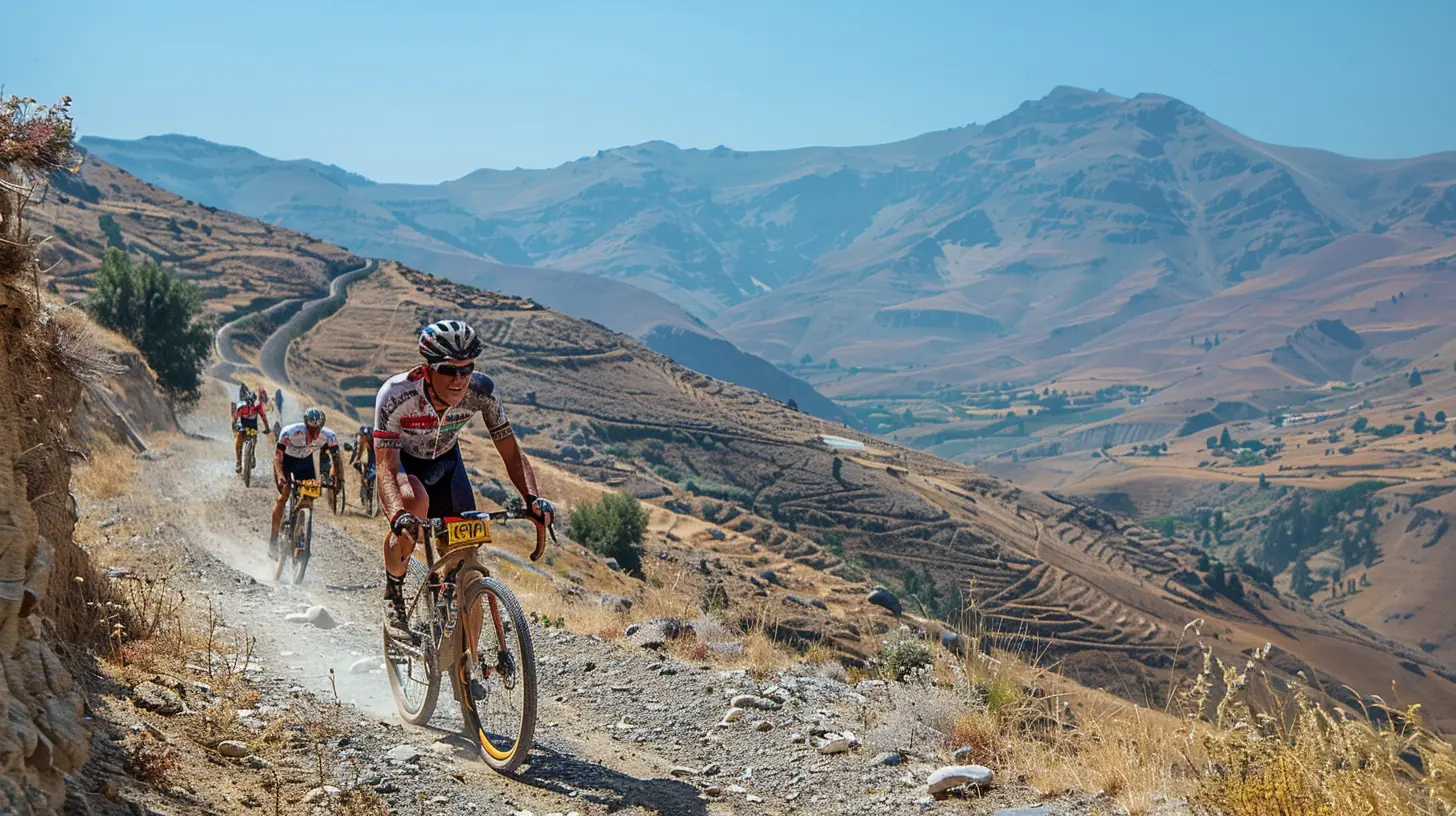
Get Your Mind Right Before the Climb
First things first — your brain is your strongest muscle. If you believe you can’t do it, you’re already halfway defeated.Visualize Your Success
This might sound woo-woo, but it works. Picture yourself reaching the top of that hill, strong and steady. Visualizing helps your brain prepare for the effort and reduces anxiety about the climb.Break It Down
Don’t think of the entire hill as one massive task. Break it into chunks. Focus on reaching the next tree, the next pole, or even just that shady spot 50 feet ahead. These mini-goals keep your motivation alive during long, grueling climbs.
The Right Gear Makes a Huge Difference
Let’s get into the technical stuff — because gear matters.Know Your Bike’s Gearing
Modern bikes have multiple gears designed to make climbing easier. You want to shift to your lowest gear before you start the climb. Waiting too long could mean grinding up the hill or worse, stalling out entirely.Pro tip: If you hear your drivetrain groaning or feel like you're pushing through concrete, you're probably in the wrong gear.
Consider a Compact Crankset or a Wider Cassette
If you live in a hilly area or love to climb, upgrading your components may be worth it. A compact crankset or a cassette with a wider range gives you lower gears — and your legs will thank you.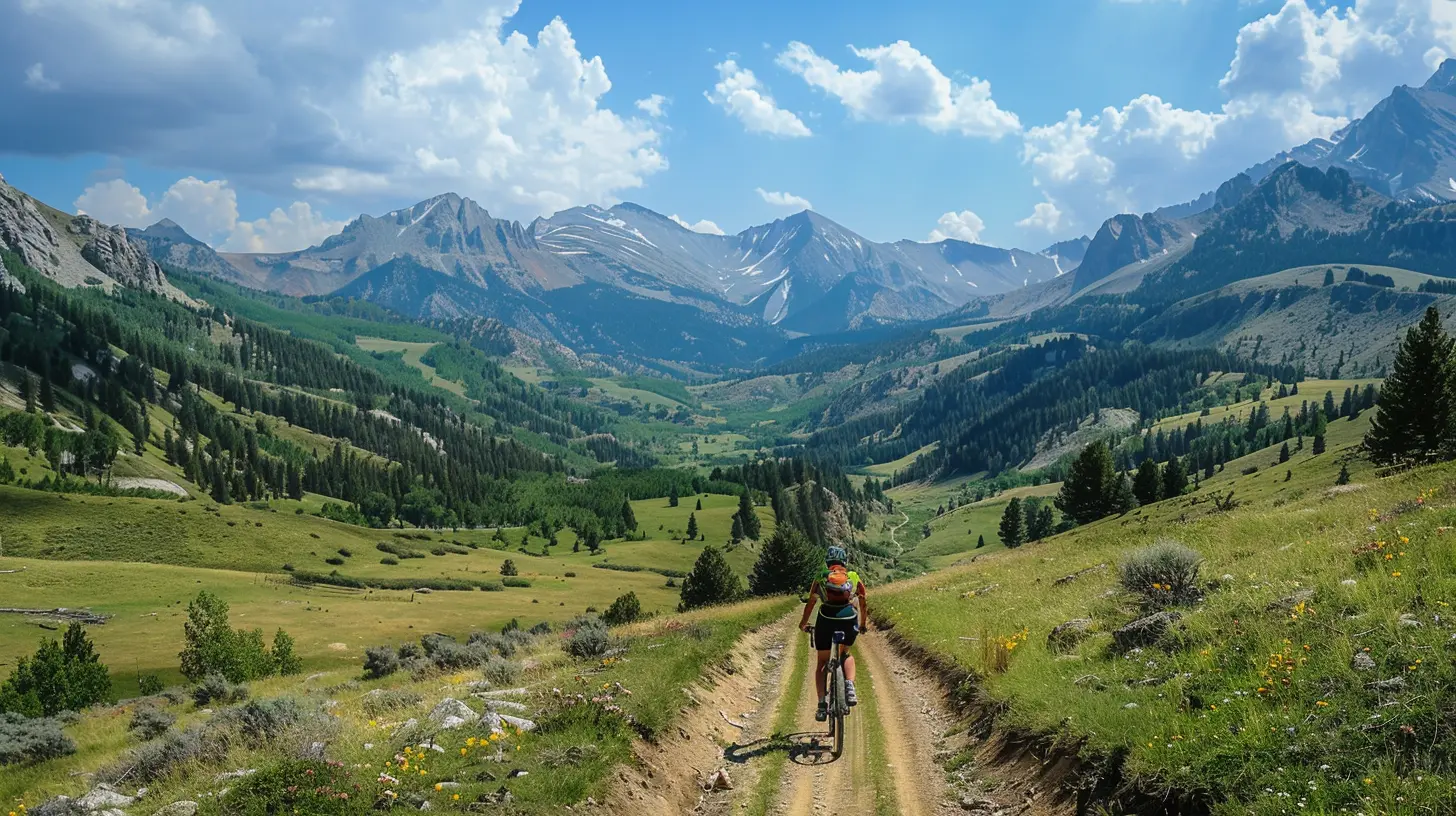
Body Position: Posture is Power
You wouldn’t lift weights with terrible form, right? Same goes for climbing.Stay Seated (Unless You Have To Stand)
Remaining seated keeps your center of gravity low and conserves energy. Your rear wheel gets better traction, especially when it’s slick or you're on gravel. Only stand when you need that extra push — like a steep section or a short burst to the top.Shift Your Weight Forward
Lean slightly forward and keep your hands relaxed on the handlebars. This helps balance your bike and keeps that front wheel from popping up. You’re not wrestling with your bike — you’re dancing with it.Elbows Bent, Eyes Up
Bending your elbows helps absorb road shock and keeps your upper body relaxed. Make sure you’re looking up the hill — not down at your feet. Looking ahead prepares you for changes in grade and keeps your posture aligned.Breathing and Cadence — Don’t Forget the Basics
You ever catch yourself holding your breath during climbs? Yeah, stop doing that.Deep, Rhythmic Breathing
Focus on belly breathing — filling your lungs from the bottom up. This helps deliver oxygen to those hardworking quads and calves. Think of it like fueling a furnace — your muscles need that air to keep burning strong.Keep a Steady Cadence
Aim for a cadence between 70 and 90 RPMs (revolutions per minute). Too slow, and you’re mashing the pedals; too fast, and you’ll burn out. Find a rhythm that feels sustainable and stick with it.Nutrition and Hydration: Fueling the Climb
You wouldn’t start a road trip on an empty tank, so don’t hit a hill without fueling up first.Eat Smart Beforehand
About 30 to 60 minutes before you start climbing, have a small carb-rich snack — banana, energy bar, or a piece of toast with peanut butter. It gives your muscles the quick energy they need to perform.Don’t Forget to Sip
Hydrate, hydrate, hydrate. Climbing makes you sweat more, even in cooler conditions. Take small, regular sips of water or an electrolyte drink. Your muscles need fluids to function properly, and dehydration can sneak up on you fast.Practice Makes Powerful
Look, there's no magic bullet for getting better at uphill cycling. Consistent practice is the only way to make meaningful progress.Ride Hills Regularly
The more hills you ride, the more your body and mind adapt. Start with small inclines and gradually take on steeper, longer climbs.Track Your Progress
Use cycling apps like Strava or Komoot to track how long it takes you to climb certain hills. Celebrate your improvements — even shaving off a few seconds is a win!Don’t Let Setbacks Defeat You
Not every climb will be a success story. Some days your legs just don’t have it. And that’s okay.Listen to Your Body
If you’re exhausted, in pain, or feeling off, it’s fine to stop and walk. Seriously. There’s no shame in knowing your limits and taking care of your body.Learn From Every Climb
Each hill teaches you something — about pacing, gear choice, body position, or even mental toughness. Take notes (mental or actual) and apply those lessons next time.Bonus Tips for Crushing Climbs
Just in case you need a few more tools in your uphill arsenal:1. Lighten Your Load
If you’re carrying extra gear, consider what you truly need. Every extra pound makes the climb harder.2. Ride With Others
Climbing with a buddy can make tough hills feel more manageable. You push each other, offer encouragement, and maybe even laugh through the pain.3. Tune Your Bike Regularly
Make sure your gears shift smoothly, your chain is clean, and your tires are properly inflated. A well-maintained bike performs better — especially under stress.4. Embrace The Suck (Yeah, Really)
Sometimes, it’s just gonna hurt. But there’s beauty in that struggle. It means you're pushing your limits and growing stronger — physically and mentally.The Mental Victory at the Top
There’s no better feeling than reaching the summit — sweaty, out of breath, but totally triumphant. You did it. You fought gravity, beat the voice in your head telling you to quit, and proved just how tough you really are.Climbing hills on a bike isn’t just about physical strength; it’s about heart. Every incline you conquer builds discipline, grit, and self-belief. And the view from the top? That’s the sweet reward.
So next time you face an intimidating hill, remember: you've got the tools, the mindset, and the guts to conquer it. One pedal stroke at a time.
all images in this post were generated using AI tools
Category:
Cycling FitnessAuthor:

Arthur McKeever
Discussion
rate this article
2 comments
Quinn Howard
Great tips! I love cycling uphill—it's tough but so rewarding. Can't wait to try these techniques on my next ride!
February 22, 2026 at 4:06 PM
Arthur McKeever
Thank you! I'm glad you found the tips helpful. Enjoy your next uphill ride! 🚴♂️
Raleigh Curry
Great article! Cycling uphill can be challenging, but with the right techniques—like maintaining a steady cadence, using proper gearing, and focusing on breathing—you can conquer those tough elevations. Integrating these tips into your rides will significantly improve your performance and enjoyment. Keep pedaling!
February 13, 2026 at 3:44 AM
Arthur McKeever
Thank you for your kind words! I'm glad you found the tips helpful. Happy cycling!