The Role of Vitamin D in Preventing Cold and Flu
10 May 2026
When flu season rolls around, many of us stock up on Vitamin C, herbal teas, and tissues, hoping to dodge the inevitable sniffles. But what if I told you that one of the most powerful cold and flu preventers is something you might not be getting enough of? Enter Vitamin D—the unsung hero of immune defense.
In this article, we'll dive deep into how Vitamin D helps protect your body from colds and the flu, why deficiency makes you more vulnerable, and how to keep your levels optimized for a strong immune response.

What Is Vitamin D and Why Is It So Important?
Vitamin D isn’t just another vitamin—it’s actually a hormone that plays a crucial role in several bodily functions. Most people associate it with bone health, but its influence goes way beyond that. This nutrient contributes to everything from brain function to cardiovascular health and, most importantly, immune support.Your body naturally produces Vitamin D when your skin is exposed to sunlight. But thanks to our modern indoor lifestyles and increased use of sunscreen (which blocks Vitamin D production), many people are deficient without even realizing it.

How Does Vitamin D Support Your Immune System?
So how exactly does Vitamin D help you fight off colds and the flu? Well, it works its magic in a few key ways:1. Boosting the Production of Antimicrobial Proteins
Vitamin D ramps up the production of antimicrobial peptides, like cathelicidins and defensins. These proteins act like tiny bodyguards, attacking harmful viruses and bacteria before they can take hold. Think of them as your immune system’s personal security team, always on high alert.2. Enhancing White Blood Cell Function
White blood cells are your immune system’s soldiers, defending against invaders that try to make you sick. Vitamin D enhances the ability of these cells—especially T cells and macrophages—to detect and destroy pathogens, preventing infections from spreading.3. Reducing Inflammation
When your body fights infections, it triggers an inflammatory response. While some inflammation is necessary, too much can do more harm than good. Vitamin D helps regulate inflammation, keeping it from getting out of control and causing severe symptoms, like those seen in flu-related complications.4. Strengthening the Respiratory System
Respiratory infections, including colds and the flu, primarily affect the lungs and airways. Studies have shown that Vitamin D helps maintain lung health and reduces the risk of respiratory tract infections. That’s why those with adequate Vitamin D levels tend to experience milder symptoms if they do get sick.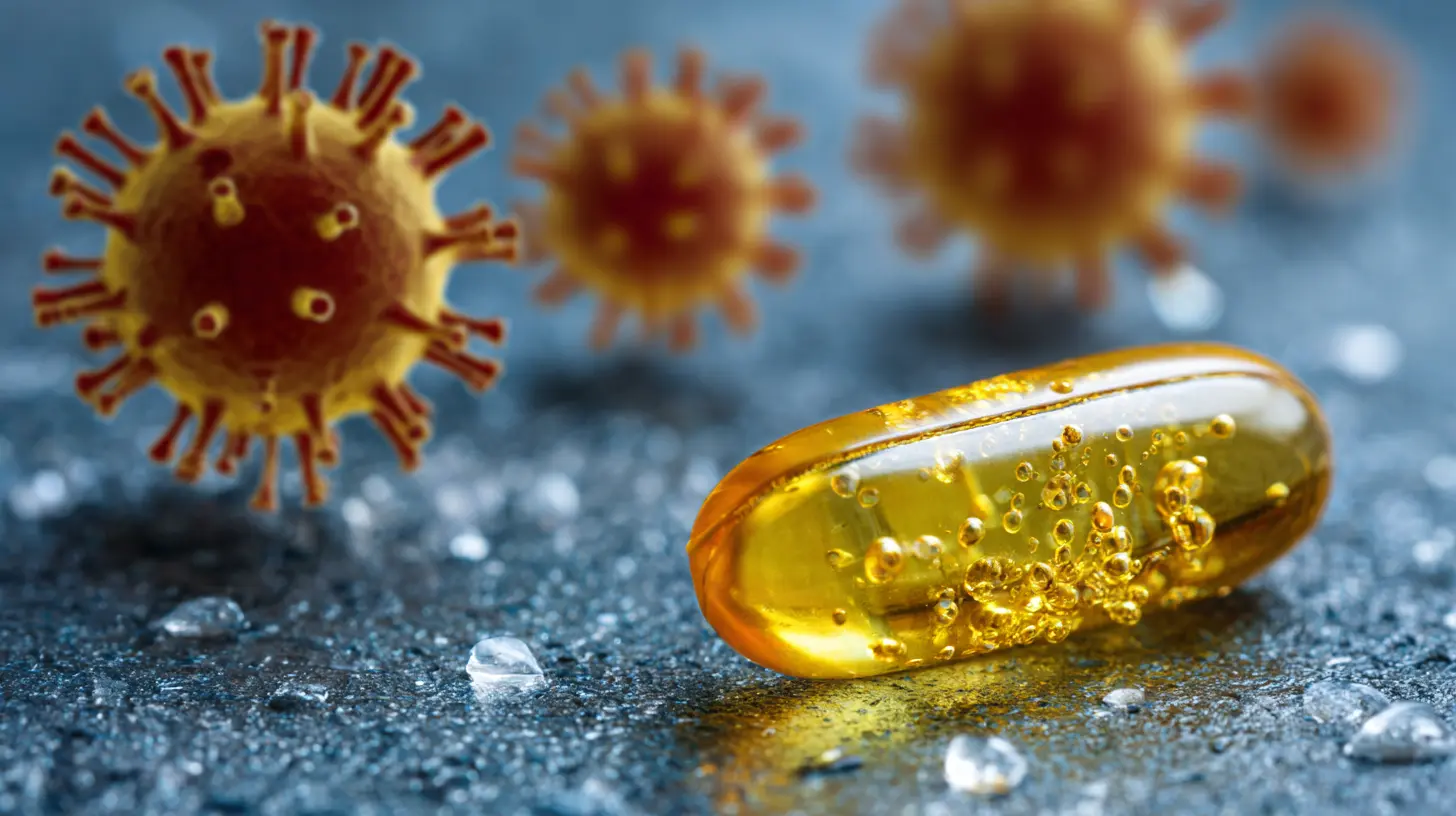
The Link Between Vitamin D Deficiency and Increased Illness
If Vitamin D is so crucial, what happens when you don’t get enough of it? Unfortunately, a deficiency can make you far more susceptible to colds and flu. Here’s why:- Weakened immune defenses – Low Vitamin D levels mean fewer antimicrobial peptides, giving viruses a better chance at multiplying.
- Increased inflammation – Without enough Vitamin D, your body may overreact to infections, leading to more severe symptoms like fever, body aches, and prolonged illness.
- Higher risk of respiratory infections – Studies show that people with Vitamin D deficiency are at a significantly higher risk of developing respiratory issues, including pneumonia and complications from the flu.

Who Is Most at Risk of Vitamin D Deficiency?
Vitamin D deficiency is shockingly common, especially in certain groups of people. If you fall into any of the following categories, you might need to pay extra attention to your Vitamin D intake:- People who live in colder climates – Less sunlight means less natural Vitamin D production.
- Those who work indoors – If you're spending most of your time inside, your skin isn’t making enough Vitamin D.
- Older adults – As we age, our skin becomes less efficient at synthesizing Vitamin D from sunlight.
- People with darker skin – Higher melanin levels reduce Vitamin D absorption from the sun.
- Individuals with obesity – Vitamin D is fat-soluble, meaning excess body fat can absorb and store it, making less available for immune function.
How to Get Enough Vitamin D to Keep Your Immune System Strong
So, what’s the best way to make sure you’re getting enough Vitamin D to keep colds and the flu at bay? Here are a few simple ways to boost your intake:1. Sunlight Exposure
Getting 15–30 minutes of direct sunlight (without sunscreen) on your skin a few times a week can help your body naturally produce Vitamin D. But if you live in a place with long winters or cloudy weather, this might not be enough.2. Vitamin D-Rich Foods
Food sources alone might not provide all the Vitamin D you need, but they can certainly help. Some of the best options include:- Fatty fish like salmon, mackerel, and sardines
- Egg yolks
- Fortified dairy products and plant-based milk
- Beef liver
- Mushrooms exposed to sunlight
3. Vitamin D Supplements
If you’re not getting enough from sunlight and food, a Vitamin D supplement is a great way to ensure your levels stay optimal. Doctors often recommend Vitamin D3 supplements, as they are more effective than Vitamin D2 at raising blood levels.How Much Should You Take?
The recommended daily intake of Vitamin D varies based on age and individual needs:
- Adults: 600–800 IU per day
- Older adults (70+): 800–1,000 IU per day
- People with a deficiency: Up to 4,000 IU per day (consult a doctor before taking high doses)
Can Taking Too Much Vitamin D Be Harmful?
Yes, it’s possible to overdo it. Since Vitamin D is fat-soluble, excess amounts can build up in the body, leading to toxicity. Symptoms of Vitamin D overdose include nausea, vomiting, kidney issues, and dangerously high blood calcium levels. Always follow recommended dosages and consult with a healthcare provider before taking high doses long-term.Final Thoughts
Vitamin D plays a powerful role in keeping colds and the flu at bay. By boosting your immune system, reducing inflammation, and strengthening your respiratory defenses, this essential nutrient can help you stay healthier throughout flu season and beyond.The best part? Keeping your Vitamin D levels up is simple. Get some sunlight, eat the right foods, and consider a supplement if necessary. Your immune system will thank you!
all images in this post were generated using AI tools
Category:
Cold And FluAuthor:

Arthur McKeever
Discussion
rate this article
2 comments
Regina Rios
This article does a great job highlighting the importance of vitamin D in supporting our immune system. I appreciate the practical tips on obtaining sufficient vitamin D, especially during winter months. It's a simple yet effective way to potentially reduce the risk of getting sick. Thanks for sharing!
June 11, 2026 at 2:49 AM
Arthur McKeever
Thanks for your kind words! I'm glad you found the tips helpful. Staying healthy in winter is so important.
Thomas McClintock
This article highlights how adequate Vitamin D levels can enhance immune function, potentially reducing the risk of cold and flu infections during winter months.
May 19, 2026 at 4:16 PM