The Future of Fitness: Trends to Watch in 2026 and Beyond
15 April 2026
Remember when “going to the gym” meant a fluorescent-lit room smelling of sweat and bleach, with a few treadmills and a rack of dumbbells? Yeah, that concept is getting a major software update. The future of fitness isn't just about lifting heavier or running faster; it's about getting smarter, more personalized, and weirdly enough, more integrated into the very fabric of our daily lives. By 2026 and beyond, our approach to health will be so seamlessly woven into technology and psychology that the line between “working out” and “living well” will blur into oblivion. Intrigued? Let’s pull back the curtain.
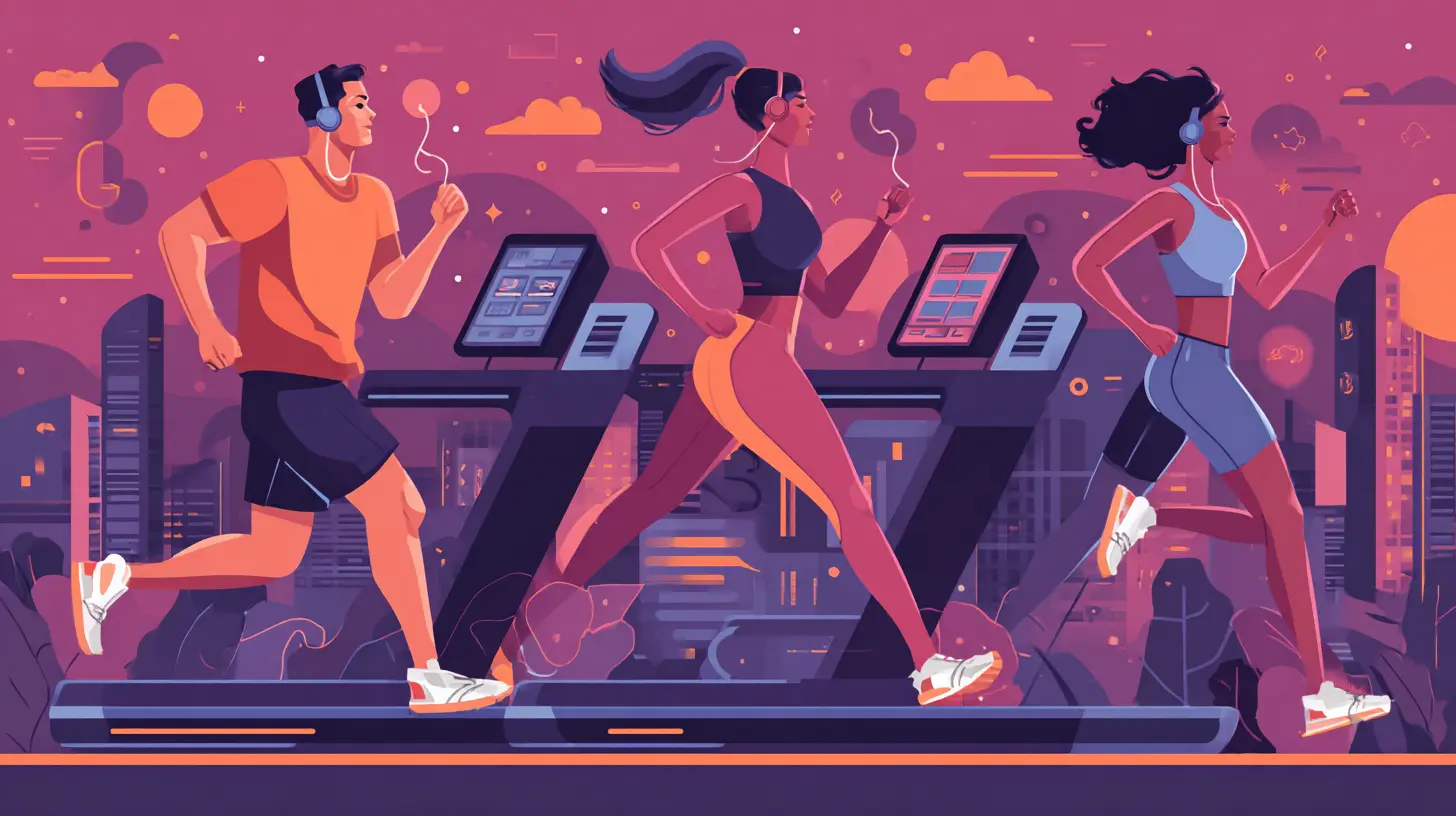
The End of the One-Size-Fits-All Workout: Hyper-Personalization Takes Over
Think about the last generic fitness plan you saw. “Do 3 sets of 10!” it shouts. But who are you? What’s your unique muscle fiber composition, your stress level this morning, how did you sleep, what did you eat, and what are your DNA-based predispositions? The future says, “Enough with the guessing games.”Your Body’s Digital Twin: The Ultimate Fitness Avatar
Imagine creating a perfect digital copy of yourself—a “digital twin.” This isn’t a sci-fi fantasy; it’s the next frontier. By combining data from advanced body scans, genetic testing, continuous blood glucose monitors, and even microbiome analysis, algorithms will build a dynamic model of you. Before you even attempt a new exercise regimen, your digital twin will simulate it. It could predict your risk of injury, forecast your recovery time, and optimize every variable for your biology. It’s like having a crystal ball for your biceps. Why waste months on a program that’s mediocre for you when you can test it virtually in seconds?AI Coaches That Know You Better Than You Know Yourself
Your future coach won’t just count reps. It will be an AI, likely accessed through smart glasses or a seamless earpiece, that analyzes your real-time form, vocal tone (for stress), and facial expressions. It will notice the slight wobble in your knee on the third squat and instantly correct you. It will know that your heart rate is elevated not from exertion but from a stressful work call you just had, and it will adjust your workout intensity accordingly. It’s less of a drill sergeant and more of an intuitive partner that lives in your data cloud. The question shifts from “What workout should I do?” to “What does my body need right now?”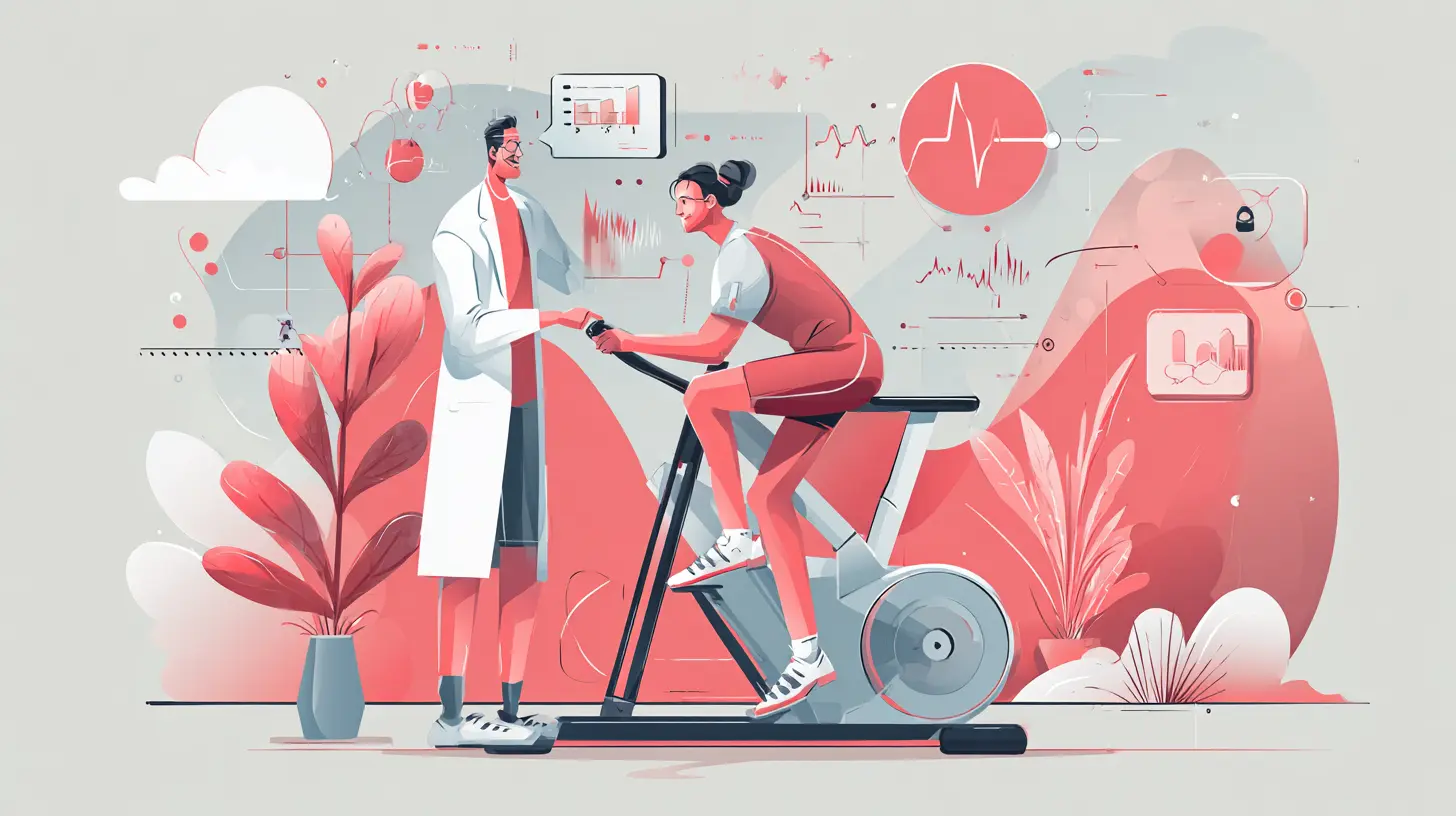
Fitness Dissolves into Life: The Rise of “Invisible Exercise”
The big, sweaty, dedicated “fitness hour” isn’t going extinct, but it’s getting some serious competition from a concept we’re calling “invisible exercise.” The goal? To make movement an unavoidable, delightful part of your day, not a chore you schedule.The Gamified City: Your World as a Playground
Picture your morning walk to the coffee shop. Your augmented reality (AR) glasses overlay a game onto your route. Maybe you’re collecting virtual energy orbs by taking the stairs, or you’re in a gentle competition with neighbors to “claim” streets by walking down them. Your city becomes a live-action RPG. Public transport hubs might have kinetic energy floors that reward you for jumping. This isn’t about replacing the gym; it’s about turning the entire world into a gym that doesn’t feel like one. Why should fun and fitness be separate destinations?Biophilic Design and Active Recovery Integration
Your home and office will nudge you into movement. Furniture won’t just sit there; it will invite activity. Think “desks” that are subtle, slow-moving treadmills or cycling pads. Meeting rooms designed for walking conversations. Floors that encourage barefoot connection for proprioceptive health. Recovery will be built-in: chairs with built-in pneumatic compression for your legs, and lighting systems that sync with your circadian rhythm to optimize sleep and muscle repair. Fitness becomes less about “doing” and more about “being” in an environment designed for a healthy body.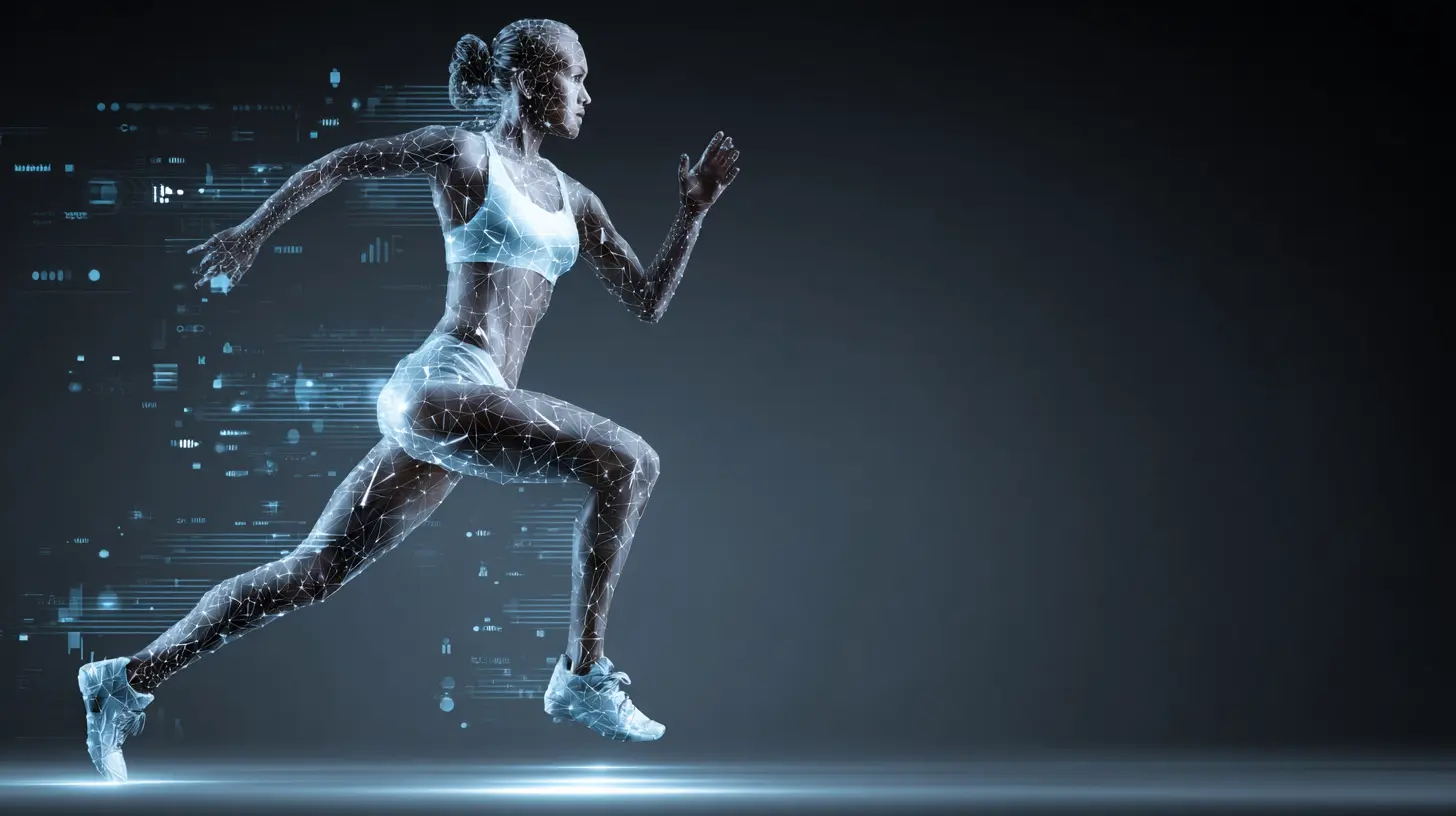
The Mind-Body Meld: Where Mental Fitness Meets Physical Peak Performance
We’ve long paid lip service to the mind-body connection. The future is about hardwiring it. The most significant gains won’t come from a new piece of equipment, but from mastering the space between your ears.Neurofeedback and Flow-State Training
Wearables will evolve from tracking your heart to tracking your brain. EEG-sensing headbands or earpieces will become common, measuring your brainwaves in real time. The ultimate goal? Guiding you into a “flow state”—that magical zone of effortless concentration and peak performance. Your workout app won’t just log your miles; it will log your focus. You’ll do mental cooldowns as diligently as physical stretches. Training your focus and emotional regulation will be seen as foundational as training your core. After all, what’s a strong body with a frazzled, distracted mind?Emotional Fitness and Community 3.0
The isolation of solo screen-based workouts has left us craving real connection. The future will answer with “Community 3.0”—hybrid digital-physical spaces. You might join a virtual reality (VR) group hike through the Alps with friends from three different continents, feeling a true sense of shared presence and scenery. Your biometric data (with permission) could be part of a team goal, creating a new level of empathetic accountability. Fitness platforms will curate connections not just based on location or activity type, but on personality and motivational style. Your workout buddy might be an AI-facilitated perfect match from across the globe.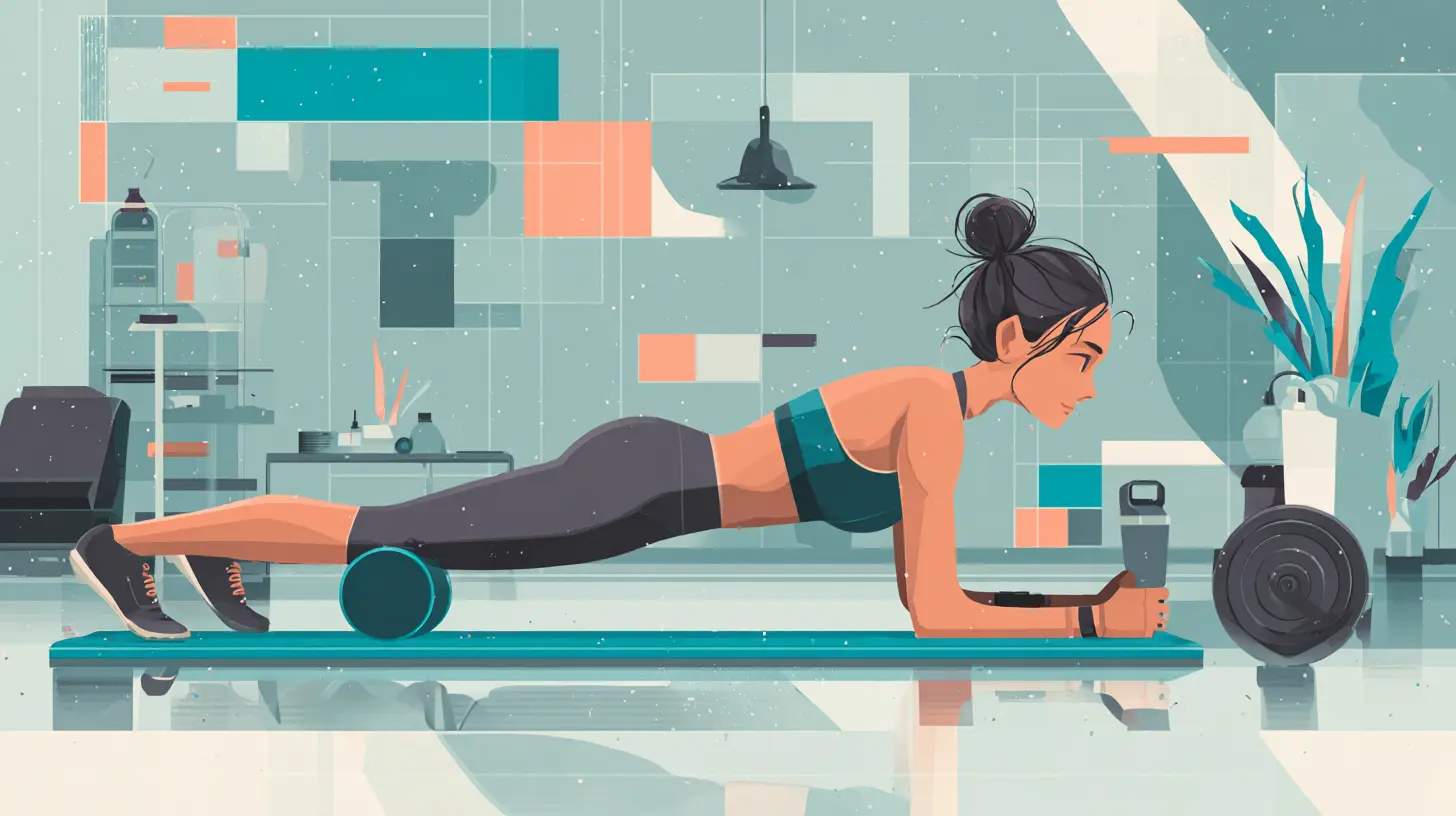
The Tech You’ll Wear (That Won’t Feel Like Tech)
Forget clunky smartwatches you charge every night. The interface is shrinking, becoming more integrated, and in some cases, disappearing entirely.Smart Fabrics and Epidermal Sensors
Your clothes are the sensor. Smart fabrics woven with conductive threads will monitor muscle activation, respiration, and form with precision no wrist-worn device can match. Even more intimate are epidermal sensors—ultra-thin, flexible electronic patches that stick to your skin like a temporary tattoo, monitoring biomarkers like lactate, cortisol, and hydration levels, transmitting data seamlessly. It’s health monitoring that’s literally skin-deep.The Voice-First Interface and Haptic Feedback
Tapping screens mid-workout is a flow-killer. The future is voice-first and touch-responsive. You’ll chat naturally with your AI coach. More powerfully, you’ll receive guidance through haptic feedback—subtle vibrations in your clothing or a wearable belt that nudges you to engage your core, or pulses on your left side to correct your posture. It’s a silent language of tactile cues your body learns instantly, making correction intuitive and immediate.The Sustainability of Self: Eco-Conscious and Longevity-Focused Fitness
Fitness in 2026+ isn’t just about looking good for the summer; it’s about building a sustainable, resilient body for a 100-year life. The ethos is shifting from peak performance to consistent, lifelong function.Planet-Conscious Gear and Circular Economy Gyms
Your choices will reflect a double bottom line: good for you, gentle on the planet. We’ll see a boom in fitness apparel and equipment made from recycled and regenerative materials. Gyms will operate on circular economy principles—equipment will be leased and refurbished, energy will be human-generated and harvested, and recovery zones will use natural, low-impact therapies. Your fitness footprint will matter as much as your foot strike.Longevity as the Ultimate Metric
The vanity metrics (weight, BMI) are being dethroned by longevity biomarkers. Your fitness apps will prioritize and track things like VO2 max (a powerful predictor of lifespan), resting heart rate variability (a marker of nervous system resilience), and muscle quality over mere mass. Workouts will be explicitly designed to improve these biomarkers. The question driving your routine becomes: “Is what I’m doing today adding healthy, functional years to my life?” Fitness becomes the ultimate long-term investment portfolio for your body.So, what’s the through-line here? The future of fitness is contextual, intelligent, and effortless. It’s leaving behind the era of brute-force, disconnected workouts and entering an age of elegant, data-informed harmony between our bodies, our minds, our communities, and our environment. By 2026, the most advanced piece of fitness equipment won’t be a machine in the corner. It will be the ecosystem of invisible technology, personalized insight, and designed environments that empower you to live stronger, longer, and more vitally, every single day. The revolution won’t be televised. It’ll be happening in your clothes, your city, and your mind. Are you ready to plug in?
all images in this post were generated using AI tools
Category:
Physical FitnessAuthor:

Arthur McKeever
Discussion
rate this article
2 comments
Darius Sweeney
Insightful read, thank you!
April 22, 2026 at 2:18 PM
Arthur McKeever
Thank you for your kind words! I'm glad you found it insightful!
Aaron Duke
This article offers valuable insights into the evolving landscape of fitness. As technology and wellness trends intersect, it's crucial to remain adaptable and open-minded. Embracing new methods while prioritizing personal well-being will be key to navigating the future of fitness effectively and sustainably.
April 21, 2026 at 4:29 AM
Arthur McKeever
Thanks for the thoughtful comment! Adapting to change while focusing on well-being is indeed essential as we look toward the future of fitness.