The Mental Health Benefits of Cycling
21 June 2026
Alright, let’s talk bikes and brains.
You already know that cycling can tone your legs and burn off those breakfast donuts, but did you know it's also a total game-changer for your mental health? Yep, it's not just about the physical hustle—hopping on two wheels does absolute wonders for your mind. So buckle up (or helmet up), because we’re about to cruise through the brain-boosting magic of cycling, and trust me—you’ll want to pedal your way to peace after this.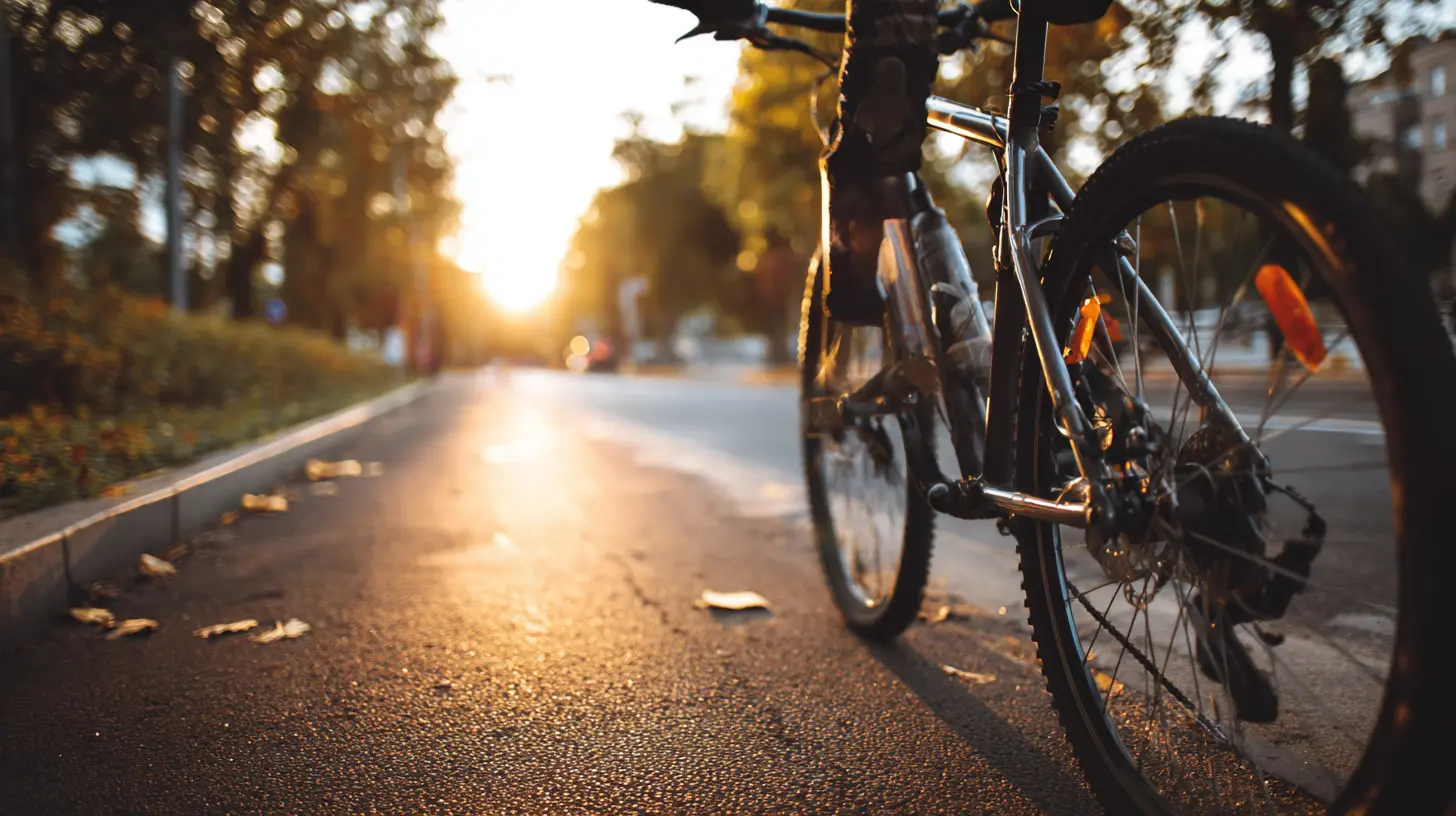
Mental Health Is a Big Freakin’ Deal
Let’s be real. Life is busy, stress is everywhere, and sometimes your brain feels like a browser with 29 tabs open—and a few of them are frozen. Anxiety, depression, burnout, and fatigue are the modern-day monsters we’re all trying to outrun.Here’s the kicker: physical activity, especially cycling, is one of the most underrated ways to fight those demons. No prescription, no couch therapy (unless you want that too)—just some good old-fashioned pedaling.
1. Cycling = Endorphins. Endorphins = Happy You.
You know that feeling when you crush a ride and suddenly feel like you could take on the world? That’s not a coincidence—that’s science.Cycling gets your blood pumping, which floods your brain with feel-good chemicals like endorphins and dopamine. These bad boys are your brain’s natural happy pills, elevating your mood and giving you that glorious post-ride high.
Translation? Say adios to crankiness and hello to cloud-nine confidence. Who needs a pep talk when you can just jump on your bike?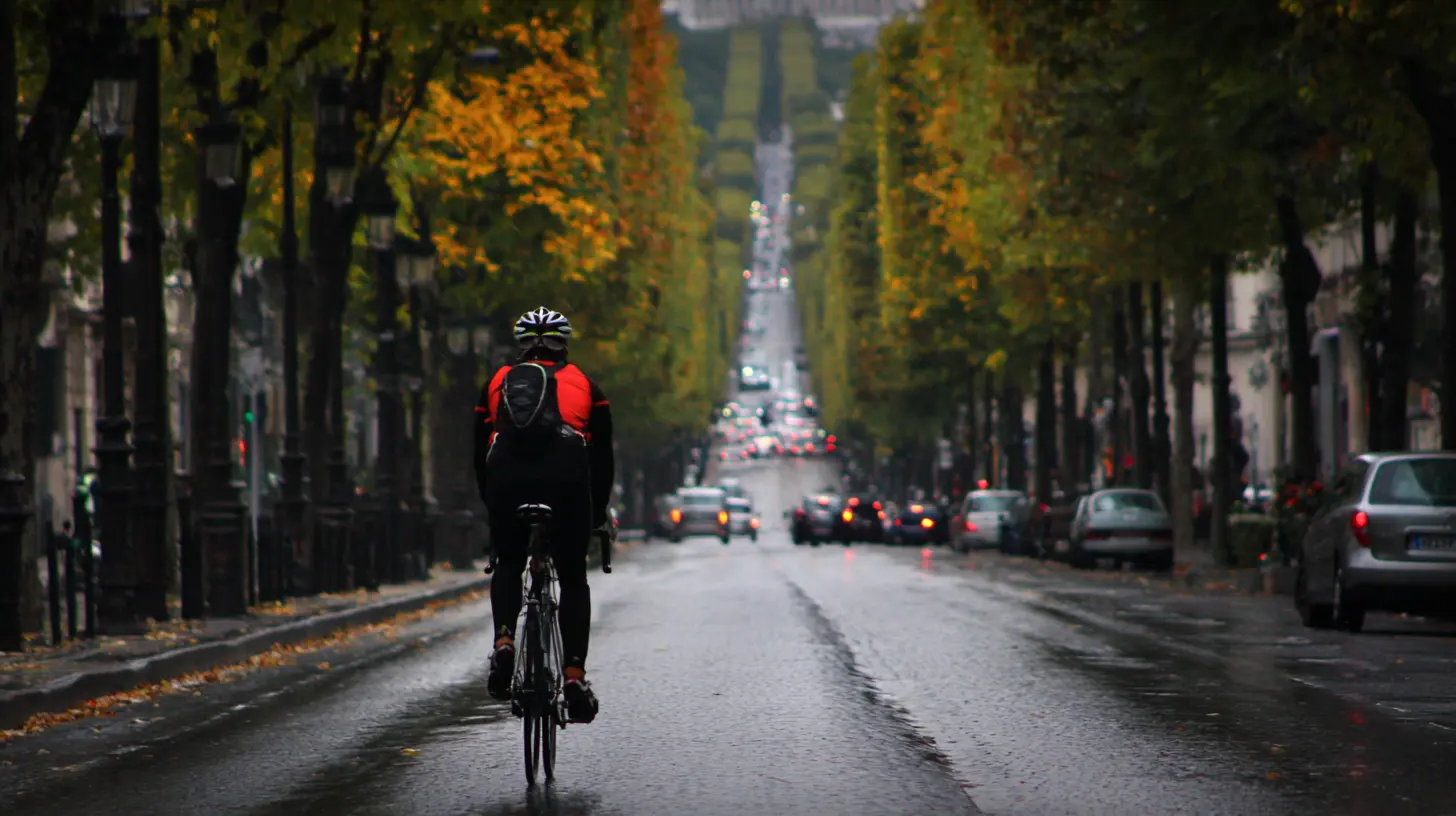
2. Anxiety Can’t Keep Up With You
Picture this: your thoughts are racing, your chest feels tight, and you're spiraling over that awkward text you sent three days ago. Cue the bike.Cycling gives your mind something else to focus on. Whether you’re dodging potholes or enjoying the feel of the wind in your face, cycling forces you to be present. That mindfulness—the ability to ground yourself in the moment—is one of the strongest antidotes to anxiety.
And let’s face it, when your legs are working and your lungs are engaged, your brain doesn’t have the energy to panic over hypothetical disasters. It’s a win-win.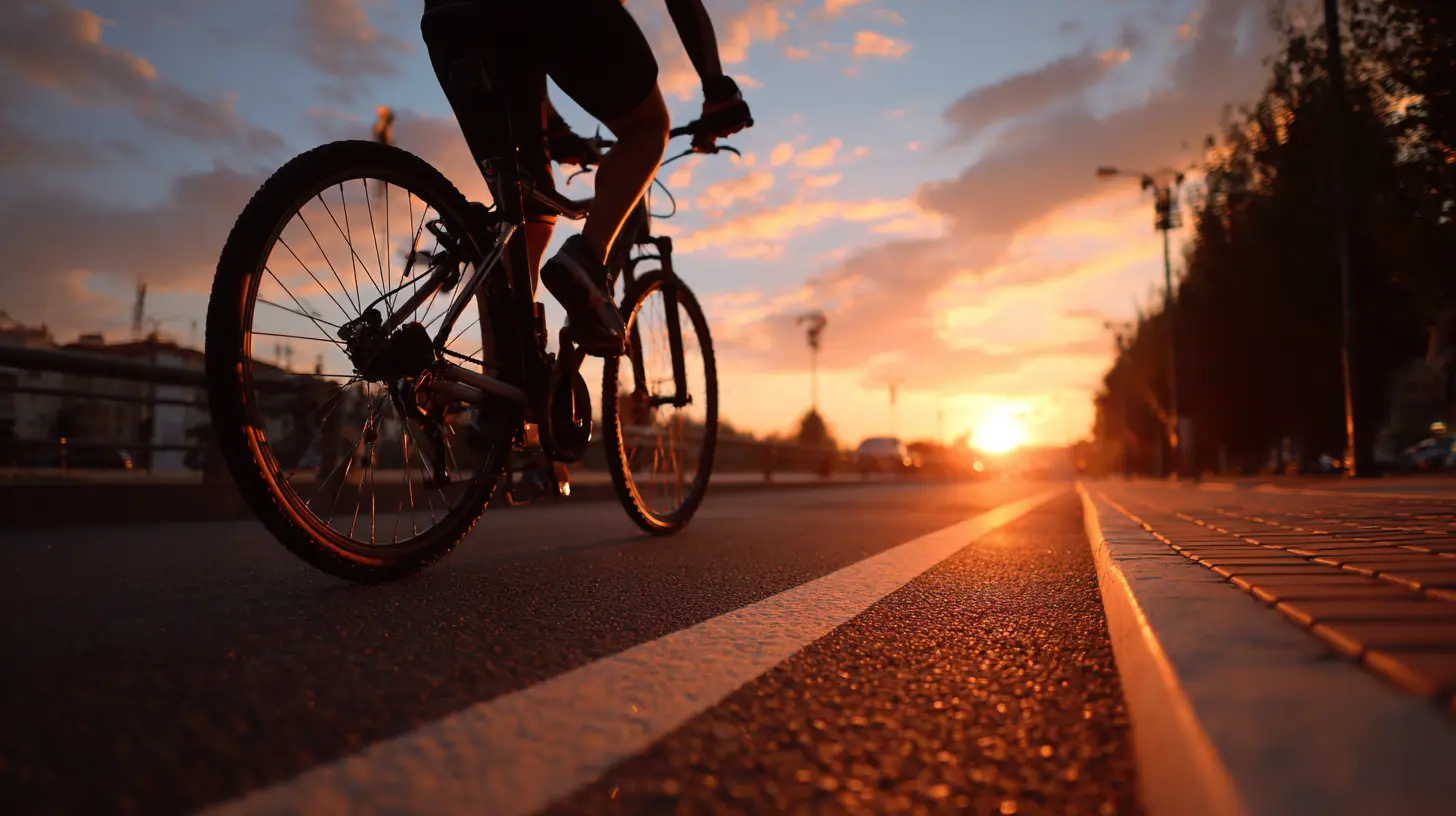
3. Nature Does Wonders for the Soul
Indoor spin classes are fun and all (hello, mood lighting and killer playlists), but nothing beats the mental detox you get from outdoor cycling.Research shows that being in nature lowers cortisol levels (aka your stress hormone), eases anxiety, and boosts your mood. Add cycling into the mix and you've got yourself a powerful mood-boosting cocktail.
Rolling past trees, rivers, and that dog park full of golden retrievers? Instant serotonin boost. It’s like therapy, but cheaper—and you don’t have to cry in front of a stranger (unless you want to, no judgment).
4. Routine Rides Build Resilience
Cycling isn’t just a ride—it’s a ritual. Creating a routine that involves regular movement helps you build structure in your day. And when life feels like it’s falling apart, having that one consistent thing—like your morning cruise or your after-work spin—can make all the difference.Routine = stability. And stability? That’s the anchor your mental health craves when the waves of life start getting rough.
Oh, and hitting those cycling goals (like finally conquering that giant hill or biking five miles without stopping)? That builds confidence, baby! You're not just pedaling—ahem—you’re proving to yourself how strong you really are.
5. It’s A Natural Sleep Aid
Raise your hand if this sounds familiar: you're exhausted, but the minute you lie down, your brain turns into a DJ playing all the worst songs (hello, existential panic and that embarrassing thing you did in 8th grade).Cue cycling. Regular physical activity regulates your sleep cycles, helping you fall asleep faster, stay asleep longer, and wake up feeling like less of a zombie.
Cycling especially helps reduce levels of insomnia and restless sleep—because once your body’s worked up a sweat, your nervous system chills the heck out. Better sleep equals better mood. It’s that simple, folks.
6. Social Rides = Social Connection
Sure, solo rides are peaceful and empowering—but group rides? That’s where the social magic happens.Joining a cycling group or even just riding with a friend can combat feelings of loneliness or isolation, which are massive contributors to poor mental health. Plus, sweaty high-fives and mid-ride snack breaks? Instant mood-lifters.
Humans are wired for connection. And cycling is a sneaky, feel-good way to get that connection without awkward small talk or forced hanging out. You’re bonding through movement, and that’s a whole different level of awesome.
7. Mindfulness on Two Wheels
Let’s talk about flow state—you know, that sweet mental zone where you lose track of time and just exist. Cycling is one of the best ways to tap into that.Whether it's the rhythm of your pedal strokes or the wind brushing your face, cycling has a meditative quality. It pulls you into the moment, quieting the mental chatter and giving you a break from overthinking.
If meditation makes you feel fidgety, try cycling. It’s moving meditation—and your brain will thank you.
8. Depression, Meet Your Match
Depression likes to drain your energy and make everything feel pointless. It's hard to move, hard to care, and hard to remember what joy feels like.Cycling reintroduces movement into your life in a way that doesn’t feel like a chore. It’s low-impact, low-stress, and can be adapted to your pace. No pressure to go fast or look fit—you just start where you are.
And as your body starts releasing those mental health-supporting chemicals, your brain gets a gentle reminder: “Hey, maybe today isn’t so bad after all.”
9. You’re In Control (Which Feels Amazing)
When everything else in life feels chaotic—bills, jobs, relationships—the one thing you can control is your ride.You pick the route. You choose the speed. You decide how far and how long.
That sense of autonomy is empowering. It gives you back some control in a world that often feels like it’s spinning way too fast. And sometimes, knowing you took charge of something—even just a bike ride—is enough to flip the script on your whole day.
10. Boosted Brainpower, Baby
Here’s the nerdy part (but it’s cool, I promise): cycling actually improves your cognitive function. Regular cardio helps grow your hippocampus, the part of the brain responsible for memory and emotional regulation.Translation? You start thinking clearer, making better decisions, and processing emotions more effectively. So the next time someone asks why you’re in such a good mood after biking, just tell them your brain is literally leveling up.
But Wait… What If I Hate Exercise?
Girl, same. Not everyone loves the gym. Not everyone wants to suffer through burpees or expensive fitness trends. But cycling? It doesn’t have to suck.You can go slow. You can ride to the coffee shop. You can make it chill and enjoyable instead of punishing. This is about mental health, not becoming a Tour de France champion (unless that’s your jam—then pedal on, legend).
The point? Movement doesn’t have to be miserable. Find your pace, find your joy, and let cycling work its mental magic.
Tips to Make the Most of Your Mental Health Ride
Alright, if you’re sold on the idea (and why wouldn’t you be?), here are a few practical ways to supercharge the mental health benefits of your cycling sessions:- Ride in the morning – Starting your day with a boost of endorphins sets a positive tone for the rest of the day.
- Leave the headphones at home – Sometimes silence and nature are the best therapy.
- Try new routes – Variety keeps your mind engaged and curious.
- Set small goals – Whether it’s time-based or distance-based, having something to work towards keeps you motivated.
- Celebrate progress – Your ride counts. Your effort matters. Give yourself props.
Final Thoughts: Pedal the Blues Away
Cycling isn't just a way to get fit—it's a full-blown therapy session on wheels. From lowering stress and anxiety to improving sleep, mood, and mental clarity, it's a powerhouse form of movement that your brain desperately wants you to try.So the next time life feels overwhelming and your mind won't shut up? Grab your bike, hit the road, and let your thoughts melt into the rhythm. Sometimes, healing looks like pedaling into a sunset with nothing but wind in your hair and freedom in your soul.
Because honestly? Happiness might just be a bike ride away.
all images in this post were generated using AI tools
Category:
Cycling FitnessAuthor:

Arthur McKeever
Discussion
rate this article
1 comments
Ryder Simmons
Great insights on cycling! It's amazing how biking can boost both mood and well-being.
June 22, 2026 at 3:39 AM