The Role of Antioxidants in Disease Prevention
2 January 2026
Alright, let’s dive straight into the sparkly world of antioxidants, where molecules act like overachieving hall monitors for your body. These guys are constantly working overtime, avoiding drama (a.k.a. oxidative stress), and keeping disease-causing troublemakers in check. Sound heroic? That’s because it kind of is.
But before you imagine antioxidants as tiny superheroes flying through your bloodstream in spandex, let’s actually get into what they do, why they matter, and whether you need to be gulping down expensive berry smoothies like they're going out of style.
What Exactly Are Antioxidants? (And Why Should We Care?)
Picture this: Your body is basically a party. But not just any party — it’s the kind where someone always starts a fire in the backyard. That someone? Free radicals. These unstable molecules are like the drunk cousin at the BBQ who knocks over the grill. They’re produced naturally when your body processes food, breathes air, or gets exposed to delightful things like pollution, radiation, or stress (aka being a modern human).Enter antioxidants — the event security of your body. Their job? Neutralize free radicals so they don’t torch the place. Without antioxidants? Well, let’s just say your cells would be looking like a weekend at Burning Man — chaotic and riddled with damage.
Free Radicals: The Drama Queens of the Cellular World
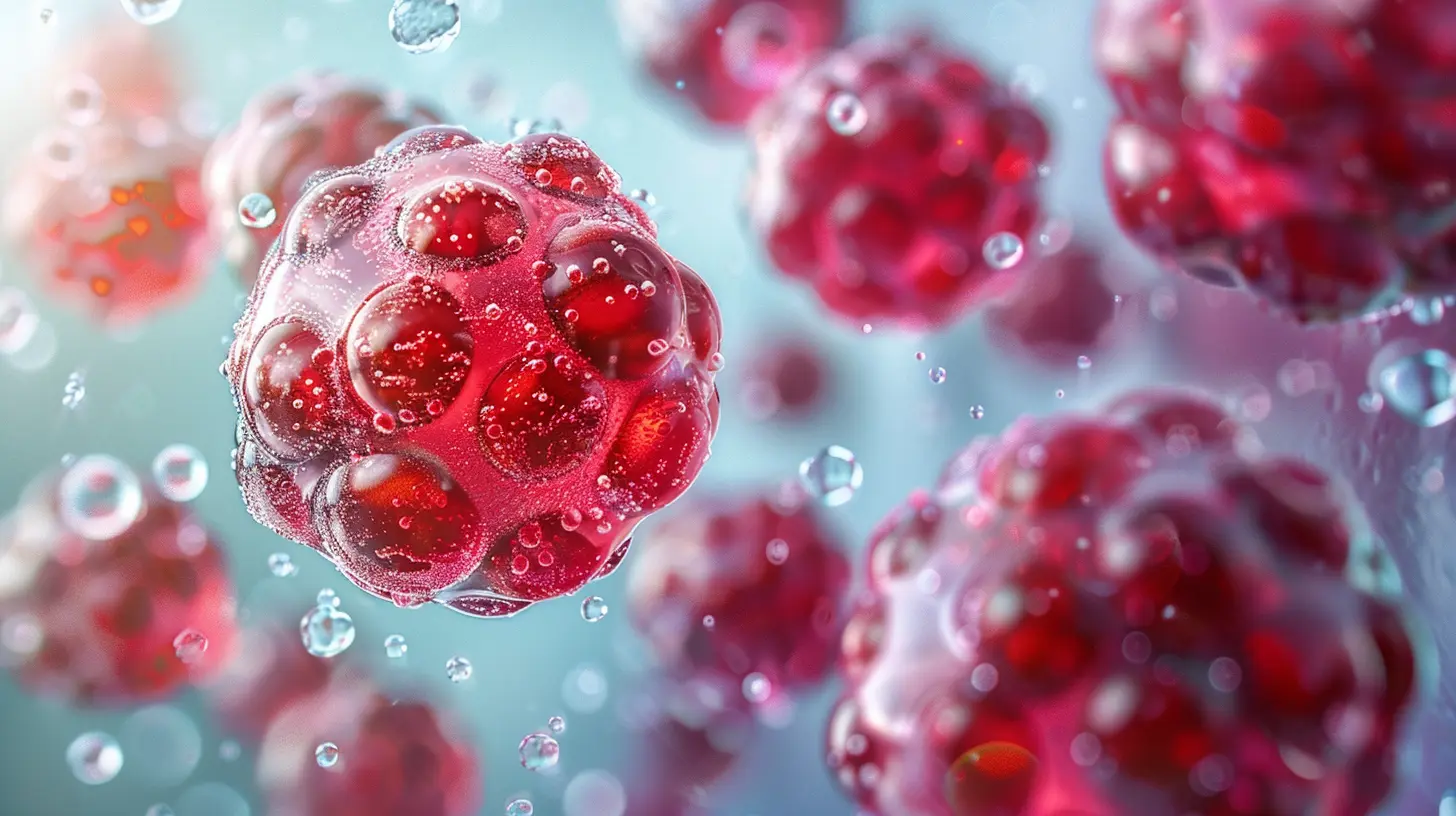
Let’s talk a quick chemistry moment (don’t worry, we’ll keep it snappy). Free radicals are molecules with unpaired electrons. And because electrons love being in pairs — like rom-com characters — free radicals go around stealing electrons from other molecules, turning them into villains too. It’s a vicious cellular soap opera.This destructive cascade is known as oxidative stress. Left unchecked, it damages DNA, proteins, and cell membranes. That, my friend, is the root of several chronic diseases (oh joy).

How Antioxidants Save the Day (One Cell at a Time)
Instead of letting free radicals play Grand Theft Auto inside your body, antioxidants basically step in and yell, “NOPE.” They donate electrons to stabilize free radicals without becoming unstable themselves. It's the ultimate act of molecular selflessness. Truly Nobel-prize-worthy stuff, except, you know — they don’t actually get prizes. Shame.Here’s what antioxidants potentially help prevent:
- Cancer: Oxidative damage to DNA = mutations = cancer. Antioxidants help reduce that risk.
- Heart Disease: Antioxidants may prevent LDL cholesterol (aka the junk kind) from oxidizing and sticking to artery walls.
- Alzheimer’s: Brain cells are party central for free radical drama. Antioxidants = peacekeepers.
- Type 2 Diabetes: Oxidative stress has been linked to insulin resistance.
- Inflammation: Chronic inflammation is tied to nearly every “it” disease; antioxidants help reduce this bad boy.
Basically, antioxidants are the underpaid interns keeping your bodily systems from imploding.
Where Do You Get Antioxidants? Spoiler: Not Just in Skincare
Ah yes, the beauty industry loves to slap “antioxidants” on every serum and lotion. But if you think smearing green tea extract on your face is gonna prevent chronic disease, well… cute idea, but let’s talk ingestion.Your Antioxidant Dream Team Includes:
- Vitamin C: This one’s probably already in your medicine cabinet (hello, orange-flavored chewables). Found in citrus, strawberries, bell peppers.- Vitamin E: Plays nice with fatty tissues. Found in nuts, seeds, and vegetable oils.
- Beta-Carotene: Your skin’s favorite. Found in carrots, sweet potatoes, and pumpkin (yes, the latte too).
- Selenium: A mineral with a superhero cape. Brazil nuts are the MVP here — just one a day does the trick.
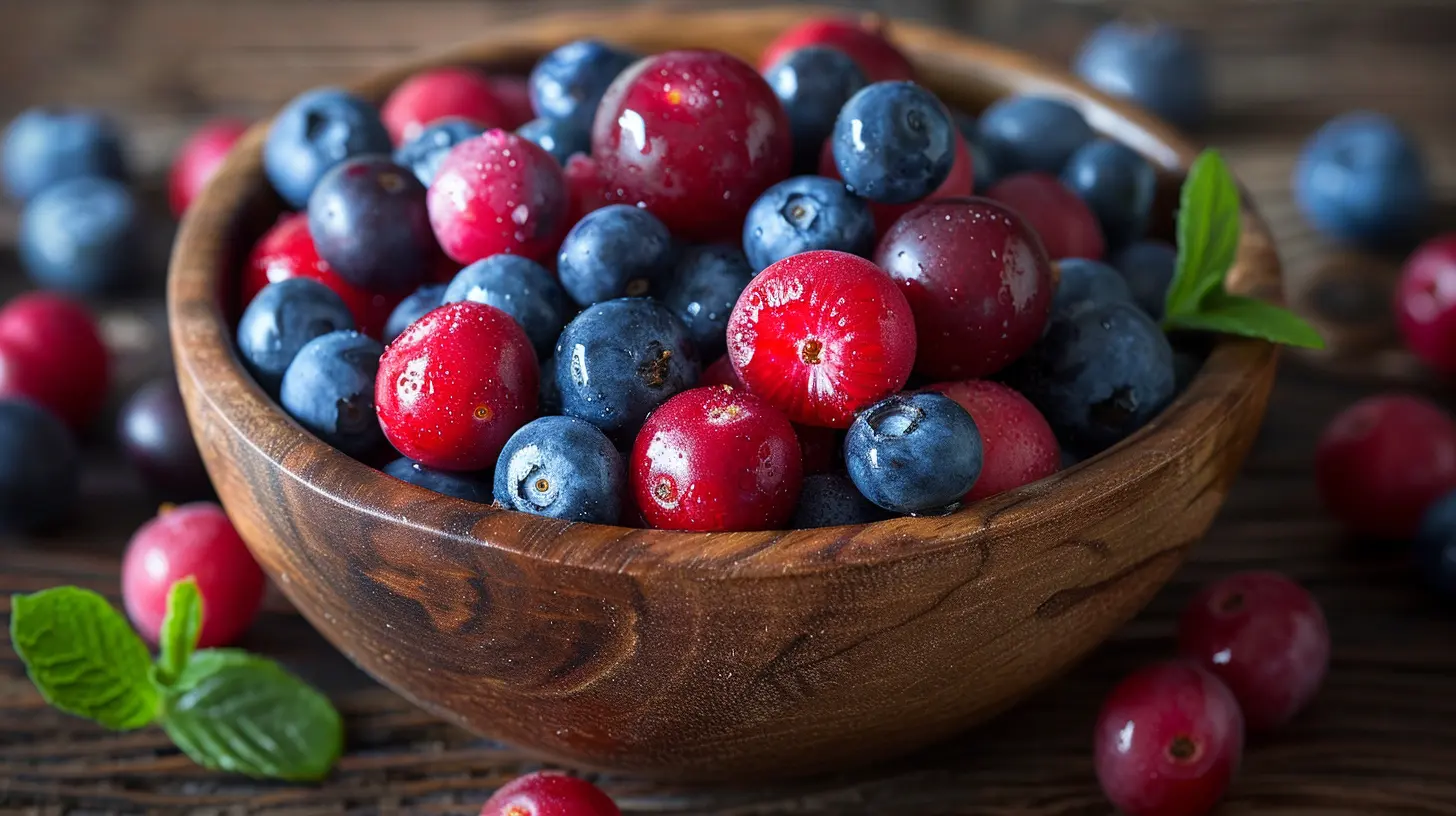
- Flavonoids & Polyphenols: Fancy words for plant compounds found in tea, coffee, red wine, chocolate, and berries. Yes, science says you can eat chocolate. You're welcome.
So yeah, fruits and veggies are basically antioxidant treasure chests. You knew this was coming. But let’s be honest — if antioxidants were found in nachos, we wouldn’t even be having this conversation, right?
Does More Antioxidants Mean More Protection? (Spoiler: Nope)
Now, this is where the wellness industry tries to pull a fast one. “If antioxidants are good, then mega-doses must be better, right?” Wrong-o.Here’s the catch: your body is kind of Goldilocks about everything. Just the right amount = good. Too much? Welcome to the land of side effects. High doses of antioxidant supplements like Vitamin E and Beta-Carotene have actually been linked to — wait for it — increased risk of disease in some studies. Yeah, plot twist.
Over-supplementation can mess with the natural balance of your body’s redox system (science speak for how your body handles detox and stress). Basically, don’t try to outsmart nature, okay? Just eat your veggies and chill.
Nature Knows Best (Because, Duh)
It turns out, food-based antioxidants come with fiber, water, and other nutrients that make the whole “disease prevention” thing work better. Pop a pill, and you’re missing the entourage. Plus, supplements aren’t regulated as strictly as you’d think. So that $40 bottle of “super mega miracle antioxidant blend”? Could be literal nonsense.Antioxidants vs. Aging: The Eternal Battle
Okay, let’s talk wrinkles. Because let’s face it — part of why antioxidants get so much attention is because we all want to live forever... or at least keep our face looking like it did before student loans and Monday morning meetings.Oxidative stress accelerates aging. That’s a fact. Antioxidants slow it down. Also a fact. So yes, eat your blueberries, load up on spinach, and chug that green tea like you’re auditioning for a Zen commercial. But remember: aging is inevitable. Antioxidants won’t make you immortal — they’ll just help you age more gracefully (and maybe with fewer creaky joints).
The Gut Connection: Antioxidants Meet Microbiome
Bet you didn’t see this one coming. Your gut microbiome — that bustling microbial metropolis in your intestines — also loves antioxidants. Polyphenols, especially, act like fuel for good bacteria. They help reduce inflammation, improve digestion, and maybe even improve your mood (because yes, your gut talks to your brain — they’re basically texting 24/7).So if you needed another reason to eat more plants and less beige processed junk, there you go.
Top 10 Antioxidant-Packed Foods To Start Cramming Into Your Life
Because you’re probably wondering where to get your daily dose of superhero molecules, here’s a cheat sheet:1. Blueberries – The official fruit of healthy Instagram feeds.
2. Spinach – Popeye was ahead of his time.
3. Dark Chocolate – 70% cocoa or higher (sorry, milk chocolate doesn’t count).
4. Nuts (especially walnuts and Brazil nuts) – Nature’s portable snack bar.
5. Artichokes – Weird-looking, but packing serious antioxidant content.
6. Raspberries – Tiny, tart, and ready to tango with free radicals.
7. Red Cabbage – Basically purple lettuce with a PhD in defense.
8. Green Tea – Zen in a cup and loaded with EGCG (a super potent antioxidant).
9. Beans – Affordable, versatile, and loaded with flavonoids.
10. Coffee – Your morning ritual might also be fighting disease. High five.
So... Should You Be Obsessed with Antioxidants?
Look, you don’t need to turn your life into an antioxidant scavenger hunt. Just eat a variety of colorful whole foods, go easy on the processed junk, take a walk outside (you know, because movement helps too), and you’re already doing better than 90% of people at the drive-thru.Antioxidants aren’t magical. They’re nutritional sidekicks that work best when you give them a supportive environment. Think of your body like a band — antioxidants are the drummer. Not the lead singer (that’s probably your heart), but without the drummer? Chaos.
TL;DR (Too Long; Didn't Read)
- Antioxidants are molecules that stop free radicals from damaging your cells.- Free radicals = uninvited party crashers that cause diseases and aging.
- Real, whole foods (mostly plants) are the best sources of antioxidants.
- Supplements? Sometimes useful, but easy to overdo and not a cure-all.
- A balanced, colorful diet does way more than any “detox juice cleanse” ever will.
- Antioxidants won’t make you immortal, but they will help keep your body from falling apart prematurely.
So go ahead, toss some berries on your oatmeal, sprinkle spinach in your smoothie, and raise that cup of green tea like you’re toasting to a healthier, sassier, more antioxidant-powered you.
all images in this post were generated using AI tools
Category:
Healthy EatingAuthor:

Arthur McKeever
Discussion
rate this article
2 comments
Ximena Underwood
This article succinctly highlights the crucial role antioxidants play in disease prevention. By combating oxidative stress, they help protect our cells and reduce the risk of chronic illnesses. Incorporating antioxidant-rich foods into our diets is a simple yet effective way to bolster overall health and wellbeing. Great insights!
January 18, 2026 at 5:58 AM
Arthur McKeever
Thank you for your thoughtful comment! I'm glad you found the insights on antioxidants and their health benefits helpful.
Karina McGuffin
This article effectively highlights antioxidants' crucial role in disease prevention by combating oxidative stress. However, it would be beneficial to emphasize the importance of a balanced diet over supplements, as whole foods provide synergistic benefits. Further exploration of specific antioxidants and their mechanisms could enhance understanding of their impact on health.
January 6, 2026 at 5:42 AM
Arthur McKeever
Thank you for your insightful feedback! I agree that emphasizing a balanced diet and the benefits of whole foods is important, as well as exploring specific antioxidants and their mechanisms. I will consider these points for future revisions.