The Health Benefits of Vitamin B5 for Stress Relief
10 March 2026
Introduction
Feeling stressed out? You're not alone. With the constant pressures of daily life, stress has become a normal (but unhealthy) part of our routines. The good news? Your diet might hold the key to better stress management. One nutrient that doesn't always get the spotlight but plays a crucial role in stress relief is Vitamin B5.
Also known as pantothenic acid, Vitamin B5 is essential for overall well-being, but its role in tackling stress is what truly makes it a game-changer. Let's dive into how this underrated vitamin can help you stay calm, energized, and balanced.

What Is Vitamin B5?
Vitamin B5 is a water-soluble B vitamin that's essential for producing energy and maintaining overall health. It plays a key role in converting food into energy and synthesizing coenzyme A (CoA), which helps break down fatty acids.But the most exciting part? Vitamin B5 significantly impacts how our body responds to stress by supporting the adrenal glands—the tiny but mighty organs responsible for producing stress hormones like cortisol.

How Vitamin B5 Helps with Stress Relief
1. Supports the Adrenal Glands
Your adrenal glands work overtime when you're stressed, producing cortisol (often called the "stress hormone"). While cortisol is necessary for survival, too much of it can leave you feeling exhausted, anxious, and even contribute to weight gain.Vitamin B5 nourishes the adrenal glands, ensuring they function properly without becoming overworked. A well-supported adrenal system means better stress management, improved energy levels, and more emotional stability.
2. Balances Cortisol Levels
Ever feel wired yet tired at the same time? That’s likely due to cortisol imbalance. When your body produces too much cortisol, your energy spikes and crashes, leading to irritability and fatigue.Vitamin B5 helps regulate cortisol, keeping it in check so your stress levels don’t spiral out of control. This means fewer mood swings, better focus, and improved overall well-being.
3. Increases Energy & Reduces Fatigue
Chronic stress can deplete your energy stores, leaving you feeling drained. Since Vitamin B5 plays a key role in energy metabolism, it helps convert food into usable energy, preventing burnout and fatigue.Think of it as premium fuel for your body—giving you the stamina to tackle daily stressors without feeling exhausted by noon.
4. Boosts Mental Clarity & Focus
Ever notice how stress fogs up your brain? Whether it's trouble concentrating, forgetfulness, or decision fatigue, stress can significantly impact mental clarity.Vitamin B5 supports brain function by helping synthesize neurotransmitters like acetylcholine, which are crucial for focus, memory, and cognitive performance. So, if you’ve been struggling with brain fog, adding more Vitamin B5 to your diet might just be the solution.
5. Enhances Mood & Reduces Anxiety
Stress and anxiety often go hand in hand. Since Vitamin B5 plays a role in producing stress-regulating hormones, it can naturally help reduce anxiety and promote a sense of calm.A well-balanced nervous system means fewer panic moments and more emotional resilience—who wouldn’t want that?

Best Food Sources of Vitamin B5
If you want to reap the stress-relieving benefits of Vitamin B5, adding more of these foods to your diet is a great place to start:- Animal-Based Sources: Chicken, turkey, beef liver, eggs, dairy products, and fish
- Plant-Based Sources: Avocados, mushrooms, sweet potatoes, whole grains, lentils, and broccoli
- Nuts & Seeds: Sunflower seeds, peanuts, and cashews
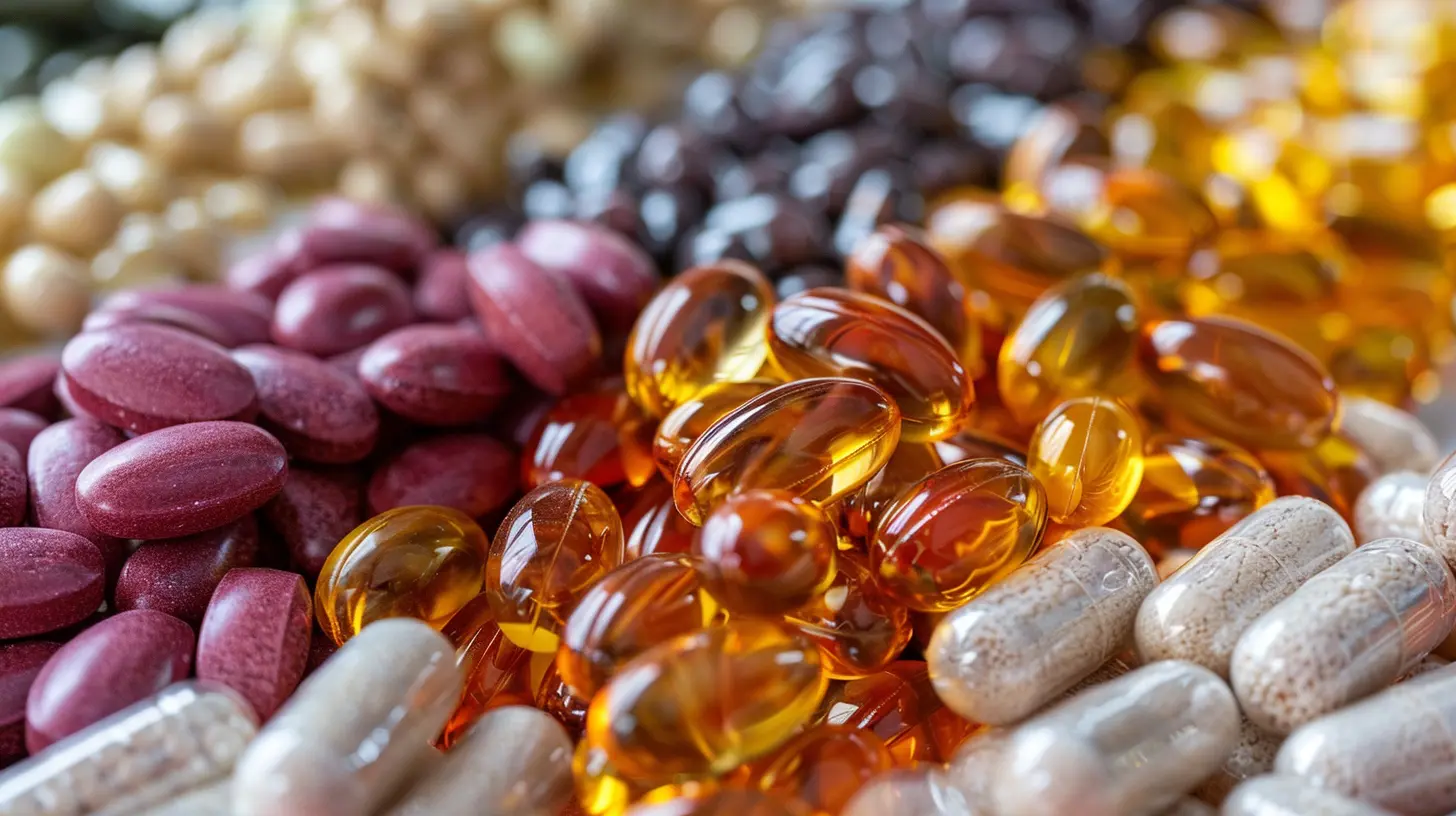
Vitamin B5 is widely available in various foods, but if you're not getting enough from your diet, supplements can be an option too. Always consult a healthcare professional before starting any new supplement regimen.
Can You Be Deficient in Vitamin B5?
Vitamin B5 deficiency is rare, but when it happens, it can lead to:- Chronic fatigue
- Irritability and mood swings
- Insomnia or poor sleep quality
- Brain fog and lack of concentration
- Tingling or numbness in hands and feet
Since this vitamin is present in many foods, a balanced diet usually provides enough. However, people under chronic stress, those with poor diets, or individuals with certain health conditions may need a little boost.
How Much Vitamin B5 Do You Need?
According to the National Institutes of Health (NIH), the recommended daily intake of Vitamin B5 for adults is 5 mg per day. Pregnant and breastfeeding women may require slightly more.While there’s no established upper limit for Vitamin B5, excessive intake from supplements may cause mild side effects like digestive discomfort or diarrhea.
Vitamin B5 Supplements: Should You Take Them?
If you struggle to get enough Vitamin B5 from food alone, supplements can help bridge the gap. They come in various forms, including:- Standalone pantothenic acid capsules
- B-complex supplements (which include all B vitamins)
- Multivitamins with Vitamin B5
Always choose high-quality, third-party tested supplements and follow the dosage recommended by your healthcare provider.
Other Ways to Manage Stress Naturally
While Vitamin B5 is a great tool for stress relief, combining it with other practices can enhance its effects. Here are some additional ways to manage stress naturally:- Regular Exercise – Helps reduce cortisol and boost endorphins
- Mindfulness & Meditation – Lowers stress and improves emotional resilience
- Quality Sleep – Essential for recovery and balanced hormone levels
- Balanced Diet – Eating whole, nutrient-dense foods can improve mood and energy
Conclusion
Vitamin B5 isn’t just another nutrient—it’s a powerful ally for stress relief. From supporting adrenal glands to balancing cortisol levels, this essential vitamin plays a crucial role in keeping you calm, focused, and energized.If stress is taking a toll on you, consider adding more B5-rich foods to your diet or discussing supplements with your healthcare provider. Because when it comes to managing stress, every little bit helps!
all images in this post were generated using AI tools
Category:
VitaminsAuthor:

Arthur McKeever
Discussion
rate this article
2 comments
Hunter McLaury
Vitamin B5: Stress relief’s secret superhero in disguise!
March 15, 2026 at 3:34 AM
Arthur McKeever
Absolutely! Vitamin B5 plays a crucial role in stress management by supporting adrenal function and energy production. It's a key player in maintaining balance during stressful times!
Elizabeth Martin
Great insight! Vitamin B5 sounds like a fantastic way to manage stress naturally.
March 12, 2026 at 5:25 AM
Arthur McKeever
Thank you! I'm glad you found the information helpful. Vitamin B5 can indeed play a valuable role in stress management!