How to Balance Fats and Protein on a Low Carb Diet
9 May 2026
Introduction
So, you've decided to go low-carb? That's awesome! But here's the thing—cutting carbs alone isn’t enough. You need to get the right balance of fats and proteins to truly reap the benefits. Otherwise, you might find yourself feeling sluggish, constantly hungry, or even stuck in a weight-loss plateau.
The trick is to fuel your body with the right proportions of fats and protein while keeping carbohydrates low. But how do you strike that perfect balance? Let’s break it down.
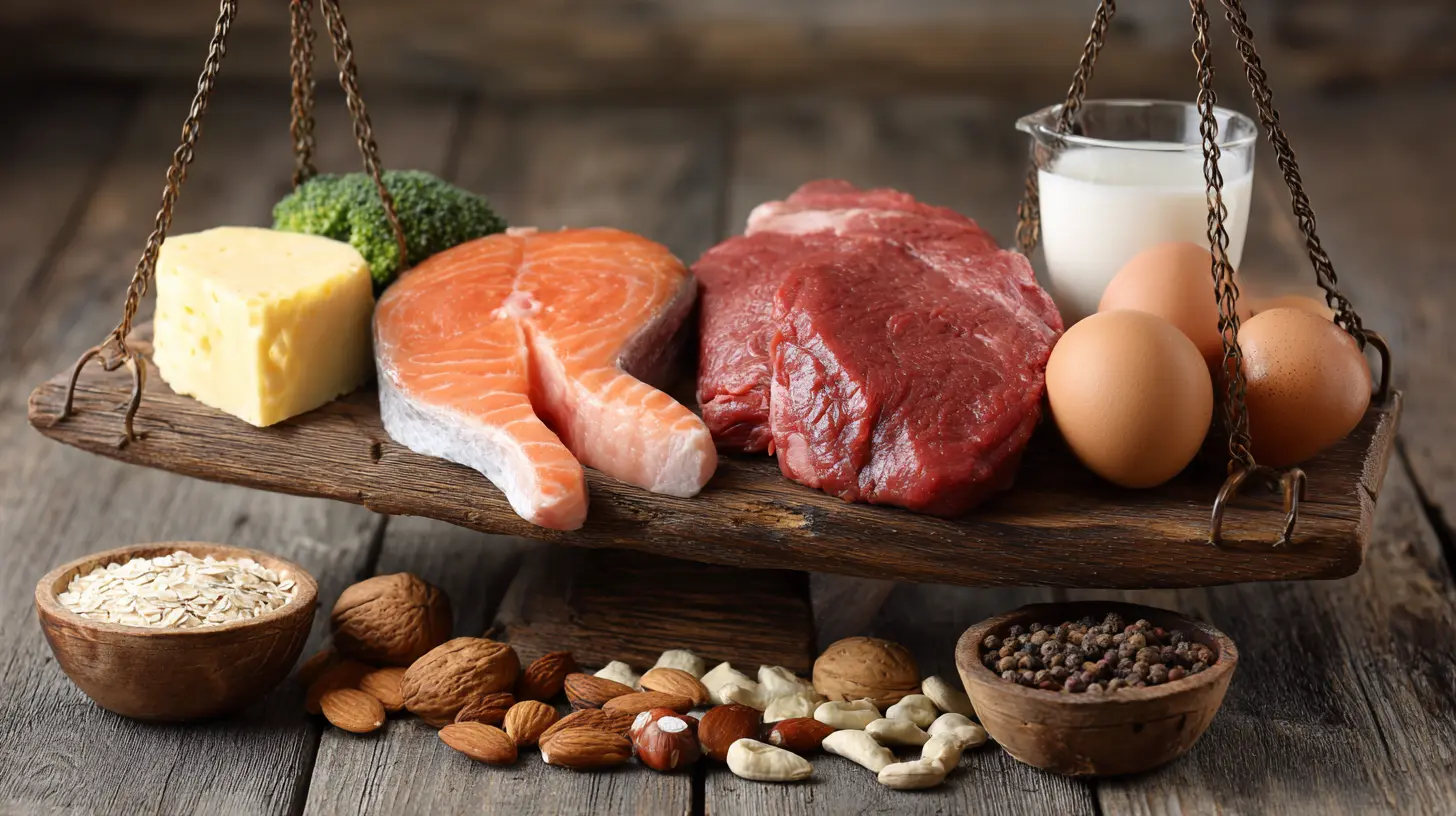
Why Balancing Fats and Protein Matters
A low-carb diet is heavily dependent on two macronutrients: fats and proteins. But eating too much protein can kick you out of ketosis (if that’s your goal), while eating too much fat without keeping an eye on calories can halt weight loss.Here’s why balance is key:
- Fats provide sustained energy – They keep you full longer and help your body shift from burning carbs to burning fat for fuel.
- Protein is essential for muscle maintenance – Your body needs protein to repair tissues, maintain muscle mass, and support overall health.
- Too much protein can be converted into glucose – Your body can turn excess protein into sugar through a process called gluconeogenesis, which may interfere with ketosis.
So, instead of overloading on one while neglecting the other, let’s figure out how to strike the right balance.
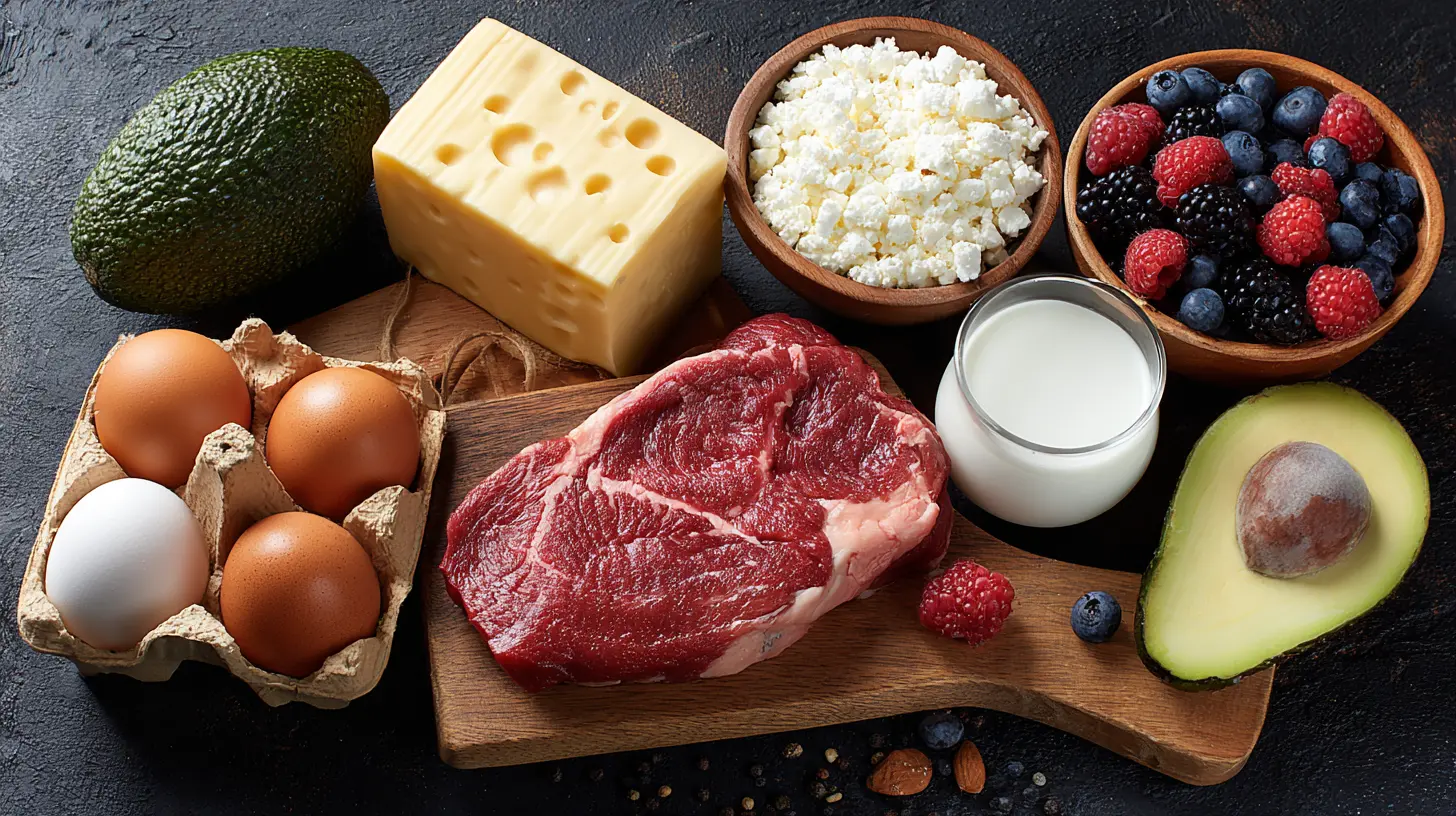
How Much Protein Do You Need?
Protein is crucial, but too much of it can have unintended effects. The ideal protein intake depends on several factors, including your weight, activity level, and overall goals.General Protein Guidelines
- Sedentary individuals: 0.6–0.8 grams of protein per pound of lean body mass- Active individuals: 0.8–1.2 grams of protein per pound of lean body mass
- Bodybuilders or athletes: 1.2–1.5 grams of protein per pound of lean body mass
For example, if you weigh 150 lbs with a lean mass of 120 lbs, aiming for around 90–100 grams of protein daily is a good target. This will ensure you maintain muscle while keeping excess protein conversion to glucose in check.
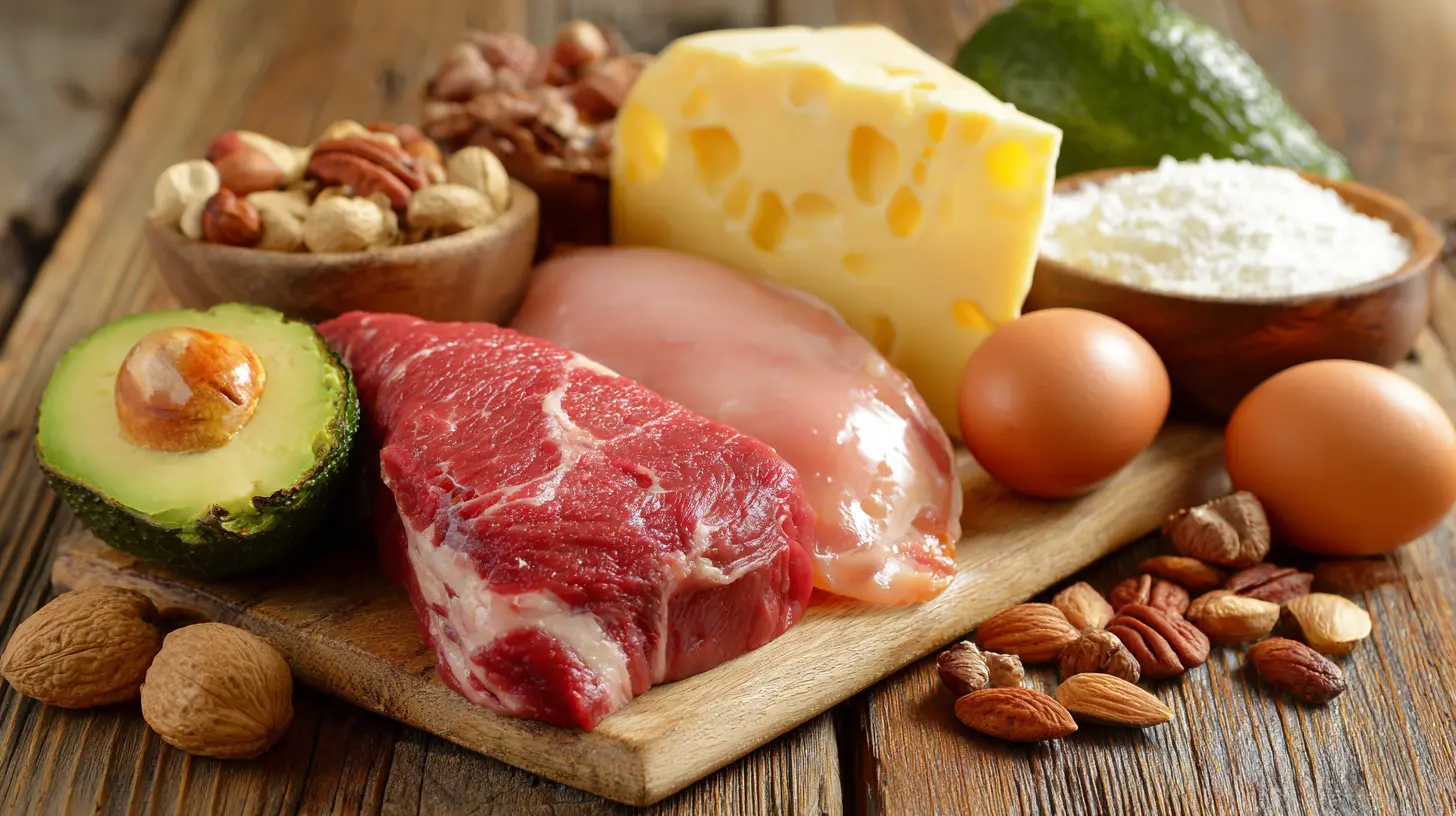
Understanding Fat Intake
Fats should make up the majority of your calories on a low-carb diet, especially if you’re following a ketogenic approach. But that doesn’t mean you should just start pouring olive oil on everything.How Much Fat Should You Eat?
A good starting point is to get about 70–75% of your daily calories from fat if you’re on keto, and slightly lower if you’re on a general low-carb diet. However, fat should be a lever, not a goal—meaning, you adjust it based on your energy needs.Fat contains 9 calories per gram, so if you're eating 2,000 calories a day, that means roughly 1,400–1,500 calories from fat, which translates to about 155 grams of fat per day.
But here’s the thing: Eating fat won’t make you fat—excess calories do. So if you’re trying to lose weight, focus on healthy fat sources and avoid going overboard.
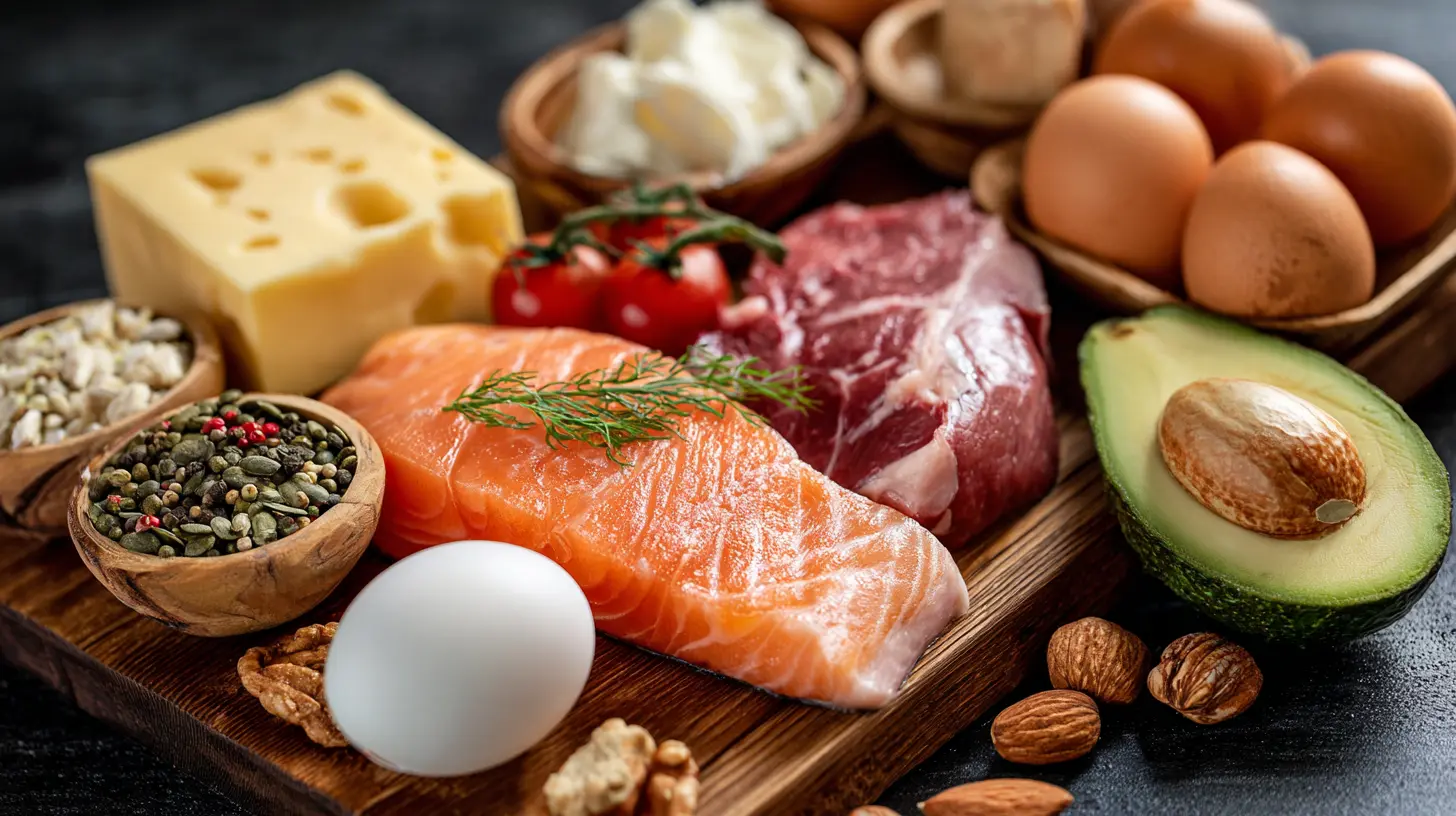
The Best Sources of Fats and Proteins
Now that you know how much to eat, let’s talk about where to get your fats and protein.Healthy Fat Sources
- Animal-based fats: Grass-fed butter, ghee, fatty cuts of meat, lard, duck fat- Plant-based fats: Coconut oil, avocado oil, extra virgin olive oil, nuts, seeds
- Dairy fats: Heavy cream, full-fat cheese, cream cheese (if tolerated)
- Fatty fish: Salmon, mackerel, sardines, herring
Best Protein Sources
- Animal proteins: Beef, lamb, poultry, pork, eggs- Seafood: Tuna, cod, shrimp, scallops
- Dairy: Greek yogurt (unsweetened), cottage cheese, cheese (moderate amounts)
- Plant-based proteins: Tempeh, tofu, nuts, seeds (though these contain carbs, so watch the intake)
Common Mistakes People Make
Even with the best intentions, it’s easy to mess up your fat-to-protein ratio. Here are some common mistakes and how to avoid them:1. Eating Too Much Lean Protein
Chicken breast, lean fish, and egg whites are great sources of protein, but without enough fat, you'll feel unsatisfied and might overeat. Instead, opt for fattier cuts of meat or pair lean proteins with healthy fats.2. Overloading on Dairy
Yes, cheese is delicious, but eating too much of it can stall progress. Dairy can be insulinogenic for some people, which means it triggers insulin spikes. Keep it in moderation.3. Consuming Too Many Nuts
Nuts are a great source of fat, but they’re also calorie-dense and easy to overeat. Plus, some varieties (like cashews) contain more carbs than you’d expect. Stick with macadamia nuts, pecans, or almonds in controlled portions.4. Neglecting Micronutrients
Just because you’re eating high fat and protein doesn’t mean you should ignore vitamin-rich low-carb veggies. Leafy greens, cruciferous vegetables (like broccoli and cauliflower), and peppers are all great options.
How to Track Your Macros
To ensure you're getting the right balance, tracking your macros (protein, fat, and carb intake) is incredibly helpful. Apps like MyFitnessPal, Cronometer, or Carb Manager can help you stay on track.Quick Formula for Macros
1. Protein: 0.8–1.2g per pound of lean body mass2. Carbs: Typically under 50g net carbs per day (or lower for keto)
3. Fat: Fill in the remaining calories with fat
For example, if your daily calorie goal is 1,800 calories and your protein goal is 100g (400 calories) and carbs are 30g (120 calories), the rest should come from fats:
1,800 - (400 + 120) = 1,280 calories from fat (~142g fat)
Adjust based on your metabolism and goals, but this gives you a great starting point.
Meal Ideas for a Balanced Low-Carb Diet
If you're wondering what this balance looks like in real life, here are a few sample meals:Breakfast
- Scrambled eggs with avocado and bacon- Keto coffee (coffee blended with butter or MCT oil)
Lunch
- Grilled salmon with asparagus and butter- Chicken thighs with cauliflower rice cooked in coconut oil
Dinner
- Ribeye steak with garlic butter and roasted Brussels sprouts- Baked chicken with cheese-stuffed mushrooms
Snacks
- Macadamia nuts with cheese- Boiled eggs with mayo
- Avocado with sea salt
Final Thoughts
Balancing fats and proteins on a low-carb diet is all about understanding your body’s needs and adjusting accordingly. It’s not a one-size-fits-all approach, but when you get the ratio right, you’ll feel more energized, satisfied, and closer to your goals.Better digestion, improved mental clarity, and easier weight management await when you master this balance. So, keep an eye on your macros, listen to your body, and enjoy the process!
all images in this post were generated using AI tools
Category:
Low Carb DietAuthor:

Arthur McKeever
Discussion
rate this article
2 comments
Bailey Martin
Great article! Finding the right balance of fats and protein on a low carb diet can be tricky, but your tips make it so much easier. I'm excited to give these suggestions a try!
June 9, 2026 at 4:28 AM
Arthur McKeever
Thanks for the kind words! I'm glad you found the tips helpful. Good luck with your low carb journey!
Zedric Romero
Great article! Finding that balance between fats and protein can be a game-changer on a low carb journey. Remember, it's all about what works for you. Keep experimenting, stay positive, and enjoy the tasty ride ahead!
May 16, 2026 at 4:31 AM
Arthur McKeever
Thanks for the positive feedback! You're right, it's all about finding what fits best for each person. Happy experimenting!