The Role of Vitamins in Boosting Your Immune Defense Against Viruses
26 December 2025
Let’s face it—our immune system takes quite the beating. From seasonal colds to unexpected viral outbreaks, our bodies are constantly dodging microscopic invaders. The good news? Our immune system is like a personal bodyguard, always on duty. The better we treat it, the better it treats us. That’s where vitamins step into the spotlight.
You’ve probably heard people rave about vitamin C whenever they catch a cold. But did you know other vitamins also play a massive role in keeping your immune fortress strong? Let’s dig into the science, bust a few myths, and chat about how essential vitamins actually help you put up a real fight against viruses.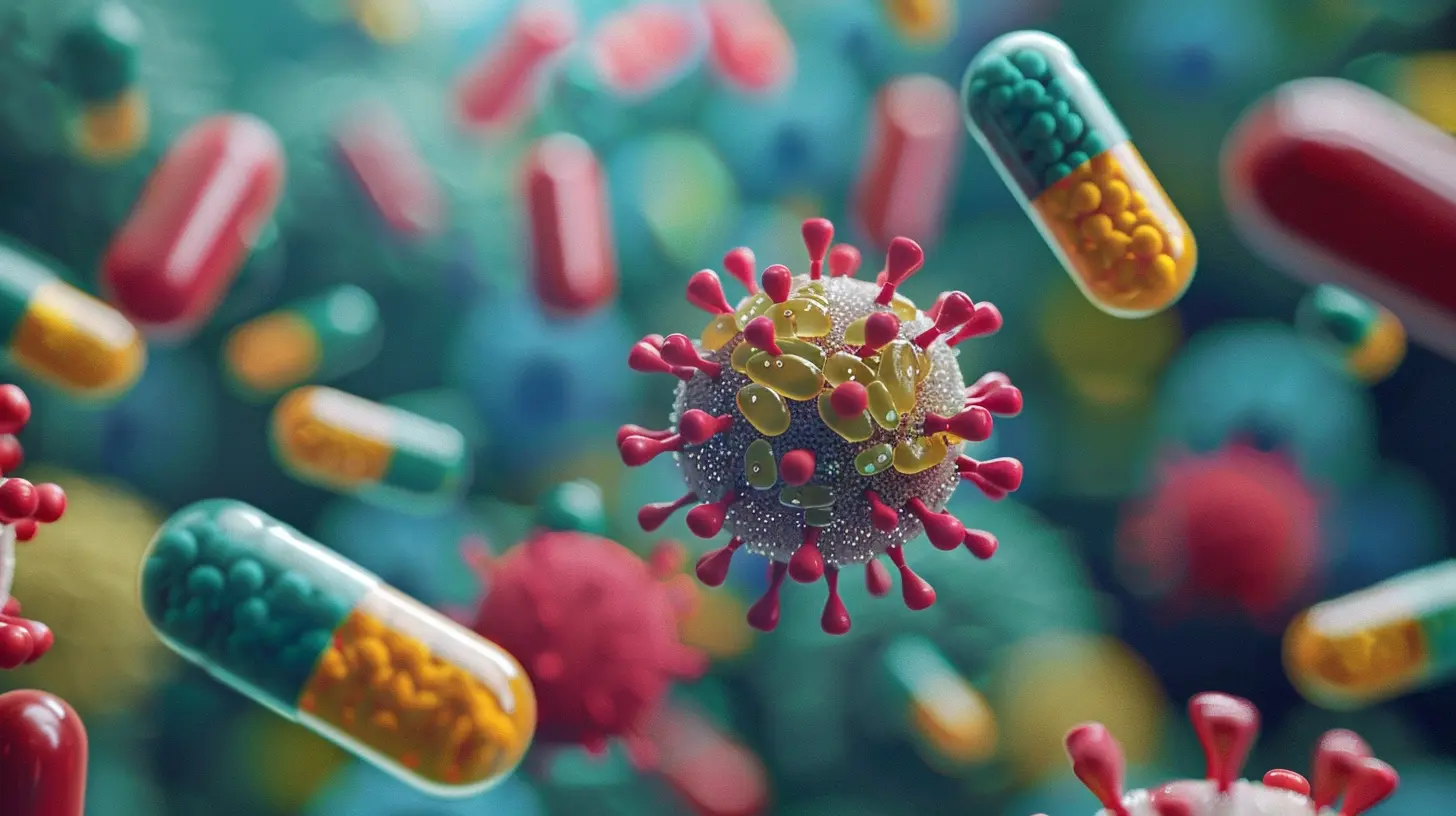
Why Your Immune System Needs Support
Before we jump into the vitamins, let’s talk about the immune system itself. Think of it as a two-tier defense system. The first line (innate immunity) reacts quickly and broadly, while the second line (adaptive immunity) pinpoints and destroys specific threats like viruses. For both layers to work well, your body needs the right nutrients—especially vitamins.Stress, lack of sleep, poor diet, and environmental toxins can all weaken your immune defenses. Vitamins act as the fuel and supporting crew that keep your immune troops alert and ready to go.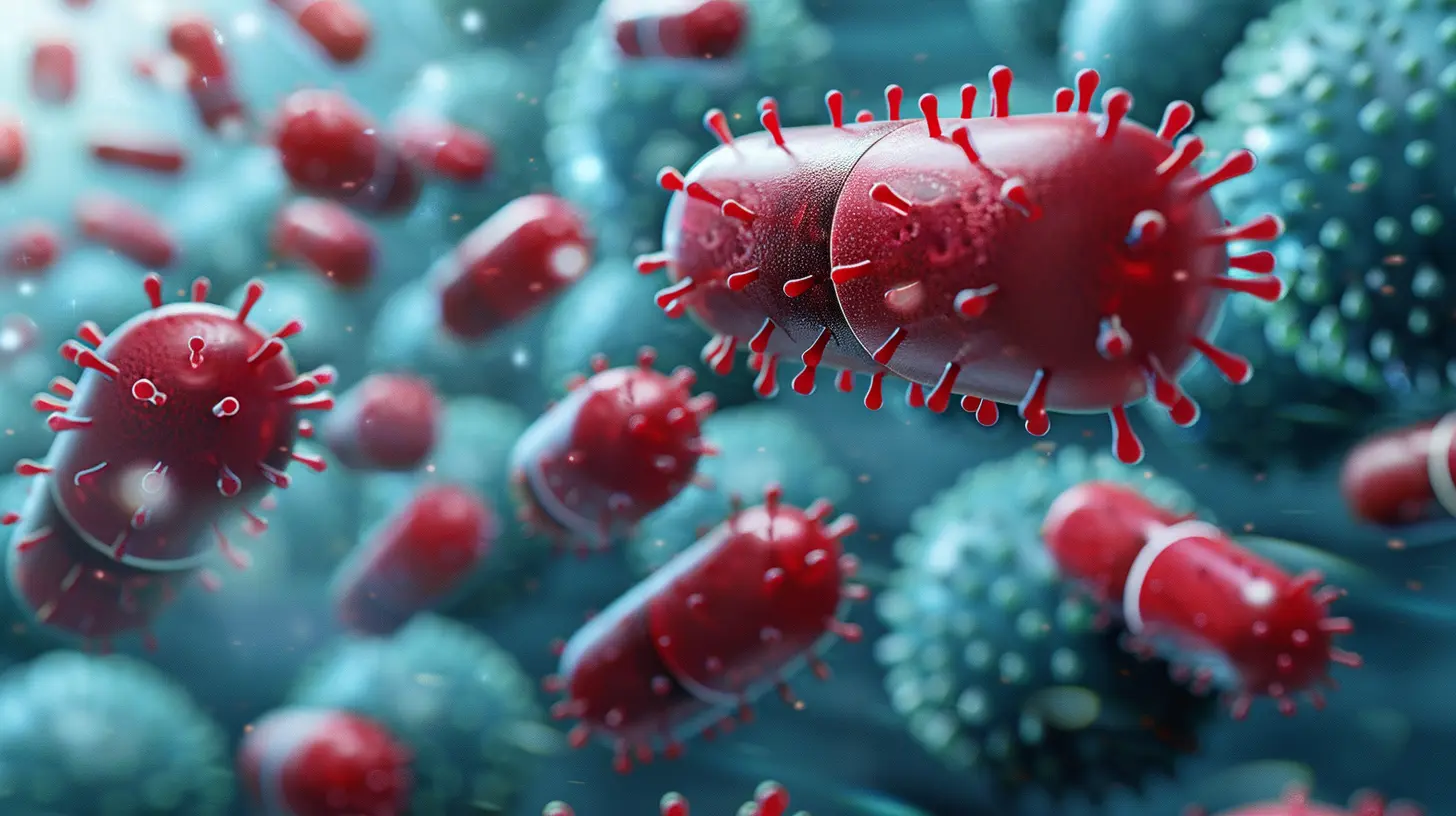
Vitamin C: The Immune System’s Supercharger
We can’t talk vitamins without giving a big shoutout to vitamin C. It’s pretty much the Beyoncé of immune-support nutrients.What It Does:
Vitamin C acts as a powerful antioxidant. That means it helps neutralize free radicals—these are unstable molecules that can damage your cells. In the world of immunity, vitamin C:- Supports the production of white blood cells (your body’s infection-fighting army)
- Helps those white blood cells function more effectively
- Protects them from damage caused by oxidative stress
- Speeds up wound healing and skin protection (your body’s outer armor)
How Much You Need:
Most adults need around 65–90 mg per day, but during stressful times (like when you're sick), your body might benefit from more. Just don’t go over 2,000 mg—it could upset your stomach.Best Sources:
- Citrus fruits (oranges, lemons, limes)- Strawberries
- Bell peppers
- Broccoli
- Kale
Pro tip: Vitamin C is water-soluble, meaning your body doesn’t store it. So you need a steady supply every day, not just when you start feeling sick.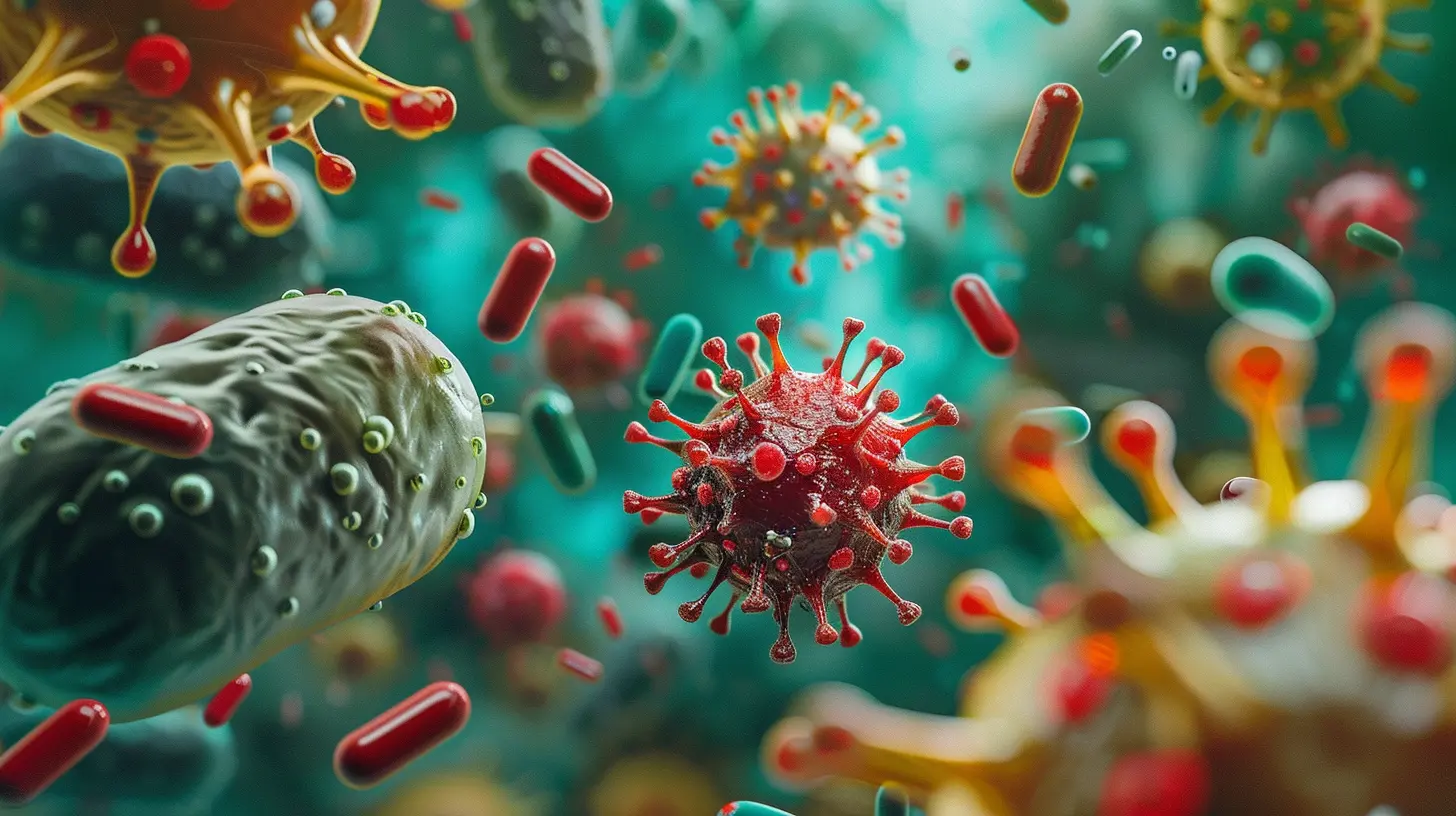
Vitamin D: The Immune Regulator
Sunshine in a bottle? That’s vitamin D for you. While it’s famous for bone health, its role in immunity deserves just as much attention.What It Does:
Vitamin D is like the immune system’s thermostat—it helps regulate how intensely your immune system responds. It boosts the pathogen-fighting effects of monocytes and macrophages (the guys that eat up invaders) and reduces inflammation.Low vitamin D levels have been linked to increased susceptibility to infections, including respiratory ones like the flu and even COVID-19.
How Much You Need:
600–800 IU daily is generally recommended, but if you’re deficient (and many people are!), you might need supplements. Always check with a healthcare provider first.Best Sources:
- Sunlight (about 10–30 minutes a few times a week)- Fatty fish (like salmon and mackerel)
- Egg yolks
- Fortified milk and cereals
If you live up north or wear sunscreen religiously (no shame in that!), you might need a supplement to keep your levels up.
Vitamin A: Guardian of Your Mucous Membranes
Vitamin A is often overlooked in immune health, but it’s a powerhouse—especially when it comes to your body’s first line of defense.What It Does:
It helps maintain the structural and functional integrity of mucosal cells in places like your lungs, gut, and skin. These linings are your body’s first physical barrier against pathogens.Vitamin A also enhances the function of several immune cells and plays a role in the production of antibodies.
How Much You Need:
For adult men, it's about 900 mcg/day, and for women, around 700 mcg/day. Too much can be toxic, so don’t go overboard.Best Sources:
- Carrots- Sweet potatoes
- Spinach
- Red bell peppers
- Liver (if you’re feeling brave)
Fun fact: Beta-carotene (the form found in plants) is converted into vitamin A by your body as needed—so you don’t have to worry about getting too much from veggies.
Vitamin E: The Cellular Bodyguard
Vitamin E is your cells’ personal bodyguard. It’s another antioxidant and plays a critical role in keeping your immune system from getting dragged down.What It Does:
Vitamin E protects cell membranes from oxidative damage, particularly in immune cells. It also helps in the production of T-cells (the sharp-shooters of your immune army).As you age, immune function tends to decline, but vitamin E can help slow that down and keep your responses strong.
How Much You Need:
15 mg per day for adults.Best Sources:
- Almonds- Sunflower seeds
- Spinach
- Avocados
- Vegetable oils (like sunflower or safflower)
Pro tip: Vitamin E is fat-soluble, meaning it’s best absorbed with a bit of fat in your meal.
Vitamin B6: The Communicator
If your immune system is a team, vitamin B6 is the one keeping everyone in sync. It's crucial for communication among immune cells and the creation of antibodies.What It Does:
- Supports biochemical reactions in the immune system- Helps in the production of white blood cells and T-cells
- Enhances communication between the nervous and immune systems
Lack of B6 can slow down the immune response and make you more prone to infections.
How Much You Need:
1.3–1.7 mg/day for adults.Best Sources:
- Chicken- Tuna
- Bananas
- Chickpeas
- Fortified cereals
If your diet is balanced, you’re probably getting enough. But if you’re under constant stress (and let’s be real, who isn’t?), your body may burn through more of it.
Vitamin B12 and Folate: The DNA Repair Crew
These two tend to work hand-in-hand and play key roles in producing red blood cells, synthesizing DNA, and maintaining nerve health. But they also support your immune system big time.What They Do:
- Help in the production of new immune cells- Support the proper function of existing immune cells
- Assist in reducing inflammation
Deficiencies in either can lead to a weakened immune response and even anemia.
How Much You Need:
- B12: 2.4 mcg/day- Folate: 400 mcg/day
Best Sources:
- B12: Animal products like meat, dairy, and eggs- Folate: Leafy greens, legumes, and citrus fruits
Vegetarians and vegans may need to supplement with B12 since plant-based sources are limited.
Can Vitamins Alone Prevent Viruses?
Let’s set the record straight—taking vitamins isn’t a free pass from getting sick. They’re not magic pills. What they do is support your immune system, helping it recognize and attack viruses more efficiently and shortening the duration of illness if you do get sick.Think of vitamins as oil for your immune machine. Without them, the gears grind down. With them? Everything runs much smoother.
But they work best when combined with a healthy lifestyle: balanced diet, exercise, stress management, and proper sleep. No amount of vitamin C can make up for living on junk food and five hours of sleep.
Should You Take Supplements?
Ideally, you’d get most of your vitamins from food. But life isn’t always ideal. If you’re dealing with chronic stress, dietary restrictions, or limited sun exposure, supplements may help fill the gaps—and that’s totally okay.Just don’t go mega-dosing without knowing your levels. Too much of certain vitamins (especially fat-soluble ones like A, D, E, and K) can do more harm than good. It’s all about balance.
Final Thoughts: Build Your Immune Arsenal
The next time you restock your pantry or plan your meals, think about your immune system. Are you giving it the tools it needs to defend you?Vitamins can be a game changer. They won’t make you invincible, but they’ll definitely stack the odds in your favor. And in a world full of unpredictable viruses, every little bit counts.
So, grab that orange, toss spinach into your smoothie, and let the sunshine kiss your face (just not too long, sunscreen fans). Your immune system will thank you.
all images in this post were generated using AI tools
Category:
VitaminsAuthor:

Arthur McKeever
Discussion
rate this article
2 comments
Soleil McNulty
Vitamins: the unsung heroes of immunity! While they won’t turn you into a superhero overnight, a balanced intake can certainly enhance your body's defenses. Let's fortify our health with nature’s finest!
January 15, 2026 at 5:14 AM
Arthur McKeever
Absolutely! Vitamins play a crucial role in supporting our immune system. A balanced intake can indeed help strengthen our defenses against viruses. Let's embrace nature's gifts for better health!
Asher Matthews
This article effectively highlights how essential vitamins, such as C, D, and zinc, play a crucial role in enhancing immune function. Understanding their effects can empower readers to make informed dietary choices for better health and resilience against viruses.
December 27, 2025 at 4:52 AM
Arthur McKeever
Thank you for your insightful comment! I'm glad you found the article helpful in understanding the importance of vitamins for immune health.