PMS Relief: The Role of Magnesium and Calcium
28 May 2026
Premenstrual Syndrome (PMS) can feel like an unwelcome monthly guest that brings bloating, mood swings, cramps, and exhaustion. If you’re tired of dreading that time of the month, you’re not alone. Many women struggle with PMS, but the good news is there are natural ways to ease the symptoms.
Two essential minerals—magnesium and calcium—play a crucial role in providing relief. These power-packed nutrients don’t just support bone health and muscle function; they also help balance hormones, reduce cramps, and improve mood. If PMS symptoms are making life difficult, it’s time to take a closer look at how magnesium and calcium can help.
In this article, we’ll break down why these minerals are so important and how you can naturally boost your intake to feel better every month.
Understanding PMS and Its Symptoms
PMS isn’t just in your head—it’s a real condition that affects millions of women worldwide. The exact cause remains unclear, but hormonal fluctuations, nutrient deficiencies, and stress all play a role. Symptoms usually appear one to two weeks before your period and can include:- Bloating
- Fatigue
- Irritability and mood swings
- Cramps
- Cravings (hello, chocolate overload!)
- Headaches
- Breast tenderness
While some women have mild symptoms, others experience severe discomfort that affects their daily lives. This is where magnesium and calcium come into the picture.
How Magnesium Helps with PMS
Magnesium is often called “nature’s chill pill” for a reason. This mighty mineral helps regulate muscle and nerve function, blood sugar levels, and—most importantly—hormones.1. Reduces Cramps and Muscle Pain
Ever notice how your muscles feel achy and tense before your period? That’s because PMS causes muscle contractions, leading to painful cramps. Magnesium helps relax the muscles and ease the pain, making those unbearable cramps more manageable.2. Eases Mood Swings and Anxiety
If PMS hits you with waves of irritability and anxiety, low magnesium levels could be a culprit. Magnesium plays a key role in brain function, helping to regulate mood and reduce stress. It also influences serotonin, the feel-good hormone that keeps you happy and balanced. Low levels of magnesium can trigger mood swings, making you feel anxious or down.3. Reduces Bloating and Water Retention
One of the worst PMS symptoms? Feeling like a balloon about to pop. Magnesium helps regulate fluid balance in the body, reducing bloating and that uncomfortable swollen feeling.4. Improves Sleep Quality
Struggling to sleep before your period? Magnesium promotes relaxation and helps the body produce melatonin, the hormone responsible for sleep. If PMS disrupts your rest, increasing your magnesium intake may help you sleep more peacefully.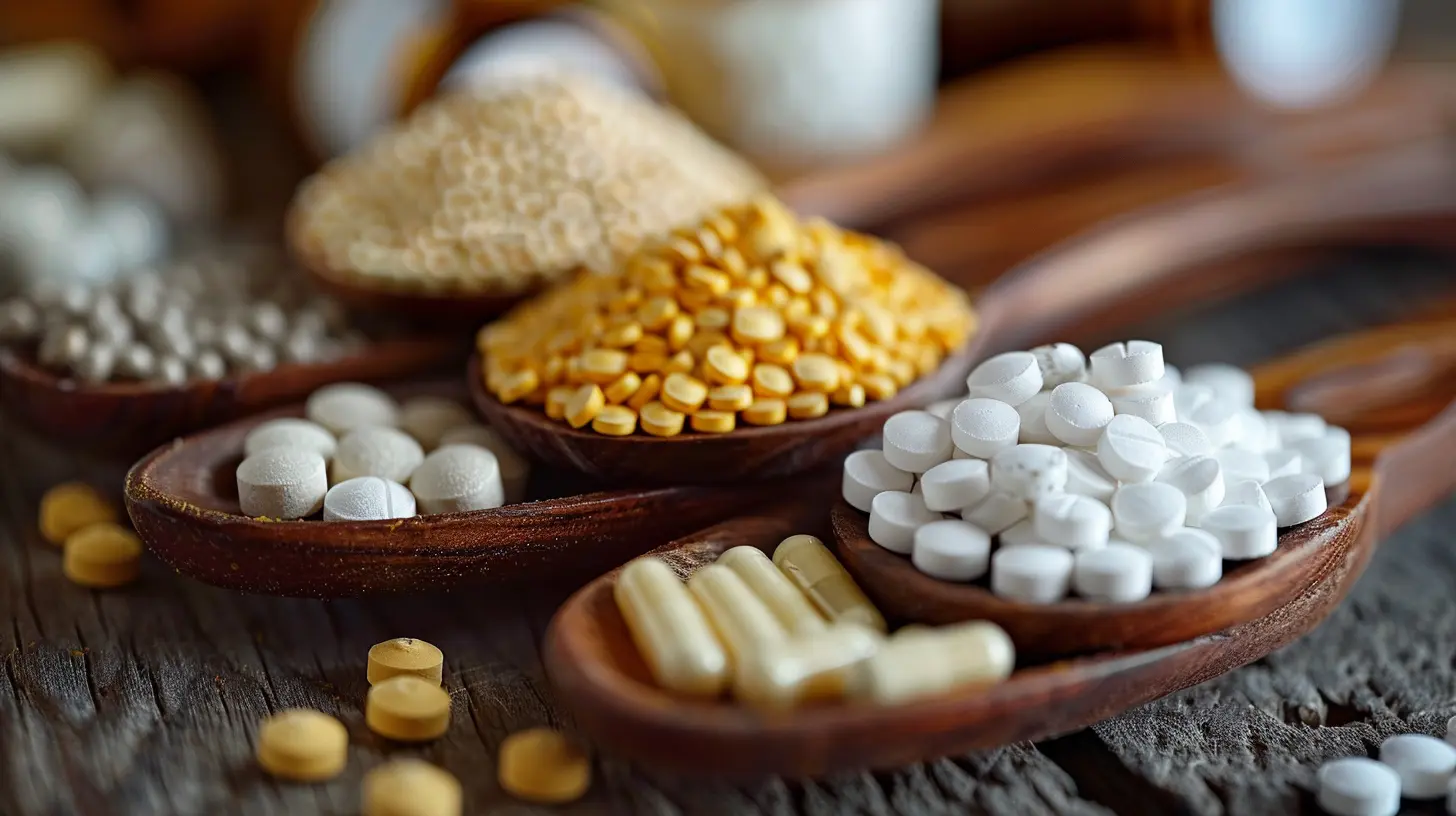
How Calcium Helps with PMS
Calcium isn’t just for strong bones—it’s also a game-changer when it comes to PMS. Studies have shown that women with low calcium levels are more likely to experience severe PMS symptoms.1. Regulates Mood and Reduces Irritability
Ever feel like you’re on an emotional rollercoaster before your period? Calcium helps regulate neurotransmitters in the brain, ensuring that mood swings and irritability don’t take over. Low calcium levels have been linked to increased anxiety, depression, and mood changes during PMS.2. Reduces Menstrual Cramps
Like magnesium, calcium also helps reduce muscle contractions that cause painful cramps. When calcium levels are balanced, the muscles relax more easily, leading to less discomfort.3. Prevents Fatigue and Boosts Energy
Feeling drained before your period? Calcium plays a role in energy production, helping to combat PMS-related fatigue. When calcium levels drop, you may feel tired, sluggish, and unmotivated.4. Minimizes Breast Tenderness
Breast tenderness is another common PMS symptom that can make even the simplest movements uncomfortable. Calcium helps regulate hormonal changes that contribute to this discomfort, offering relief in the days leading up to your period.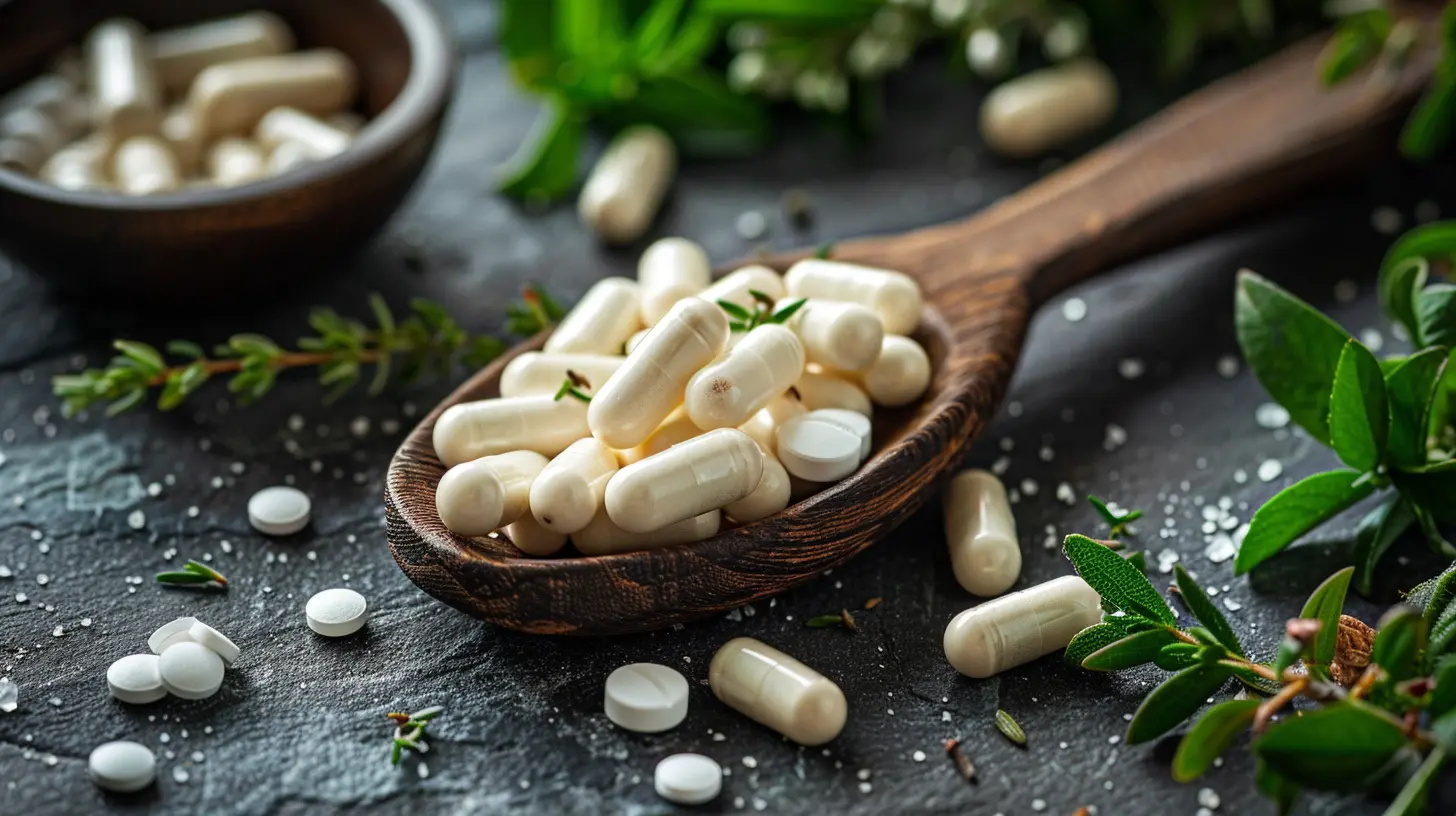
Best Sources of Magnesium and Calcium
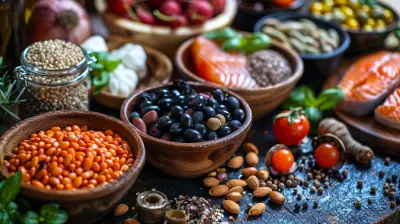
Now that we know how crucial magnesium and calcium are for PMS relief, where can we get them? Luckily, they’re found in a variety of delicious and nutritious foods.Magnesium-Rich Foods
- Dark leafy greens (spinach, kale)- Nuts and seeds (almonds, pumpkin seeds, sunflower seeds)
- Avocados
- Bananas
- Dark chocolate (yes, chocolate lovers, rejoice!)
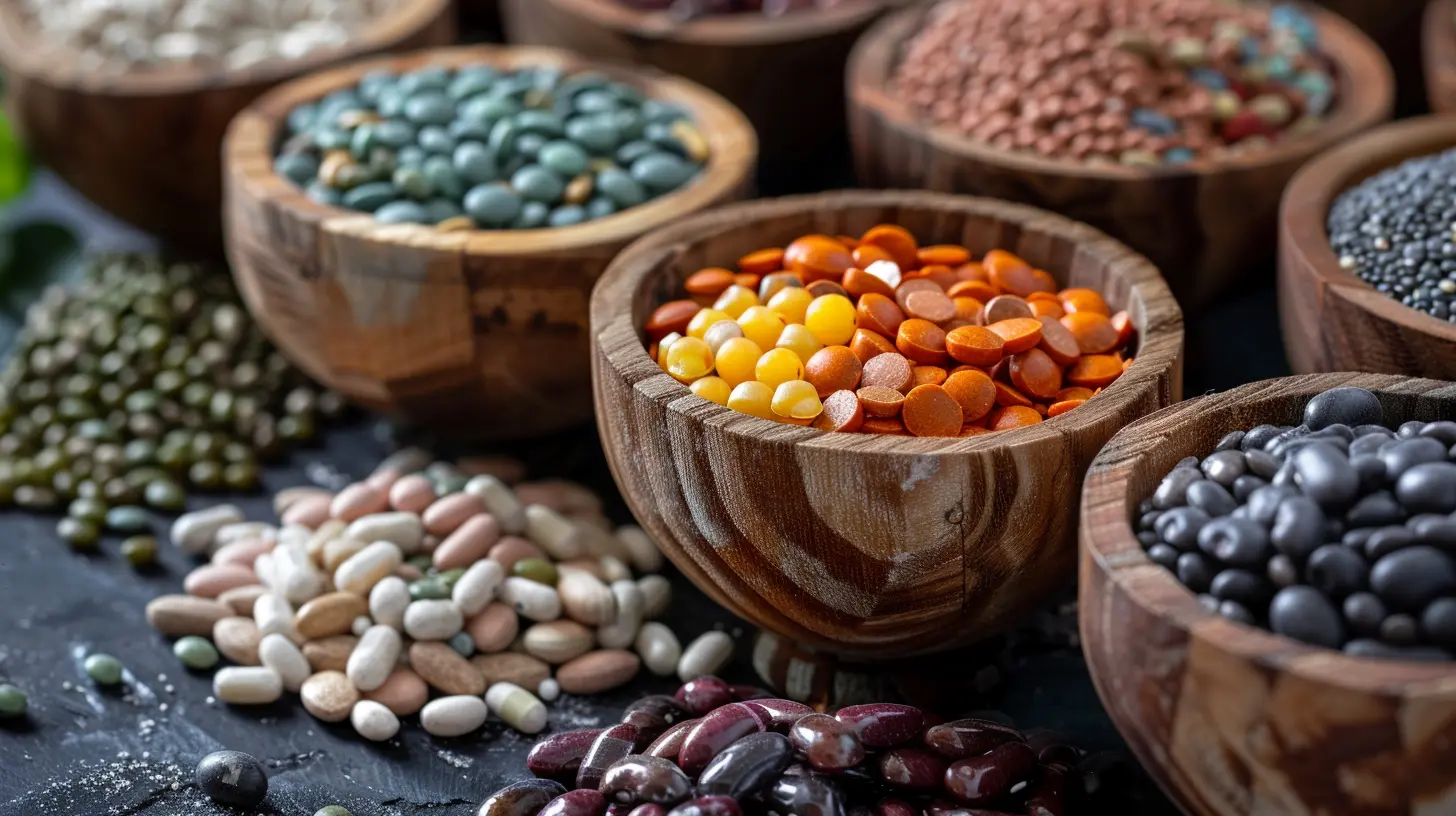
- Legumes (beans, lentils, chickpeas)
- Whole grains (quinoa, brown rice, oats)
Calcium-Rich Foods
- Dairy products (milk, yogurt, cheese)- Leafy greens (collard greens, bok choy)
- Almonds
- Tofu and soy products
- Sardines and canned salmon (with bones)
- Fortified plant-based milk (almond, soy, oat milk)
Should You Take Supplements?
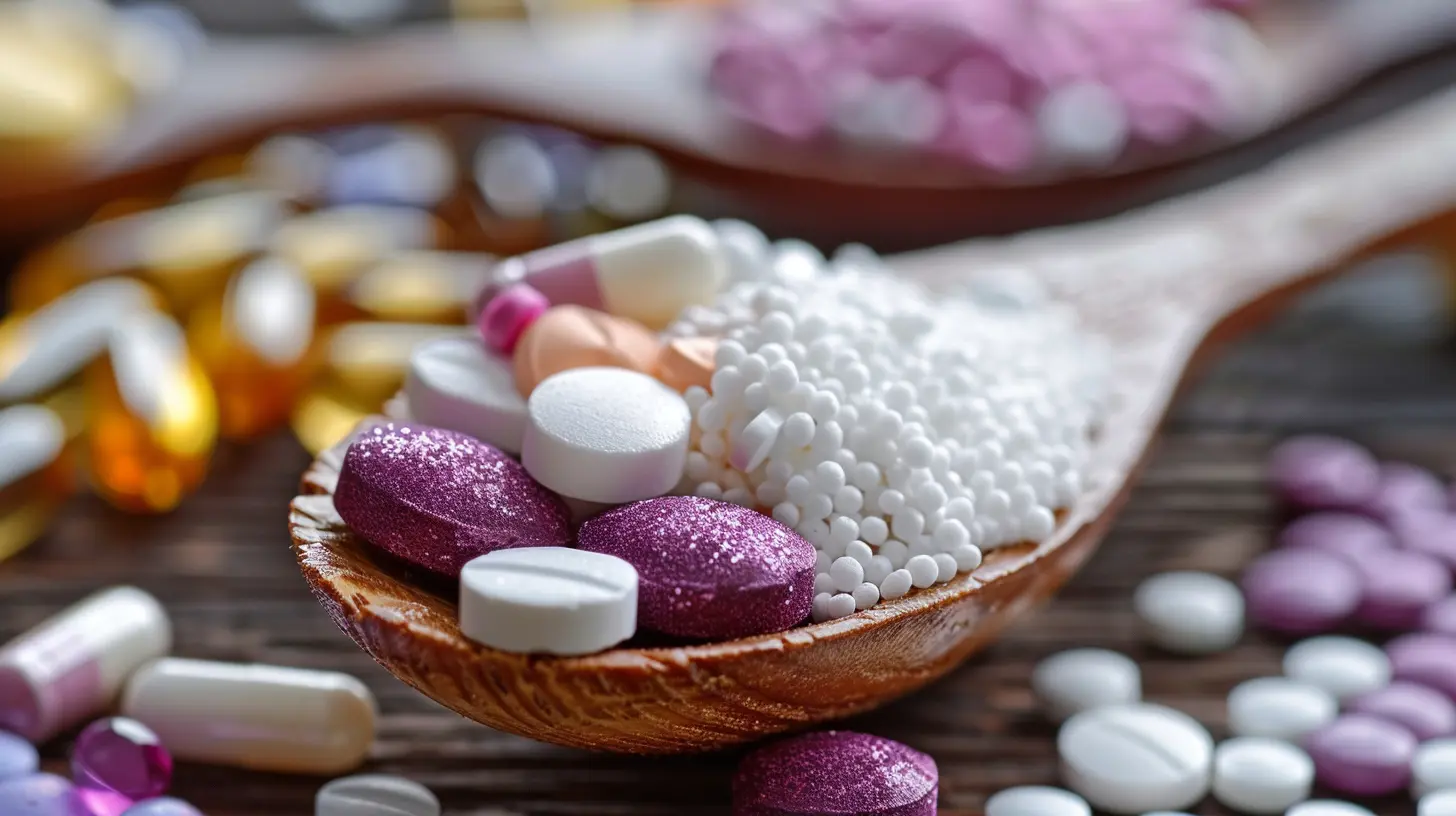
If you struggle to get enough magnesium and calcium through food alone, supplements can be a good option. But before popping pills, it’s always best to consult with a healthcare professional.When choosing supplements, look for:
- Magnesium glycinate or citrate (easier on the stomach than magnesium oxide)
- Calcium citrate (better absorbed compared to calcium carbonate)
Experts recommend:
- Magnesium: 300–400 mg per day
- Calcium: 1000–1200 mg per day
Too much of either mineral can cause side effects, so it’s important to stick to recommended doses.
Other Lifestyle Tips for PMS Relief
While magnesium and calcium can work wonders, combining them with healthy lifestyle habits can provide even greater relief.1. Stay Hydrated
Drinking plenty of water helps flush out excess sodium and reduces bloating.2. Exercise Regularly
Even light exercise like walking or yoga can ease cramps, improve mood, and boost energy levels.3. Eat a Balanced Diet
Avoid processed foods, excess salt, and too much caffeine, as they can worsen PMS symptoms.4. Manage Stress
Practice deep breathing, meditation, or journaling to reduce stress, which can intensify PMS symptoms.5. Get Enough Sleep
Aim for at least 7–8 hours of quality sleep each night to keep hormones balanced.Final Thoughts
PMS doesn’t have to control your life. By ensuring you get enough magnesium and calcium—through food or supplements—you can significantly reduce symptoms like cramps, mood swings, fatigue, and bloating. Paired with a healthy lifestyle, these minerals can help you feel more in control of your body and emotions each month.So, the next time PMS tries to knock you down, fight back with the power of nutrition. Your body (and your sanity) will thank you!
all images in this post were generated using AI tools
Category:
MineralsAuthor:

Arthur McKeever
Discussion
rate this article
1 comments
Zaren Henderson
Incorporating magnesium and calcium into your diet may offer significant relief from PMS symptoms. It's fascinating how simple nutritional changes can positively impact our well-being and hormonal balance.
June 1, 2026 at 3:10 PM
Arthur McKeever
You're right! Magnesium and calcium can really make a difference. It's amazing how small dietary tweaks can improve our health and ease PMS symptoms.