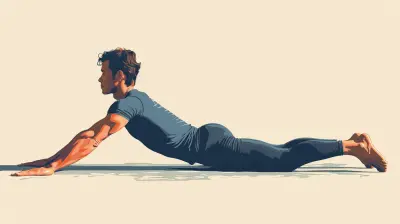
The Impact of Mineral Loss During Exercise
22 May 2026
Staying active is one of the best things you can do for your body. Whether you're hitting the gym, going for a run, or engaging in a high-intensity workout, your body undergoes numerous physiological changes. One crucial aspect that often goes unnoticed is mineral loss during exercise.
Minerals play a vital role in keeping our bodies functioning at their best. They support muscle contractions, nerve signaling, hydration, and overall performance. But when you sweat, essential minerals—also known as electrolytes—are lost. This can affect everything from energy levels to recovery time.
In this article, we'll break down the importance of minerals, what happens when you lose them during exercise, and how to replenish them effectively. So, let's dive in! 
Why Minerals Matter in Your Body
Before we get into what happens when you sweat them out, let's talk about why minerals are so crucial. Your body relies on a variety of minerals, but when it comes to physical activity, a few stand out:1. Sodium
Sodium is one of the key electrolytes lost through sweat. It helps regulate fluid balance and is essential for muscle contractions and nerve function. A lack of sodium can lead to cramping, dizziness, and fatigue—all things you don't want mid-workout!2. Potassium
Potassium works with sodium to keep your muscles and nerves functioning properly. It helps prevent muscle weakness and irregular heartbeats, which can be dangerous during intense exercise.3. Magnesium
Magnesium is often overlooked, but it's essential for muscle relaxation and energy production. Without enough magnesium, you may feel more fatigued and experience muscle cramps more frequently.4. Calcium
Calcium is not just for strong bones—it also plays a crucial role in muscle contraction. Low calcium levels can cause muscle spasms and even reduce athletic performance.5. Chloride
Chloride works closely with sodium to maintain fluid balance. It also helps your stomach produce acid, which is vital for digestion and nutrient absorption.Missing out on these key minerals can lead to dehydration, fatigue, muscle cramps, and decreased endurance. But why does this happen? Let's break it down. 
The Science Behind Mineral Loss During Exercise
Sweating and Electrolyte Depletion
When you work out, your body generates heat. To keep cool, it sweats. Sweat is made up of water and electrolytes, which are essential minerals your body needs to function properly.The more intense your workout, the more you sweat. The problem? Sweat doesn't just cool you down—it also strips your body of important minerals. If you don’t replace these lost minerals, you could face dehydration, muscle fatigue, and even heat exhaustion.
How Much Do You Lose?
The amount of minerals lost during exercise depends on several factors, such as:- Workout intensity: The harder you push, the more you sweat.
- Duration: A longer workout means greater mineral loss.
- Temperature & Humidity: Hot and humid conditions make you sweat more.
- Individual Differences: Some people naturally sweat more than others.
On average, a liter of sweat contains about 1,000 mg of sodium, 200 mg of potassium, 20-30 mg of calcium, and 10-15 mg of magnesium. If you don’t replenish these levels, your performance could take a hit. 
Signs of Mineral Deficiency Due to Exercise
If you're frequently active but not replenishing your electrolytes, you might notice some telltale signs. Here’s what to watch out for:1. Muscle Cramps and Weakness
Ever had a sudden, painful cramp in the middle of a workout? That’s often due to a lack of sodium, potassium, or magnesium.2. Fatigue and Low Energy
Your body needs minerals to produce energy. Without them, you might feel drained even after a short workout.3. Dizziness or Lightheadedness
Electrolytes help regulate fluid balance. When they drop too low, you might feel dizzy or even experience a sudden drop in blood pressure.4. Excessive Thirst
Feeling extra thirsty post-workout? That could be your body's way of urging you to restore lost fluids and minerals.5. Poor Recovery
If you're constantly sore and need longer to recover, you might not be getting enough essential minerals.Recognizing these signs early can help you prevent serious dehydration and performance decline. 
How to Replenish Lost Minerals
Now that we know why minerals are important and how they’re lost, let’s talk about how to replenish them effectively.1. Drink Electrolyte-Rich Beverages
Water is great, but when you've lost a lot of electrolytes, it might not be enough. Consider:- Sports drinks (look for natural, low-sugar options)
- Coconut water (a great natural source of potassium)
- Electrolyte tablets or powders
2. Eat Mineral-Rich Foods
Your diet can play a massive role in restoring electrolytes. Add these foods to your post-workout meals:- Sodium: Pickles, olives, salted nuts
- Potassium: Bananas, oranges, spinach, potatoes
- Magnesium: Almonds, dark chocolate, avocados
- Calcium: Dairy products, leafy greens, tofu
3. Hydrate Before, During, and After Exercise
Don’t wait until you’re thirsty—hydrate consistently. Drink plenty of fluids before your workout, sip water throughout, and replenish electrolytes afterward.4. Use Natural Salt
Himalayan or sea salt contains trace minerals that can help restore balance. A pinch of salt in your water or food can do wonders.5. Avoid Overhydration
Yes, drinking too much water without replenishing electrolytes can actually make things worse! It can dilute your minerals and lead to hyponatremia (dangerously low sodium levels). Balance is key!Can You Prevent Mineral Loss?
While you can’t stop sweating (and you wouldn’t want to—it’s essential for cooling down!), you can reduce excessive mineral loss by:✅ Keeping workouts at a moderate intensity in extreme heat
✅ Wearing breathable fabrics to regulate body temperature
✅ Increasing mineral intake if you're a heavy sweater
✅ Using hydration strategies that work for your body
By being mindful of these factors, you can keep your performance at its peak while preventing mineral depletion.
Final Thoughts
Exercise is fantastic for your body, but ignoring mineral loss can lead to serious issues like fatigue, cramps, and dehydration. The good news? With the right hydration and nutrition plan, you can replenish those lost minerals and keep performing at your best.So next time you hit the gym or go for a run, don’t just think about water intake—think about your electrolytes too! Your body will thank you for it.
all images in this post were generated using AI tools
Category:
MineralsAuthor:

Arthur McKeever
Discussion
rate this article
2 comments
James McKellar
Great article! It's crucial to understand the role of minerals in our workouts. Staying informed helps us make better choices for our health and performance. Keep up the good work!
July 12, 2026 at 3:24 AM
Barrett Bishop
Great article! It's so important to recognize how mineral loss during exercise affects our bodies. Staying informed can help us make better choices for our health. Let's prioritize nutrition and hydration for optimal performance and recovery.
May 29, 2026 at 3:07 AM
Arthur McKeever
Thanks for reading! You're absolutely right-nutrition and hydration play key roles in performance and recovery. Let's keep spreading the word.