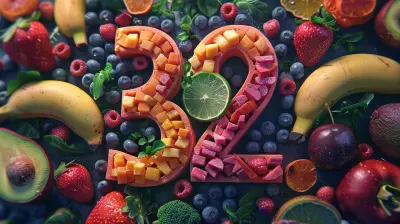
Navigating Food Picky Eating: Healthy Solutions for Kids
25 June 2026
Let’s be honest — getting a picky eater to try something new can feel like trying to negotiate world peace with a toddler. One day, your kid loves bananas, and the next, they act like you’ve offered them poison. Sound familiar? You’re not alone. Picky eating is a common phase in childhood, but that doesn’t mean it’s not frustrating.
If mealtime has turned into a battleground in your home, take a deep breath. There are ways to handle this without tears, bribes, or turning into a short-order cook. In this post, we’re diving deep into the world of picky eating — what causes it, how to work with it (not against it), and most importantly, how to make sure little bellies still get the nutrition they need.
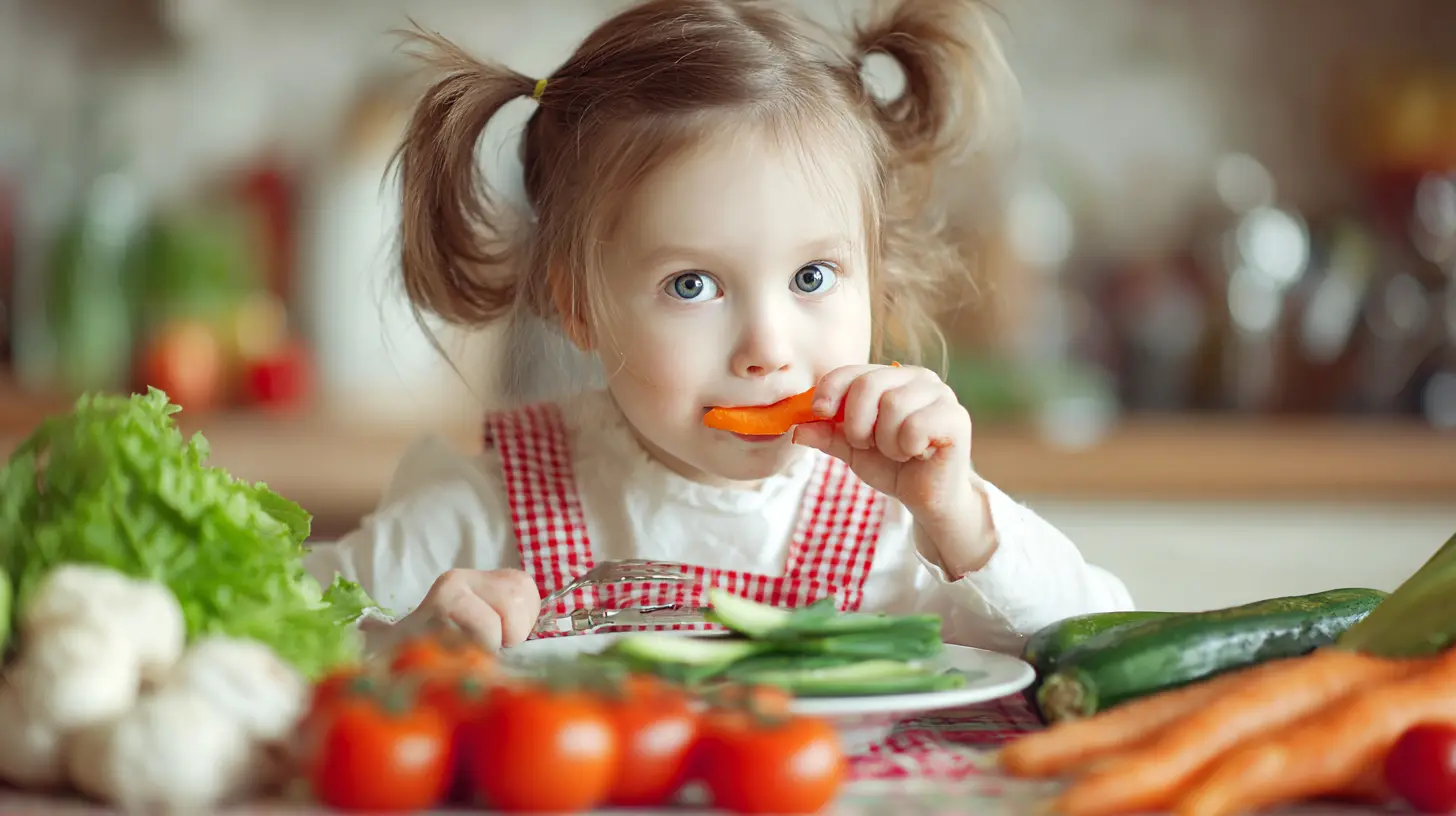
What Exactly Is Picky Eating?
Picky eating, in simple terms, is when a child has strong food preferences and tends to reject new or unfamiliar foods. For some kids, it means refusing entire food groups; for others, it might be about how the food looks, smells, or feels.You might hear complaints like:
- “It’s too mushy!”
- “It touched my peas!”
- “It smells funny!”
Sound familiar, right?
Often, picky eating starts in toddlerhood. It's a time when kids are discovering independence — and food is one of the first areas they feel they can control. They can’t choose bedtime, but they sure as heck can spit out broccoli.
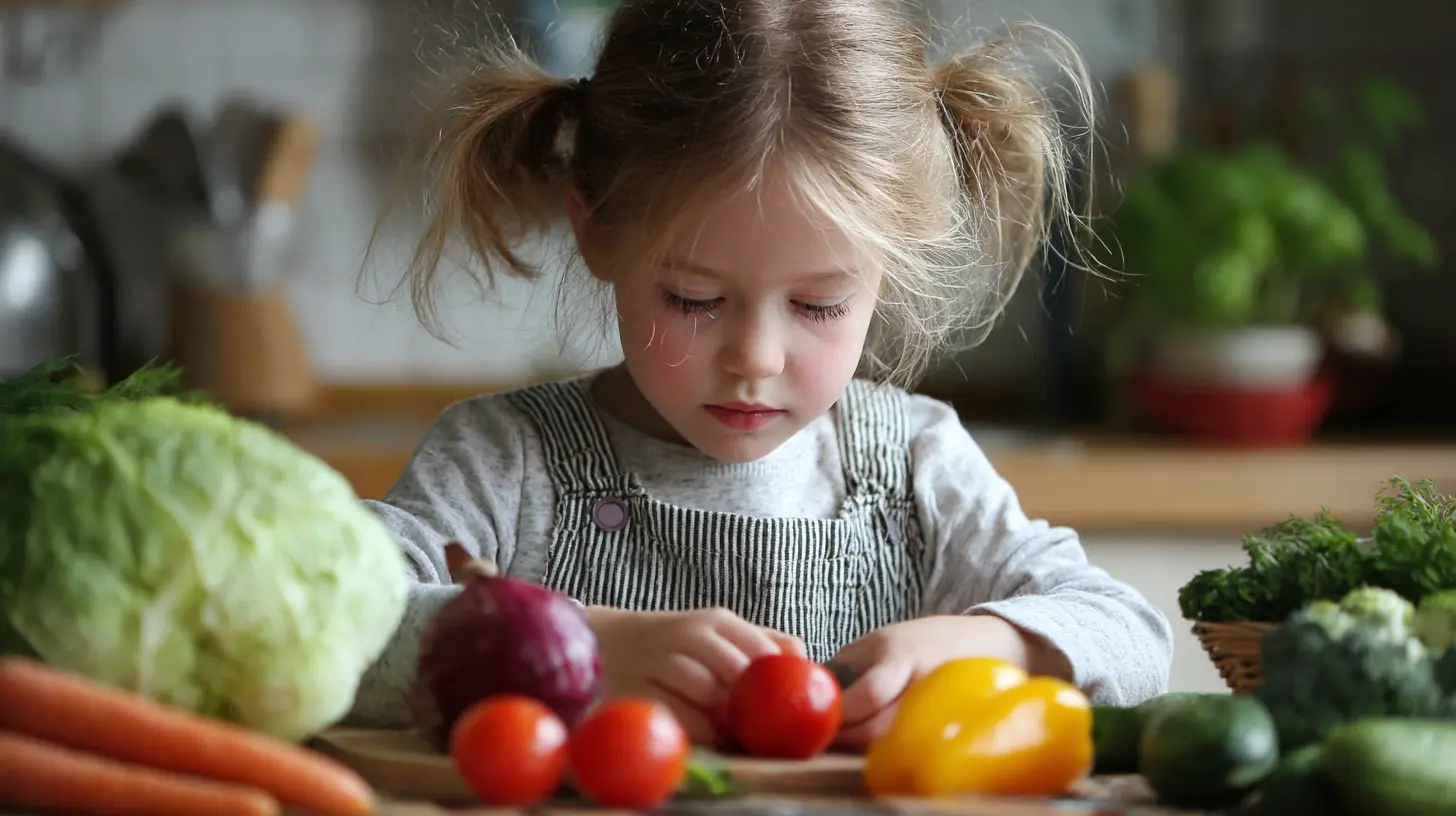
Why Are Kids Picky Eaters?
Picky eating isn’t just about being stubborn. There are a few layers to consider:1. Developmental Stage
Between ages 2 and 5, picky eating peaks. Kids are learning to assert their independence. Saying “no” is their new superpower.2. Sensory Sensitivities
Some children are more sensitive to textures, flavors, and even the color of food. A crunchy carrot might be okay, but a mushy banana? Absolutely not.3. Fear of the Unknown (Food Neophobia)
Trying something new can be scary — especially if it's green and slimy-looking. New foods take time to feel safe.4. Parental Pressure
Ironically, the more we push, the more resistance we get. Power struggles at the dinner table rarely end well.5. Medical or Oral Issues
In some cases, kids may have underlying conditions like reflux, allergies, or oral-motor delays that make eating difficult or uncomfortable.
Is Picky Eating a Serious Problem?
Most of the time — no.Most kids grow out of their picky habits. But red flags to watch for include:
- Weight loss or failure to thrive
- Severe sensitivity (gagging, vomiting)
- Extremely limited variety of foods (like fewer than 10 accepted foods)
- Anxiety around food or eating
If you notice these, it’s smart to chat with your pediatrician or a feeding specialist.

Healthy Solutions for Picky Eaters
Okay, so what can you actually do? The goal isn’t to force your child to love kale overnight, but rather to build healthy habits and reduce food stress.Let’s dig into some real-world strategies that actually help.
1. Keep the Pressure Off
Begging or bribing (“Just one more bite and you’ll get dessert!”) may work in the short term, but it doesn’t build healthy attitudes toward food. Instead, use the Division of Responsibility in feeding — a concept by pediatric dietitian Ellyn Satter.Here’s how it breaks down:
- Your job: You decide what, when, and where food is offered.
- Your child’s job: They decide if and how much to eat.
This approach takes the pressure off both you and your child. They learn to trust their hunger cues, and you avoid the drama.
2. Be a Food Role Model
Kids are sponges. If they see you enjoying veggies, they’re more likely to try them too. Sit down and share meals together. Even if they’re not eating the kale salad, seeing it on your plate helps them get comfortable with it.Pro tip: Keep your reactions neutral. Say, “This tastes fresh and crunchy,” instead of “See? It’s not that bad!”
3. Make Food Fun (Not a Chore)
Food can be playful! Think of it like arts and crafts — but edible.Try these:
- Cut sandwiches into fun shapes
- Create “food faces” with fruits and veggies
- Make snack boards with a rainbow of colors
When food is fun, kids are more willing to interact with it—even if they don’t eat everything right away.
4. Involve Kids in the Food Process
Let your child help at every stage:- Pick a new fruit at the grocery store
- Rinse veggies
- Stir ingredients
- Plant a few herbs or cherry tomatoes at home
When kids feel ownership of the food, they’re more curious about eating it. They’re part of the story — not just the audience.
5. Stick to a Routine
Structure helps kids feel secure, even when it comes to food. Offer meals and snacks at roughly the same times each day. This prevents constant grazing and helps build a healthy appetite for meals.Avoid using snacks to “fix” skipped meals. If they miss lunch but fill up on crackers later, they’ll be less motivated to try dinner.
6. Offer New Foods Alongside Favorites
Serve new foods with familiar ones — like peas with macaroni and cheese, or grilled chicken with their favorite rice. This makes the plate less intimidating. They might not try the new item right away, but repeated exposure builds familiarity.Remember: it can take up to 15 (or more!) times for a child to even consider trying something new.
7. Respect Their Appetite
Sometimes… they’re just not hungry. And that’s okay. Kids’ appetites vary from day to day. One day they’re a bottomless pit, and the next, they survive on half a banana. Trust that they’re listening to their bodies, and try not to label them as “bad eaters.”8. Limit Mealtime Distractions
TV, tablets, and toys can make mealtime chaotic. Aim for focused, relaxed eating without screens. This helps kids pay attention to hunger cues and actually notice the food in front of them.9. Be Patient — Real Change Takes Time
Picky eating didn’t start overnight, and it won’t magically disappear. Stay consistent, be calm, and think long term. Celebrate small victories, even if it’s just a lick of a tomato. That’s progress!Sneaky Nutrition Hacks (That Actually Work)
Worried your kid isn’t getting enough nutrients? Here are some low-stress ways to boost their nutrition without a food fight.Blend the Veggies
Smoothies are your friend. Spinach, avocado, or even cauliflower can be blended with fruits for a surprisingly yummy drink.Make It Mini
Mini muffins with shredded zucchini or carrots? Yes, please. Little hands love little food.Protein Through Snacks
Greek yogurt, cheese sticks, hummus with crackers, or nut butters can sneak in some quality protein.Enrich the Favorites
Add ground flaxseed to oatmeal or muffins. Mix pureed veggies into sauces. Add beans to quesadillas. They’ll hardly notice.
When to Seek Extra Help
If your child’s eating habits are causing stress, anxiety, or impacting their health, don’t hesitate to consult a professional. Registered dietitians, pediatricians, and feeding therapists can offer personalized strategies to support your family.Remember, asking for help doesn’t mean you’re failing. It means you care.
Final Thoughts: You’ve Got This
Picky eating can be one of the most nerve-wracking parts of parenting — but it doesn’t have to be a permanent roadblock. With the right tools, a little patience, and a lot of love, you can help your child build a healthy, positive relationship with food.You’re not alone in this. Every frustrated parent who’s ever begged a child to “just try one bite” gets it. Take the long view, stay consistent, and sprinkle in some creativity. Your child’s food journey doesn’t have to be perfect — it just has to keep moving forward.
After all, even the pickiest eaters can bloom into adventurous snackers someday.
all images in this post were generated using AI tools
Category:
Pediatric HealthAuthor:

Arthur McKeever
Discussion
rate this article
1 comments
Zara McVicar
Thank you for this insightful article. As a parent of a picky eater, I often feel overwhelmed. Your practical tips and understanding approach give me hope and inspiration to make mealtime enjoyable and healthy for my child.
June 28, 2026 at 2:22 PM
Arthur McKeever
I'm so glad to hear you found the article helpful! Picky eating can be tough, but small changes can make a big difference. Keep up the great work!