The Role of Vitamin B2 in Healthy Metabolism and Energy
27 November 2025
When it comes to staying energized and keeping your metabolism running smoothly, Vitamin B2 (also known as riboflavin) plays a crucial role. Yet, many people don’t even realize how essential this vitamin is for their daily well-being. If you often feel fatigued or experience sluggish digestion, a lack of Vitamin B2 might be one of the culprits.
In this article, we’ll break down why Vitamin B2 is so important, how it impacts your metabolism and energy levels, the best food sources, and what happens if you don’t get enough. So, let’s dive in! 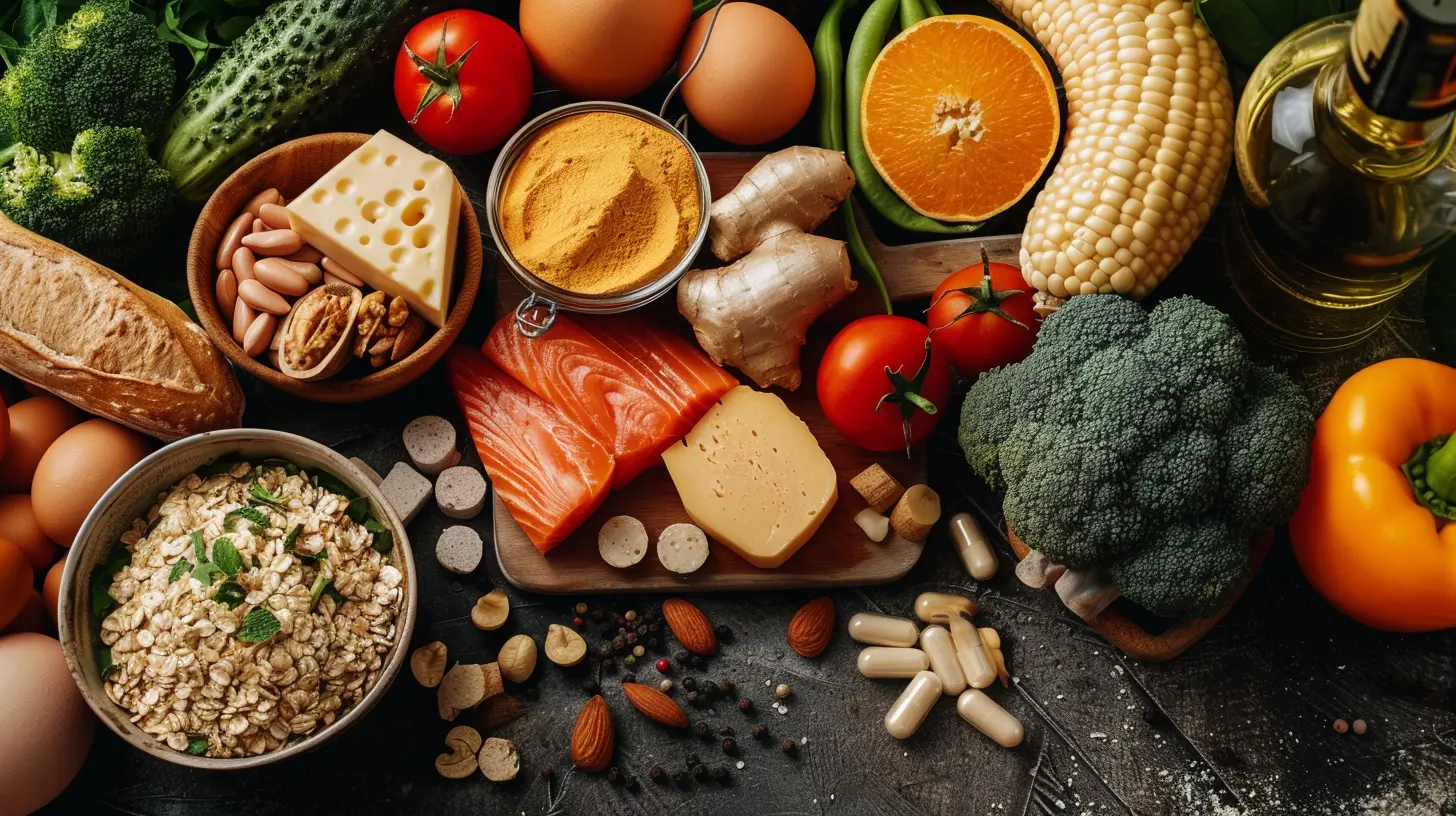
What is Vitamin B2?
Vitamin B2, or riboflavin, is a water-soluble vitamin that belongs to the B-vitamin family. Unlike fat-soluble vitamins that can be stored in the body, water-soluble ones need to be consumed regularly since they are not stored in significant amounts.Riboflavin acts as a coenzyme in various biochemical reactions, meaning it helps enzymes in the body carry out important functions. These include breaking down food for energy, supporting cell growth, and even keeping your skin and eyes healthy.
Since your body doesn’t retain large amounts of it, getting enough Vitamin B2 through your diet is essential. 
The Connection Between Vitamin B2 and Metabolism
Your metabolism is the process by which your body converts food into fuel. Every cell in your body needs energy to function, and this is where Vitamin B2 steps in.1. Helps Convert Food into Energy
Riboflavin is a key player in the production of ATP (adenosine triphosphate), the energy currency of your body. Think of ATP as the battery that powers all your cells. Without enough Vitamin B2, your body struggles to break down carbohydrates, fats, and proteins efficiently. That means even if you're eating well, your body may not be getting the energy it needs.2. Supports The Function of Other B-Vitamins
Vitamin B2 works closely with other B vitamins, particularly Vitamin B6 and niacin (B3). It helps convert Vitamin B6 into its active form and assists in the production of niacin from the amino acid tryptophan. Without enough riboflavin, these other essential vitamins can’t function properly, potentially leading to sluggish metabolism and low energy levels.3. Aids in Fat Metabolism
If you’re trying to lose weight or maintain a healthy weight, riboflavin is crucial. It helps break down fatty acids, making sure your body can efficiently use fat as an energy source. This is particularly important for people who follow a high-fat diet or engage in endurance exercises.4. Reduces Oxidative Stress
Oxidative stress occurs when there are too many free radicals in the body, leading to cellular damage. Riboflavin helps produce glutathione, a powerful antioxidant that fights off free radicals. This not only supports metabolism but also keeps your cells functioning efficiently.
How Vitamin B2 Boosts Energy Levels
Feeling constantly drained despite getting enough sleep? Your Vitamin B2 levels might be to blame. Here’s how it plays a role in keeping you energized:1. Prevents Fatigue
Since riboflavin is critical for energy production, a deficiency can lead to constant tiredness and muscle weakness. If you often feel sluggish, adding more riboflavin-rich foods to your diet could make a noticeable difference.2. Supports A Healthy Nervous System
Your nervous system controls everything from reflexes to thought processes. For these functions, nerve cells require energy. Since Vitamin B2 directly contributes to ATP production, it helps maintain a properly functioning nervous system, which in turn helps prevent mental fatigue and brain fog.3. Enhances Oxygen Transport
Vitamin B2 plays a role in the production of red blood cells, which transport oxygen throughout the body. More oxygen means better stamina, improved brain function, and increased overall energy levels.
Best Food Sources of Vitamin B2
Now that we know how important Vitamin B2 is, where can we get it? Luckily, riboflavin is found in a variety of foods, making it easy to incorporate into your diet.Top Foods Rich in Vitamin B2:
- Dairy Products – Milk, cheese, and yogurt are excellent sources.- Eggs – A great source of protein and riboflavin.
- Lean Meats – Beef, chicken, and turkey provide good amounts.
- Fish – Salmon and trout are high in riboflavin.
- Leafy Greens – Spinach, kale, and broccoli are great plant-based options.
- Nuts & Seeds – Almonds and sunflower seeds contain decent amounts.
- Whole Grains – Brown rice, quinoa, and oats help boost your intake.
Want an easy way to get more Vitamin B2? Try adding a smoothie with yogurt, spinach, and almonds to your morning routine!
Signs of Vitamin B2 Deficiency
Although riboflavin deficiency is uncommon in developed countries, some people are more at risk. These include pregnant women, the elderly, vegans, and individuals with certain medical conditions like celiac disease or Crohn’s disease.Here are some warning signs that you might not be getting enough:
Common Symptoms of Riboflavin Deficiency:
- Persistent fatigue and low energy- Cracks and sores around the mouth
- Swollen or sore tongue
- Dry, flaky skin
- Sensitivity to light and eye fatigue
- Anemia (low red blood cell count)
If you notice these symptoms, consider increasing your riboflavin intake through food or supplements after consulting with a healthcare professional.
Can You Get Too Much Vitamin B2?
Unlike some vitamins that can build up to toxic levels, excess Vitamin B2 is generally not a concern. Since it’s water-soluble, your body excretes any extra through urine. However, taking extremely high doses (through supplements) may cause bright yellow urine, but this is harmless.For most people, eating a balanced diet provides all the Vitamin B2 they need without any risk of overdose.
Should You Take a Vitamin B2 Supplement?
If you follow a well-balanced diet, you probably don’t need a supplement. However, certain individuals might benefit from it, including:- Pregnant or breastfeeding women (higher nutrient demands)
- People with digestive disorders (impaired nutrient absorption)
- Athletes (higher energy needs)
- Vegans and vegetarians (fewer animal-based sources)
Before starting any supplement, it’s best to check with your doctor to determine if you really need it.
Final Thoughts
Vitamin B2 is an unsung hero when it comes to metabolism and energy production. From breaking down food to fueling your cells and supporting other vital nutrients, riboflavin is a must-have for overall health.If you’re feeling fatigued or suspect your metabolism isn’t operating at its best, consider increasing your intake of riboflavin-rich foods. Your body—and your energy levels—will thank you!
all images in this post were generated using AI tools
Category:
VitaminsAuthor:

Arthur McKeever
Discussion
rate this article
1 comments
Madalyn Harris
Vitamin B2: Essential for energy and metabolic balance.
December 3, 2025 at 5:37 AM
Arthur McKeever
Thank you for highlighting Vitamin B2's crucial role in energy production and metabolic health!