How to Manage Childhood Asthma: Causes, Symptoms, and Care
19 August 2026
Childhood asthma can feel like a rollercoaster ride—for both parents and kids. One minute your kiddo is zooming around the playground, and the next, they're wheezing and gasping like they just ran a marathon. Yep, it’s scary. But guess what? You’re not alone, and managing childhood asthma doesn’t have to be a nightmare.
In fact, with the right approach, you can help your child breathe easy and live a happy, active life. So, if you've ever felt overwhelmed by an asthma diagnosis, buckle up! We're diving into everything you need to know—the whys, whats, and hows of asthma in children, with a dash of humor and heaps of encouragement.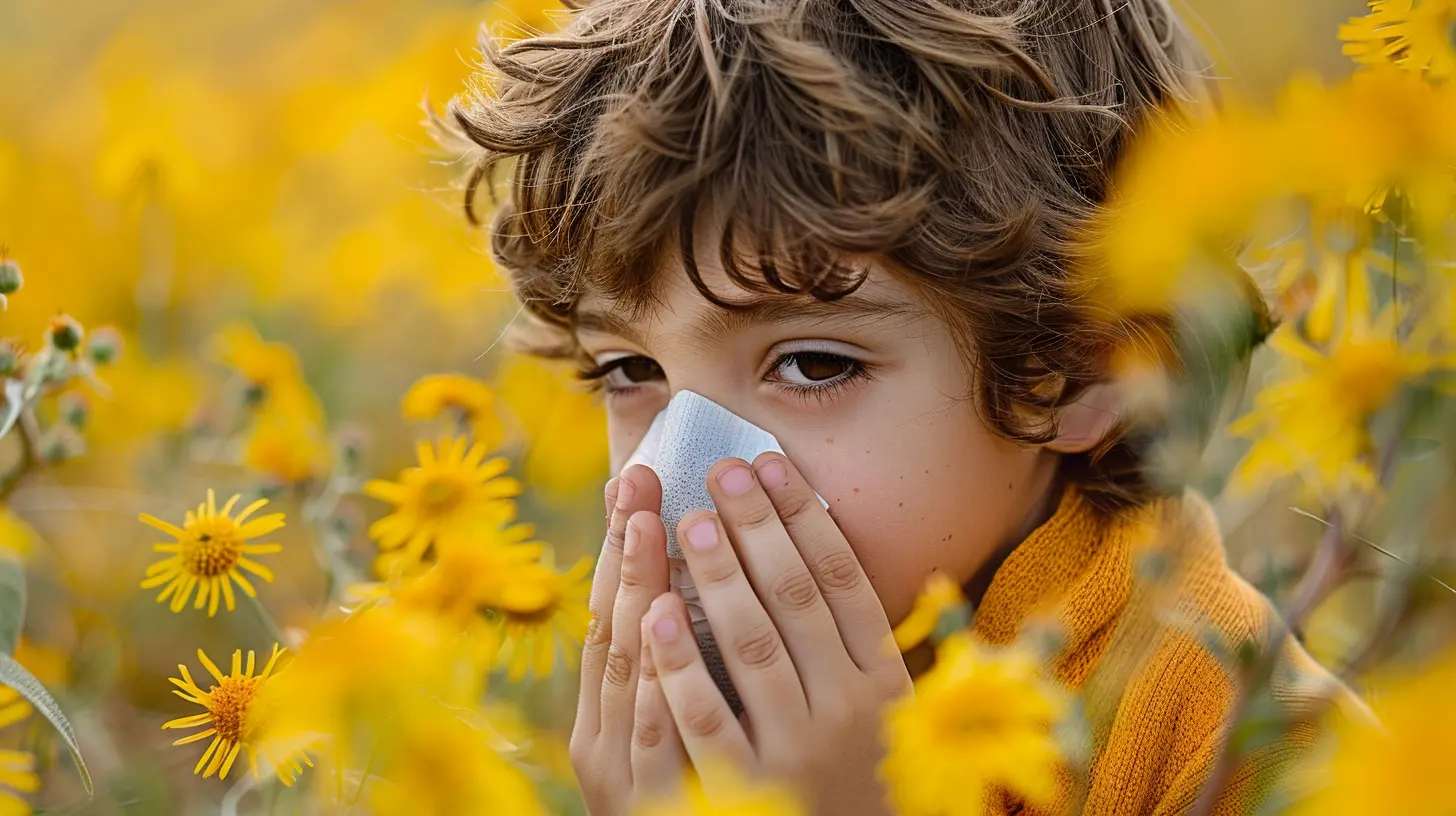
?️ What Exactly Is Childhood Asthma?
Let’s start with the basics. Childhood asthma is a chronic condition where the airways in the lungs become inflamed and narrow, making it tough for your child to breathe. It’s kind of like trying to suck a thick milkshake through a thin straw—frustrating, right?This condition is actually pretty common. Millions of kids around the world deal with asthma, but thankfully, it’s very manageable with the right care and attention.
? What Causes Childhood Asthma?
Okay, so what’s behind this whole asthma issue? While there’s no single villain here, several triggers and risk factors can flip the switch:1. Genetics
Did your parents or close relatives have asthma? If yes, your child might have drawn the short straw in the genetic lottery. Asthma often runs in families.2. Allergies
Dust mites, pet dander, pollen, mold—you name it. If your child has allergies, they may also have asthma. It’s like the annoying cousin who shows up uninvited.3. Respiratory Infections
Ever notice your child wheezing after a cold or flu? That’s not a coincidence. Respiratory infections can trigger or worsen asthma in young children.4. Environmental Factors
Pollution, cigarette smoke, strong odors, or even cold air can aggravate those tiny lungs. Think of it as your kiddo's lungs being a bit more high-maintenance than others.5. Physical Activity
Ironically, running, jumping, and playing (which are all healthy and fun!) can sometimes trigger asthma symptoms. This is called exercise-induced asthma. But don’t worry, it doesn’t mean sports are off-limits.
? Recognizing the Symptoms
Asthma symptoms can sneak up like a ninja in the night. Sometimes, it’s just a cough that won’t quit. Other times, it’s full-on breathing trouble. Here's what you should look out for:- Persistent coughing (especially at night)
- Wheezing or whistling sounds when breathing
- Shortness of breath
- Chest tightness
- Fatigue (because breathing is exhausting when it’s hard!)
And here’s the tricky part: these signs can come and go. One day your child feels fine, and the next, they’re struggling. That’s why it’s essential to be observant and act early.
⏰ When to Call the Doctor
Look, no one wants to be that parent who panics at every little cough, but with asthma, it’s better to be safe than sorry.Call your doctor if:
- Your child has frequent coughing or wheezing episodes
- Their symptoms get worse at night
- Medications aren’t helping as they should
- You notice your child avoiding activities they once loved (because it’s too hard to breathe)
And if your child is struggling to breathe, lips are turning blue, or they can’t speak in full sentences—drop everything and call emergency services. That’s a full-blown asthma emergency.
? How Is Asthma Diagnosed?
So now you're wondering, “How do I know for sure if it’s asthma?” Great question.Doctors typically start with:
- Medical history (including any family history of asthma or allergies)
- A physical exam
- Breathing tests like spirometry (for older children) to see how well the lungs are working
In some cases, they might also suggest allergy testing. It's not overly complicated—and the sooner you know, the sooner you can start managing it effectively.
? Treatment Options: What You Need to Know
Good news: Childhood asthma is very treatable.1. Quick-Relief (Rescue) Inhalers
These are like the superheroes of the asthma world. They swoop in during an asthma attack and open up the airways quickly. Think of them as your child’s emergency toolbelt.2. Long-Term Control Medications
These are taken daily to prevent symptoms. They reduce inflammation and make those airways less sensitive. You can think of them as the chill-pill your child’s lungs need to stay relaxed.3. Allergy Medications
If allergies are a known trigger, antihistamines or allergy shots might also be part of the game plan.It might take some time to find the right combo, and that’s okay. Every child is different, and it’s all about what works best for them.
?️ Building an Asthma Action Plan
This is your roadmap. No GPS required.An asthma action plan outlines:
- Daily medications
- Triggers to avoid
- What to do when symptoms appear
- When to seek emergency help
It’s like giving you a playbook for the “what ifs”—because when asthma flares up, you don’t want to be scrambling. You want to already know the game plan.
Most schools and daycare centers also require an action plan, so having one handy is doubly helpful.
? Managing Asthma at Home and Beyond
You don’t need to bubble wrap your child and banish them indoors. Childhood asthma can be managed with just a few smart moves.? Keep It Clean
Dust and allergens are the enemy. Regularly vacuum, wash bedding in hot water, and use dust-mite-proof covers on pillows and mattresses.? Pet Patrol
Love your furry friends? We get it. If your child is allergic, try keeping pets out of bedrooms and consider using air purifiers.? No Smoke Zone
This one’s a biggie. Don’t allow smoking in your home or car. Even third-hand smoke (smoke on clothes or furniture) can trigger symptoms.?️ Use a Humidifier... With Caution
Dry air can irritate airways, but too much humidity can invite mold. Find a healthy middle ground and clean your humidifier often.? Hand Hygiene
Since colds and viral infections can spiral into asthma attacks, teach your kids proper handwashing techniques. It’s the simplest defense move ever.? Asthma at School: What Parents Should Know
Your child spends a big chunk of their day away from you, and that’s okay—as long as their caregivers are in the loop.Here’s your game plan:
- Share their asthma action plan with teachers, school nurses, and coaches
- Make sure their rescue inhaler is accessible (and not locked away in a drawer!)
- Educate your child on how to recognize their symptoms and speak up
Some schools even allow kids to carry and use their inhalers themselves, depending on their age and maturity. Independence? Yes, please!
? Can Kids With Asthma Still Be Active?
Absolutely! Just because your little one has asthma doesn’t mean they’re sidelined.In fact, regular physical activity can strengthen lungs and reduce stress (a sneaky trigger for some). Just take precautions:
- Have your child use a rescue inhaler before physical activity if prescribed
- Make sure they warm up and cool down properly
- Choose “asthma-friendly” sports (like swimming) that are less likely to trigger symptoms
With the right support, your child can still be the MVP of the soccer team—or the next dance superstar.
? A Gentle Reminder: You’ve Got This
Having a child with asthma might feel like you're juggling flaming torches while walking a tightrope. But guess what? You're doing just fine.Sure, there will be tough days. But with awareness, the right tools, and a good support system, you’ll become a pro at recognizing signs, avoiding triggers, and helping your child thrive.
Take it one breath at a time (see what we did there?), and remember—millions of parents have your back.
? Final Thoughts
Managing childhood asthma isn’t about wrapping your child in cotton balls and whispering “breathe easy” every few minutes. It’s about being informed, prepared, and proactive. With the right care and a touch of humor, you and your little one can navigate the asthma journey without missing out on the joys of childhood.So stock that medicine cabinet, prep that asthma plan, and go enjoy that soccer practice or birthday party. Asthma might be a part of your life now—but it’s not running the show. You are.
all images in this post were generated using AI tools
Category:
Pediatric HealthAuthor:

Arthur McKeever