The Importance of Rest and Recovery for Cyclists
10 February 2026
In a world that glorifies hustle and non-stop grinding, it’s easy to think that more training equals better results. Especially for cyclists, who love the thrill of the ride, the rush of endorphins, and the satisfaction of smashing personal records. But here’s the truth bomb most people don’t talk about: Without proper rest and recovery, all that training can actually hold you back. Sounds a bit backward, right?
Stick with me, and you’ll see why embracing downtime isn’t just about kicking back—it’s actually a secret weapon for becoming a stronger, faster, and smarter cyclist.
Why Recovery Isn’t Just “Doing Nothing”
Let’s get one thing clear: Rest isn’t laziness. It's strategy.When you're pedaling hard, tearing up those hills or crushing your intervals, you’re actually putting stress on your body—tiny micro-tears form in your muscles, your energy stores get depleted, and your nervous system takes a hit. That’s normal and necessary. But here's the kicker: the gains don’t happen during the workout. They happen after.
Recovery is when your body does the real magic. It rebuilds those muscles, replenishes glycogen stores, and strengthens your systems to handle more load next time. If you skip rest? You’re just stacking stress on top of stress. Eventually, that leads to burnout, injury, or worse—plateauing.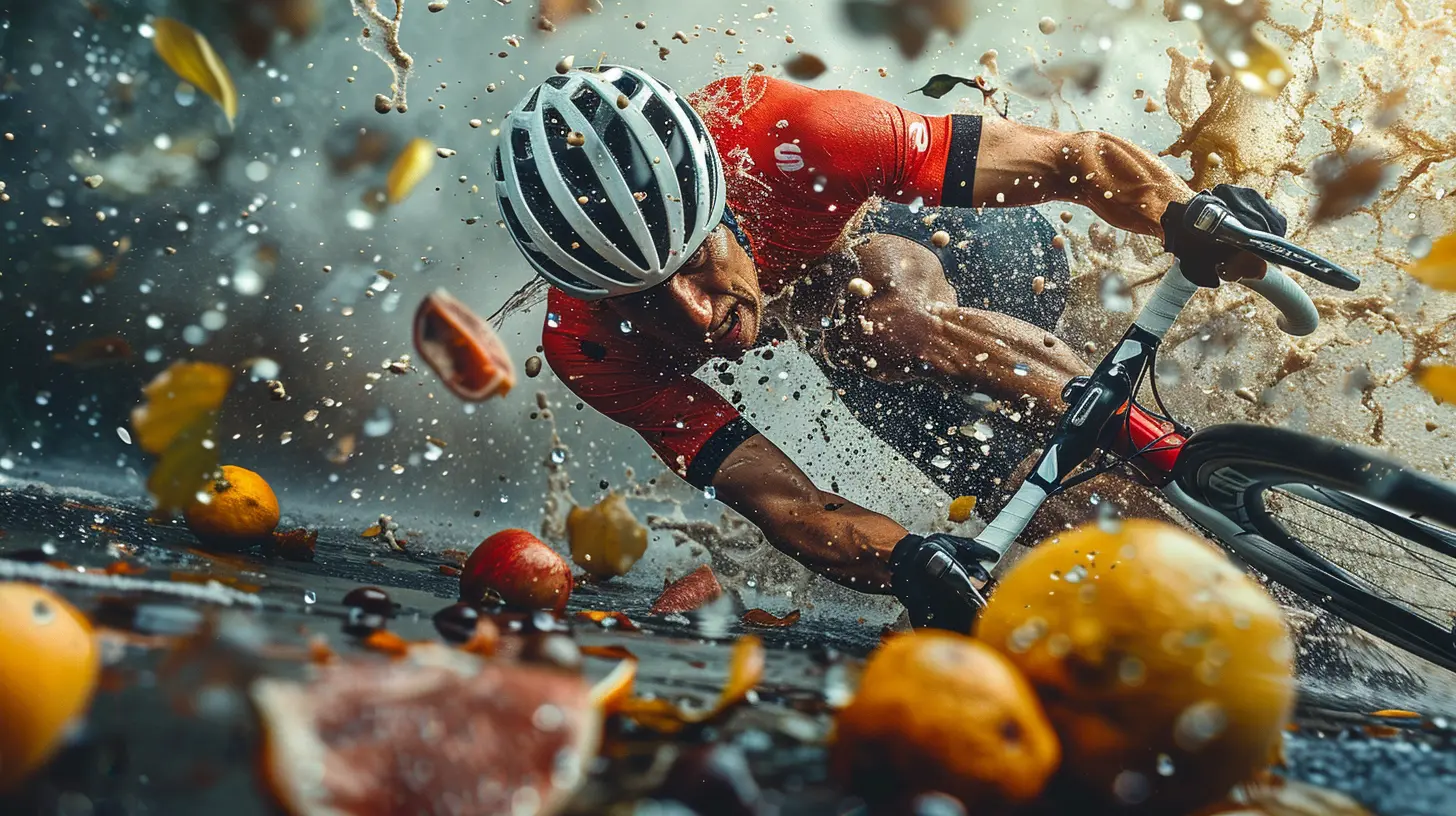
The Science Behind Rest: It’s Not Just Woo-Woo
Okay, so let’s nerd out for a second.When you train, your body enters a catabolic state—a breakdown phase. Your cortisol levels go up (that’s the stress hormone), your muscles break down, and your immune system gets weaker. During recovery, your body shifts into an anabolic state—this is your rebuilding phase, where growth hormone kicks in, protein synthesis happens, and your body adapts to handle more load.
Without recovery, that balance tips. You stay in breakdown mode too long, leading to:
- Chronic fatigue
- Decreased performance
- Poor sleep
- Higher risk of injury
- Mental burnout
Not exactly the stuff cycling legends are made of, right?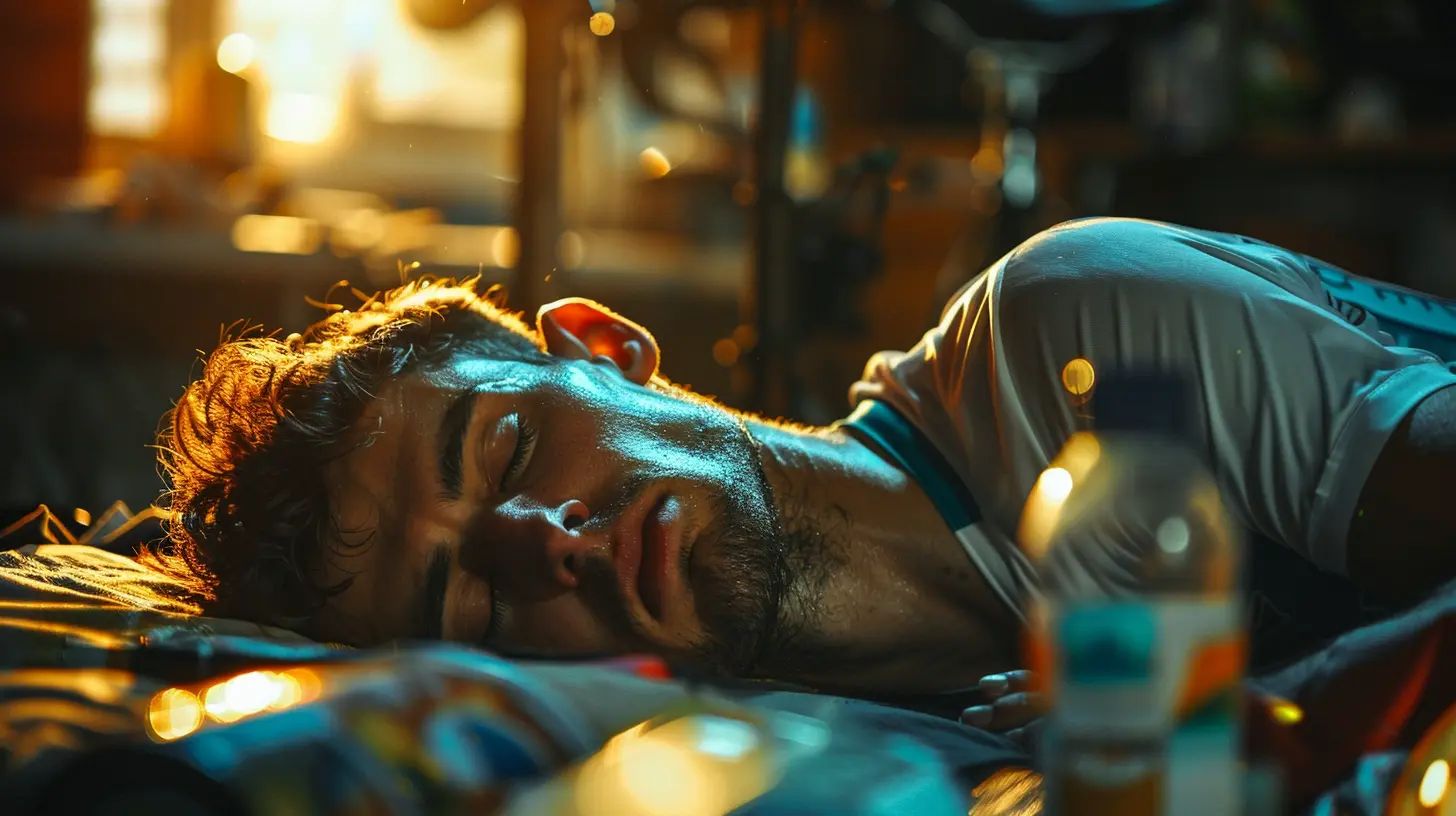
Active vs Passive Recovery: What’s The Deal?
Not all recovery means laying on the couch bingeing series (although that has its place too). There are two key types of recovery, and both are useful:Passive Recovery
This is full-on rest. No exercise, no effort. Just sleep, nap, chill. It’s ideal after heavy races, intense training blocks, or when you’re injured or overtrained.Active Recovery
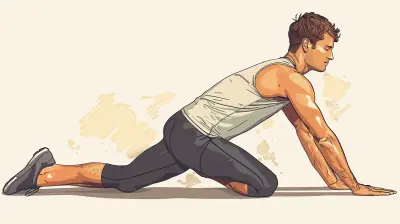
Think light spinning, yoga, walking, or swimming. It's low-intensity movement that keeps the blood flowing without adding stress. It helps flush out metabolic waste, reduces stiffness, and speeds up muscle repair.Pro tip: A short, easy ride the day after a tough session can actually help you recover faster than complete rest.
Signs You're Not Recovering Enough
Ever feel like your legs are made of concrete, no matter how much you ride?That’s your body waving a red flag. Here are some common signs you're skimping on recovery:
- You’re always tired, even after a solid night’s sleep
- Your performance is going downhill
- You're irritable or unmotivated (hello, mood swings)
- Resting heart rate is higher than normal
- Sore muscles that just won’t quit
- You keep getting sick or injured
If any of this sounds familiar, it might be time to press pause.
Building Rest Into Your Training Plan
Now, I get it—taking time off sounds like the enemy of progress. But here’s the flip: Recovery is training. It just looks different.Here’s how to make rest a regular part of your routine:
1. Schedule Rest Days
Don’t leave it to chance. Pencil in at least one full rest day per week. Treat it like any other workout—because it is.2. Use the 80/20 Rule
80% of your cycling should be at lower intensity, and 20% can be hard efforts. This allows for better adaptation without frying your system.3. Follow Training Cycles
Structure your plan in 4-week blocks: three weeks of building intensity, followed by a "deload week" with reduced volume and effort. Think of it as a pit stop for your body.Sleep: The OG Recovery Tool
If there’s one recovery tool more powerful than anything on the market, it’s sleep.During deep sleep, your body releases growth hormone, repairs tissues, balances hormones, and boots your immune system into high gear. Poor sleep, on the other hand, wrecks reaction time, mood, and energy.
Tips for Better Sleep:
- Stick to a wind-down routine- Limit screen time before bed
- Keep your room cool and dark
- Avoid caffeine late in the day
- Don’t train too close to bedtime
Aim for 7–9 hours a night. Trust me, your body and your bike times will thank you.
Nutrition: Fueling the Recovery Engine
You wouldn’t drive a car on empty, right? Same goes for your body.Post-Ride Nutrition Matters—A Lot
After a hard ride, your muscles are like dry sponges. They desperately need fuel to start repairing. Focus on:- Protein: Helps rebuild muscles (aim for 20-30 grams post-ride)
- Carbs: Replenish glycogen stores (yes, carbs are your friend!)
- Hydration: Water, electrolytes—don’t underestimate them
Timing helps too. Try to eat within 30–60 minutes after your ride when your body is primed to absorb nutrients.
The Mental Side of Recovery
Cycling isn’t just a physical game. It’s a mental one too.You can train your legs to spin for hours, but if your mind is toast, it’ll drag your whole performance down. Burnout, anxiety, lack of motivation—these are all signs your brain needs a break.
Mental Recovery Tools:
- Mindfulness or meditation- Journaling
- Time away from the bike
- Hobbies that have nothing to do with training
Don’t wait until you’re mentally fried. Make emotional recovery part of your training routine.
Recovery Tools That Actually Work
Alright, let’s talk gadgets and hacks. With so many tools out there, which ones actually help?Foam Rolling
Great for ironing out tight spots and improving blood flow.Compression Gear
May help reduce muscle soreness by boosting circulation.Massage Guns
Simulate a deep tissue massage at home. Just don’t overdo it—you’re not tenderizing meat.Ice Baths
Controversial, but some athletes swear by them for reducing inflammation.Recovery Drinks
Convenient and effective when you’re short on time or appetite after a ride.Just remember: tools are supplements, not replacements for proper sleep, nutrition, and rest days.
Listening to Your Body: The Ultimate Recovery Skill
You’re not a robot. You’re a complex, ever-changing human, and no plan—no matter how fancy—can replace good old self-awareness.Pay attention to how you feel, both physically and mentally. Listen to your energy levels, your mood, your motivation. If everything’s screaming for a break, don’t ignore it. That’s your edge—not weakness.
Final Thoughts: Rest is Where Champions are Made
At the end of the day, cycling is a long game. It’s about consistency, longevity, and smart training—not just pushing harder every time you hop on your bike.Recovery is not a reward for hard work. It’s part of the hard work.
So next time you feel guilty about taking a rest day, remember this: Every time you rest, you're investing in stronger legs, sharper focus, and a longer ride career. You're not falling behind—you're setting yourself up to surge ahead.
So go ahead—put your feet up. You've earned it.
all images in this post were generated using AI tools
Category:
Cycling FitnessAuthor:

Arthur McKeever
Discussion
rate this article
2 comments
Anastasia Banks
Remember, even your bike needs a break! Just like those wheels, we cyclists must recharge. So grab a cozy blanket, a snack, and let the magic of rest boost your next ride!" 🚴♂️💤
February 22, 2026 at 4:06 PM
Arthur McKeever
Absolutely! Just as our bikes benefit from maintenance, so do we. Rest is essential for optimal performance and recovery. Enjoy that cozy downtime! 🚴♂️✨
Capri Reed
Rest reveals hidden strength.
February 12, 2026 at 4:05 AM
Arthur McKeever
Absolutely! Rest is essential for uncovering our true potential.