How to Keep Your Heart Healthy After the Age of 50
17 March 2026
Aging is a natural process, but how we take care of our bodies determines the quality of life we enjoy in our later years. When it comes to heart health, turning 50 isn’t just another birthday—it’s an important milestone where we need to show our hearts extra care.
Your heart has been working tirelessly for decades, and now is the perfect time to ensure it stays in top shape. But don't worry—you don’t need to overhaul your entire lifestyle overnight. Making small, meaningful changes can significantly improve your heart health and keep you feeling youthful and energetic.
So, how can you keep your heart healthy after 50? Let’s dive in!
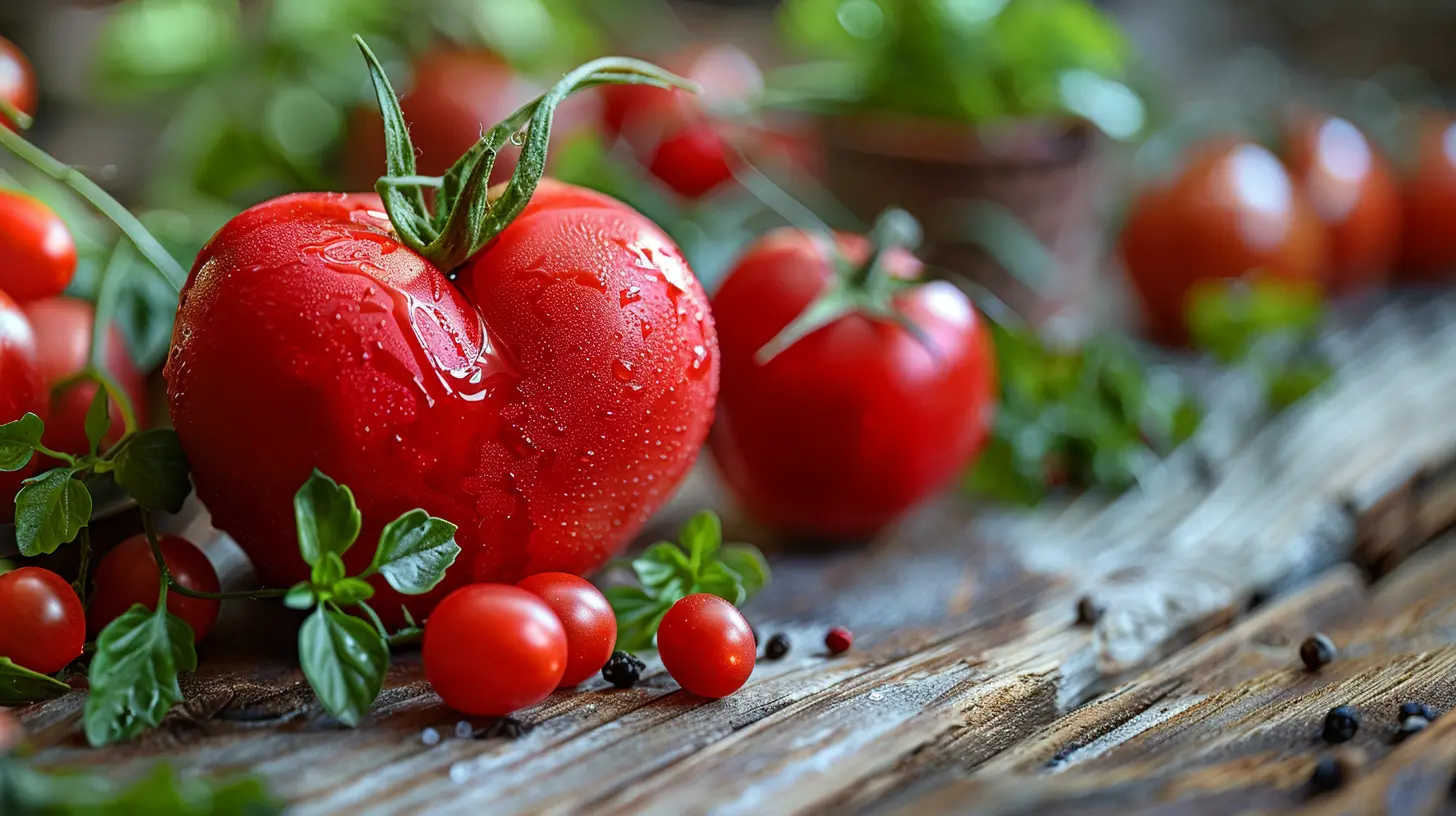
1. Eat a Heart-Healthy Diet
They say, “You are what you eat,” and when it comes to heart health, this couldn’t be more true. The food you put on your plate plays a crucial role in maintaining a strong and healthy heart.What Should You Eat?
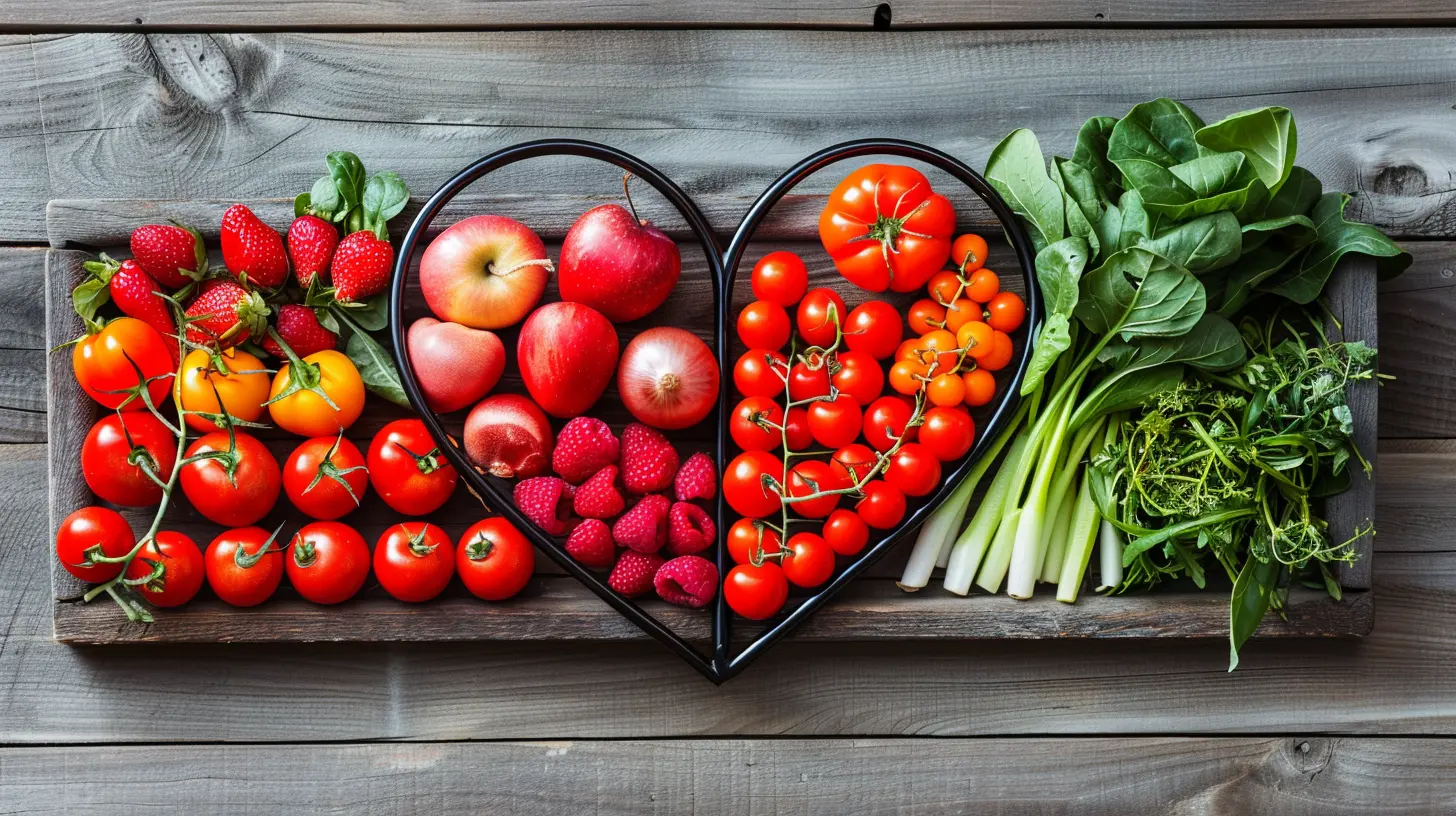
- Leafy Greens – Spinach, kale, and Swiss chard are packed with vitamins, minerals, and antioxidants that support heart function.- Fatty Fish – Salmon, mackerel, and sardines are rich in omega-3 fatty acids, which help lower inflammation and reduce the risk of heart disease.
- Whole Grains – Oats, quinoa, brown rice, and whole wheat bread provide fiber, which helps control cholesterol and blood pressure.
- Berries – Blueberries, strawberries, and raspberries are loaded with antioxidants that promote heart health.
- Nuts and Seeds – Almonds, walnuts, and flaxseeds contain healthy fats that support heart function.
What Should You Avoid?
- Processed Foods – Packaged snacks, frozen dinners, and sugary cereals often contain high amounts of salt, sugar, and unhealthy fats.- Excessive Salt – Too much sodium can contribute to high blood pressure, increasing the risk of heart disease.
- Sugary Drinks – Sodas, energy drinks, and even some fruit juices can spike blood sugar and contribute to obesity and diabetes, both of which strain the heart.
- Trans Fats – Found in margarine, fried foods, and packaged baked goods, trans fats raise bad cholesterol (LDL) and lower good cholesterol (HDL).

2. Stay Physically Active
We all know exercise is good for us, but staying active after 50 is especially important for heart health. The good news? You don’t need to spend hours in a gym to reap the benefits.Best Exercises for Heart Health
- Walking – One of the simplest and most effective exercises. Aim for at least 30 minutes of brisk walking most days of the week.- Swimming – A low-impact workout that gets your heart pumping without putting stress on your joints.
- Strength Training – Lifting light weights or using resistance bands can help maintain muscle mass and improve circulation.
- Yoga and Stretching – Helps reduce stress and improve flexibility, contributing to overall cardiovascular health.
Consistency is key! Even if you start small, moving your body regularly is what matters most.
3. Manage Stress Levels
Stress is often called the "silent killer" because it quietly affects heart health. When you're stressed, your body releases cortisol, which can increase blood pressure and inflammation over time. So, managing stress is just as important as eating well and exercising.How to Reduce Stress Naturally?
- Practice Deep Breathing – Taking slow, deep breaths helps activate your body’s relaxation response.- Meditation and Mindfulness – Spending just 10 minutes a day in quiet reflection can significantly lower stress levels.
- Enjoy Hobbies – Whether it’s gardening, painting, or playing music, doing what you love is a stress reliever.
- Connect with Loved Ones – Social interaction is powerful. A good laugh or heartfelt conversation can do wonders for your heart.
- Get Out in Nature – A walk in the park, a trip to the beach, or simply sitting under a tree can have a calming effect.
4. Get Enough Quality Sleep
Never underestimate the power of good sleep! Poor sleep has been linked to high blood pressure, obesity, and irregular heart rhythms.Tips for Better Sleep
- Stick to a regular sleep schedule—even on weekends.- Create a bedtime routine (read, take a warm bath, or listen to calming music).
- Avoid screens at least an hour before bed.
- Keep your bedroom cool, dark, and quiet.
- Limit caffeine and heavy meals in the evening.
Quality sleep isn't a luxury—it’s a necessity for your heart’s well-being.
5. Keep an Eye on Your Blood Pressure and Cholesterol
High blood pressure (hypertension) and high cholesterol are major risk factors for heart disease. The tricky part? They often don’t have obvious symptoms. That’s why regular check-ups are crucial.How to Maintain Healthy Levels?
- Monitor Your Blood Pressure – Invest in a home blood pressure monitor to track your readings.- Eat Heart-Healthy Foods – Cut back on salt and saturated fats while increasing fiber intake.
- Stay Active – Regular movement helps keep blood pressure and cholesterol in check.
- Take Medications as Prescribed – If your doctor prescribes medication, be sure to take it consistently.
6. Stay Hydrated
Drinking enough water helps maintain proper blood circulation, supports kidney function, and keeps your heart from working too hard.How Much Water Should You Drink?
While individual needs vary, a general rule of thumb is around 8-10 glasses of water per day. If you’re physically active or live in a hot climate, you may need more!Pro tip: If you struggle with plain water, try infusing it with lemon, cucumber, or mint for a refreshing twist.
7. Limit Alcohol and Quit Smoking
It's no secret that smoking harms your heart. If you haven’t quit yet, now's the time. Similarly, excessive alcohol consumption can raise blood pressure and contribute to heart disease.Healthier Choices
- Quit Smoking – Your heart begins to heal the moment you stop. If you need help, talk to your doctor or join a support group.- Drink Alcohol in Moderation – If you drink, stick to moderate amounts—one drink per day for women and up to two for men.
8. Get Regular Health Checkups
Prevention is better than cure. Seeing your doctor regularly ensures potential issues are caught early, before they become serious problems.Important Tests for Heart Health
- Blood pressure check- Cholesterol screening
- Blood sugar test
- Electrocardiogram (EKG)
- Heart ultrasound (if needed)
Think of these checkups as an investment in your future health.
Final Thoughts
Keeping your heart healthy after 50 doesn’t have to be complicated. Small, consistent efforts—like eating nutritious foods, staying active, managing stress, getting good sleep, and avoiding harmful habits—can make a world of difference.Remember, your heart has been working hard for you all these years—now it’s time to return the favor. Start making heart-friendly choices today, and your future self will thank you!
all images in this post were generated using AI tools
Category:
Heart HealthAuthor:

Arthur McKeever
Discussion
rate this article
2 comments
Harmony McInnes
Great article! Prioritizing heart health after 50 is essential, and your tips are both practical and inspiring. Remember that small lifestyle changes can make a significant impact. It's never too late to embrace a healthier lifestyle. Thank you for sharing these valuable insights to help us all thrive!
March 20, 2026 at 5:21 AM
Arthur McKeever
Thank you for your kind words! I'm glad you found the tips helpful. Prioritizing heart health is indeed vital, and every small step counts!
Clara McDonald
Great insights! Maintaining heart health after 50 is crucial. Regular exercise, a balanced diet, and routine check-ups can make a significant difference. It’s never too late to prioritize your heart health—start today!
March 19, 2026 at 5:46 AM
Arthur McKeever
Thank you for your feedback! Absolutely, prioritizing heart health is key at any age, and those steps can truly make a difference.