How Minerals Influence Metabolic Health
9 June 2026
Metabolism might sound like one of those sciencey words only gym buffs or doctors throw around, but here's the truth—your metabolism is working 24/7, whether you're binge-watching Netflix or going for a run. It's your body's engine, constantly converting food into energy and managing countless functions that keep you alive and kicking. But did you know that minerals—those often-overlooked micronutrients—play a huge role in how well your metabolism runs?
In this article, we’re diving deep (but keeping it simple) into how minerals influence your metabolic health. Trust me, by the time you're done reading, you’ll be checking the back of your supplement bottle and your next grocery list twice.
What Is Metabolic Health, Anyway?
Before we jump into minerals, let’s get a good grip on metabolic health. At its core, it refers to how well your body processes and uses energy. A person with good metabolic health has:- Stable blood sugar levels
- Balanced cholesterol levels
- Healthy blood pressure
- Ideal waist circumference
Basically, it means your body’s systems are working efficiently. When things go south—hello insulin resistance, high blood pressure, or extra belly fat—that’s when your metabolic health is out of whack.
And guess what plays a massive role in keeping all these systems in sync? Yep—you guessed it: minerals.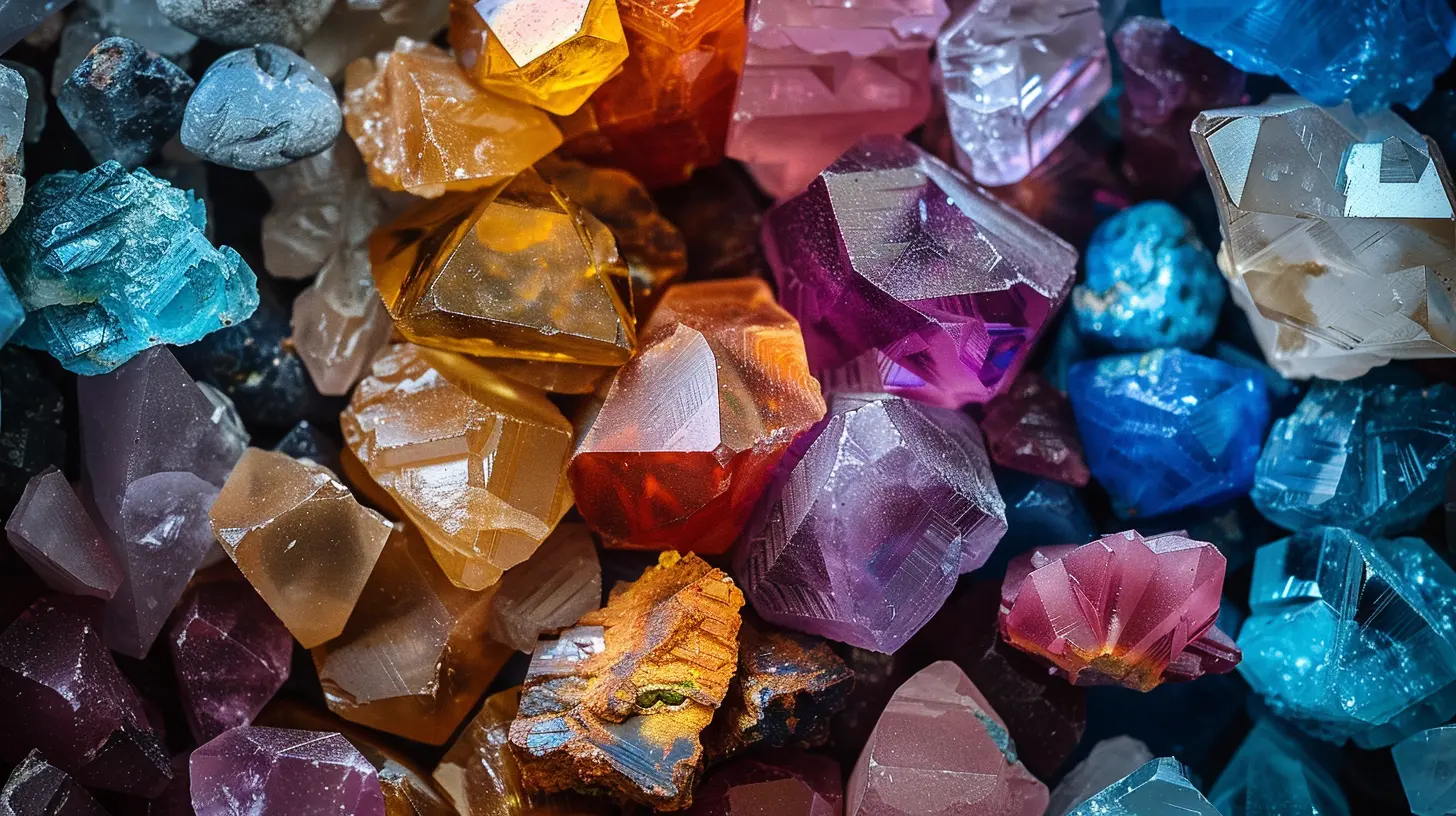
Why Minerals Matter More Than You Think
When people think of nutrients, they usually picture vitamins—and sure, those are important. But minerals? They’re the behind-the-scenes MVPs. These tiny powerhouses work in harmony with enzymes, hormones, and cells to keep metabolism humming like a well-oiled machine.Let’s break it down and look at which minerals pack the biggest punch for metabolic health.
1. Magnesium—The Metabolic Master Key
Ever feel tired for no good reason? Crave chocolate like your life depends on it? Feel like your body just isn’t "clicking"? You might be short on magnesium.Magnesium is essential for over 300 enzyme reactions, many of which are tied to energy production and glucose metabolism. It helps regulate blood sugar levels, supports insulin function, and even impacts how your body stores fat.
How it helps:
- Improves insulin sensitivity
- Enhances energy production in cells
- Reduces systemic inflammation (a key player in metabolic disease)
Sources to load up on:
- Leafy greens (like spinach)
- Nuts and seeds
- Whole grains
- Avocados (extra guac, anyone?)
2. Zinc—The Blood Sugar Balancer
Zinc might be best known for boosting immunity, but its role in metabolism is huge. It helps regulate insulin production and allows your body to use carbs, fats, and proteins effectively.Low zinc levels? That can lead to impaired glucose control and increased inflammation—two things you definitely don’t want if you're trying to keep your metabolism in check.
How it helps:
- Supports healthy insulin response
- Protects pancreatic cells (where insulin is made)
- Helps break down carbs
Top sources of zinc:
- Oysters (they’re #1!)
- Beef and chicken
- Pumpkin seeds
- Legumes like chickpeas and lentils
3. Iron—The Energy Enabler
Iron is like the delivery truck that brings oxygen (aka fuel) to your muscles and organs. Without enough of it, expect fatigue, poor workout performance, and slow metabolic function.But here's the twist—too much iron can also mess things up. Iron overload has been linked to insulin resistance and metabolic syndrome. Balance really is everything.
How it helps:
- Carries oxygen to tissues
- Powers up cellular energy production
- Supports thyroid hormone synthesis
Best sources:
- Red meat (in moderation)
- Beans and lentils
- Tofu
- Dark leafy greens (pair them with vitamin C-rich foods for better absorption)
4. Chromium—The Glucose Gatekeeper
Chromium is a trace mineral, meaning your body only needs a tiny amount, but its impact is anything but small. It enhances the action of insulin, making it easier for cells to absorb glucose from the blood.Struggling with sugar cravings or constantly feeling hungry? Chromium might be the missing piece to your puzzle.
How it helps:
- Increases insulin effectiveness
- Aids in carbohydrate metabolism
- Helps reduce cravings and crashes
Where to find it:
- Broccoli (yep, eat your veggies)
- Whole grains
- Grape juice
- Meats and poultry
5. Iodine—The Thyroid’s Best Friend
Your thyroid gland is the command center of your metabolism. And iodine is the mineral that keeps it functioning properly. Without enough iodine, the thyroid can underperform—a condition known as hypothyroidism—which slows down metabolism, causes fatigue, and can lead to weight gain.How it helps:
- Supports thyroid hormone production
- Regulates energy expenditure
- Maintains healthy body temperature and heart rate
Good sources:
- Iodized salt (yes, it still matters)
- Seaweed
- Fish and shellfish
- Dairy products
6. Selenium—The Antioxidant Protector
Think of selenium as your body's personal bodyguard. It protects cells from damage, supports thyroid health, and works hand-in-hand with iodine. It also helps reduce inflammation—a major culprit behind metabolic disorders.How it helps:
- Shields cells from oxidative stress
- Supports proper thyroid hormone metabolism
- Reduces markers of inflammation
Top food choices:
- Brazil nuts (just one or two a day will do)
- Tuna and sardines
- Eggs
- Mushrooms
7. Calcium—More Than Bones
Yes, calcium builds strong bones. But it also plays a direct role in regulating body weight and fat storage. It helps cells respond to insulin more efficiently and can influence how your body breaks down and stores fat.Bonus: a calcium-rich diet has also been linked to lower levels of abdominal fat.
How it helps:
- Improves insulin sensitivity
- Supports fat metabolism
- Helps regulate hunger hormones
Best sources:
- Greek yogurt
- Cheese (in reasonable amounts)
- Almonds
- Leafy greens like kale and bok choy
8. Potassium—The Fluid Balancer
Potassium's main job is to maintain fluid balance and keep your heart ticking at a healthy rhythm. But it also has metabolic perks—like managing blood pressure, aiding muscle function, and balancing blood sugar levels.High-sodium diets can throw your mineral balance out of whack. Getting enough potassium helps counteract this and supports better metabolic health.
How it helps:
- Controls blood pressure
- Regulates insulin and glucose levels
- Reduces muscle cramps and fatigue
Top potassium-rich foods:
- Bananas (obviously)
- Sweet potatoes
- Beans
- Coconut water
What Happens When You’re Deficient?
Here’s the not-so-great news: mineral deficiencies can quietly sabotage your metabolic health. And they’re more common than you think—especially if your diet is heavy on processed foods or you're skipping meals.Symptoms might include:
- Fatigue and low energy
- Brain fog
- Sugar cravings
- Weight gain (especially belly fat)
- Blood sugar swings
If any of those hit close to home, it might be time to review your mineral intake.
Can You Get All Your Minerals From Food?
Short answer—yes, in an ideal world. But let’s be real here: most of us aren’t eating a perfect, home-cooked, nutrient-dense meal three times a day.That’s where smart supplementation can come in. But always talk to your doc before starting anything new. Too much of certain minerals (like iron or selenium) can actually backfire.
Daily Habits That Help Balance Minerals
Good news? You don’t need a science degree to support your mineral balance. Here are some super do-able tips:- Eat a variety of whole foods (include veggies, whole grains, lean proteins, and healthy fats)
- Stay hydrated (your cells need water to function properly)
- Limit processed foods (they’re often low in essential minerals)
- Exercise regularly (sweating helps detox the body and improve metabolic function)
- Get enough sleep (your body restores mineral balance while you sleep)
Final Thoughts
So there you have it—minerals aren’t just some footnote on the nutrition label. They’re essential players in the metabolic orchestra, making sure every system in your body stays in harmony. Whether it’s magnesium helping you unlock energy, zinc balancing your blood sugar, or iodine tuning your thyroid, each mineral has its own unique role.Trying to improve your metabolic health? Don’t just focus on calories and carbs. Zoom out and show your minerals some love. They just might hold the key to feeling—and functioning—your best.
all images in this post were generated using AI tools
Category:
MineralsAuthor:

Arthur McKeever
Discussion
rate this article
1 comments
Brick McFee
Minerals are often overlooked yet play a crucial role in metabolic processes. Balancing mineral intake can unlock potential improvements in health and overall well-being.
June 16, 2026 at 2:50 AM
Arthur McKeever
You're absolutely right. Minerals are essential to our metabolism, and getting the right balance can really enhance our health. Thanks for highlighting their importance!