How to Improve Your Cycling Speed and Stamina
27 March 2026
Cycling is an incredible way to stay fit, challenge yourself, and even compete. But let’s be honest—if you're not improving your speed and stamina, you're leaving a lot on the table. Whether you're a beginner or a seasoned cyclist, there's always room for improvement. So, how do you push past your limits and become a faster, stronger rider?
Let's break it down with some no-nonsense, practical tips to help you boost both speed and endurance on the bike.
1. Build a Strong Aerobic Base
Before you work on speed, you need a solid foundation of endurance. Think of it like building a house—without a strong base, everything collapses.How to do it?
- Long, steady rides – Aim for 2-4 hour rides at a moderate pace (65-75% of your max heart rate). This improves your cardiovascular system and teaches your body to use fat as fuel.
- Consistency – Riding once a week won’t cut it. If you want real gains, aim for at least 3-4 rides per week.
2. Incorporate Interval Training
If endurance is your foundation, interval training is the turbo boost. High-intensity intervals help improve your speed, power, and stamina by pushing your body out of its comfort zone.Try this:
- Warm up for 10-15 minutes.
- Sprint at max effort for 30 seconds.
- Recover at easy pace for 90 seconds.
- Repeat for 6-8 rounds.
- Cool down for 10 minutes.
This type of training increases your VO2 max, meaning your body can handle intense efforts for longer.
3. Strength Training Off the Bike
Cycling alone won’t make you the strongest rider. You need muscular endurance, especially in your legs and core.Best exercises for cyclists:
- Squats & Lunges – Improve leg power for faster accelerations.- Deadlifts – Strengthen your glutes and hamstrings (essential for pedaling power).
- Planks & Russian Twists – A strong core means better balance and efficiency on the bike.
Try adding resistance training 2-3 times per week for maximum benefits.
4. Optimize Your Cadence
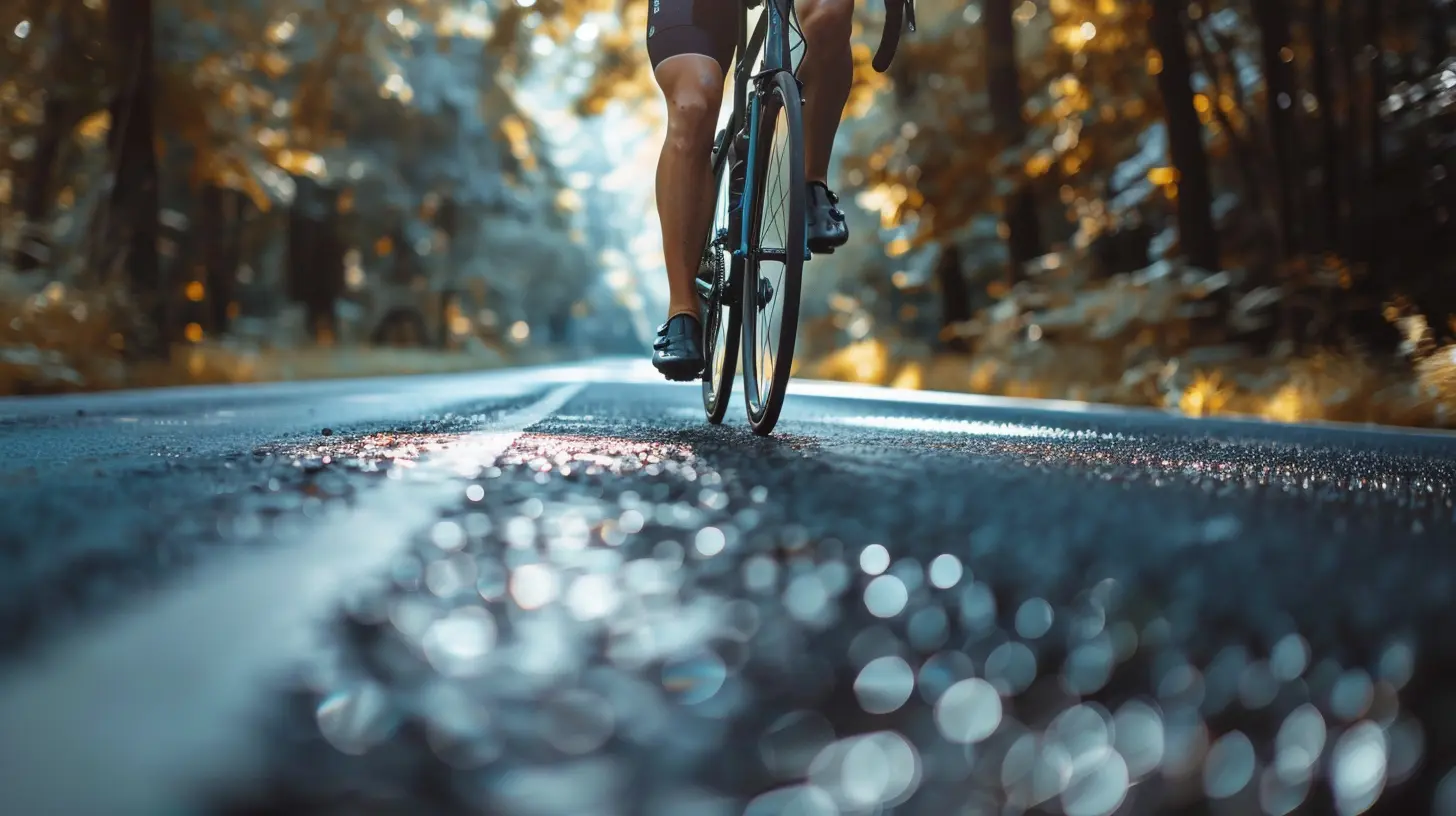
Cadence (or how fast you pedal) plays a huge role in speed and stamina. A common mistake? Grinding too hard in a high gear.- Ideal cadence – Aim for 80-100 RPM (revolutions per minute).
- How to check? – Count how many times one leg goes around in 30 seconds, then double it.
- Why it matters? – A higher cadence reduces muscle fatigue and helps conserve energy.
If you’re pedaling too slowly, shift to an easier gear. If you’re spinning too fast and feel out of control, shift up.
5. Fuel Your Body Properly
Would you expect a car to run without gas? Same applies to your body. Poor nutrition leads to poor performance.Pre-Ride Nutrition:
- Carbs – Oatmeal, bananas, or whole-grain toast for sustained energy.- Protein – A small amount (like eggs or yogurt) to prevent muscle breakdown.
During Your Ride:
- Hydration – Sip water every 10-15 minutes. For rides over an hour, consider an electrolyte drink.- Snacks – Energy bars, gels, or dried fruit to maintain energy levels.
Post-Ride Recovery:
- Protein & carbs within 30 minutes – A smoothie with protein powder or a simple chicken-and-rice meal helps muscle recovery.
6. Work on Your Riding Technique
Bad form = wasted energy. Good technique = better efficiency.Key areas to focus on:
- Relax your upper body – Many cyclists waste energy by tensing up their shoulders and arms. Keep them loose.- Maintain an aerodynamic position – Keep your elbows slightly bent and your body low to reduce wind resistance.
- Pedal efficiently – Instead of mashing down on the pedals, focus on a smooth, circular motion. Think of scraping mud off your shoe during the upstroke.
7. Ride with Faster Cyclists
Ever heard the phrase "you are who you surround yourself with"? Well, the same applies to cycling.Riding with stronger cyclists forces you to push harder, keep up, and learn from more experienced riders. Join a local cycling group or challenge yourself by riding with friends who are a bit faster than you.
8. Get Enough Rest and Recovery
More training doesn’t always mean better performance. Overtraining leads to fatigue, burnout, and even injuries.Signs you need a break:
- Legs feel heavy and sluggish.- Constant fatigue, even after a good night's sleep.
- Decrease in performance despite consistent training.
Make sure you're getting quality sleep, incorporating recovery rides, and taking at least one full rest day per week.
9. Use Proper Bike Setup
A poorly fitted bike can slow you down and even cause injuries. Small tweaks can make a huge difference in speed and comfort.Key adjustments to check:
- Saddle height – Too low? You’re wasting energy. Too high? You’ll lose power. Aim for a slight bend in your knee at the bottom of the pedal stroke.- Handlebar position – Adjust for aerodynamic efficiency and comfort.
- Tire pressure – Underinflated tires create drag. Keep them at the recommended PSI for your type of riding.
10. Stay Mentally Tough
Cycling isn’t just a physical game—it’s a mental battle too. To push your limits, you need mental resilience.Strategies to stay mentally strong:
- Set small, achievable goals (e.g., "I’ll hold this pace for 5 more minutes").- Use positive self-talk ("I’ve got this, just keep going").
- Break long rides into manageable segments ("Just make it to the next hill").
The stronger your mind, the farther (and faster) you’ll go!
Final Thoughts
Improving your cycling speed and stamina isn’t about just riding more—it’s about riding smarter. By building endurance, incorporating intervals, fueling properly, and focusing on form, you’ll see real improvements.It won’t happen overnight, but with consistency and the right approach, you’ll soon find yourself riding faster and longer than ever before. So, what are you waiting for? Get out there and start pushing your limits!
all images in this post were generated using AI tools
Category:
Cycling FitnessAuthor:

Arthur McKeever
Discussion
rate this article
2 comments
Noelle Graham
Sure, just pedal faster and breathe less—who knew speed could be so simple?!
March 31, 2026 at 4:43 PM
Arthur McKeever
I appreciate your humor! Improving speed involves more than just pedaling faster; it's about training, technique, and endurance. Happy cycling!
June Baxter
Ah, yes! Because who wouldn’t want to pedal like a caffeinated rabbit on a caffeine rush? Just remember, if you fall off, at least you’ll have great ‘speed’ stories!
March 31, 2026 at 4:37 AM
Arthur McKeever
Haha, great perspective! Embracing the ride (and the falls) definitely adds to the adventure! 🚴♂️💨