Home Gym Setup: How to Create a Space for Effective Workouts
17 July 2026
Let’s be honest—getting to the gym can feel like a workout in itself. Between traffic, finding parking, and waiting in line for equipment, it’s enough to make you want to skip leg day altogether. That’s where having a home gym comes in.
But here's the kicker: you don’t need a mansion or a six-figure budget to create a killer workout space at home. All it takes is thoughtful planning, a little creativity, and a clear understanding of your fitness goals. So, grab a water bottle, put on your workout playlist, and let’s break down how to set up a home gym that actually gets you moving.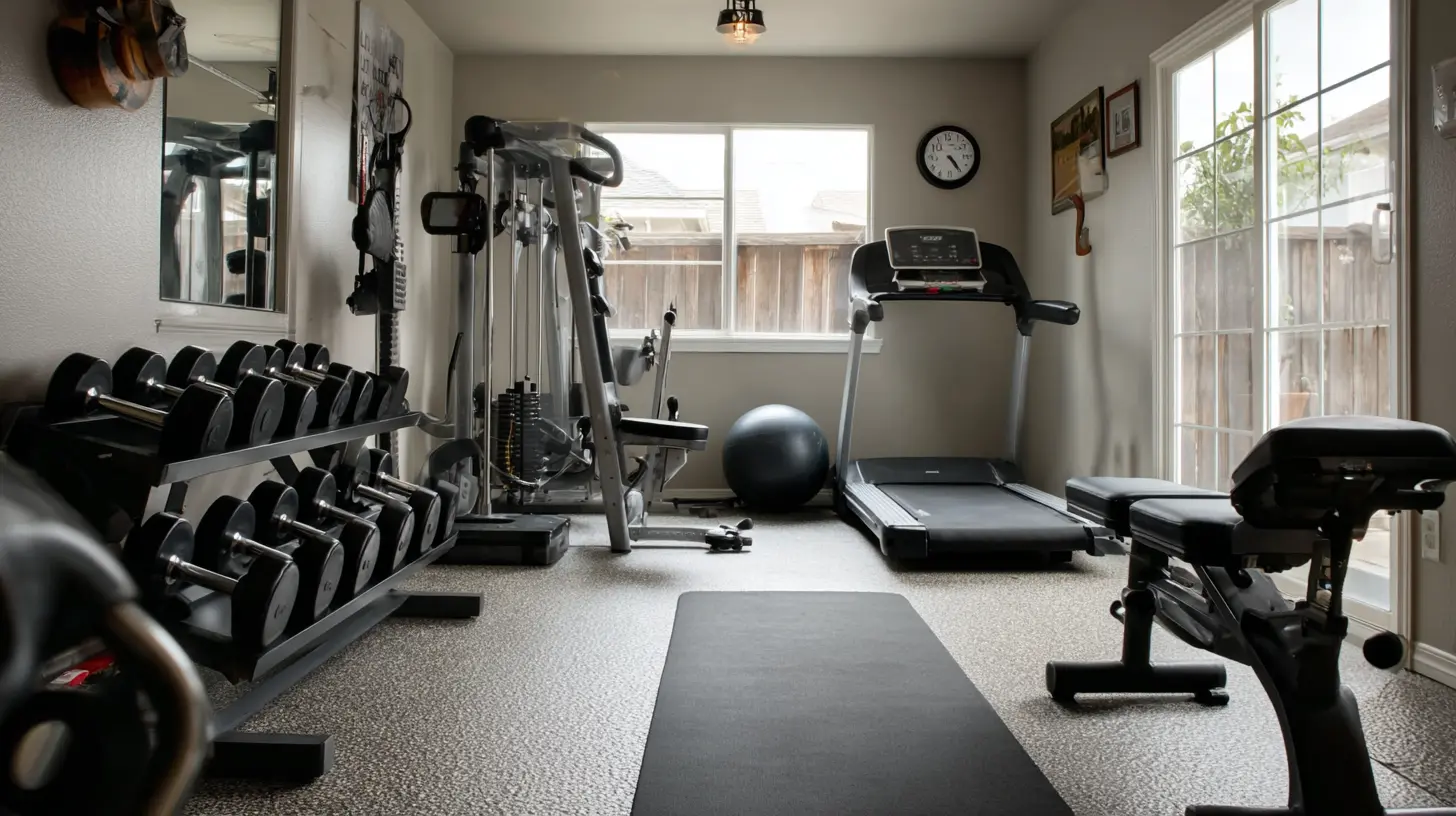
Why Build a Home Gym in the First Place?
Before jumping into the "how," let’s talk about the "why." There are tons of reasons to invest in a home gym, but here are a few that really hit home:- Convenience – No commute, no crowd… just you and your goals.
- Saves Money (Long-Term) – Sure, there’s an upfront cost, but you'll cut out monthly memberships, gas, and impulse buys at the gym smoothie bar.
- Privacy – Work out on your own terms, without worrying about how you look or what others are doing.
- Time-Efficient – A 30-minute workout actually takes 30 minutes. No more wasted time driving, changing rooms, or waiting in line for the squat rack.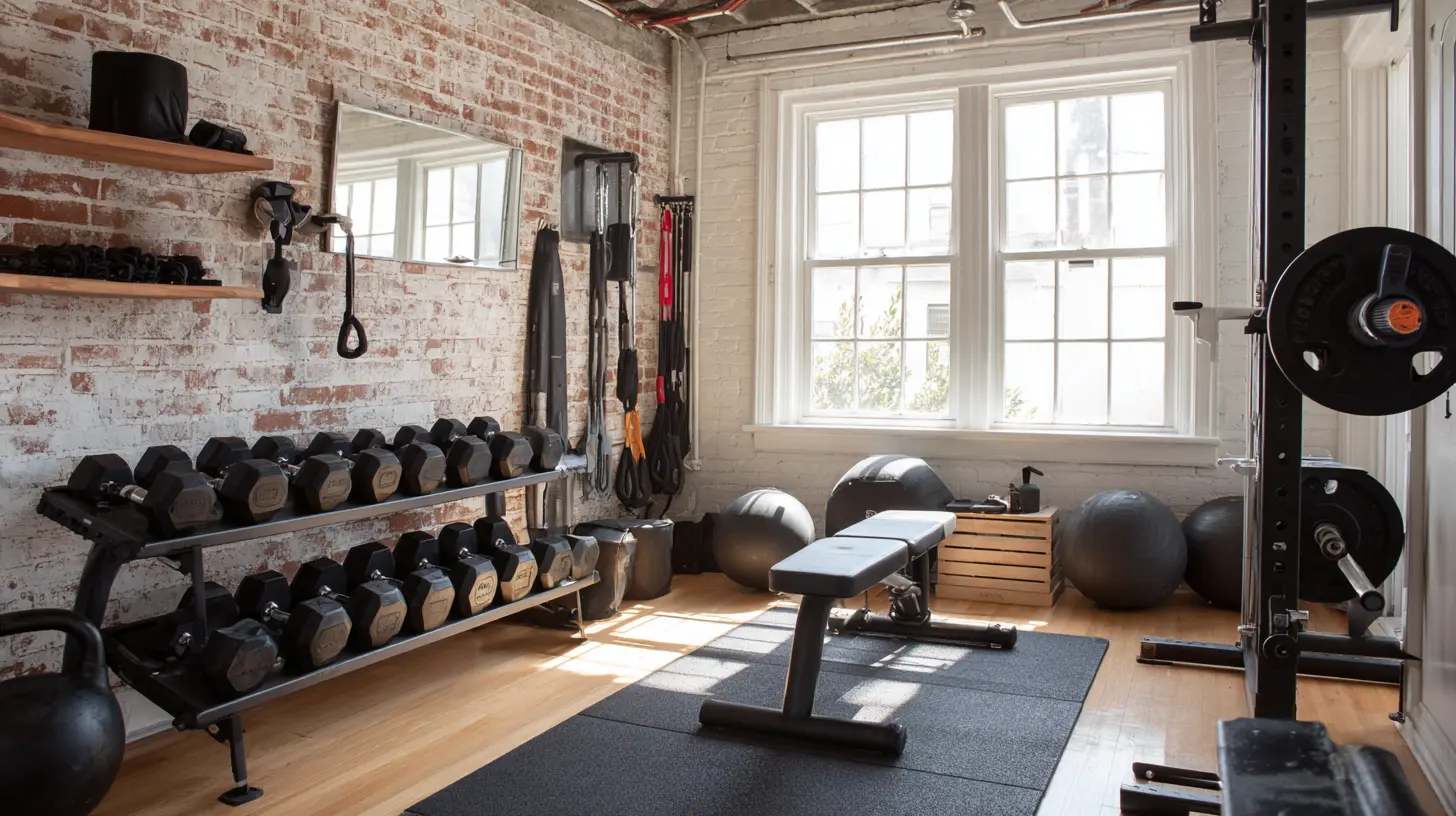
Step 1: Choosing the Right Space
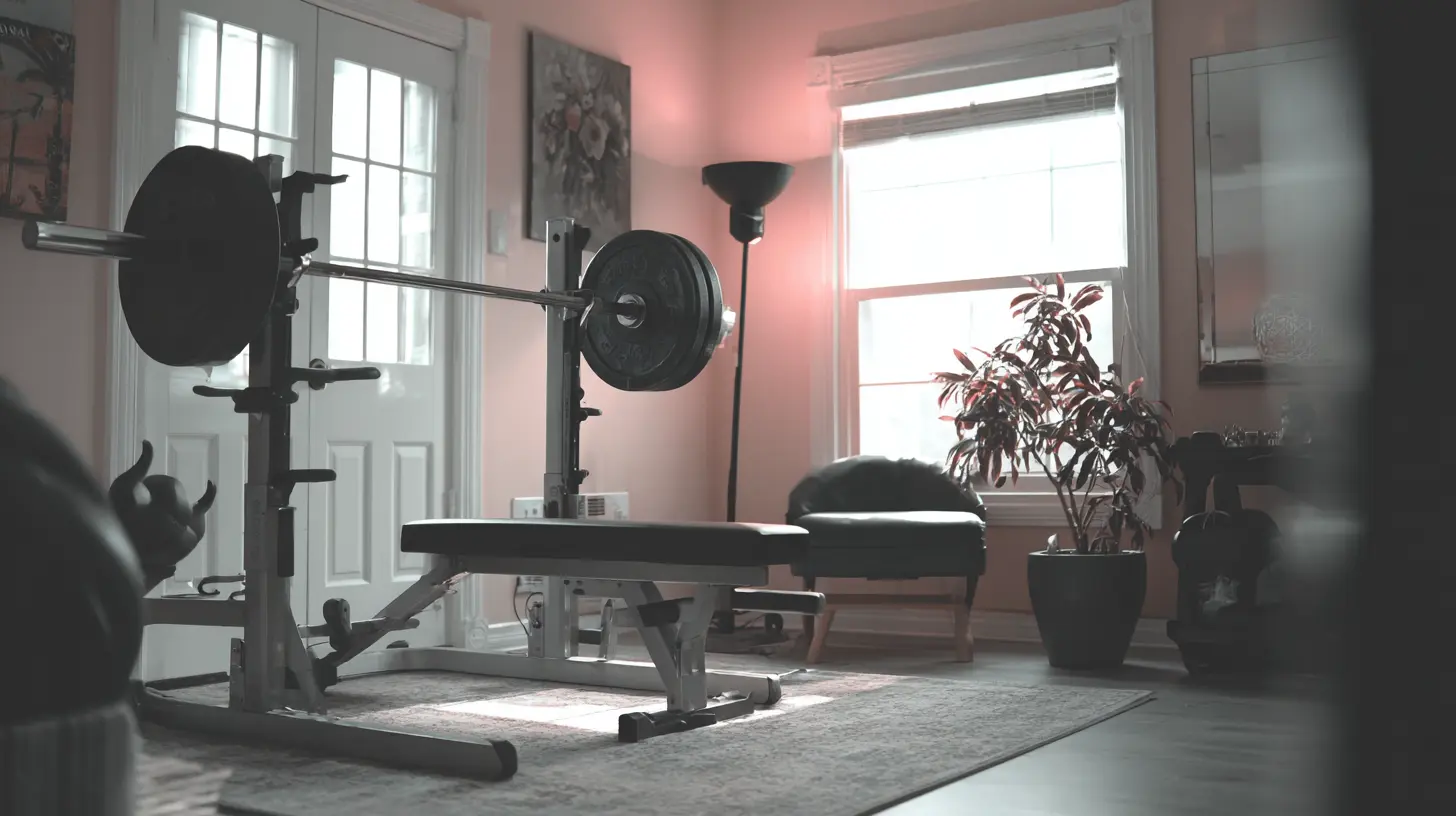
Alright, first thing’s first—you need to find a space that you can dedicate to working out. This doesn't have to be an entire room. It could be a corner of your garage, a spare bedroom, even a section of your living room.What to Consider:
- Size: Think about the types of workouts you do. Do you need room for yoga stretches, lifting weights, or HIIT routines?- Flooring: Wood floors can be slippery. Carpet may not be stable. Ideally, you want something firm, non-slip, and shock-absorbing.
- Ventilation: You’re gonna sweat. A lot. Make sure your gym has proper airflow. A fan or nearby window can go a long way.
- Lighting: Good lighting boosts energy. Natural light is best, but strong overhead lights work well too.
- Noise Control: If you’re dropping weights or running on a treadmill, your downstairs neighbors (or sleeping kid) might not appreciate the soundtrack.
Step 2: Define Your Fitness Goals
Not all home gyms are created equal. Are you trying to bulk up? Stay lean? Improve flexibility? Burn fat? Your goals guide your equipment choices.- Strength Training: Dumbbells, barbells, resistance bands, and a bench should be on your list.
- Cardio: Think treadmill, stationary bike, jump rope, or even a simple aerobic step.
- Flexibility & Core: A yoga mat, foam roller, and some stretching straps could be all you need.
- HIIT Training: Kettlebells, medicine balls, and battle ropes can add intensity without taking up too much space.
Knowing your end game makes shopping WAY easier.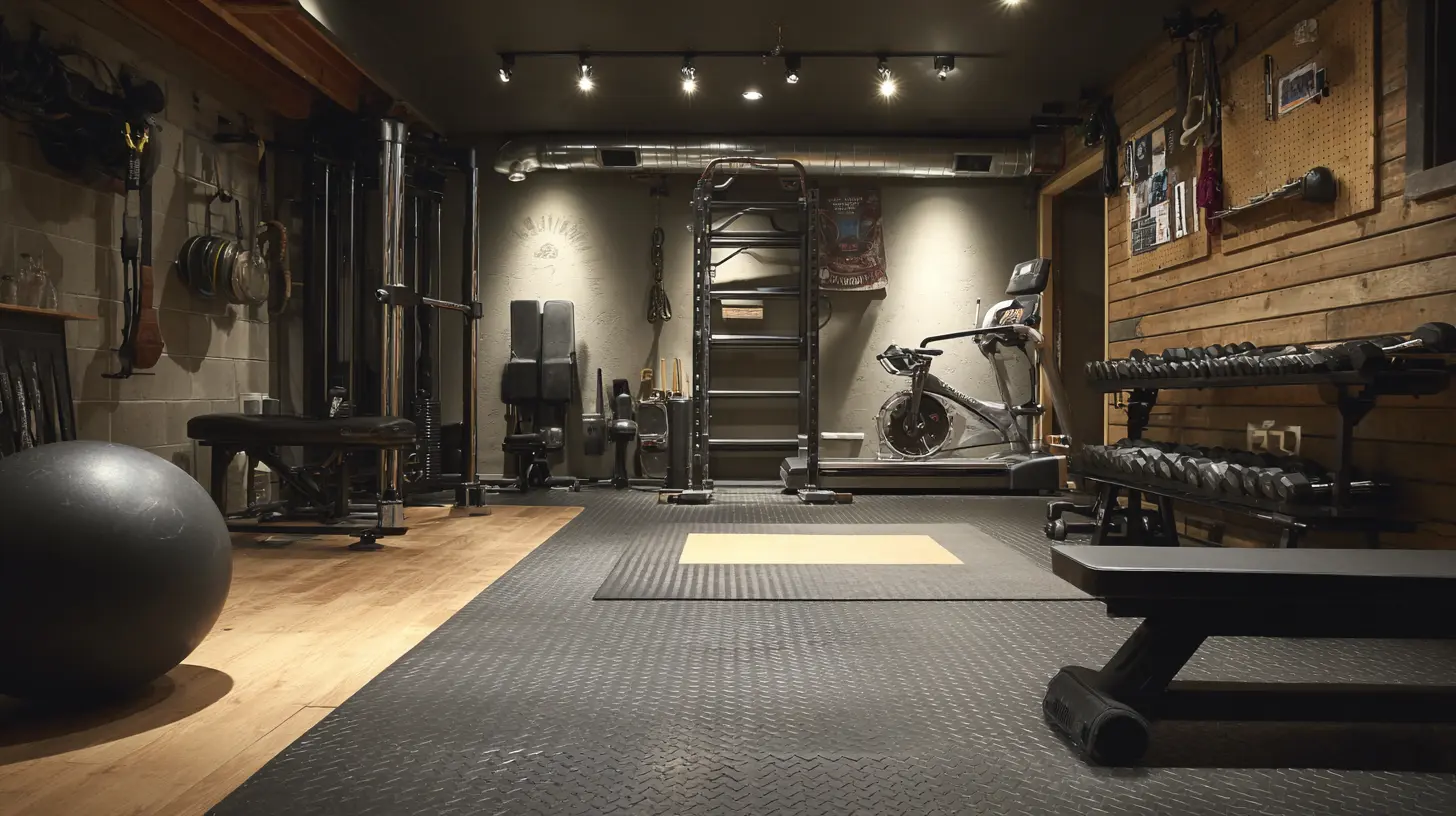
Step 3: Essential Equipment for Any Home Gym
Here's where it gets fun. You don’t need to buy everything at once. Start with the basics and build over time.Must-Haves for Any Budget:
1. Yoga/Exercise Mat: This will be your go-to surface for floor exercises, stretching, and yoga moves.2. Resistance Bands: Portable, inexpensive, and super effective for strength training and mobility work.
3. Adjustable Dumbbells: Save space and money with sets that adjust easily.
4. Jump Rope: Want cardio that doesn’t take up room? This old-school tool packs a punch.
5. Stability Ball or Bosu Ball: Great for core work and balance training.
Nice-to-Haves (If You’ve Got the Space and Budget):
- Treadmill or Exercise Bike: Perfect for cardio lovers.- Power Rack/Squat Rack: A must for heavy lifters.
- Weight Bench: Essential for chest presses and other strength moves.
- Kettlebells: Versatile, durable, and great for explosive movements.
- Mirror: Helps you check form—and let's admit it, a little flex time never hurt anyone.
Step 4: Organize Like a Pro
Ever tried working out in a messy space? It’s exhausting just looking at it. Keeping your home gym organized will actually make your workouts smoother.Some Ideas:
- Wall-Mounted Racks: Great for storing weights or resistance bands.- Storage Bins & Baskets: Keep small gear out of sight but within reach.
- Hooks for Jump Ropes & Mats: Save floor space with vertical storage.
- Cubbies or Shelves: For towels, water bottles, and post-workout snacks.
A clean gym = a clear mind. Trust me on this one.
Step 5: Set the Mood
Yes, your home gym should vibe with your energy. Think of it like your personal fitness sanctuary.Atmosphere Tips:
- Music System: Bluetooth speakers or a smart home assistant to blast your favorite workout jams.- Wall Art or Inspiring Quotes: Keep motivation high and distractions low.
- Scented Candles or Essential Oils: A little lavender or eucalyptus can shift your mindset into “me time” mode.
- Lighting: Use warm, energizing lights or even color-changing LEDs for a high-tech feel.
When your space feels good, working out feels good. Simple as that.
Step 6: Set a Routine (and Stick to It)
Even the fanciest home gym won’t help if you never use it.How to Make It Stick:
- Put Workouts on Your Calendar: Treat them like any other appointment.- Create a Workout Journal or Use an App: Tracking progress keeps you accountable.
- Dress the Part: Change into workout clothes even if you're just walking across the hall.
- Make It Fun: Mix things up! Try new routines, challenge yourself, or invite a workout buddy virtually.
- Use Tech Wisely: There are some amazing fitness apps, YouTube channels, and streaming programs that make home workouts feel like a group class.
Consistency is the secret sauce. Set the tone, show up, and keep at it.
How to Maximize a Small Space
Stuck in an apartment or tiny house? Don't sweat it—literally.Here are some space-saving hacks:
1. Foldable Equipment: Think foldable benches or collapsible treadmills.
2. Doorway Pull-Up Bars: No drilling, no damage, and takes up zero floor space.
3. Under-the-Bed Storage: Slide yoga mats, bands, and weights out of sight when not in use.
4. Multi-use Furniture: A sturdy bench can double as a workout station.
5. Wall Space: Hang bands, mirrors, or even a mini whiteboard for tracking workouts.
Remember, it’s not the size of the gym—it’s how you use it.
Budget-Friendly Tips for Building a Home Gym
Let’s be real—not everyone has thousands to spend. And you don’t need to. Here’s how to keep costs low:- Buy Used Equipment: Check out garage sales, Facebook Marketplace, or Craigslist.
- Start Small: Grab essentials first, then slowly expand.
- DIY It: Make sandbags or medicine balls using old duffel bags and duct tape.
- Look for Deals: Sign up for alerts on fitness equipment or shop off-season for discounts.
- Use Your Body Weight: Never underestimate the power of push-ups, squats, and burpees.
Your wallet doesn’t need to suffer for your muscles to grow.
Safety First, Always
One last thing before you start doing backflips in your living room—make safety a priority.- Warm Up & Cool Down: Never skip these. They’re like the bookends that keep your workout balanced.
- Check Your Equipment: Loose bolts or frayed bands? Not cool.
- Hydrate: Keep water within arm’s reach.
- Proper Form: Always, always, always maintain good posture. Quality over ego.
- Know Your Limits: Pushing yourself is good—hurting yourself isn’t.
A safe gym is a long-lasting gym.
Final Thoughts: Your Home, Your Gym, Your Rules
Setting up a home gym isn’t about creating the most Instagram-worthy space (though, hey, that’s a bonus). It’s about building an environment where you feel motivated, focused, and capable.Whether you’re lifting heavy, stretching deep, or just doing a few jumping jacks between Zoom calls, this space is yours. Make it work for you. No lines. No judgment. Just you, smashing your goals one rep at a time.
So, ready to turn that spare corner, dusty garage, or guest bedroom into your new fitness HQ? Let’s get building!
all images in this post were generated using AI tools
Category:
Fitness RoutinesAuthor:

Arthur McKeever