Protective Strategies Against Seasonal Allergies in Kids
10 July 2026
Seasonal allergies—those pesky, sniffle-inducing, eye-watering reactions—can be downright miserable for kids. As parents, watching your child struggle with itchy eyes, sneezing fits, or wheezing when spring or fall rolls around is frustrating and, let's be honest, a little heartbreaking. But don’t worry—there are plenty of practical, simple steps you can take to help ease their symptoms and let them enjoy the outdoors again.
In this article, we’ll dive deep into tried-and-true protective strategies to arm your little one against seasonal allergies, without resorting to overly complicated medical jargon or hard-to-implement routines. Think of this as your allergy-fighting playbook—designed to be both effective and parent-friendly.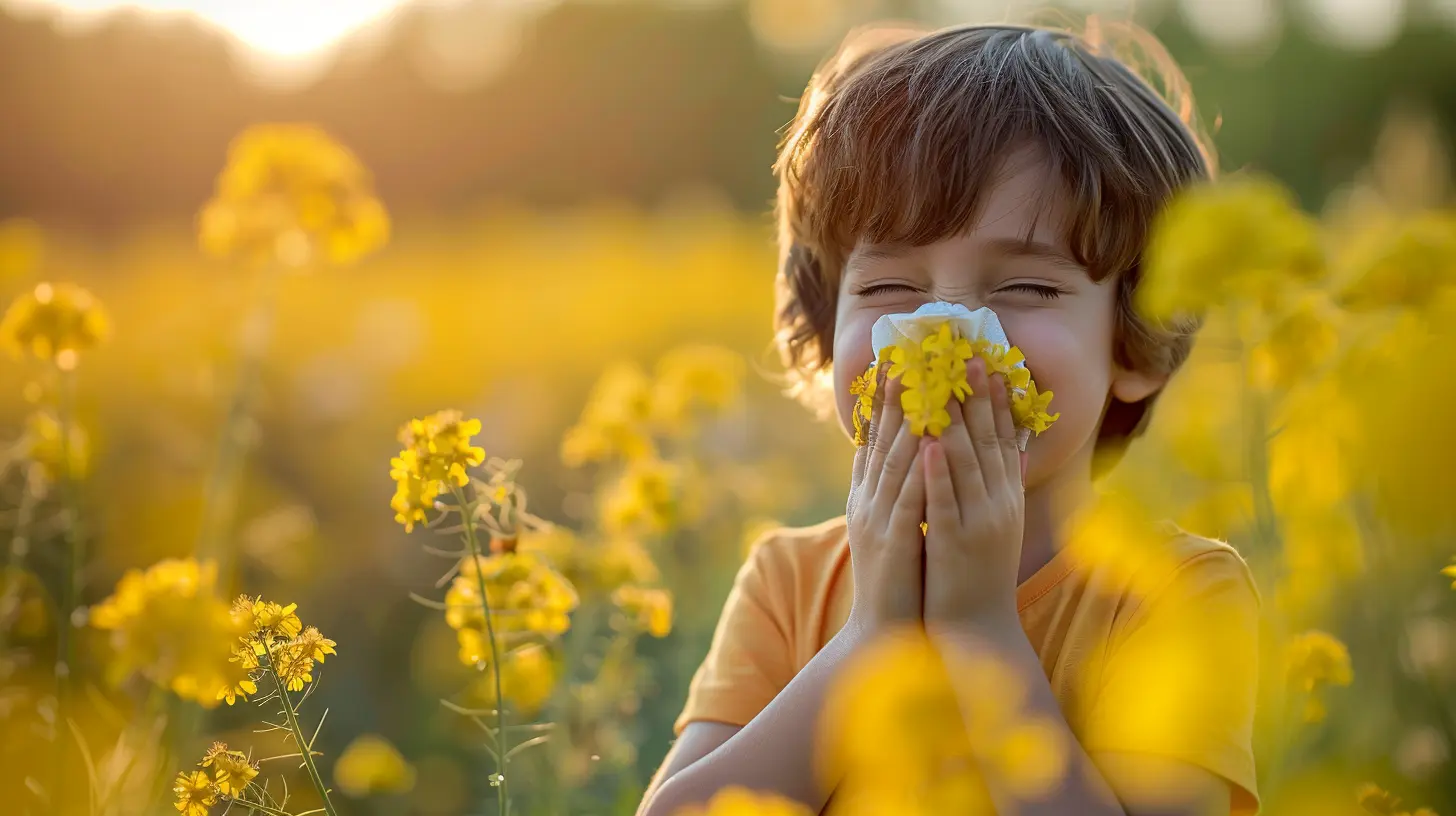
What Are Seasonal Allergies, Really?
Before we get into solutions, let’s quickly break down what we’re dealing with. Seasonal allergies—also known as hay fever or allergic rhinitis—are triggered when your child’s immune system reacts to tiny airborne allergens like pollen, mold spores, or grass. It’s essentially an overreaction to something that’s harmless to most people.So, instead of just saying, “Oh, it’s just spring in the air!” your kiddo’s immune system decides it’s under attack and launches a full-blown response. Cue the sneezing, runny nose, itchy skin, and watery eyes.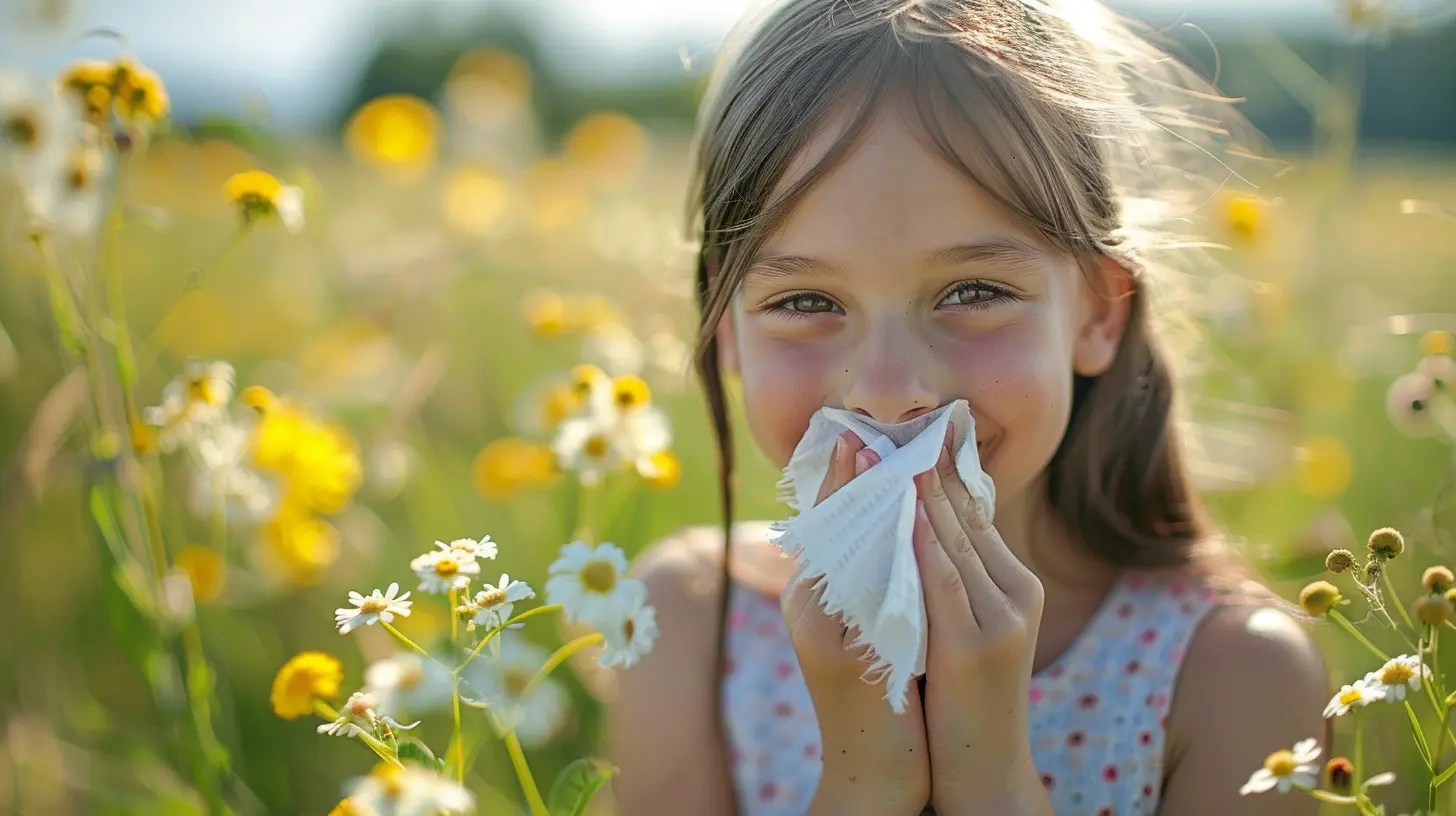
Common Culprits Behind Seasonal Allergies in Kids
Want to beat seasonal allergies? Know your enemy. These are the top triggers during various seasons:- ? Spring: Tree pollen (like oak, maple, and birch) is the main offender.
- ? Summer: Grass pollen, especially from Bermuda and Timothy grass.
- ? Fall: Ragweed, mold spores, and decaying leaves.
- ❄️ Winter: Indoor allergens like dust mites and pet dander take the lead, but mold can still hang around.
Knowing what triggers your child’s symptoms can help you plan ahead and put the right defenses in place.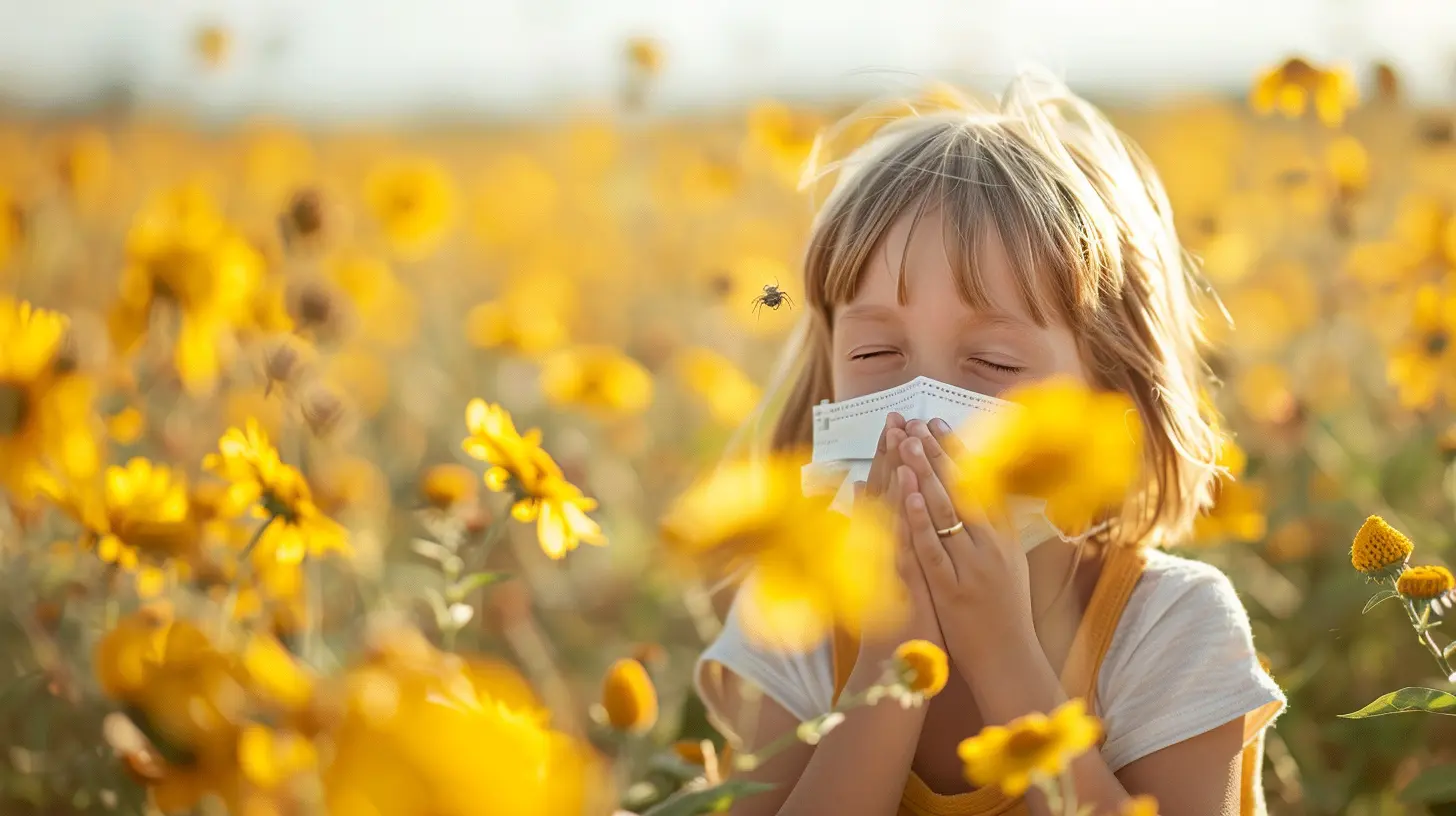
1. Stay Ahead with Allergy Forecasts
Think of this like checking the weather report before packing an umbrella—you wouldn’t leave the house in the rain without one, right?Use local allergy forecasts (many weather apps now include pollen counts) to determine how severe pollen levels are each day. On high-pollen days, limit your child’s time outdoors, especially in the morning when pollen levels tend to peak.
Quick Tip: Download free apps like Pollen.com’s tracker or The Weather Channel to get real-time updates.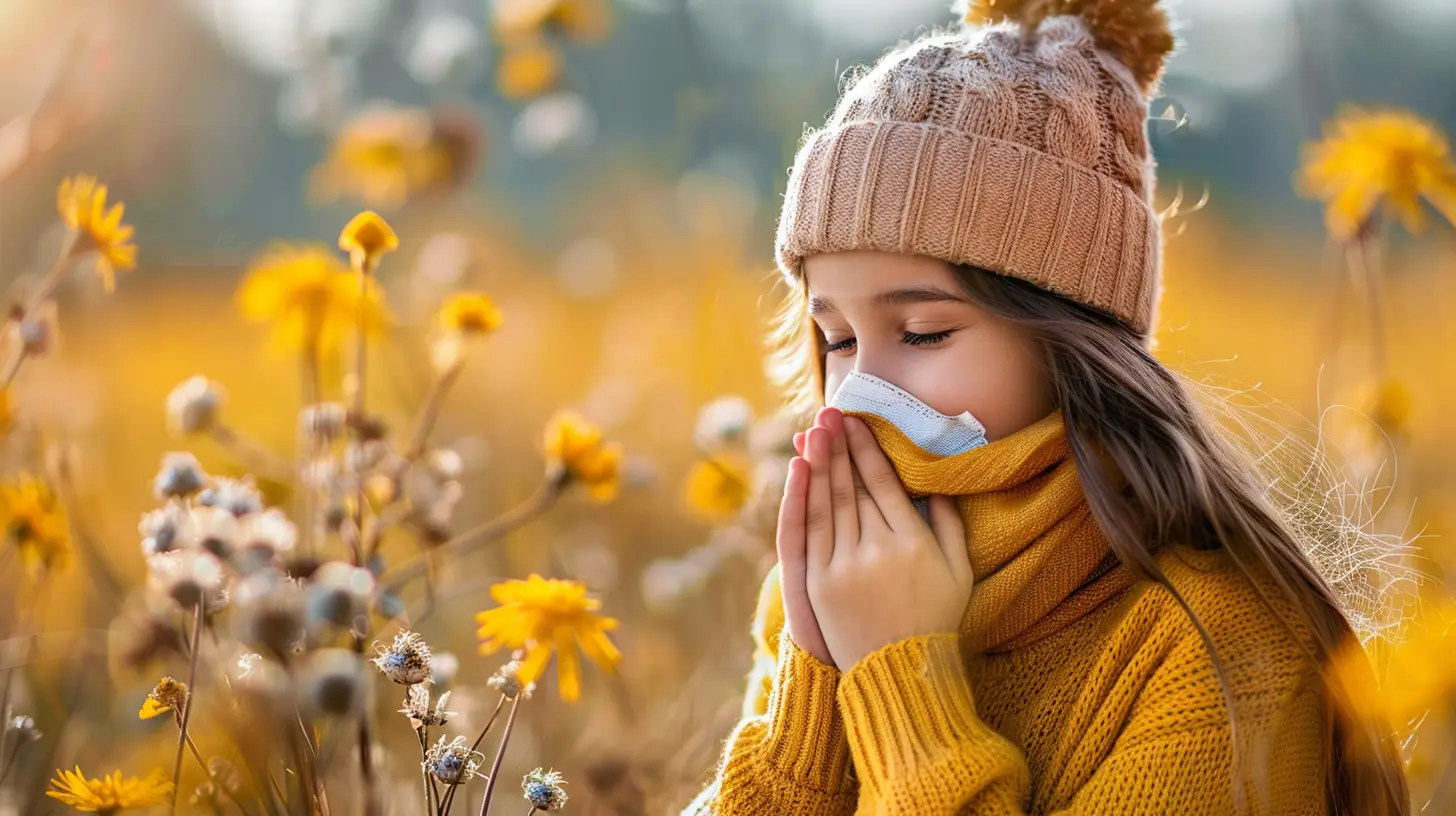
2. Create an Allergy-Free Safe Zone Indoors
Your home should be your child’s escape from allergens—not a place where symptoms continue to flare up. Here's how to allergy-proof your living space:- Keep windows closed during high pollen seasons.
- Use an air purifier with a HEPA filter in their bedroom and common areas.
- Clean floors often with a HEPA vacuum cleaner to capture allergens.
- Bathe pets regularly to minimize dander (and pollen if they’ve been outside).
Bonus Tip: Make your child change clothes and wash their face when they come indoors. Pollen sticks to fabric and skin like glitter at a craft party—it spreads everywhere!
3. Build a Daily Allergy Routine
When it comes to allergies, consistency is your best friend. Work with your pediatrician to build a daily routine that could include:- Non-drowsy antihistamines
- Nasal sprays to keep inflammation in check
- Eye drops for itchy, red eyes
Don't wait until symptoms are already bad. Many allergy medications work best when taken in advance—you want to block the allergic reaction before it starts.
Talk to your doctor first before starting any meds. What works for one child might not work for another.
4. Dress for the (Allergy) Season
Here's a surprising tip—clothing matters more than you think. Long sleeves, hats, and sunglasses can reduce how much pollen gets on your child’s skin or in their eyes. It's like giving them Armor against pollen!And don’t forget to wash those clothes after outdoor play. Leaving them in their room is like inviting pollen to a sleepover... not ideal.
5. Tend to Their Nose—Gently!
Ever heard of nasal irrigation? It might sound a little weird, but gently rinsing out your child's nasal passages with a saline spray or rinse can work wonders. It flushes out allergens and mucus, kind of like giving their sinuses a nice, refreshing shower.For younger kids, go with saline sprays. For older children, a neti pot or sinus rinse system (under adult supervision) can help too.
6. Boost Their Immune System Naturally
A strong immune system isn’t a magic wand, but it sure helps. Here’s how to give your child’s immune defenses a friendly nudge:- Serve up a balanced diet full of fruits and veggies (especially ones rich in Vitamin C).
- Encourage regular outdoor play—just not during high pollen counts!
- Prioritize good sleep habits and hydration.
- Try adding probiotics—some studies link gut health to allergy symptoms.
Think of it like giving your kid an internal superhero team to fight off those irritating invaders.
7. Don’t Underestimate Hydration
Simple but powerful—water helps thin mucus and soothes irritated tissues. Encourage your child to drink plenty of fluids, especially during allergy seasons. Warm drinks like herbal tea or broths can also help relieve nasal congestion.8. Allergy-Proof Their Sleep Environment
Nighttime is often the worst for allergy symptoms. Why? Well, allergens like dust mites and pollen can easily sneak into bedding if you’re not careful.- Use allergen-proof covers for pillows and mattresses.
- Wash bedding in hot water weekly.
- No stuffed animals in bed during allergy season—or give them a regular “bath.”
- Keep the bedroom pet-free. Sorry, Fido.
9. Know When It’s Time for an Allergy Test
If your child’s symptoms are constant, severe, or affecting their quality of life, it might be time to see an allergist. Allergy testing (usually via a simple skin prick) can help you pinpoint exactly what they're reacting to and create a treatment plan that targets those allergens directly.This step can feel like pulling the curtain back—once you know what you’re dealing with, it’s much easier to fight it.
10. Consider Allergy Shots or Immunotherapy
For kids with moderate to severe symptoms that don’t get better with regular methods, allergy shots or sublingual tablets (placed under the tongue) may be an option. These treatments gradually teach your child’s immune system to stop reacting so intensely.It’s a longer-term commitment, but it can be life-changing—and it’s safe for kids as young as five in many cases.
11. Educate Your Child About Their Allergies
Kids are resilient and quick learners. Teaching them simple things like covering their mouth when sneezing, washing their hands after playing outside, or telling a teacher when they’re not feeling well can make a big difference.Turn it into a game or story—imagine their nose is a superhero’s radar, detecting allergens!
12. Keep Emergency Relief on Hand
It’s always smart to have a travel-sized allergy relief kit with you during allergy season. Pack items like:- Antihistamines (age-appropriate)
- Tissues
- Eye drops
- Extra water bottle
- Inhaler (if prescribed)
You never know when a field trip or park visit might trigger symptoms. Better safe than sniffly!
Final Thoughts
Seasonal allergies might feel like an unwelcome guest that shows up every year, but it doesn’t mean your child has to suffer. With a proactive approach, a touch of creativity, and a whole lot of love, you can create a personalized defense plan that helps them breathe easier, sleep better, and stay joyful—no matter what the pollen count says.And remember, you’re not alone. Millions of parents are navigating the same sneezy seasons—and with the right strategies, your family can too.
So let’s grab that tissue box, lace up those strategies, and get ready to outsmart seasonal allergies once and for all.
all images in this post were generated using AI tools
Category:
Pediatric HealthAuthor:

Arthur McKeever