Debunking Myths About the Paleo Diet
26 October 2025
Let’s face it—just about everyone has an opinion when it comes to food and dieting. Whether you're scrolling through social media or chatting with friends, there's always someone claiming they’ve “cracked the code” with the latest food trend. One of those trends that’s stirred up a lot of dust over the years? The Paleo Diet.
Now, maybe you’ve tried it. Maybe you’ve avoided it like the plague because you heard it’s just another fad. Either way, we’re here to cut through the noise and set the record straight. Buckle up, because we’re about to roll up our sleeves and start debunking myths about the Paleo diet—one juicy misconception at a time.
What Even Is the Paleo Diet?
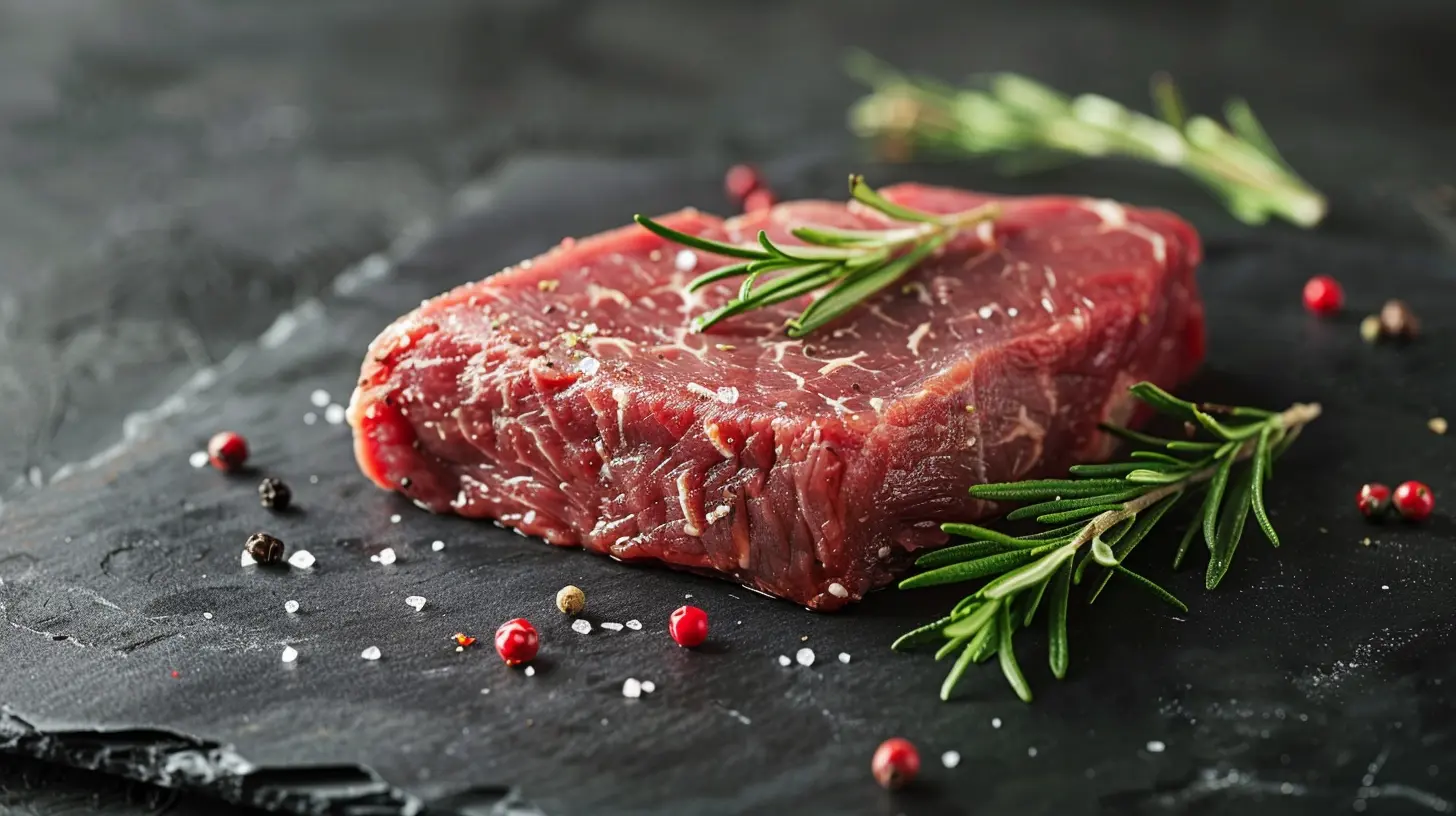
Before we jump into myth-busting mode, let’s quickly break down what the Paleo Diet actually is.In a nutshell, the Paleo diet is all about eating like our prehistoric ancestors—you know, cavemen and cavewomen. It emphasizes foods that could have been hunted, fished, or gathered: meats, fish, vegetables, fruits, nuts, and seeds. And it waves goodbye to stuff like grains, legumes, dairy, processed foods, and refined sugars. The logic? Our bodies evolved to thrive on these natural foods, not the processed junk that lines grocery store shelves today.
Sounds simple, right? That’s part of the appeal. But despite its straightforward premise, this diet has become the punching bag of critics, skeptics, and keyboard warriors alike.
Let’s dive into the myths and uncover the truth.
Myth #1: The Paleo Diet Is Just a Meat-Lover’s Excuse to Eat Bacon All Day
Let's get this out of the way—Paleo is not the “all-meat, no-veggies” club.Sure, animal protein plays a role in the Paleo diet, but that's not the whole story. Paleo actually pushes for a balanced, nutrient-dense plate, loaded with vegetables, healthy fats, and moderate portions of quality meats.
In fact, if you’re doing Paleo right, half of your plate should be green, leafy, and colorful. The focus is on grass-fed, pasture-raised, and wild-caught proteins, not processed meats like bacon or salami. So if anyone says Paleo is just an excuse to eat a steak with a side of steak, they’ve definitely misunderstood the assignment.
Myth #2: Paleo Is Low-Carb...Like Keto 2.0
This one trips up a lot of people. Paleo and keto diets share some common foods, but they are not twins—more like distant cousins.The Paleo diet isn’t inherently low-carb. In fact, it allows carb-rich foods like sweet potatoes, bananas, berries, and other fruits and veggies. You're not chasing ketones here; you’re just cutting out processed carbs like bread, pasta, and sugary snacks that didn’t exist in the Paleolithic era.
So nope, Paleo doesn’t mean you'll be dragging through your day on zero carbs. It simply means your carbs come from whole, natural sources—not a box with a cartoon character on it.
Myth #3: Paleo Is Just Another Fad Diet
You’ve probably heard someone roll their eyes and mutter, “Ugh, another fad.”But here’s the thing—fad diets are usually quick-fix schemes. They promise dramatic weight loss with minimal effort and often lack scientific backing. In contrast, Paleo is based on evolutionary biology and long-standing nutritional research. It’s not about eating like cavemen for the novelty—it's about returning to a nutrient-rich lifestyle that works with, not against, our biology.
More importantly, it’s not a one-size-fits-all plan. People customize their Paleo approach depending on their goals—whether it’s weight management, improved digestion, or simply feeling better overall.
And if a “fad” lasts over a decade and continues growing in popularity, maybe it’s time to stop calling it a fad, right?
Myth #4: You Can’t Get Enough Calcium Without Dairy
Ah, the classic dairy debate. It’s become so ingrained in our culture that many people panic at the idea of living without milk, yogurt, and cheese.But guess what? Calcium isn’t exclusive to dairy. The Paleo diet includes tons of plant-based sources rich in calcium:
- Leafy greens like kale and collard greens
- Broccoli
- Sardines (yes, with the bones!)
- Almonds
- Figs
- Sesame seeds
Plus, Paleo helps you absorb calcium more efficiently. How? Well, you’re cutting out processed foods that can actually leach calcium from your bones (we're looking at you, soda). So while you may not be pouring milk over your cereal, you’re still giving your body the minerals it needs to stay strong.
Myth #5: It’s Too Hard to Follow, Especially If You’re Busy
Let’s be honest—eating healthy in today’s fast-paced world isn't always a walk in the park. But that’s true of any diet, not just Paleo.Yes, it does take a bit more intention. You’ll probably be doing more cooking and meal prepping. But with a little planning, Paleo can actually simplify your life. How? No calorie counting. No macros. No complicated food math. Just real food.
Meal prepping ingredients like roasted veggies, grilled chicken, hard-boiled eggs, and avocado can make eating Paleo as quick and easy as putting together a sandwich—without the bread!
And let’s not forget all the amazing Paleo-friendly options that have popped up in grocery stores and restaurants recently. It’s easier than ever to make Paleo work, even if your schedule’s nuts.
Myth #6: It’s Not Safe or Sustainable Long-Term
This one’s a bit dramatic. Some critics argue that eliminating entire food groups like grains and dairy can lead to nutrient deficiencies. But here's the kicker: when Paleo is done right—which means eating a wide variety of plant and animal foods—it’s incredibly nutrient-dense.In fact, many people report improved digestion, better skin, more energy, and even weight loss after adopting a Paleo lifestyle.
The idea that it’s not sustainable? That really depends on the person. Some folks follow Paleo 100%, while others do an 80/20 balance to fit their lifestyle. The beautiful thing is, you’re in control. It’s flexible, not rigid.
So long-term? Totally doable—if you commit to making wholesome choices.
Myth #7: You Can’t Be an Athlete on Paleo
This one’s especially common in fitness circles. There's a myth that athletes need grains for energy or that Paleo doesn't provide enough fuel for serious training.But let’s dig into that. Many athletes actually thrive on Paleo, including endurance runners, CrossFit enthusiasts, and even bodybuilders. Why? Because Paleo is anti-inflammatory, rich in protein, and filled with complex carbs from veggies and fruits.
Plus, Paleo helps with faster recovery and reduced joint pain. What athlete doesn’t want that?
If you’re active, you might need to adjust your portions or timing to make sure you're getting enough carbs and calories—but it’s absolutely doable.
Myth #8: All Grains and Legumes Are Evil
Here’s the deal: Paleo discourages grains and legumes not because they’re the devil, but because of compounds like phytates and lectins that can interfere with nutrient absorption and irritate the gut lining in some people.But that doesn’t automatically make all grains or legumes "bad." Some folks tolerate them just fine. Paleo simply encourages you to listen to your body and see how you feel without them.
Think of it like a reset—eliminate these foods, observe how you feel, and then decide what works for you. Personalization is key.
Myth #9: It’s All or Nothing
Ever met someone who said, “If I can’t do Paleo perfectly, why bother?” That’s like saying if you can’t run a marathon, you should never take a walk.You don’t have to do it perfectly to benefit from it.
Every small step toward eating whole, real food counts. If you swap your sugary cereal for eggs and spinach a few mornings a week, you’re already on the right track. Progress, not perfection.
Paleo isn’t supposed to be about food guilt or obsessing over every bite. It’s about making better choices, one meal at a time.
Myth #10: Paleo Is Only for Weight Loss
Sure, weight loss is a happy bonus for many who go Paleo, but that’s not the end goal for everyone.People turn to the Paleo diet for a wide range of health issues—from autoimmune conditions to skin problems, bloating, brain fog, low energy, and more.
By cutting out processed foods and focusing on anti-inflammatory, nutrient-packed meals, many experience improvements in how they feel, sleep, and function.
So no, it's not just about the scale—it’s about total well-being.
Final Thoughts: The Paleo Diet Isn’t Perfect, But It’s Powerful
Let’s be clear: there’s no one-size-fits-all diet. Paleo isn’t a magic pill, and it’s not for everyone.But for many, it offers a straightforward, effective way to clean up their eating and reconnect with real food. It cuts through the processed food jungle and reminds us that sometimes, going back to basics is the smartest move.
So the next time you hear someone say Paleo is “just another fad” or “too extreme,” smile politely and know the truth: it’s far more balanced, flexible, and nutrient-rich than most people give it credit for.
After all, you don’t need to live in a cave to eat like a caveperson—you just need a fridge full of real, wholesome food.
all images in this post were generated using AI tools
Category:
Paleo DietAuthor:

Arthur McKeever
Discussion
rate this article
1 comments
Lana Mendez
Thank you for shedding light on the myths surrounding the Paleo diet. Your insights not only clarify misconceptions but also promote a healthier understanding of nutrition. It's refreshing to see evidence-based information shared so compassionately. Keep up the great work!
November 15, 2025 at 4:20 PM
Arthur McKeever
Thank you for your kind words! I’m glad the article resonated with you and helped clarify misconceptions about the Paleo diet. Your support means a lot!