Customizing Your Workout: Tailoring Routines to Fit Your Goals
30 May 2026
When it comes to fitness, one-size-fits-all just doesn’t cut it. Everyone has different goals, body types, and preferences, so why should your workout routine be any different? Whether you're aiming to build muscle, lose weight, increase endurance, or just stay active, personalizing your workouts can make all the difference.
In this guide, we'll break down how you can create a workout routine that fits your individual needs. No more guesswork—just clear, effective steps to help you reach your goals faster and smarter. 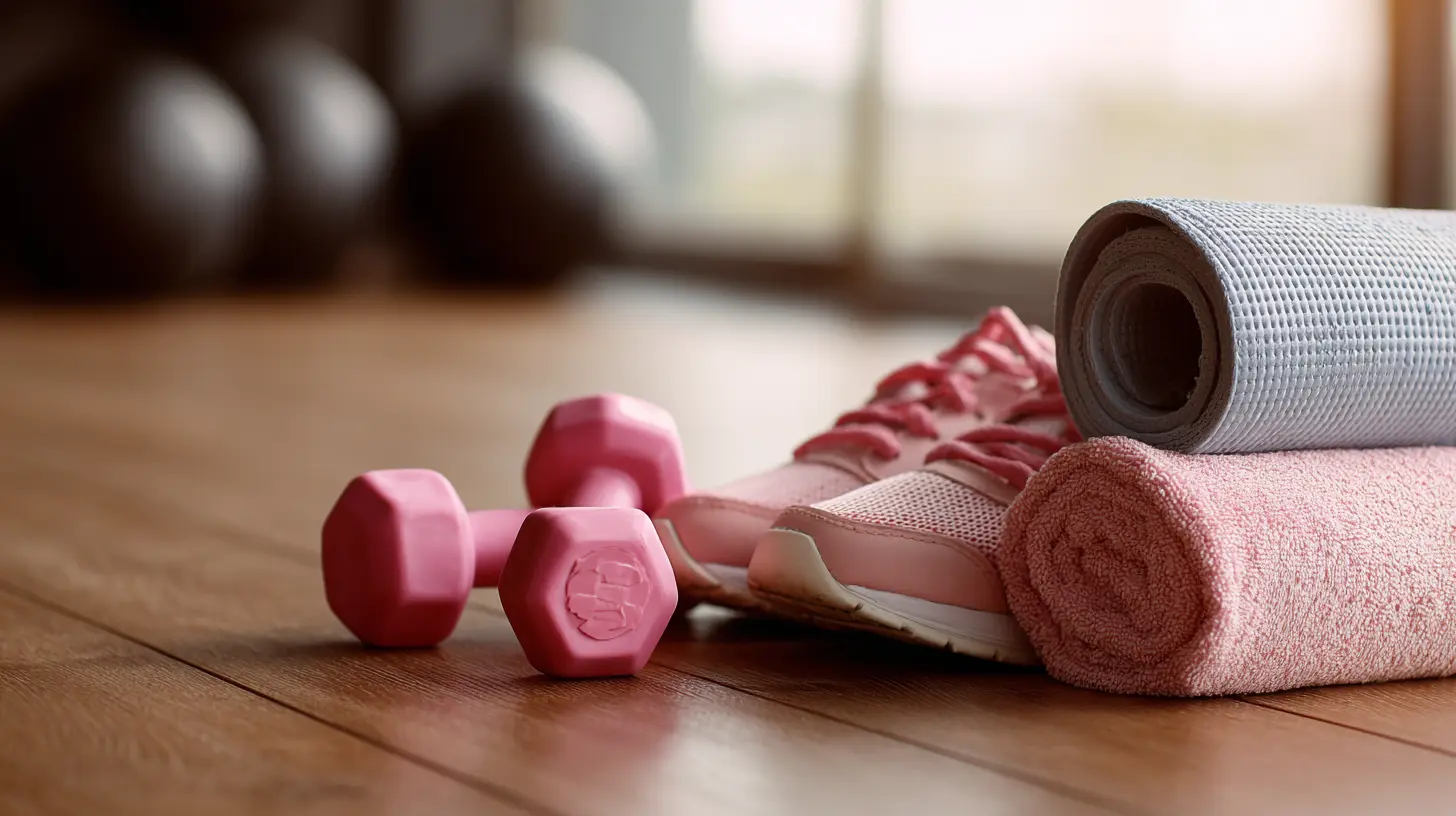
Why Customizing Your Workout Matters
Ever followed a trending workout plan only to feel demotivated or stuck? That’s because generic programs don’t consider your unique needs. Customizing your workout helps to:- Maximize efficiency – Hitting your goals faster by focusing on what truly works for you.
- Enhance motivation – Enjoying your workouts means you're more likely to stay consistent.
- Reduce injury risk – A properly designed plan minimizes strain and overuse injuries.
- Improve overall results – Progress is more noticeable when your workouts align with your specific goals.
So, how exactly do you tailor your routine? Let’s jump in. 
Step 1: Define Your Fitness Goals
Before you even touch a dumbbell or hop on the treadmill, you need to be clear about your goals. Ask yourself:- Do I want to lose weight?
- Am I looking to gain muscle?
- Do I want to increase endurance?
- Is my goal to improve flexibility and mobility?
- Am I simply trying to stay healthy and active?
Each goal requires a different style of training. Identifying your primary goal helps shape the structure of your workout. 
Step 2: Choose the Right Type of Training
Once you know your goal, it's time to pick the right training approach.1. For Fat Loss: Prioritize Cardio & Strength Training
Weight loss is all about burning calories while preserving muscle. Your plan should include:- High-Intensity Interval Training (HIIT) – Short bursts of intense exercise followed by rest to maximize fat burn.
- Strength Training – Helps maintain muscle while losing fat. Focus on compound movements like squats, deadlifts, and bench presses.
- Steady-State Cardio – Activities like jogging, cycling, or brisk walking help with fat oxidation.
> Pro Tip: A combination of strength training and cardio delivers the best fat-loss results.
2. For Muscle Gain: Strength & Hypertrophy Training
If building muscle is your goal, your routine should revolve around resistance training:- Heavy Lifting (Progressive Overload) – Gradually increase the weights to build strength and muscle.
- Focus on Compound Movements – Squats, deadlifts, bench presses, and pull-ups recruit multiple muscle groups for maximum growth.
- Optimal Rep Range (8-12 Reps) – This is the sweet spot for muscle hypertrophy.
- Prioritize Protein Intake – Nutrition plays a crucial role in muscle recovery and growth.
> Pro Tip: Rest and recovery are just as important as lifting. Train hard but allow your muscles time to rebuild.
3. For Endurance & Stamina: Cardiovascular & Functional Training
If you’re training for endurance, your workouts should build stamina and cardiovascular efficiency:- Long-Distance Running or Cycling – Boosts aerobic capacity.
- Circuit Training – Keeps your heart rate elevated while improving endurance.
- Higher Rep Workouts (15-20 Reps) – Lighter weights with more repetitions help build muscular endurance.
- Plyometrics & Agility Drills – Activities like box jumps and ladder drills improve speed and reaction time.
> Pro Tip: Hydration and proper fueling are key for endurance athletes.
4. For Flexibility & Mobility: Yoga & Functional Movements
Flexibility and mobility are often overlooked but are vital for injury prevention and overall well-being:- Yoga & Stretching Routines – Improves flexibility and posture.
- Foam Rolling & Mobility Drills – Helps with muscle recovery and joint mobility.
- Dynamic vs. Static Stretching – Incorporate dynamic stretches before workouts and static stretches post-workout.
> Pro Tip: Flexibility training is essential for every fitness level, even if it’s not your primary goal. 
Step 3: Structure Your Weekly Workout Plan
Now that you've identified the best training style, it’s time to build your weekly workout schedule. Here’s a sample routine based on different goals:For Fat Loss (4-5 Days a Week)
- Monday: Full-body strength training + 15 min HIIT- Tuesday: Cardio (running, cycling) + core workout
- Wednesday: Rest or active recovery (yoga, stretching)
- Thursday: Upper-body strength + 20 min HIIT
- Friday: Lower-body strength + 20 min steady-state cardio
- Saturday/Sunday: Light activity (walking, hiking)
For Muscle Gain (4-5 Days a Week)
- Monday: Upper-body (chest, triceps, shoulders)- Tuesday: Lower-body (legs, glutes)
- Wednesday: Rest or mobility work
- Thursday: Back & biceps
- Friday: Full-body or focus on weak areas
- Saturday/Sunday: Active recovery
For Endurance (5-6 Days a Week)
- Monday: Long-distance running (4-6 miles)- Tuesday: Strength training + circuit work
- Wednesday: Interval sprints + core workout
- Thursday: Rest or stretching
- Friday: Hill sprints or long-distance cycling
- Saturday: Strength training (full body)
- Sunday: Active recovery
For Flexibility & Mobility (3-4 Days a Week)
- Monday: Yoga session- Wednesday: Active mobility drills + foam rolling
- Friday: A mix of yoga and dynamic stretches
- Sunday: Light activity or rest
Step 4: Adjust Based on Progress
Your body adapts over time, so don’t get stuck in the same routine for months. Every 4-6 weeks:✔ Increase intensity – Add weight, speed, or reps.
✔ Switch exercises – Keep workouts fresh to avoid plateaus.
✔ Track progress – Use a gym log or app to monitor improvements.
Step 5: Don’t Forget Nutrition & Recovery
A great workout plan means nothing if you ignore nutrition and recovery:? Protein – Essential for muscle repair and growth.
? Healthy Fats – Support metabolism and hormone health.
? Carbs – Fuel for workouts, especially for endurance training.
? Sleep – Muscle recovery happens during deep sleep.
? Hydration – Water is crucial for performance and recovery.
> Pro Tip: Listen to your body—if you feel fatigued, take time to recover.
Final Thoughts
There you have it—a fully customized approach to your workout routine. The best plan is the one that aligns with your goals, fits into your lifestyle, and keeps you motivated. No more cookie-cutter programs!Start small, stay consistent, and before you know it, you'll be hitting those fitness goals with ease. Now, what’s your next workout going to look like?
all images in this post were generated using AI tools
Category:
Fitness RoutinesAuthor:

Arthur McKeever
Discussion
rate this article
1 comments
Spencer Benson
Love the idea of customizing workouts! It makes fitness feel personal and fun. Find what works best for you, and remember, every little step counts towards your goals... You got this!
June 21, 2026 at 3:00 AM