How to Optimize Mineral Absorption from Food
1 June 2026
Getting enough minerals from your food is one thing… but did you know your body doesn’t absorb all of them equally? Yup, that healthy salad or nutrient-rich smoothie might be packed with minerals—but if your body isn’t in the mood to take them in, they’ll just pass on through.
That’s a bummer, right?
Let’s change that. In this article, we’ll chat about how to optimize mineral absorption from food—in a way that’s simple, practical, and totally doable. Grab a snack (bonus points if it’s rich in nutrients), and let’s dig in.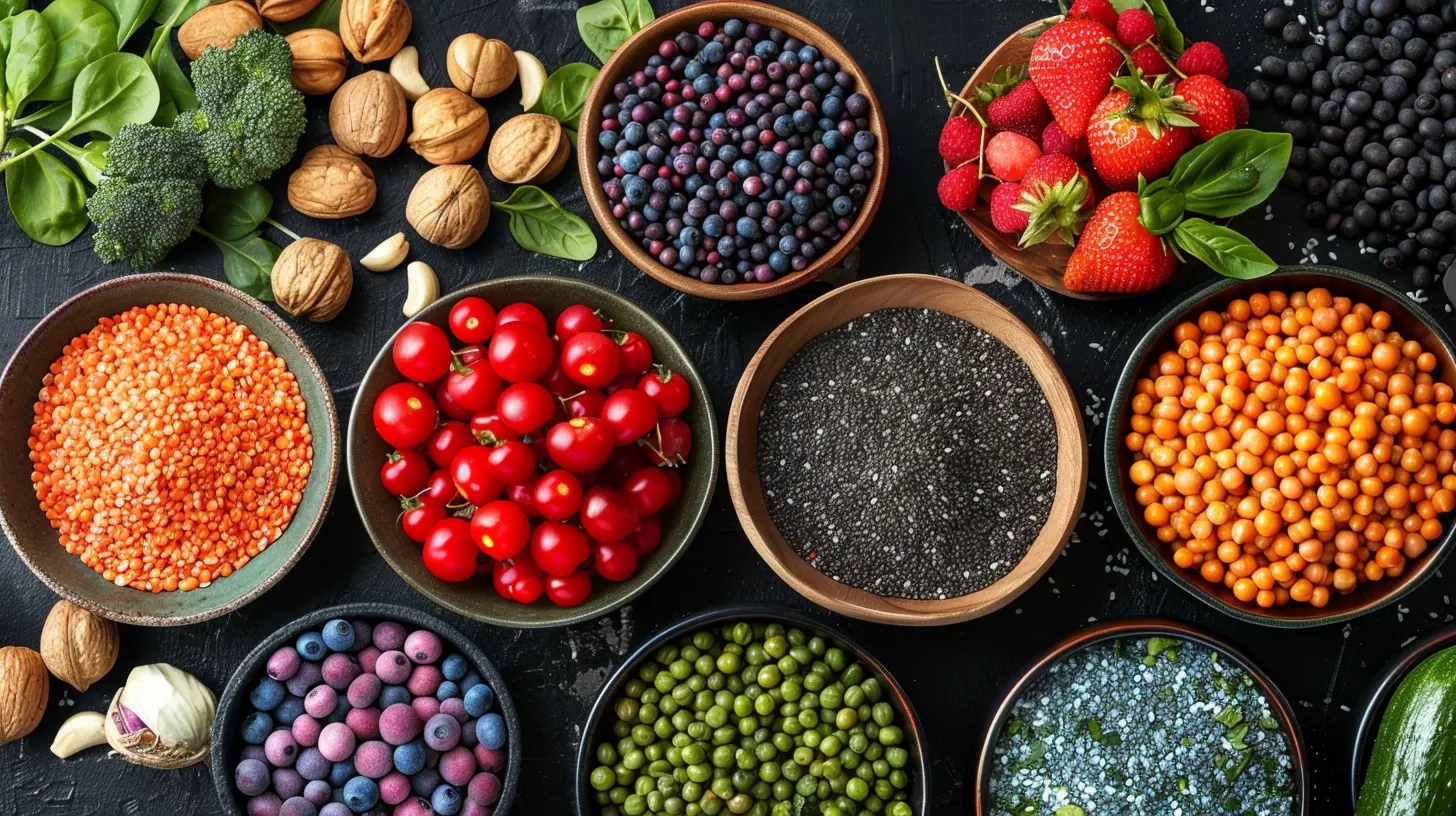
? First Things First: What Are Minerals & Why Do They Matter?
Think of minerals like the spark plugs of your body. They're tiny, but they make big things happen—nerve function, muscle contraction, bone health, immune support… the list goes on. Some of the big players include:- Calcium – for strong bones and teeth
- Iron – carries oxygen in your blood
- Magnesium – supports muscles and nerves
- Zinc – awesome for immunity and wound healing
- Potassium – helps regulate fluids and blood pressure
But here’s the twist: just eating those minerals isn’t enough. It’s how well your body absorbs and uses them that truly counts.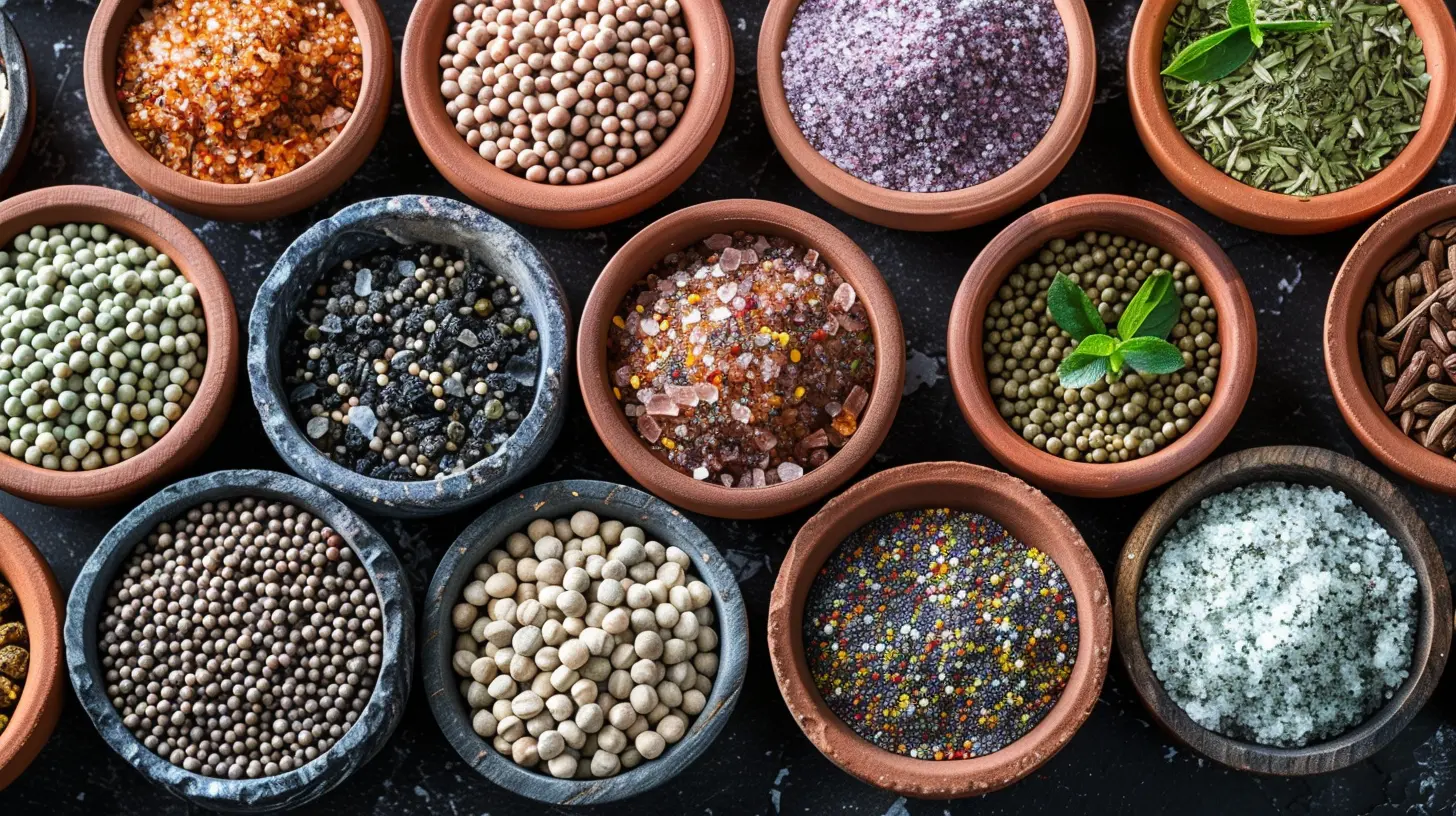
? The Absorption Problem: Why You're Not Getting All the Minerals You Eat
Ever feel like you’re doing everything right—eating clean, being mindful—and you’re still not seeing the results? One word: bioavailability.Bioavailability is basically how much of a nutrient your body can actually use. Some foods are generous with minerals, sure. But things like certain cooking methods, other nutrients, or even gut health can either boost or block how well those minerals get absorbed.
Let’s break it down in real terms.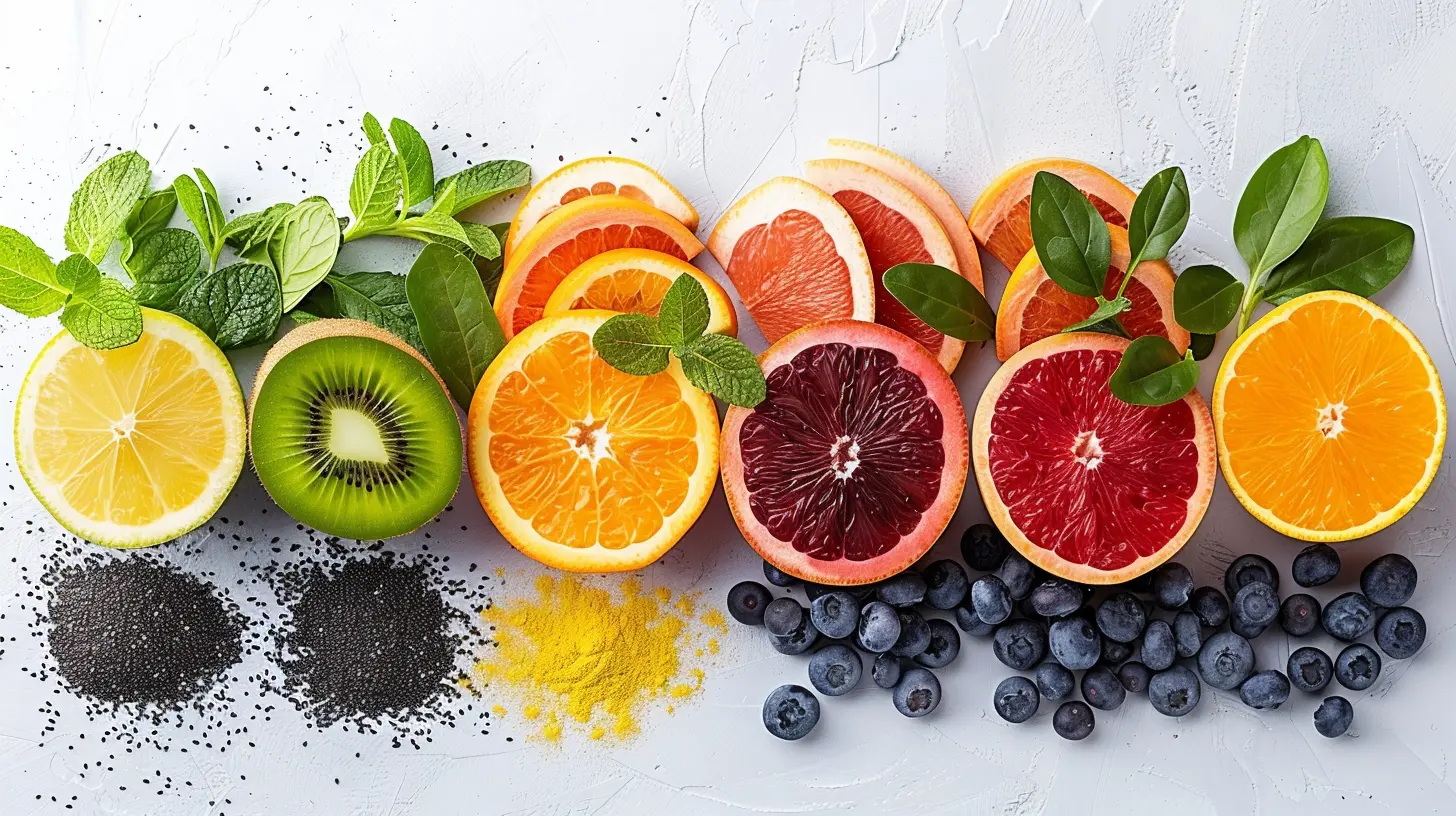
? Tips to Optimize Mineral Absorption from Food
1. Pair the Right Nutrients Together
Just like some people are better together (peanut butter and jelly, anyone?), some nutrients help each other out when it's time for absorption.✅ Vitamin C + Iron = Besties
Vitamin C helps convert plant-based (non-heme) iron into a form your body can absorb. So if you’re eating spinach, add some bell peppers or squeeze lemon on top.A quick idea:
- Spinach salad + strawberries = iron + vitamin C combo win
✅ Calcium + Vitamin D = The Dream Team
Vitamin D boosts calcium absorption from your gut. If you're taking calcium but not getting vitamin D, it's like trying to drive a car without gas.A quick idea:
- Salmon (vitamin D) + kale or fortified tofu (calcium) = your bones will thank you
2. Soak, Sprout, or Ferment Your Grains and Legumes
Here’s something you might not know: your favorite whole grains and legumes contain compounds called phytates. These little guys are notorious for binding minerals like iron, zinc, and calcium—making them harder for your body to use.The good news? You can reduce phytates by:
- Soaking beans overnight
- Sprouting lentils or quinoa
- Eating fermented foods like sourdough bread or tempeh
It’s like unlocking the nutrients with a magic key!
3. Watch Your Coffee and Tea Timing
Oof, this one’s tough—we love our coffee and tea, too. But both contain polyphenols and tannins that can block iron absorption, especially if you’re getting it from plant-based foods.We’re not saying "quit caffeine" (phew!), but maybe just... wait a bit.
Try this: Drink your tea or coffee an hour before or after meals to keep your iron levels happy.
4. Mind the Calcium-Iron Clash
Did you know calcium can interfere with iron absorption when taken at the same time? If you’re popping a calcium supplement or eating dairy with your iron-rich meal, your body might not absorb all that iron goodness.Solution: Separate your calcium-rich and iron-rich meals to give both minerals their time to shine.
5. Eat More Whole Foods and Fewer Ultra-Processed Ones
Minerals are most bioavailable when they come from real, whole foods—think fruits, veggies, whole grains, nuts, and seeds.Ultra-processed foods? Not so much.
They might be fortified with minerals, but additives and processing steps can mess with absorption. Plus, they often come with high sodium, which competes with potassium.
Bottom line: The closer your food is to its natural form, the better your body will absorb its nutrients.
6. Boost Gut Health
Your gut is like the gateway to nutrient absorption. If it’s inflamed, imbalanced, or backed up with bad bacteria, it’s harder for your body to take in what it needs.Here’s how to show your gut some love:
- Eat prebiotic-rich foods (garlic, onions, bananas)
- Enjoy probiotic foods (yogurt, kefir, kimchi)
- Avoid excessive antibiotics or NSAIDs
- Stay hydrated
A happy gut = a powerhouse of mineral absorption.
7. Don't Go Overboard with Fiber
Fiber is awesome—helps digestion, keeps you full, stabilizes blood sugar. But here’s a little twist: too much fiber (especially from supplements) can grab onto minerals and carry them right out of your system.If you’re loading up on bran cereals, fiber bars, or psyllium husk, ease back a bit and focus on getting fiber from fruits, veggies, and whole foods.
8. Limit Alcohol and Cigarette Use
We’re not here to lecture—but it’s worth noting that both alcohol and cigarettes can damage the gastrointestinal lining, reducing your body’s ability to absorb minerals (especially zinc and calcium).If you've been struggling with nutrient deficiencies and you're a regular drinker or smoker, that might be a big part of the puzzle.
9. Consider Your Medications
Some medications—like proton pump inhibitors (PPIs), certain diuretics, or antacids—can affect mineral absorption. This doesn't mean you should stop taking them (always talk to your doctor!), but it’s worth asking about nutrient testing or supplementation if you’re on them long-term.10. Listen to Your Body
This might sound vague, but it really matters. Are you constantly tired? Do you bruise easily? Frequent muscle cramps? Your body might be whispering (or shouting) that it’s missing something essential.Get your nutrient levels checked, especially if you follow a restrictive diet (like vegan, keto, or gluten-free) or have a condition like celiac or IBS. You know your body best—don’t ignore those nudges.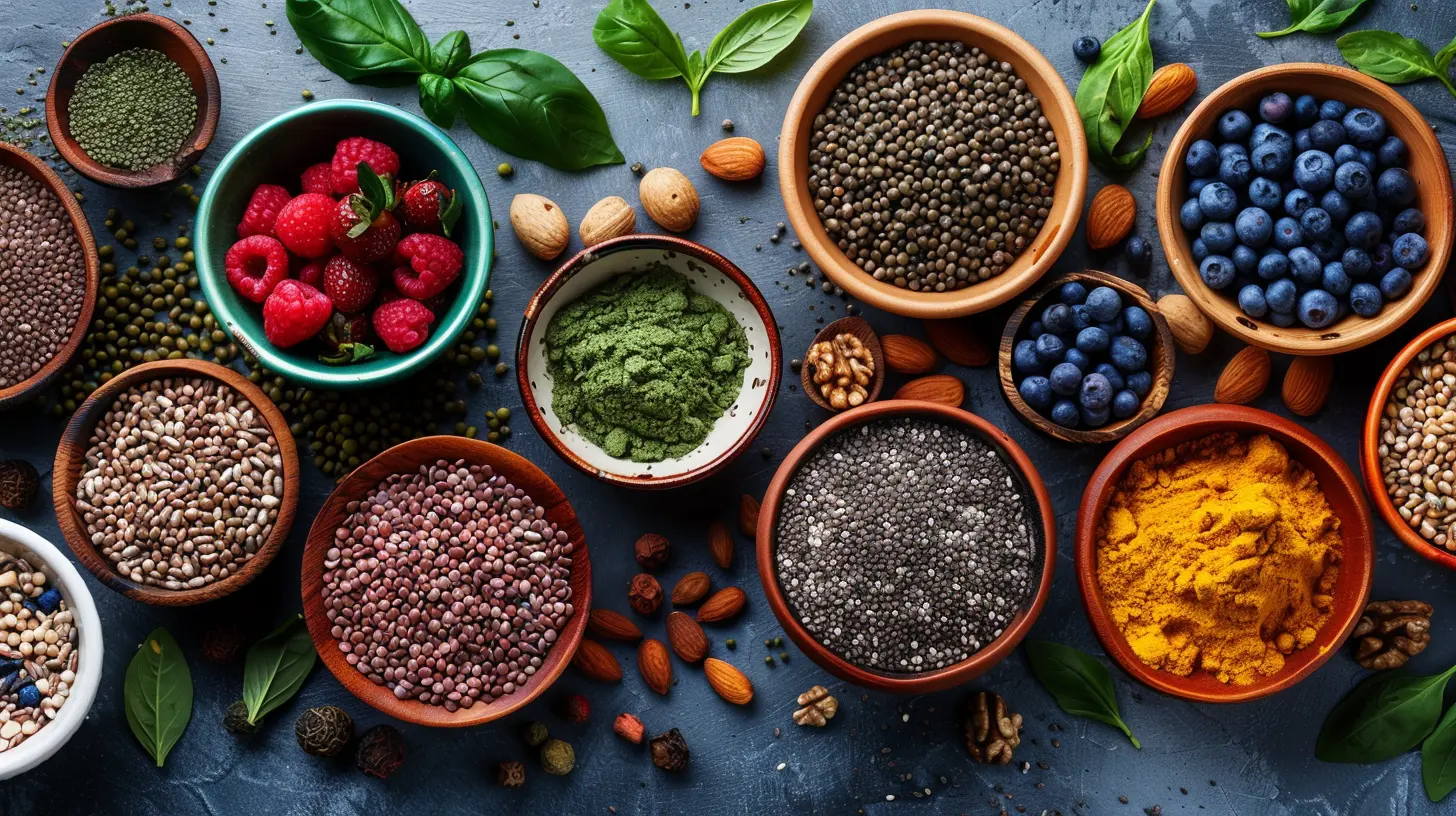
? Sample Meal Plan for Better Mineral Absorption
Want to put this all into action? Here’s a quick meal idea that checks all the boxes:Breakfast
- Fortified oatmeal + chia seeds + blueberries + splash of almond milk
- Green smoothie with spinach, banana, and orange juice (hello, iron + vitamin C)
Lunch
- Quinoa bowl with roasted chickpeas, kale, bell peppers, sweet potato, and tahini dressing
- Side of fermented pickles or sauerkraut
Snack
- Greek yogurt with pumpkin seeds and a drizzle of honey
Dinner
- Grilled salmon (vitamin D) with sautéed greens (calcium)
- Brown rice (soaked and cooked) with lentil curry
- Herbal tea (after meal)
? Quick Reminders to Keep in Your Pocket
- Pair vitamin C with plant-based iron- Space out calcium and iron-rich meals
- Soak, sprout, or ferment grains and legumes
- Don’t chug coffee or tea with meals
- Keep your gut happy—it's a big player here
- Whole foods > processed ones
- Be mindful, not obsessive. Small changes = big impact
❤️ Final Thoughts
Here’s the thing: optimizing mineral absorption isn’t about perfection—it’s about awareness. Little tweaks, good habits, and showing your body some love go a long way. You’re not just what you eat... you’re what your body absorbs.So next time you build a meal, think of it as a little mineral party—and make sure everyone gets invited and stays a while. ?
Your energy, mood, immunity, and even sleep will say thank you.
all images in this post were generated using AI tools
Category:
MineralsAuthor:

Arthur McKeever
Discussion
rate this article
1 comments
Caden McCune
Great tips! Optimizing mineral absorption can really boost our health. I'm excited to try some of these strategies in my meals. Here's to absorbing all those essential nutrients and feeling our best!
June 4, 2026 at 4:56 AM
Arthur McKeever
Thanks for your enthusiasm! Enjoy experimenting with those strategies, and here's to better health through smarter eating.