Common Skin Rashes in Kids and How to Treat Them
30 July 2026
Parenting is an incredible journey, isn't it? But let’s face it — there are moments when it can get downright confusing, especially when you spot an uninvited guest on your little one's skin: a rash. Yep, skin rashes in kids are as common as scraped knees and spilled milk. But unlike spilled milk, they can leave you scratching your head (pun intended!). So, what’s the deal with these pesky rashes? Are they harmful? Are they contagious? Most importantly, how do you treat them? Sit tight; I’ve got all the answers for you right here.
What Causes Skin Rashes in Kids?
First things first — a rash is your child’s skin crying for attention. It could be due to a variety of reasons, ranging from mild irritations to underlying infections. Here are some of the most common culprits:1. Allergies: Whether it’s food, pollen, or pet dander, kids can have allergic reactions that show up as rashes. Think of it as their immune system overreacting to something harmless.
2. Infections: Bacterial, viral, or fungal infections can often lead to skin rashes. Some of these are contagious, while others are not.
3. Heat or Sweat: Prickly heat or heat rash happens when sweat glands get blocked, leading to tiny, itchy bumps.
4. Irritants: Sometimes, soaps, detergents, or even certain fabrics can irritate a child’s sensitive skin.
5. Skin Conditions: Things like eczema, psoriasis, or other chronic skin issues can also trigger rashes.
The good news? Most skin rashes aren’t serious. The challenge? Pinpointing the exact cause can sometimes feel like solving a jigsaw puzzle.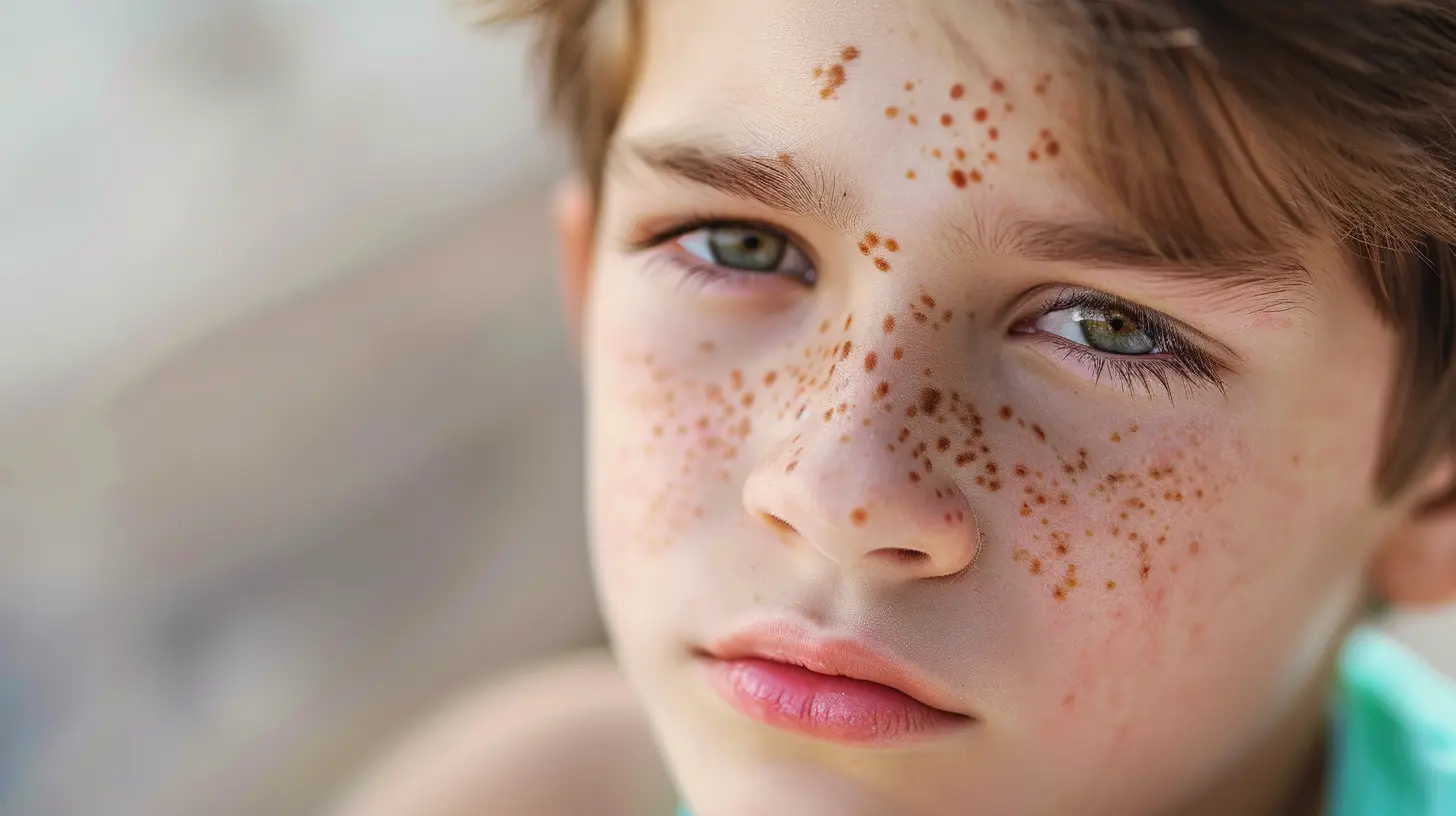
Common Types of Skin Rashes in Kids
Let’s break down the most common types of skin rashes you’re likely to encounter. That way, you’ll know what you’re dealing with next time your child’s skin throws a tantrum.1. Diaper Rash
You’ve probably encountered this already if you’ve been changing diapers around the clock. Diaper rash is a red, sore-looking rash that appears in the diaper area, often caused by prolonged exposure to moisture (hello, pee and poo!).- How It Looks: Red, inflamed skin with possible tiny bumps.
- Treatment: Keep the area clean and dry. Switch to fragrance-free wipes, apply a thick layer of diaper rash cream (zinc oxide works wonders), and give your baby some diaper-free time.
2. Eczema (Atopic Dermatitis)
Eczema is like that friend who loves attention — it flares up when triggered by things like allergens, stress, or even weather changes. It’s a chronic skin condition, but don’t worry, it’s totally manageable.- How It Looks: Dry, itchy patches that might turn red or ooze when scratched.
- Treatment: Moisturize, moisturize, moisturize! Use a gentle, fragrance-free cream and consider over-the-counter hydrocortisone for inflamed areas. If severe, consult a dermatologist.
3. Heat Rash (Prickly Heat)
Hot days can be brutal for babies and younger kids. When their sweat glands get clogged, it’s heat rash to the rescue (or, not really).- How It Looks: Tiny red or pink bumps, often on areas like the neck, armpits, or chest.
- Treatment: Cool your kiddo down! Dress them in lightweight, breathable fabrics and keep them in a cool environment. Avoid heavy lotions or oils that might block their pores.
4. Chickenpox
Ah, old-school parenting rites of passage! Chickenpox is caused by the varicella-zoster virus and spreads like wildfire in kids who haven’t been vaccinated.- How It Looks: Red, itchy, fluid-filled blisters that eventually scab over.
- Treatment: Calamine lotion and oatmeal baths can help soothe the itch. Also, ensure those little fingers don’t scratch to avoid scarring. For severe cases, consult a doctor for antiviral medication.
5. Hives (Urticaria)
Hives are like surprise parties — they pop up suddenly and often disappear just as fast. They’re usually an allergic reaction.- How It Looks: Raised, itchy welts that can be red, pink, or skin-colored.
- Treatment: Antihistamines (like Benadryl) can help knock out hives caused by allergies. For persistent hives, talk to your pediatrician.
6. Ringworm
Despite its terrifying name, ringworm is neither a worm nor something to panic about. It’s a common fungal infection.- How It Looks: Circular patches with a red, scaly border and a clearer center.
- Treatment: Use an over-the-counter antifungal cream. Consistency is key — apply it for a few weeks, even if the rash starts to fade.
7. Hand, Foot, and Mouth Disease (HFMD)
HFMD is a viral infection that sounds scarier than it is. It’s most common in kids under five and is often seen in daycare outbreaks.- How It Looks: Small red spots or blisters on the hands, feet, and in the mouth.
- Treatment: No specific treatment, but you can manage symptoms with pain relief and plenty of fluids. It goes away on its own in about a week.
8. Impetigo
This bacterial skin infection loves to hang out on the face, especially around the nose and mouth. It’s super contagious, but don’t worry — it’s treatable.- How It Looks: Red sores or blisters that burst and leave a honey-colored crust.
- Treatment: Antibiotic creams or oral antibiotics prescribed by a doctor.
9. Fifth Disease (Slapped Cheek Syndrome)
This viral rash gets its nickname from its hallmark symptom — bright red cheeks that look like someone gave your child a playful slap.- How It Looks: Red cheeks, followed by a lacy rash on the body.
- Treatment: Usually goes away on its own. Just ensure your child gets rest and fluids.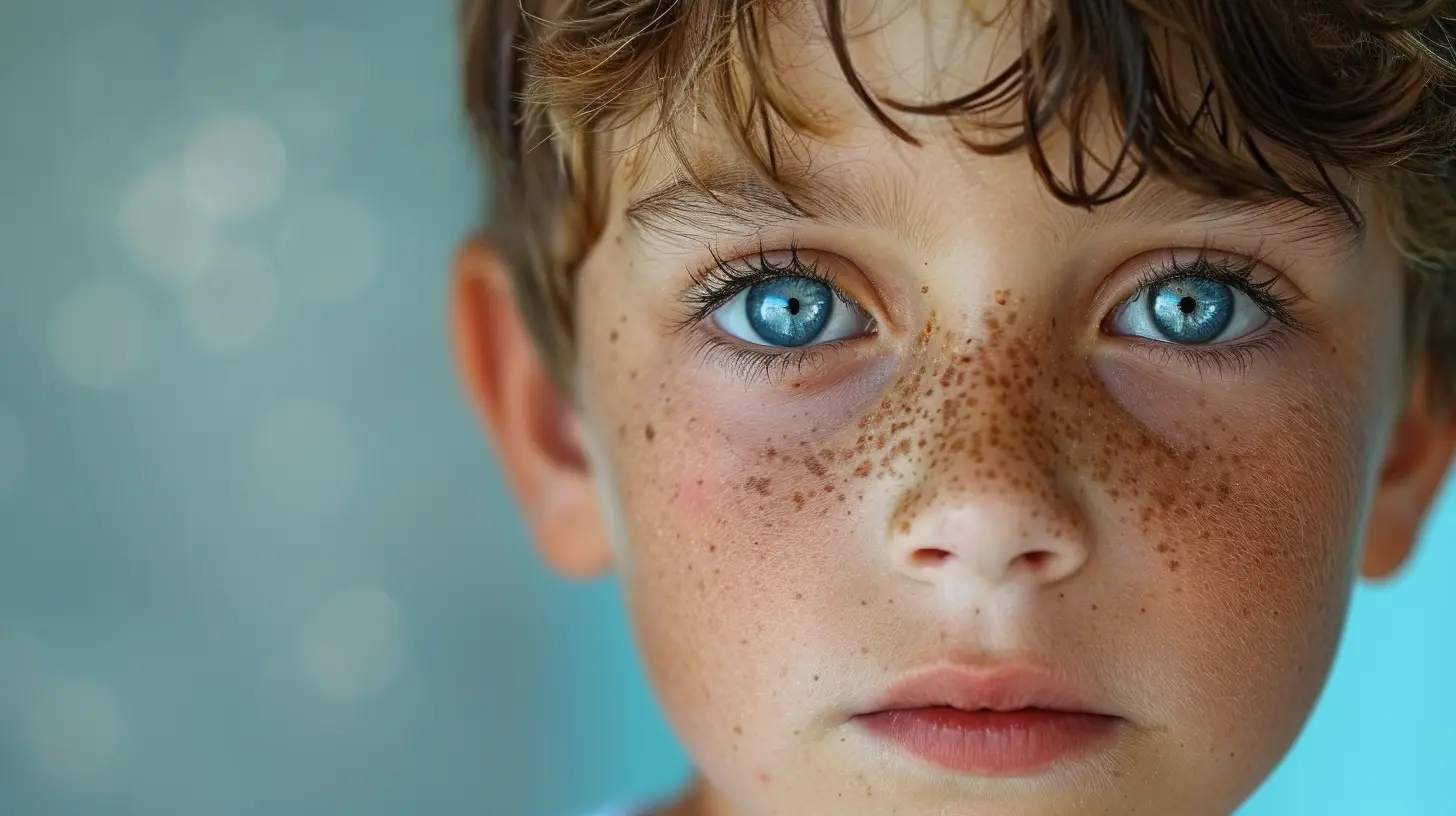
When Should You See a Doctor?
Look, some rashes are no biggie, and others? Well, they might need a professional opinion. Take your kiddo to the doctor if:- The rash is accompanied by fever.
- It’s spreading rapidly or looks infected (think pus or excessive redness).
- Your child seems unusually irritable or lethargic.
- They’re having trouble breathing (this could be a sign of a severe allergic reaction).
Don’t wait around if something doesn’t feel right. Trust your gut — you know your child best.
Tips to Prevent Skin Rashes in Kids
An ounce of prevention is worth a pound of cure, right? While you can’t avoid every rash under the sun, these tips can certainly help:1. Keep Skin Clean and Dry: Bathe your child regularly and make sure you dry them off completely, especially in skin folds.
2. Choose Gentle Products: Stick to fragrance-free, hypoallergenic soaps, shampoos, and detergents.
3. Dress for the Weather: Lightweight clothing in summer, breathable layers in winter.
4. Moisturize Regularly: Eczema-prone kids do well with a daily slather of thick, fragrance-free moisturizer.
5. Teach Good Hygiene: Kids love getting dirty, so teaching them to wash their hands often can prevent the spread of infections.
Final Thoughts
Rashes may be skin deep, but the worry they cause runs way deeper — I totally get it. The good news is that most skin rashes in kids are nothing to lose sleep over. With a little TLC (and sometimes a trip to the pharmacy), your child’s skin will be back to its soft, smooth self in no time.Remember, you’ve got this! Parenting is a marathon, not a sprint, and those rashes? Just another hurdle to gracefully leap over.
all images in this post were generated using AI tools
Category:
Pediatric HealthAuthor:

Arthur McKeever