Benefits of Mindfulness and Meditation for Children’s Health
20 July 2026
In today’s fast-paced world, even kids aren’t immune to stress. With school, extracurricular activities, and social pressures, children experience more anxiety than ever before. So, how can we help them? The answer might just be mindfulness and meditation! These simple practices aren’t just for adults—they hold incredible benefits for children too.
Let’s dive into how mindfulness and meditation can improve children’s health, from boosting brainpower to enhancing emotional well-being. 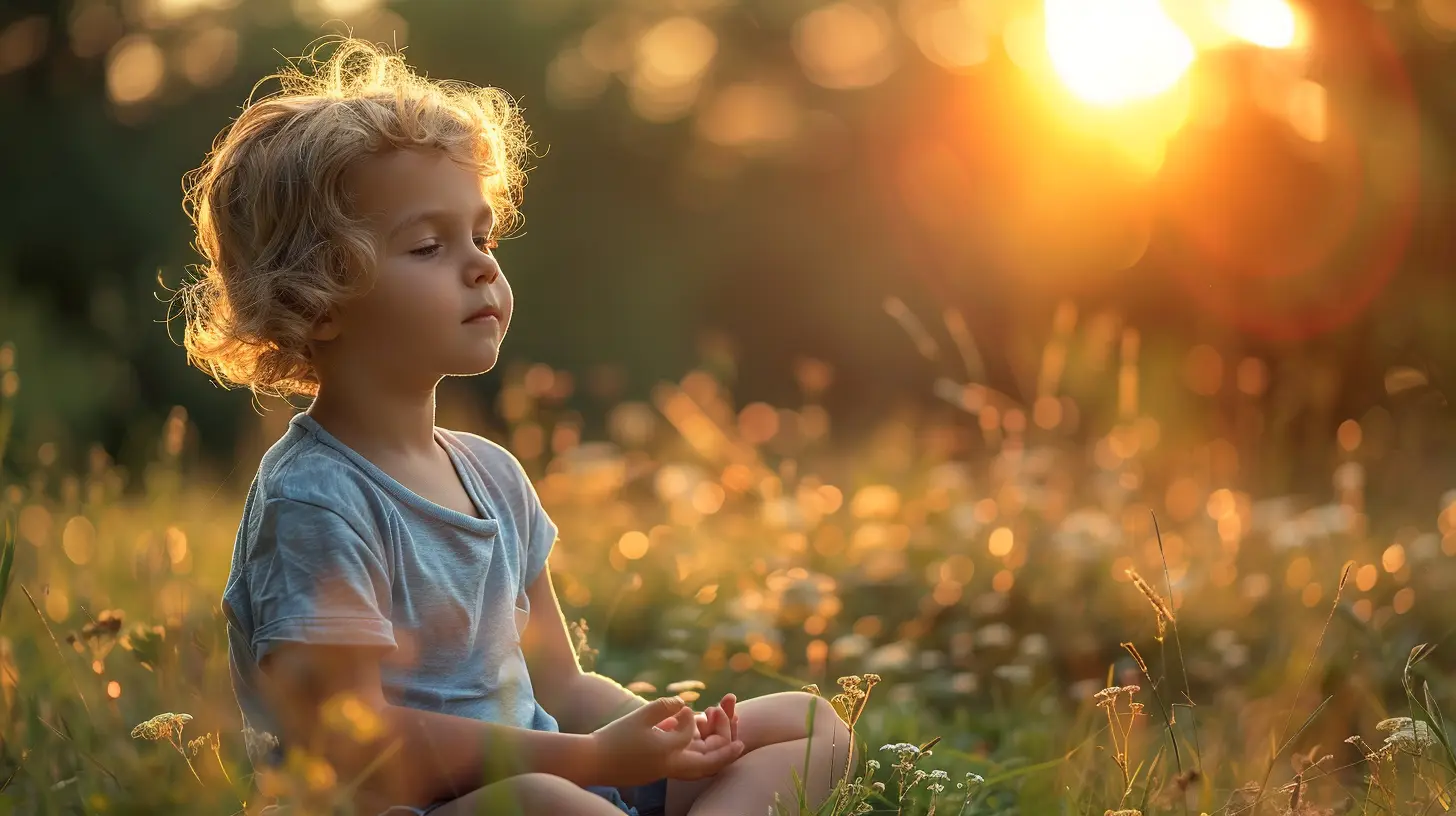
What Is Mindfulness and Meditation?
Before we get into the benefits, let's break it down.- Mindfulness is all about being present in the moment. It’s paying attention to thoughts, feelings, and surroundings without judgment.
- Meditation is a practice that helps train the mind to focus and redirect thoughts. It can involve breathing exercises, guided imagery, or simply sitting in silence.
Now, let’s see why these practices are game-changers for children’s health. 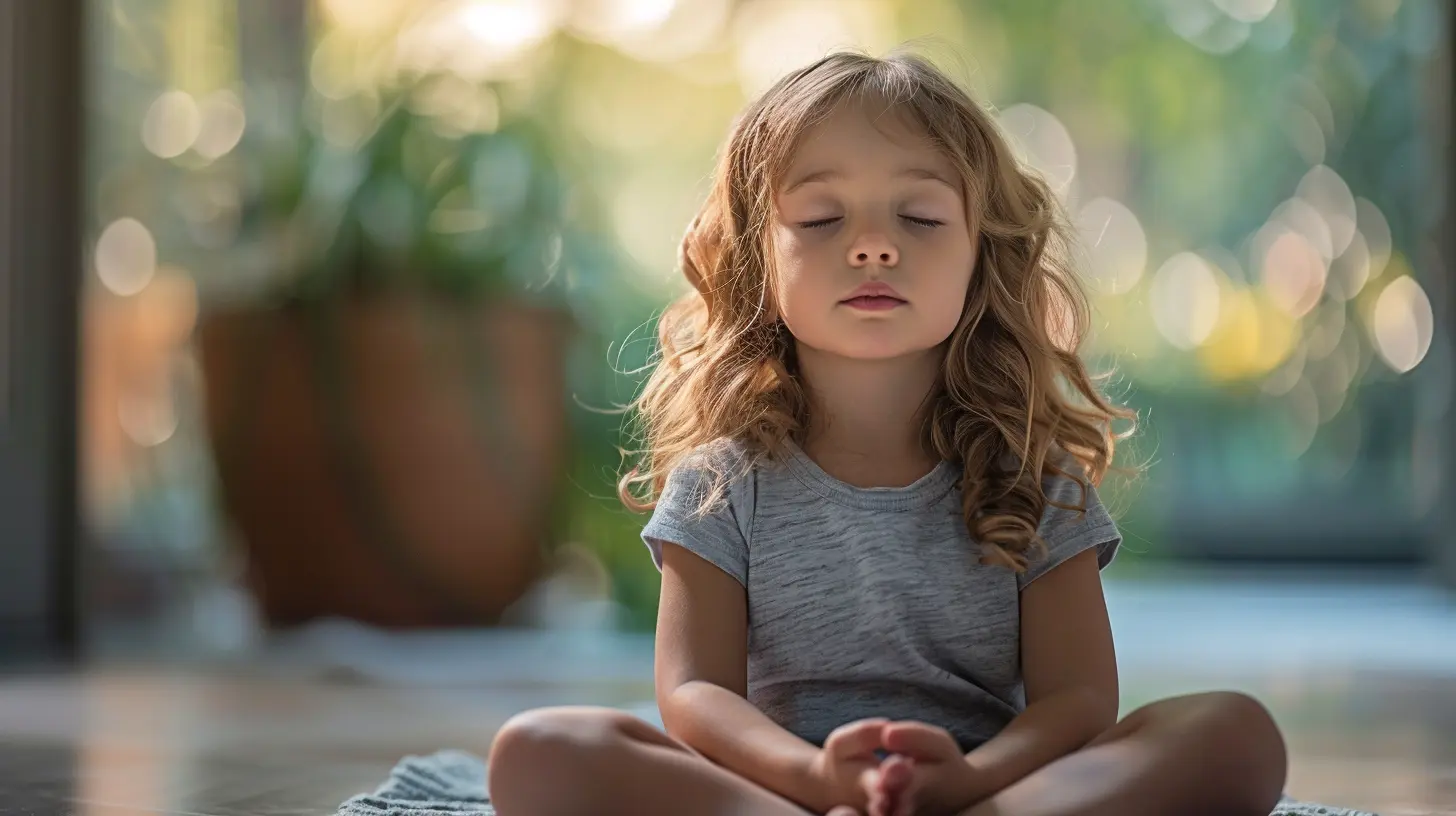
1. Improves Focus and Concentration
Kids are naturally curious, but let’s be honest—many struggle to sit still and focus. Whether it’s paying attention in class or completing homework, distractions can be a big problem.Practicing mindfulness helps children sharpen their concentration. Studies have shown that mindfulness training improves attention span and cognitive performance. Think of it as a workout for the brain—it strengthens focus muscles, making it easier for kids to stay on task.
Imagine trying to drink a smoothie with a straw full of holes—that’s what a distracted mind feels like! Mindfulness helps patch those holes, ensuring thoughts stay on track. 
2. Reduces Stress and Anxiety
Children experience stress too, whether it’s about schoolwork, peer pressure, or family issues. Meditation provides them with a tool to manage stress effectively.When kids practice mindfulness, their cortisol levels (the stress hormone) decrease, leading to a calmer mind. Guided breathing exercises or visualization techniques can provide immediate relief when they feel overwhelmed.
Picture stress like a snow globe—when shaken, everything inside is chaotic. Meditation helps settle the flakes, creating a sense of calm and clarity. 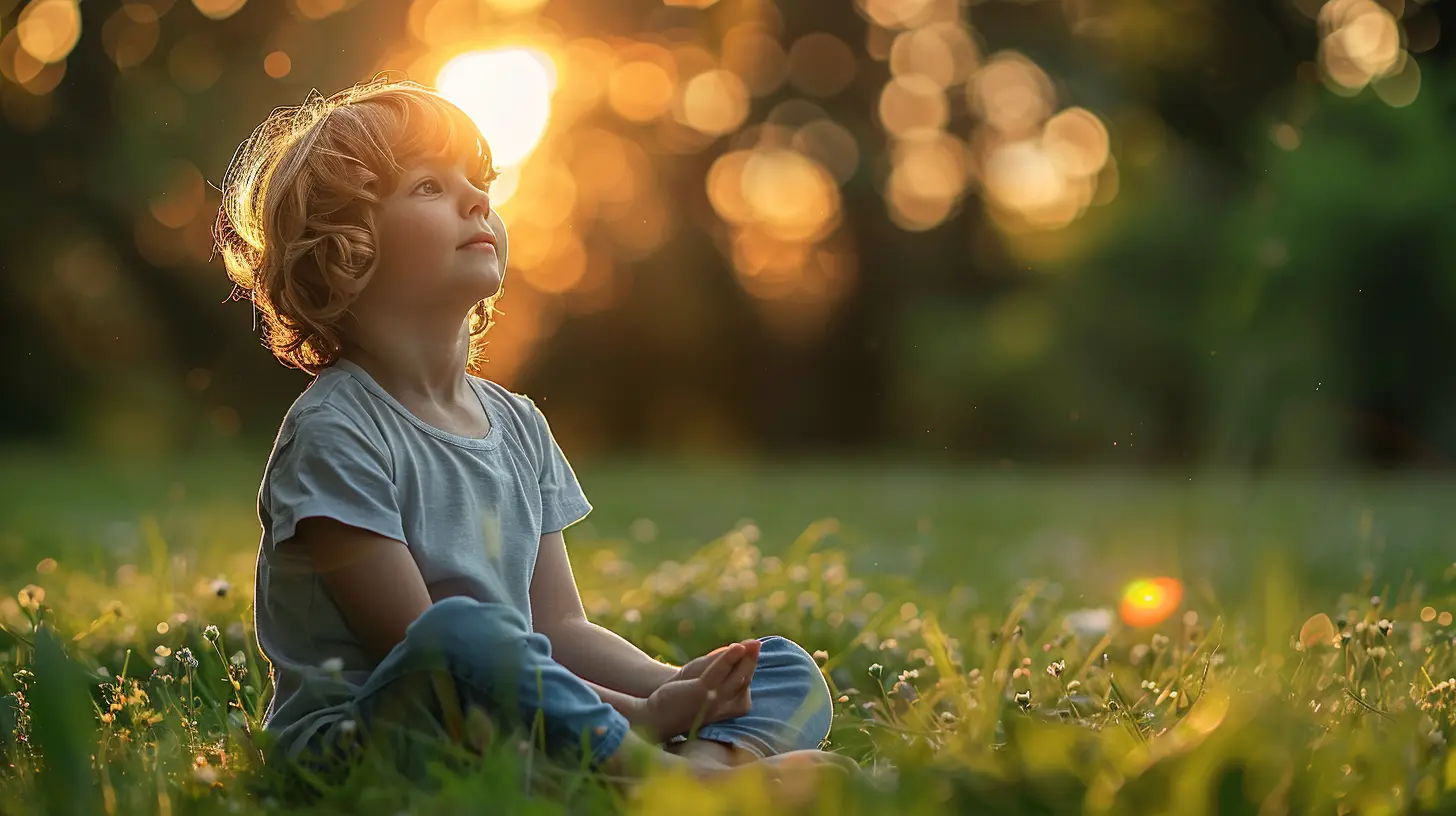
3. Enhances Emotional Regulation
Ever seen a child throw a tantrum over something small? Emotional outbursts are common in young kids because emotional regulation is still developing.Mindfulness helps children recognize and manage their emotions better. Instead of reacting impulsively, they learn to pause, take a deep breath, and respond thoughtfully. Over time, this can lead to fewer meltdowns and better coping skills.
Think of it like learning to drive a car—before mindfulness, emotions are like a car speeding without brakes. Meditation teaches kids how to slow down and steer their emotions in the right direction.
4. Boosts Self-Esteem and Confidence
Low self-esteem can start early in life, especially with today’s social media influence. Mindfulness encourages self-acceptance. Children learn to appreciate themselves without comparing to others.Through positive affirmations and self-awareness, kids build inner confidence. They start recognizing their strengths and embracing imperfections. A child who practices mindfulness is more likely to feel comfortable in their own skin.
It’s like planting a seed—the more you nurture self-love, the stronger confidence grows.
5. Encourages Better Sleep
Bedtime battles are real! Many kids struggle with restless nights due to overstimulation, screen time, or racing thoughts. Meditation can be a natural sleep aid.Mindfulness-based bedtime routines help calm the nervous system. Simple breathing exercises or guided meditations create a sense of relaxation, making it easier for kids to drift off to sleep peacefully.
Think of a child’s mind like a bouncing ball—meditation helps slow it down until it gently comes to rest.
6. Strengthens Social Skills and Empathy
Mindfulness isn’t just about self-awareness—it also enhances how kids interact with others. When children practice mindfulness, they become more empathetic, understanding, and kind.By tuning into their own feelings, kids develop a greater appreciation for the emotions of others. This leads to stronger friendships, better conflict resolution, and a more positive outlook on social interactions.
It’s like putting on a pair of "kindness glasses"—suddenly, they see the world with more compassion and understanding.
7. Supports Physical Health
Did you know that mindfulness doesn’t just benefit the mind? It has incredible effects on physical health too!- Lowers blood pressure
- Strengthens the immune system
- Reduces headaches and stomach aches caused by stress
- Improves digestion and gut health
When kids practice mindfulness, their bodies respond positively. It’s like pressing the "reset" button on stress-related physical symptoms.
8. Encourages Healthy Eating Habits
Many children rush through meals while watching TV or using gadgets, leading to overeating or unhealthy food choices. Mindful eating encourages kids to savor each bite, recognize hunger cues, and make better food decisions.By paying attention to flavors, textures, and feelings of fullness, kids develop a healthier relationship with food. Imagine eating a piece of chocolate slowly, enjoying every bit—that’s mindfulness in action!
9. Develops Resilience and Mental Strength
Life isn’t always easy, and children will face challenges as they grow. Mindfulness teaches resilience—the ability to bounce back from setbacks.Instead of getting stuck in negative thoughts, mindful kids learn to accept failures, try again, and move forward with a positive mindset. This mental strength helps them navigate life’s ups and downs with confidence.
It’s like learning to ride a bike—falling is part of the process, but resilience helps them get back up and keep pedaling.
How to Introduce Mindfulness and Meditation to Kids
Now that we know the benefits, how do we make mindfulness and meditation fun for children? Here are some simple ways to start:1. Breathing Exercises
Teach kids to take slow, deep breaths when upset or anxious. Try the "balloon breath" technique—imagine inflating a balloon with each inhale and deflating it with each exhale.2. Guided Imagery
Use storytelling meditation to create calming adventures. Ask your child to close their eyes and imagine a peaceful place, like a beach or a magical forest.3. Mindful Coloring
Coloring is a great way to introduce mindfulness. Encourage kids to focus on the colors, patterns, and sensations while they create artwork.4. Gratitude Journaling
Have children write or talk about three things they’re grateful for each day. This helps shift focus toward positivity.5. Nature Walks
Take kids outside and encourage them to observe their surroundings—the rustle of leaves, the chirping of birds, the warmth of the sun. This simple activity enhances mindfulness.Final Thoughts
Mindfulness and meditation aren’t just trends—they’re powerful tools that can shape a child’s mental, emotional, and physical well-being. By introducing these practices early, we equip kids with lifelong skills to manage stress, improve focus, and build resilience.So, why not start today? Whether it’s a few deep breaths before bedtime or a mindful moment during playtime, every little bit counts. After all, a calm and mindful child is a happy and healthy child!
all images in this post were generated using AI tools
Category:
Pediatric HealthAuthor:

Arthur McKeever