Active Rest Days: How Low-Impact Workouts Keep You Moving
27 June 2026
Ever Heard of Active Rest Days? They Might Be Your Secret Weapon
You train hard, push your limits, and give it your all in the gym. But what if I told you that rest days don’t have to mean being a couch potato? That’s where active rest days come in. Instead of completely taking the day off, you engage in low-impact movements to help your body recover while staying active.
Sounds like a paradox, right? Rest and activity in the same sentence? But stick with me—there’s a method to this madness. Your muscles need time to repair and grow, but that doesn’t mean you should be glued to your sofa all day.
So, let’s break this down. What exactly are active rest days, and why should you seriously consider them? 
What Is an Active Rest Day?
An active rest day is exactly what it sounds like—a day of rest from strenuous workouts, but with some gentle movement to keep your body engaged. Unlike complete rest, where you do absolutely nothing, active recovery involves low-intensity exercises that increase blood flow, reduce stiffness, and aid muscle recovery.Think of it like taking your car for a slow drive after a long road trip instead of letting it sit in the garage collecting dust. Your body stays in motion just enough to keep things running smoothly.
Active Rest vs. Passive Rest
- Active rest: Light movement to promote blood circulation and muscle recovery. (e.g., walking, yoga, stretching)- Passive rest: Complete inactivity, often associated with soreness, stiffness, and longer recovery times.
Bottom line? Active rest keeps your body feeling good while still allowing it to recover. 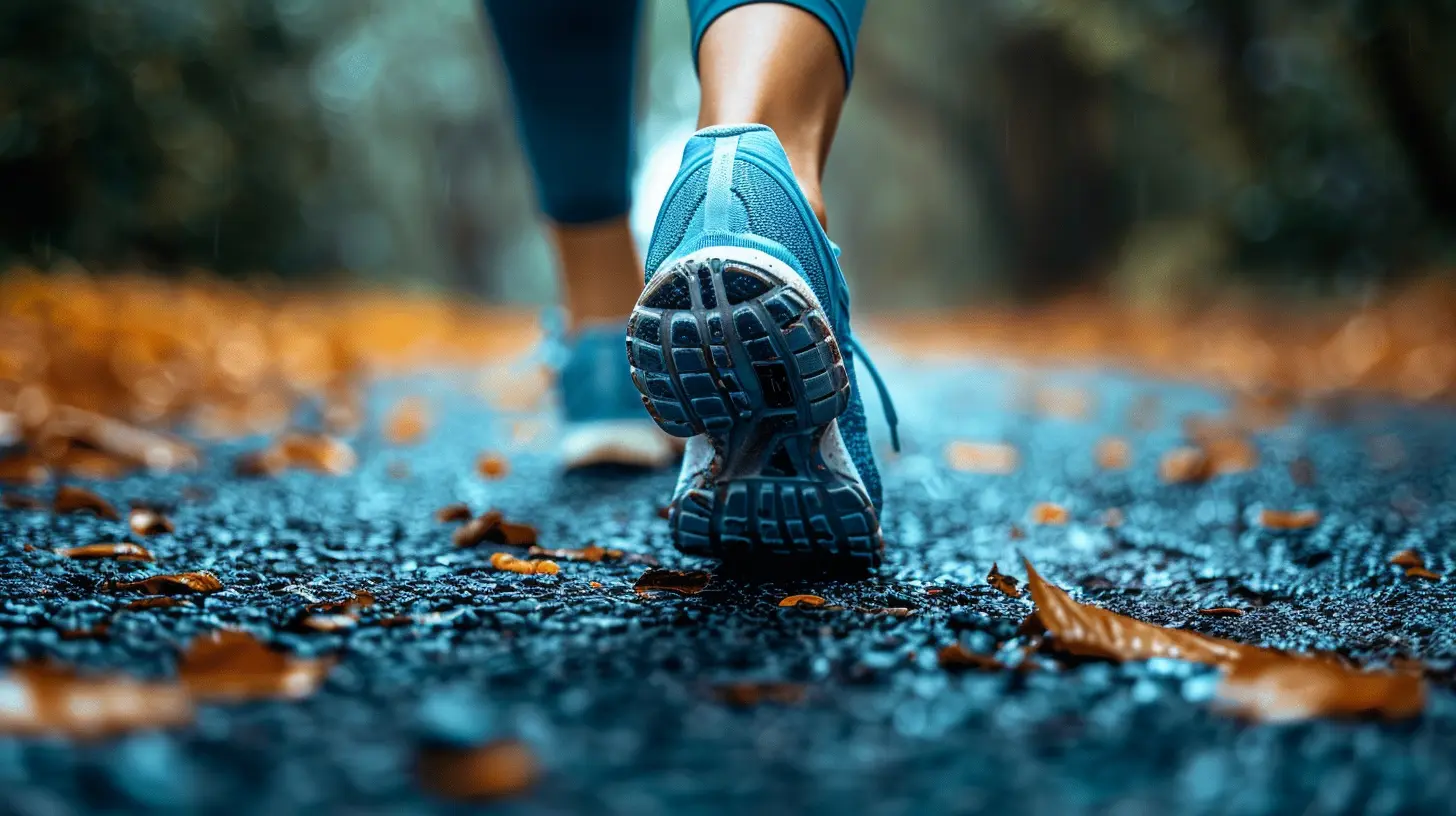
Why You Shouldn’t Skip Active Rest Days
Let’s be real—when you've crushed a tough workout, the temptation to do nothing the next day is strong. But here’s the thing: staying completely inactive can actually slow down your recovery.1. Reduces Muscle Soreness (Without the Painful Stiffness!)
Ever experienced DOMS (Delayed Onset Muscle Soreness)? That brutal stiffness that creeps in a day or two after a workout? Active rest encourages blood circulation, delivering oxygen and nutrients to your sore muscles, helping them recover faster.2. Prevents Injuries
When you take a complete break, your muscles tighten up. But if you keep moving—through gentle stretching, mobility drills, or low-impact exercises—you maintain flexibility and reduce the risk of injuries.3. Keeps You in the Habit of Moving
Let’s face it, getting back into a routine after a lazy day can be hard. Active rest keeps you consistent without overloading your body.4. Boosts Your Mood & Mental Health
Exercise releases endorphins, the feel-good hormones. Even on rest days, gentle movement can help reduce stress, anxiety, and fatigue.5. Improves Circulation & Recovery
Low-intensity movement helps your body flush out toxins, clear metabolic waste, and speed up muscle repair—all leading to quicker recovery.So, if you want to keep progressing without burnout, active rest days are a game-changer. 
Best Low-Impact Workouts for Active Rest Days
Okay, now that we know why active rest is so important, let’s talk about how you can actually incorporate it.1. Walking (Yes, It’s That Simple!)
You don’t have to overthink it—just go for a brisk walk. It keeps your body moving without adding extra strain on your muscles. Bonus points if you take it outdoors and soak in some fresh air!2. Yoga & Stretching
Yoga isn’t just for those ultra-flexible folks on Instagram. A gentle yoga session can decrease muscle tightness, improve flexibility, and relax your mind—all while aiding recovery.3. Swimming & Aqua Jogging
Water-based workouts provide resistance without impact, making swimming a powerhouse for recovery. The buoyancy of water reduces stress on your joints while still engaging your muscles.4. Cycling (At a Chill Pace)
A relaxed bike ride is another excellent way to get blood flowing to sore muscles without straining them. Just stick to low resistance and avoid going all-out.5. Foam Rolling & Mobility Work
Okay, so foam rolling might feel like torture at times, but it loosens tight muscles, breaks down knots, and prevents stiffness. Pair it with light mobility drills, and your body will thank you.6. Tai Chi or Light Martial Arts
Ever seen those people in the park gracefully moving through slow, controlled martial arts movements? That’s Tai Chi—a fantastic way to enhance balance, coordination, and relaxation.7. Pilates for Core & Flexibility
If you want something low-impact but a little more engaging than stretching, try Pilates. It’s gentle on your joints while strengthening your entire body.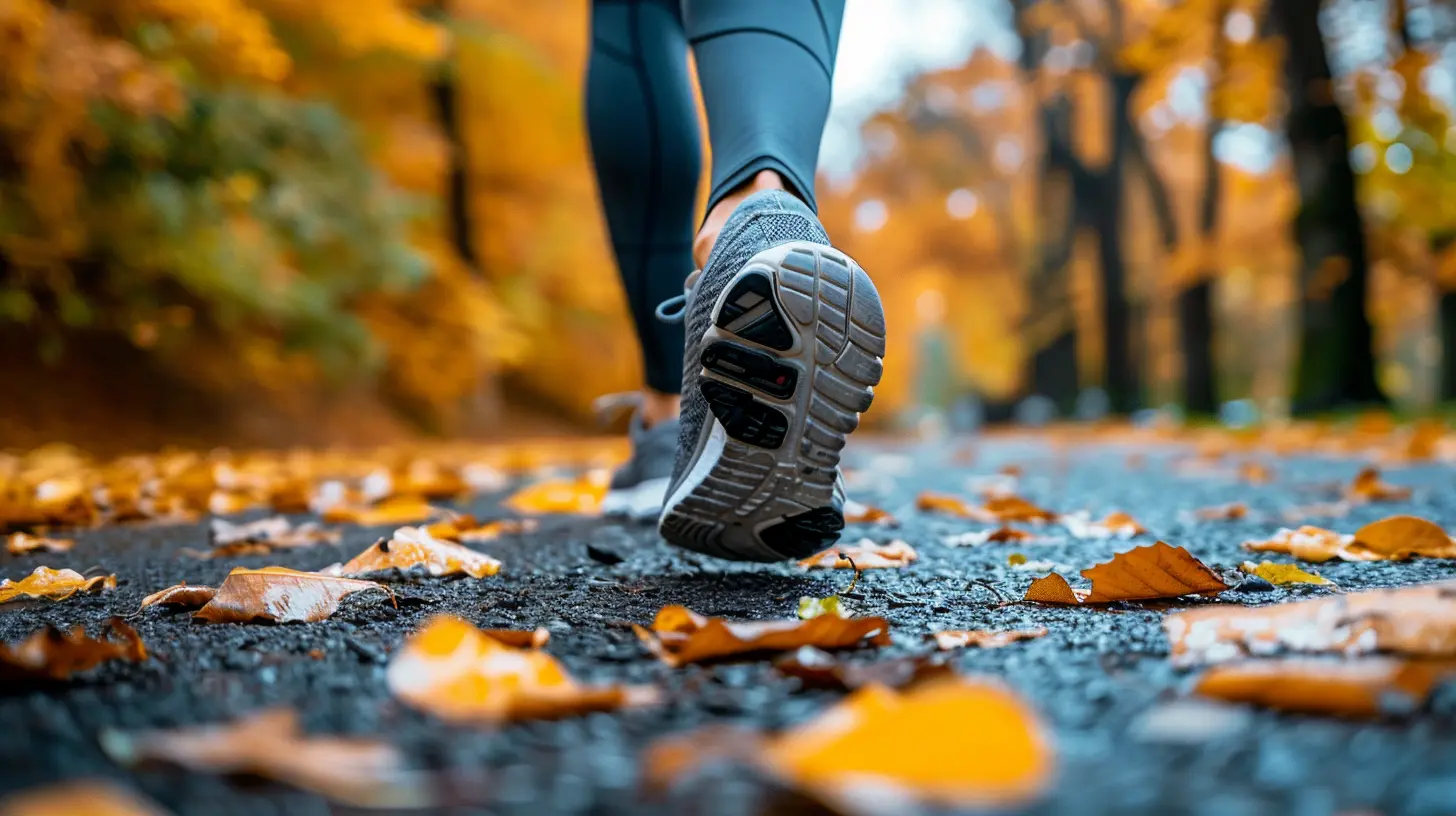
How to Incorporate Active Rest Days Into Your Routine
The beauty of active rest is that it doesn’t require a complicated plan. Here’s how to do it right:1. Listen to Your Body
If you’re extremely sore, keep it light—gentle yoga or a slow walk. If you feel moderate soreness, cycling or swimming might be perfect.2. Keep It Low-Intensity
Active rest isn’t another workout session. The goal is recovery, not exhaustion. Keep your heart rate moderate and movements relaxed.3. Hydrate & Fuel Properly
Your body needs water and nutrients to heal. Drink plenty of water and eat nourishing foods, especially protein and anti-inflammatory nutrients.4. Prioritize Sleep
Recovery extends beyond movement—quality sleep is key. Make sure you're getting enough rest to allow your muscles to rebuild.5. Enjoy the Process
If active rest feels like a chore, switch it up! Find what you enjoy—whether it’s a walk with a friend, a calming yoga flow, or a swim in the ocean.Final Thoughts: Keep Moving, Even on Rest Days
Active rest days are the secret sauce to a balanced fitness routine. Instead of sitting around doing nothing, a little movement can go a long way in keeping your joints happy, muscles loose, and energy levels high.So, the next time you think about taking a complete rest day, consider swapping it for some low-impact activity instead. Your body and mind will thank you.
### What’s your go-to active recovery workout? Let me know in the comments!
all images in this post were generated using AI tools
Category:
Fitness RoutinesAuthor:

Arthur McKeever
Discussion
rate this article
1 comments
Anika Riley
In gentle motions, we find our grace, Active rest invites a slower pace. With mindful steps and breaths that flow, Low-impact paths let our spirits grow. Embrace the calm, let your body play, Healing blooms in each soft sway.
July 6, 2026 at 4:00 AM
Arthur McKeever
Thanks for sharing such beautiful words! Active rest is truly transformative, allowing our bodies and minds to rejuvenate while still keeping us engaged.