Raising Overdose Awareness at the Giants Game
April 27, 2025 - 08:22
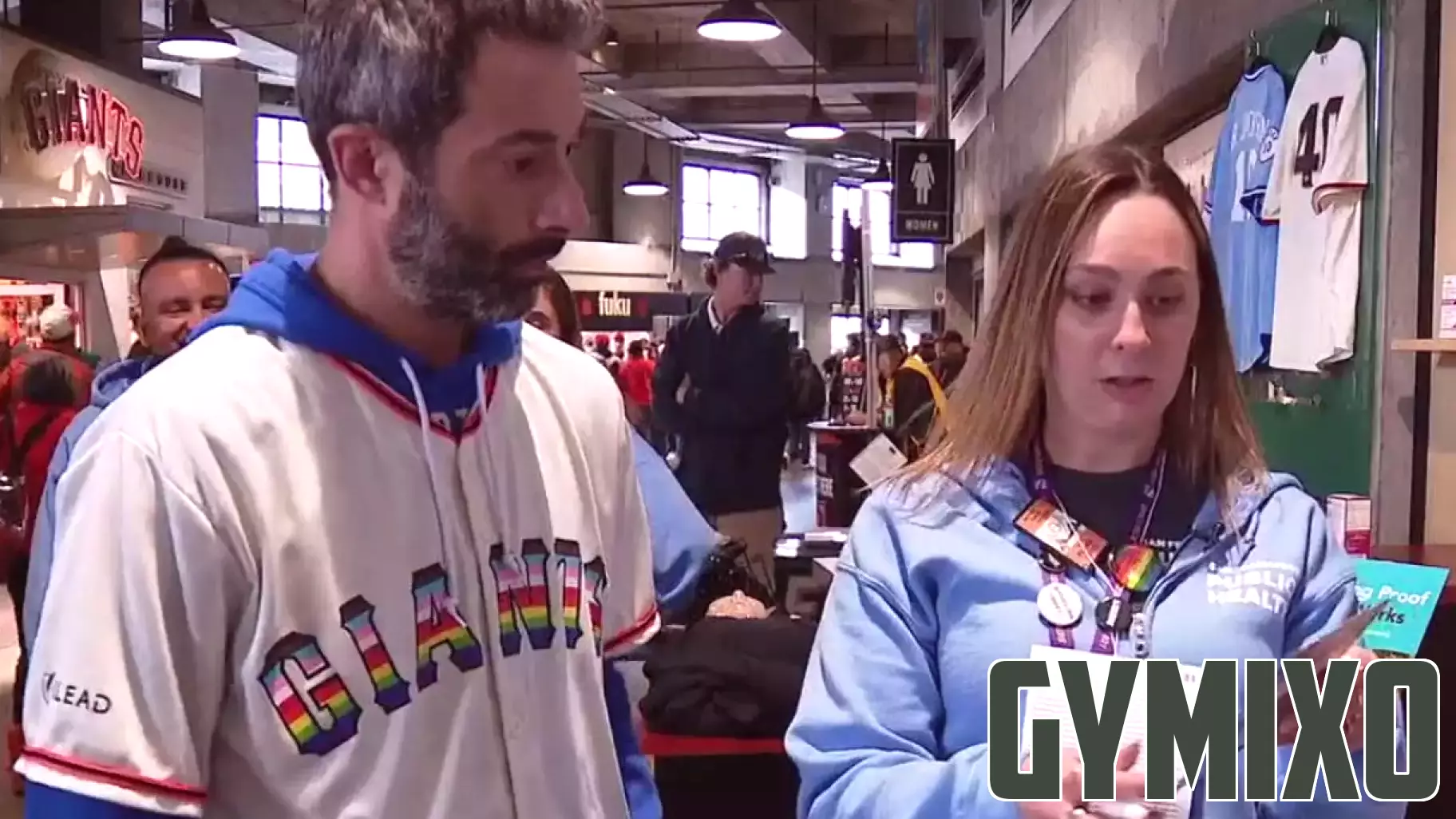
The San Francisco Department of Public Health has joined forces with a local nonprofit organization to raise awareness about the dangers of fentanyl during a recent San Francisco Giants game at Oracle Park. This initiative aims to educate baseball fans on the alarming rise of opioid overdoses, particularly those related to fentanyl, which has become a significant public health concern.
Attendees at the game were provided with crucial information on recognizing the signs of an overdose and the steps to take in such emergencies. The collaboration included distributing educational materials and resources, as well as demonstrating how to use naloxone, a life-saving medication that can reverse the effects of an opioid overdose.
This outreach effort underscores the importance of community engagement in addressing the opioid crisis. By leveraging the platform of a popular sporting event, the San Francisco Department of Public Health and its nonprofit partner hope to empower individuals with the knowledge and tools necessary to save lives and foster a healthier community.
MORE NEWS

August 10, 2026 - 17:30
Fans pay tribute as Roger Craig reveals devastating health diagnosis doctors link to NFL careerThe football world has shifted its focus to support Roger Craig, the former San Francisco 49ers star, after he used his Hall of Fame moment to share a deeply personal health struggle. Craig, who...

August 10, 2026 - 03:04
University Health briefs county on hospital openings, new servicesOfficials highlighted that two major facility projects are on track to open before the end of the year. The new north campus hospital will add 120 beds, with a focus on cardiac care and outpatient...

August 9, 2026 - 09:30
North Carolina high schoolers show improvements in mental healthRecent survey data from North Carolina shows a modest but real improvement in the mental well-being of high school students across the state. The findings, released by state health officials,...
August 8, 2026 - 19:46
Tommy John misses Old-Timers' Day to continue cancer treatmentNEW YORK - Tommy John, the former pitcher whose name became synonymous with the groundbreaking elbow surgery that saved countless careers, will not be at Yankee Stadium this weekend. Instead of...