Why Rest Days Are Crucial for Cyclists
5 April 2026
Let’s get one thing straight — when it comes to cycling, more isn’t always better. You could be logging miles every single day, pushing your limits, sweating it out, charging up hills like a beast… and still end up going backward. Why? Because you're skipping rest days. And if you're guilty of that, you're sabotaging your own progress.
Yeah, I said it. Rest days aren’t lazy days — they’re legit power moves.
Whether you're a weekend warrior or a die-hard road racer, rest is just as crucial as your strongest ride. In fact, if you're serious about improving performance, avoiding injury, and staying mentally sharp, then rest days need to be part of your training plan — not the afterthought.
So, let’s break down exactly why rest days are a non-negotiable for every cyclist.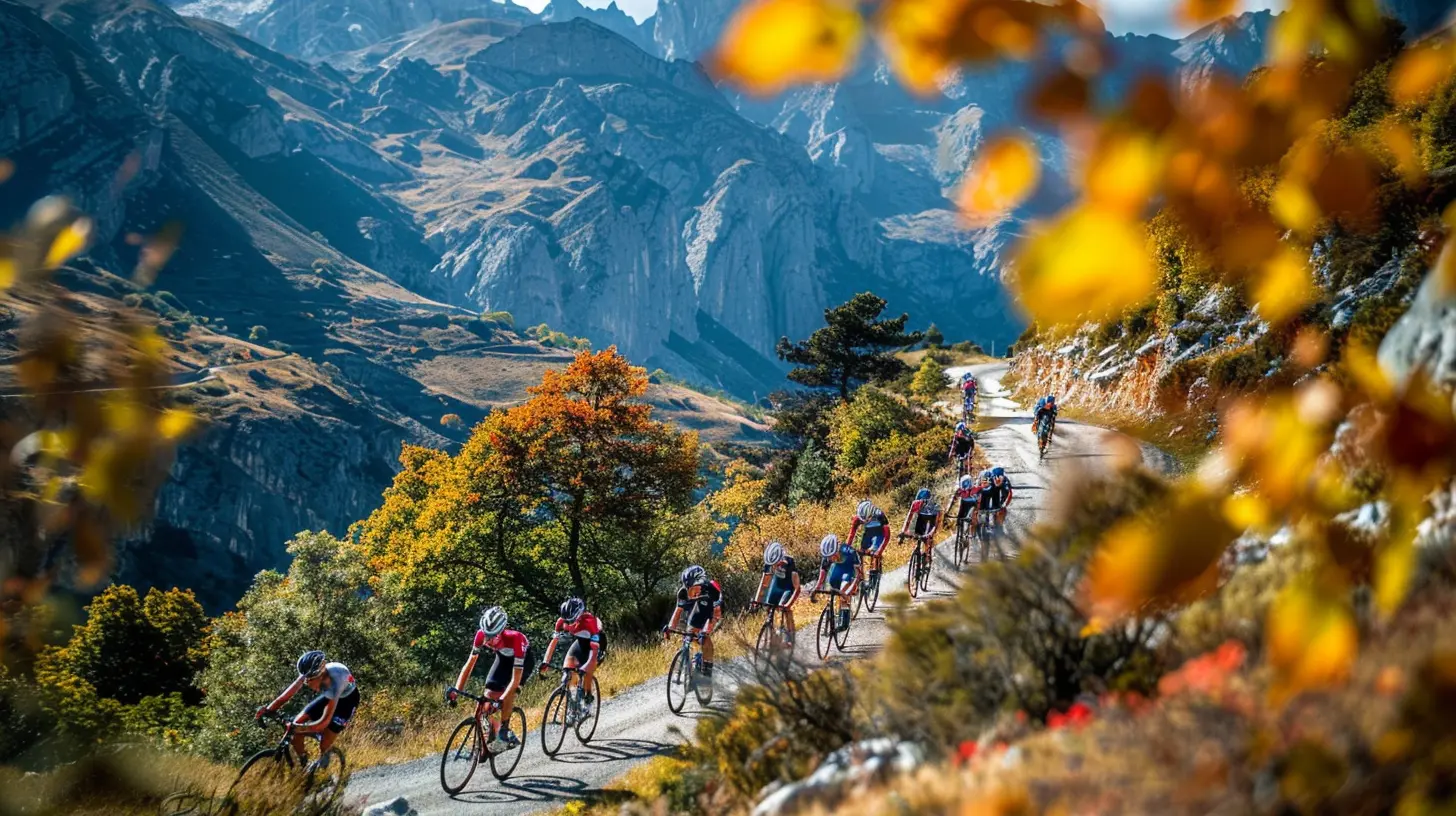
You're Not Getting Stronger During the Ride
Wait, what?Yep — progress doesn't actually happen during training. It happens after. Every time you ride hard, you’re putting stress on your muscles, depleting glycogen stores, messing with your nervous system, and creating micro-tears in your muscle fibers. That’s normal. That’s how you grow.
But…
Those glycogen stores? Need refilling. Those muscle fibers? Need repairing. Nervous system? Needs rebalancing.
That magical recovery process only kicks in when you rest. And if you don’t give your body the time it needs to rebuild, you’re not getting stronger — you're breaking yourself down.
Think of it like sharpening a knife. You don’t just keep hacking away and expect the blade to stay sharp. You stop and hone it. That’s your rest day.
Preventing Overtraining Syndrome: Because Burnout is Real
You know that feeling when your legs feel like concrete, your motivation's in the toilet, and even an easy spin feels like a death march? That’s not just “a tough day” — it could be overtraining syndrome knocking at your door.Overtraining syndrome isn't just physical fatigue — it’s full-blown body-wide meltdown. It messes with your hormones, messes with your mood, and worst of all, it can take weeks (even months!) to bounce back from.
What causes it? You guessed it — riding hard without giving your body time to recover. It's like running your engine on fumes. Eventually, you're gonna stall.
Taking regular rest days is the simplest, smartest way to avoid this full-on catastrophe.
Injury Prevention: Because No One Likes Sitting on the Sidelines
Let’s be real — injuries suck. They’re frustrating, painful, and they totally kill your momentum.Most cycling injuries aren’t from one traumatic event like a crash. They’re from overuse. It’s the constant repetitive motion, the microstrain on joints, tendons, and ligaments that never get a break because you never stop pedaling.
Rest days give your connective tissues a chance to catch up. To heal. To stay strong. Push too hard without a break, and you’re looking at tendonitis, knee pain, back issues — all the stuff that keeps you off the bike longer than a day or two off ever would.
A smart cyclist knows this: one rest day now can save you from six weeks in rehab later.
Mental Recovery: Because Your Brain Needs a Breather Too
Cycling isn’t just a physical grind — it’s a full-on mental chess match. Think about it. You’re focusing on speed, form, technique, traffic, weather, nutrition — it’s a lot to handle. And doing that day after day without pause? Mental burnout is just around the corner.Rest days aren't just for your hamstrings — they're for your headspace too.
Taking a day off doesn’t mean being lazy. It means shifting gears — mentally. Reading a book, chilling with your family, or just taking a solid nap isn't slacking, it's refueling your willpower and focus. And let’s be honest — no one rides their best when they're burned out mentally.
Rest Days Help You Sleep Better (Yes, Really)
You might think riding more helps you sleep like a log. But go overboard and things backfire. Hormonal imbalances from overtraining — specifically elevated cortisol levels — can trash your sleep quality big time.And poor sleep = poor recovery = poor performance.
Rest days help bring your stress hormones back to normal levels and set you up for deep, restorative sleep — the kind that actually helps your body rebuild and recharge.
So, if you want to sleep like a pro athlete, ditch the guilt and embrace the off days.
Rest Encourages Hormonal Balance
Let’s nerd out for a sec.Intense cycling spikes stress hormones like cortisol and adrenaline. All well and good for short bursts. But when they stay elevated because you’re not resting? Your body enters a chronic stress state.
This messes with:
- Testosterone (hello, muscle loss)
- Human Growth Hormone (bad for recovery)
- Immune system (hello, every cold ever)
Rest days allow your systems to reset — literally. Hormones rebalance, inflammation drops, immune function recovers. It’s like hitting the “refresh” button inside your body.
Periodization: Strategic Rest Is Pro-Level Thinking
Look, elite cyclists don’t just train hard. They train smart. And that includes built-in rest days, recovery weeks, and off-seasons.Why? Because periodization — the science of balancing workload and recovery — is the secret sauce behind sustainable peak performance.
You don’t hit personal records by going hard 24/7. You hit them by following a cycle: load → recover → supercompensate → repeat. That’s where genuine gains live — in the rebound after rest.
Even the pros are taking planned downtime. So if rest is good enough for the Tour de France crowd, it’s good enough for you.
How Many Rest Days Should Cyclists Take?
This isn’t one-size-fits-all. Your ideal rest schedule depends on your training intensity, experience level, age, and life stress.But general rules?
- New riders (or low training volume): 2 rest days per week
- Intermediate riders: 1 full rest day + 1 light/recovery ride
- Advanced riders: 1 full rest day, adjusted based on training blocks
And don’t forget: your body’s feedback matters. If your legs feel like garbage or your motivation is shot, that’s your body waving a red flag. Listen up.
Active Recovery vs. Full Rest — What’s the Deal?
Not all rest days look the same. Sometimes you go full couch potato (yes, that’s legit). Other times, you keep it light with a restorative spin or yoga session. Both have their place.Full rest is when you ditch the bike completely. Ideal after an intense block of training or a race.
Active recovery is low-intensity movement — think short, easy rides (Zone 1), stretching, walking, etc. It gets the blood flowing without adding more stress.
The magic? Alternating them based on your needs. Some weeks you need more active recovery. Others, full-on rest is the ticket.
Rest Day Nutrition Tips (Don’t Skip This!)
Here’s where a lot of cyclists screw up — they slash calories on rest days like they’re trying to win a weight cutting contest. Don’t.Recovery doesn’t happen without fuel. Your muscles still need protein to rebuild. Your glycogen stores still need carbs to refill. Your hormones still need healthy fats.
So, eat like an athlete even when you’re not training like one. Think:
- Lean protein: chicken, eggs, tofu
- Complex carbs: sweet potatoes, quinoa, oats
- Healthy fats: nuts, avocado, olive oil
- Hydration: always
And no, beer and pizza don’t count as recovery food. Sorry, bro.
Rest Makes Riding More Fun Again
Last but not least — cycling should be fun. If you’re dragging yourself out the door, dreading every mile, riding purely out of guilt, guess what? You’re overdue for a rest.Taking regular breaks reignites your passion for the sport. It keeps your training fresh. It turns burnout back into excitement.
Because you didn’t start riding just to be tired all the time, right?
Final Thoughts
Rest days aren’t optional. They’re essential. If you want to ride harder, go faster, feel stronger, and avoid crashing (mentally and physically), then you’ve gotta start treating rest like training — with intention, consistency, and zero guilt.Cycling is a grind, yes. But it’s also about balance. You can’t pedal to the moon if your body’s stuck in the mud.
So next time you’re tempted to skip that rest day? Don’t. Kick back, stretch out, fuel up, and thank yourself later. Because that’s the move of a smart, strong, long-lasting cyclist.
Now go ahead — earn that chill day. You’ve earned it.
all images in this post were generated using AI tools
Category:
Cycling FitnessAuthor:

Arthur McKeever
Discussion
rate this article
2 comments
Mallory Holland
Rest days: because even bikes need naps!
April 29, 2026 at 3:54 AM
Arthur McKeever
Absolutely! Just like we recharge, our bikes perform better after a break too. Rest is essential for peak performance.
Josie Thornton
Rest days are essential for cyclists, allowing the body to recover and rebuild, preventing injuries, and enhancing performance. Incorporating regular breaks into training schedules not only improves stamina but also promotes mental clarity, ensuring cyclists remain motivated and engaged in their fitness journey.
April 5, 2026 at 4:41 PM
Arthur McKeever
Absolutely agree. Rest days are vital for recovery and performance. They help prevent injuries and keep motivation high. Thanks for the reminder!