Why More Athletes Are Going Vegan in 2027
17 April 2026
Look at the starting line of any major athletic event in 2027, from the marathon to the MMA octagon, and you’ll notice a quiet revolution has become the mainstream. The image of the steak-guzzling, protein-shake-chugging athlete is fading into history, replaced by a new paradigm fueled by plants. This isn’t a fringe trend of a few dedicated outliers anymore; it’s a calculated, data-driven movement reshaping peak performance. So, what’s driving this seismic shift? Why are the world’s top competitors, the very people who push their bodies to the absolute limit, increasingly choosing a vegan diet? The answer isn’t found in a single, simple reason, but in a powerful convergence of science, technology, ethics, and cold, hard results.
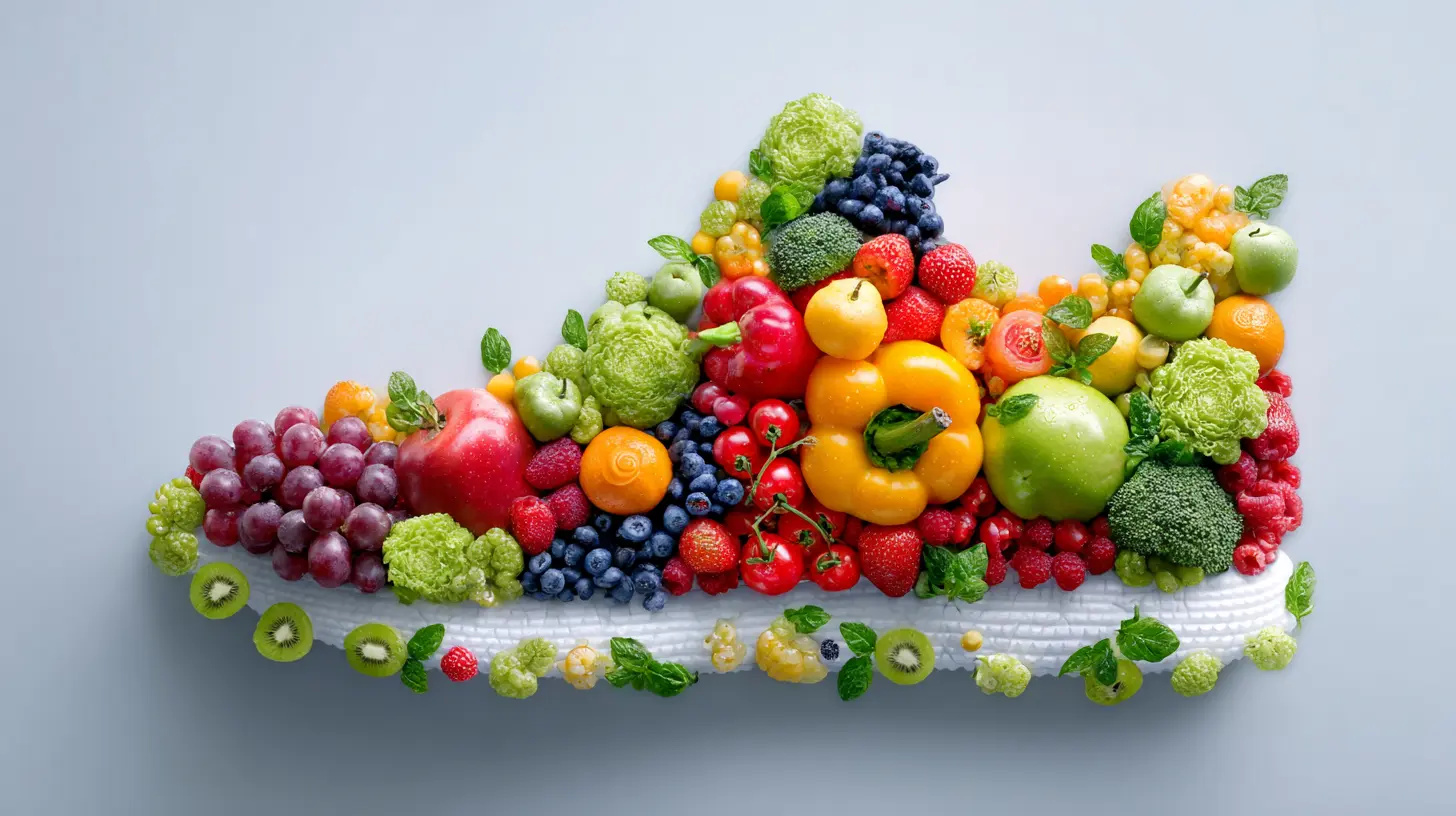
Beyond the Broccoli Stereotype: The Modern Vegan Athlete’s Toolkit
Let’s clear the air first. We’re not talking about athletes merely "eating salads." That outdated stereotype is as useful as a chocolate teapot. The vegan athlete of 2027 is a nutritional strategist, armed with a sophisticated understanding of macro and micronutrients and backed by a food tech industry that has exploded to meet their demands. The core driver here is performance optimization, not just principle.Think of the body as a high-performance engine. For decades, the consensus was that it required premium animal-based fuel. But what if that fuel came with unwanted exhaust—systemic inflammation, slower recovery times, and digestive drag? Modern sports science is revealing that plant-based fuels can provide cleaner, more efficient energy. The focus has shifted from just "protein, protein, protein" to the quality of the protein matrix, the magic of phytonutrients, and the critical importance of recovery.
The Recovery Revolution: Sleeping Faster and Better
This is arguably the most compelling reason for the shift. Recovery is where games are won, records are broken, and careers are extended. Intense training causes microscopic damage to muscle fibers; how quickly and effectively you repair that damage dictates your readiness for the next session. Plant-based diets, inherently rich in antioxidants and anti-inflammatory compounds, are like having a 24/7 cleanup crew on standby.Animal products, particularly red and processed meats, can promote low-grade systemic inflammation—think of it as background noise of soreness and stiffness. A diet centered on fruits, vegetables, legumes, whole grains, nuts, and seeds turns down that noise. The result? Athletes report decreased muscle soreness, lower perceived fatigue, and a tangible reduction in joint pain. When you can train harder and more frequently because your body bounces back faster, you gain a monumental competitive edge. It’s not about being stronger in one moment; it’s about being ready for all the moments.
The Cardiovascular Edge: Fueling the Pump
An athlete’s engine is only as good as its fuel delivery system. Here, the benefits of a plant-based diet for heart health translate directly into endurance and stamina. These diets are typically lower in saturated fat and free of dietary cholesterol, leading to cleaner arteries, better blood flow, and optimized blood viscosity—meaning the heart doesn’t have to work as hard to pump oxygen-rich blood to screaming muscles.This isn’t just theory. We see it in the endurance world, where athletes like ultramarathoners and cyclists have been pioneers. Improved endothelial function (the health of your blood vessel linings) and better nitric oxide production (which dilates blood vessels) mean more oxygen where it’s needed, for longer. For an athlete in the final quarter of a game or the last mile of a race, that’s the difference between hitting the wall and breaking the tape.
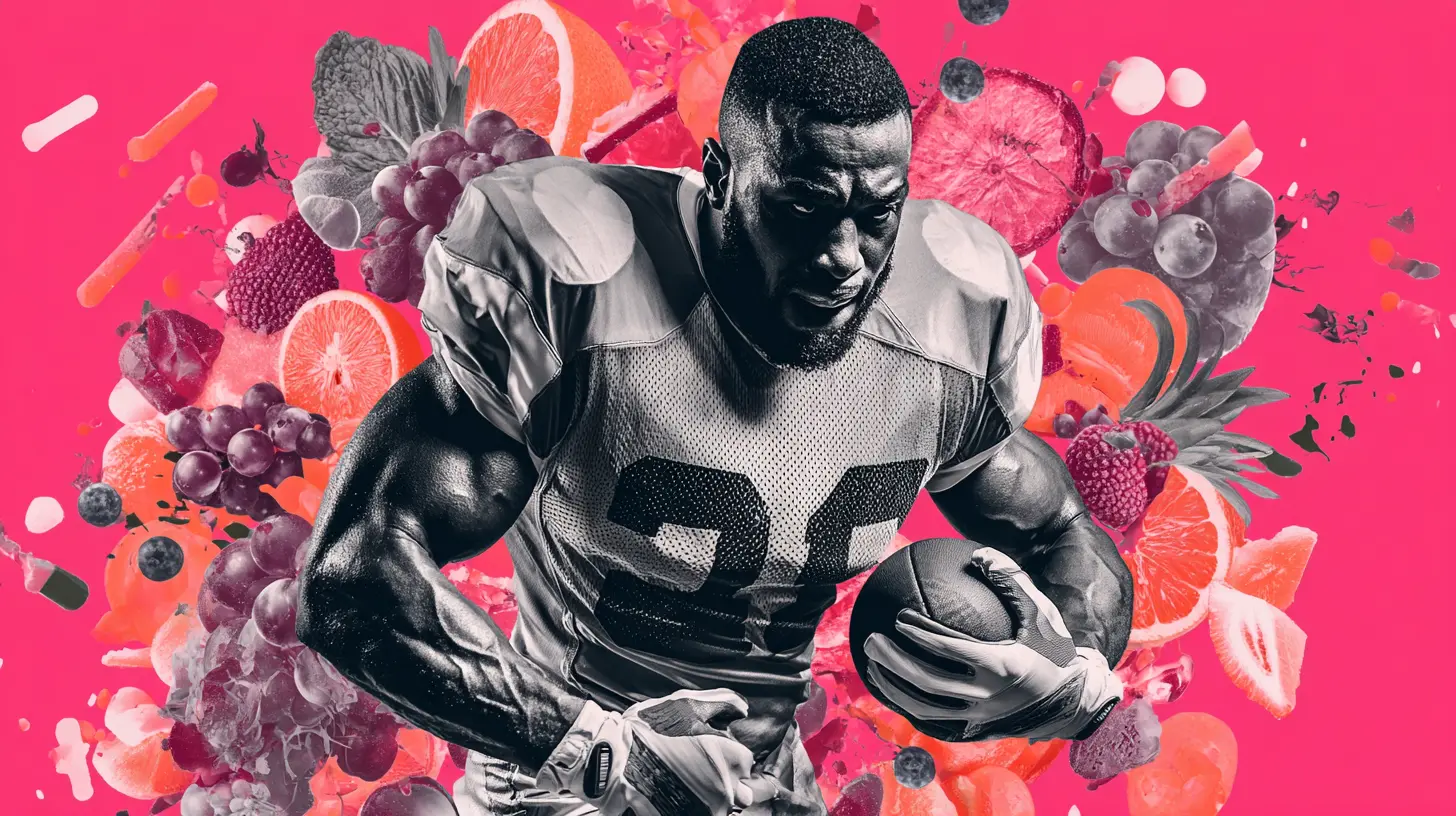
The 2027 Factor: Why Now?
The principles of plant-based eating aren’t new. So why is 2027 the tipping point? Several key accelerants have pushed this movement into overdrive.1. The Data Doesn’t Lie: Quantifiable Results
Sports science has caught up. We’re no longer relying on anecdotes. Sophisticated biometrics—tracking everything from blood lactate levels and inflammatory markers (like CRP) to heart rate variability and sleep quality—provide irrefutable, personalized data. Athletes and their teams can see in real-time how a plant-based diet improves their metrics. When a coach sees an athlete’s recovery scores improve by 20% after a dietary shift, the conversation moves from philosophy to practicality. The proof is in the performance pudding.2. The Protein Puzzle, Solved
The perennial question—“But where do you get your protein?”—has been rendered obsolete. The market is now flooded with advanced, clean-label, vegan protein sources. We’ve moved far beyond chalky soy isolates. Think of precision-fermented proteins that are bio-identical to whey but made by microorganisms, pea and rice protein blends with complete amino acid profiles rivaling animal sources, and whole-food innovations that make it effortless to hit macro targets. The fear of protein deficiency has been replaced by the excitement of protein diversity.3. The Sustainability Mindset: Performance with a Purpose
Today’s athletes, especially younger generations, are globally conscious. They understand the staggering environmental impact of industrial animal agriculture—its greenhouse gas emissions, water usage, and land deforestation. For many, aligning their fueling strategy with their environmental values creates a powerful psychological synergy. They feel they are performing not just for themselves or their team, but with a broader purpose. This mental clarity and sense of alignment can be a potent performance enhancer in itself, reducing cognitive dissonance and strengthening resolve.4. The Culinary and Tech Boom
Gone are the days of bland tofu and limp vegetables. The plant-based culinary world has undergone a gourmet revolution. High-end chefs, food scientists, and major brands are creating products specifically for the athletic palate and physiology. We’re talking about performance-specific meals, recovery shakes, and convenient snacks that are optimized for nutrient density and bioavailability. The barrier of "it’s too hard" or "the food isn’t good" has completely collapsed.
Addressing the Elephant in the Room: Concerns and Considerations
Is it all smooth sailing? Of course not. A poorly planned vegan diet can be as detrimental as any poorly planned diet. The savvy vegan athlete of 2027 is meticulous about a few key nutrients:* Vitamin B12: Non-negotiable and easily supplemented.
* Iron: Focusing on plant-based (non-heme) iron from lentils, spinach, and fortified foods, and pairing them with vitamin C sources (like bell peppers or citrus) to boost absorption.
* Omega-3s: Sourcing from algae-based supplements, flaxseeds, chia seeds, and walnuts to get the crucial DHA and EPA.
* Calcium & Vitamin D: Ensuring intake from fortified plant milks, leafy greens, tahini, and, for Vitamin D, responsible sun exposure or supplements.
This isn’t guesswork. It’s managed through regular blood work and, often, collaboration with a sports dietitian who understands plant-based nutrition. The narrative has shifted from "is it possible?" to "how do we optimize it?"
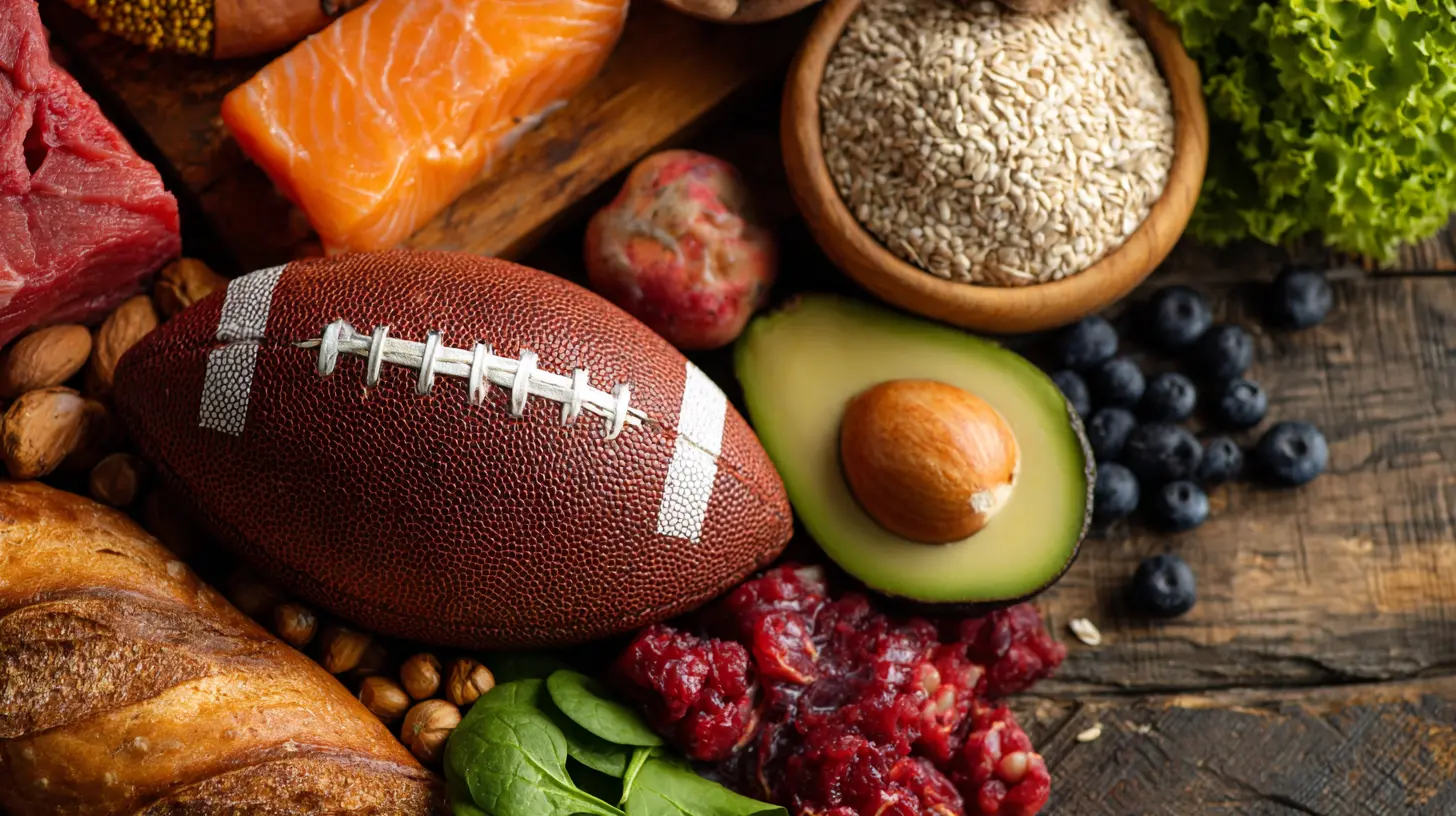
The New Normal: A Legacy of Performance
The trajectory is clear. What was once considered radical is now a rational choice for performance longevity. Athletes are not just thinking about winning next week’s game; they’re planning for a decade-long career at the top, with a healthy life beyond it. The plant-based diet offers a compelling path: reduced inflammation for longevity, a cleaner cardiovascular system for endurance, and an ethical stance that resonates with a modern audience.In 2027, the question is no longer, "Why would an athlete go vegan?" The emerging question is becoming, "In a world of optimized performance, can they afford not to?" The evidence, the tools, and the results are now on the table. The plate, increasingly, is filled with plants. And for the athletes choosing this path, it’s fueling more than just their bodies—it’s fueling a fundamental change in the culture of sport itself.
all images in this post were generated using AI tools
Category:
Vegan LifestyleAuthor:

Arthur McKeever
Discussion
rate this article
2 comments
Zina McGivern
Great insights! The shift towards veganism among athletes highlights growing awareness of health and sustainability.
April 19, 2026 at 3:19 AM
Arthur McKeever
Thank you! It's encouraging to see athletes leading the charge for healthier and more sustainable lifestyles.
Solenne Rosales
It's inspiring to see athletes embrace veganism for health and compassion; every choice can make a difference.
April 17, 2026 at 2:36 AM
Arthur McKeever
Thank you! It's exciting to see the positive impact athletes can have through their lifestyle choices.