The Ultimate Guide to Building Strength Through Cycling
31 July 2026
If you think cycling is just for cardio junkies or weekend riders cruising through bike paths, think again. Whether you’re a casual rider or a serious athlete, cycling can be an incredibly effective tool for building strength—not just endurance. And no, we’re not just talking about having "thunder thighs" (although that might happen too). We’re diving deep into how you can use the bike to become stronger, faster, and tougher—physically and mentally.
So let’s throw on that helmet, clip into those pedals, and roll into the ultimate guide to building strength through cycling!
Why Strength Matters in Cycling
Let’s get this straight: cycling isn’t just about how fast or far you can go. Strength plays a huge role. Strong riders can accelerate harder, climb hills without dying halfway up, and maintain speed against wind resistance. Even better? Strength training through cycling helps keep your body balanced, prevents injuries, and makes everyday activities way easier.You know that burning sensation during a steep climb? That’s your leg muscles screaming because they’re working overtime—not just aerobically, but anaerobically. Training for strength on the bike turns that burn into power.
How Cycling Builds Strength (Spoiler: It’s Not Just Legs)
Sure, cycling is a leg-dominant activity—quads, hamstrings, glutes, and calves do most of the talking. But if you ride right, every system in your body gets a seat at the table.Lower Body Domination
The main players here are your quadriceps (front of thighs), hamstrings (back of thighs), calves, and glutes. Every pedal stroke engages these muscles, especially during climbs or sprints.- Quads: Power for pushing down on the pedal.
- Hamstrings: Pulling up on the pedal stroke, especially with clipless pedals.
- Glutes: Provide strength during seated and out-of-saddle efforts.
- Calves: Stabilize the ankle and add snap to your pedal stroke.
Core Engagement
Cycling might seem like a “sit and spin” activity, but your core is working hard to keep you stable—especially over long distances or rough terrain. A strong core means better bike handling and power transfer.Upper Body Support
While you’re not bench-pressing your handlebars, your arms, shoulders, and back support your upper body, particularly on road bikes. During climbs or sprints, that upper body strength helps control the bike and maintain posture.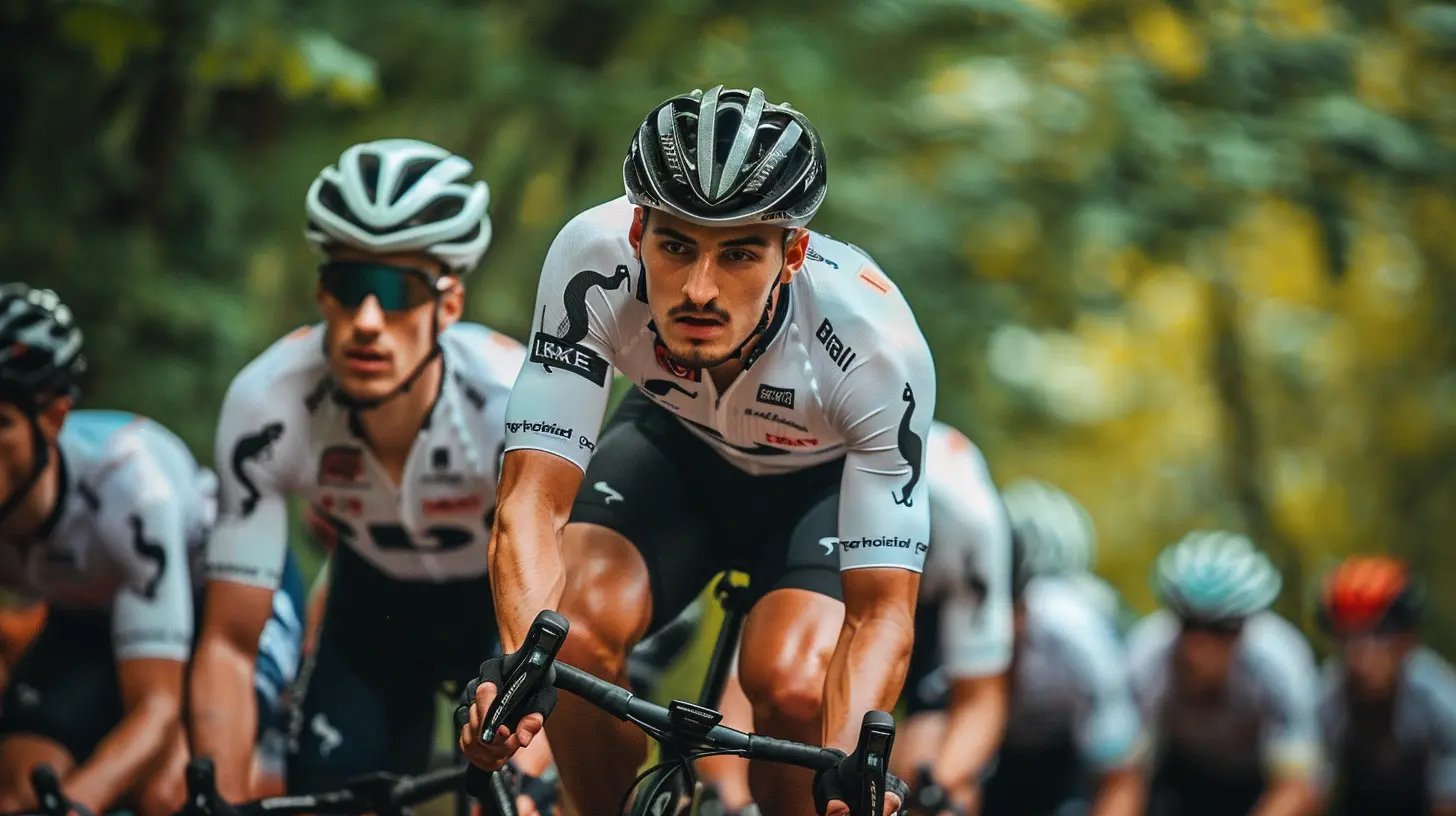
Types of Cycling That Boost Strength
Not all rides are created equal. If your goal is to build strength, different cycling styles and techniques can get you there faster.1. Hill Climbing
Think of climbing as nature's leg day. When you tackle hills, gravity becomes your resistance. The steeper the incline, the harder your muscles work. This makes hill repeats one of the best ways to build lower body strength on the bike.Pro Tip: Stay seated during climbs for a glute-dominant workout, or stand up for more quad engagement.
2. Resistance Training on a Bike
Not lifting weights here—but increasing resistance through gear selection. Use a harder gear and a slower cadence (like grinding uphill) to build power. Your legs will hate you, but in a good way.3. Sprint Intervals
Sprinting increases explosive strength. Think of it like doing a set of jump squats on wheels. Short sprints (10-30 seconds) with full effort build fast-twitch muscle fibers, which are all about strength and speed.Quick Workout Idea: 6 x 20-second sprints with 2 minutes easy pedaling between.
4. Indoor Training With Resistance
Stationary bikes, especially smart trainers, let you control resistance precisely. You can simulate hills, sprints, or steady climbs from the comfort of your living room. Plus, it’s easy to track your progress.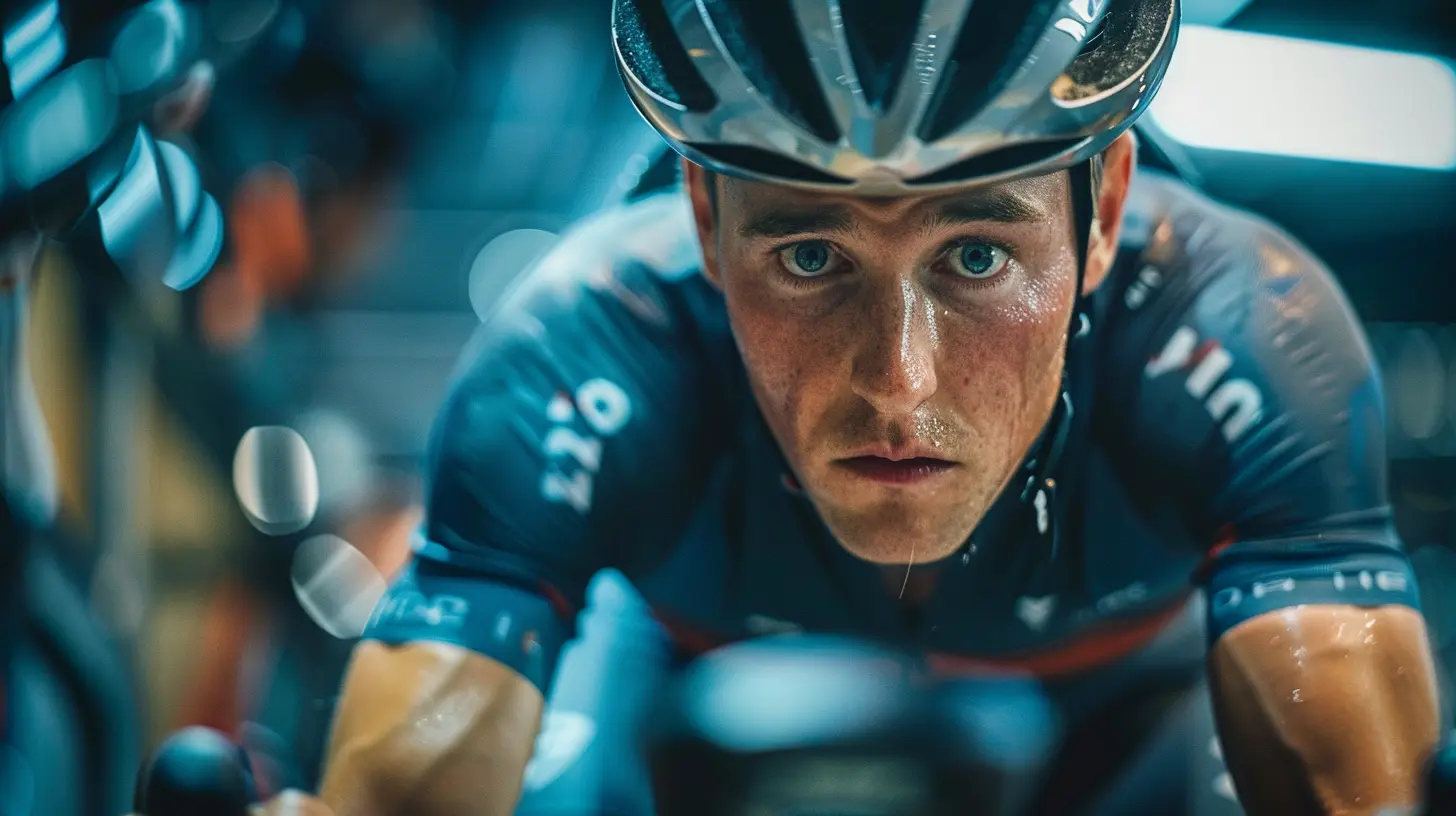
Off-the-Bike Workouts That Complement Cycling Strength
Want to take your cycling gains next level? Give your body supplemental strength training off the bike. Trust me, even a little goes a long way.Strength Training
Lifting weights or bodyweight exercises can address muscle imbalances that cycling can’t fix alone.- Squats, lunges, and step-ups: Build raw power in your legs.
- Deadlifts: Strengthen the posterior chain.
- Planks and Russian twists: Iron up that core.
- Push-ups and rows: Balance your upper body and prevent that "hunched" look.
Yoga and Flexibility
Yes, flexibility plays a role in your strength. Tight muscles restrict power output. Yoga improves mobility, which boosts strength by helping muscles move through their full range.Recovery Work
Muscles get stronger when they rest. Rest days, foam rolling, massage guns, and proper sleep all support strength building by helping muscles repair and grow.Nutrition for Strength Gains
Don’t just pedal harder—fuel smarter. Building strength requires the right fuel mix.Protein Power
Protein is your muscle’s best friend. After a hard ride, aim for a protein-rich meal or shake within 30-60 minutes.Carbs for Energy
Carbs aren’t the enemy—they’re fuel. Complex carbs like oats, quinoa, and sweet potatoes help restore glycogen and prep your muscles for the next session.Healthy Fats
Think avocados, nuts, and olive oil. They support hormone production and joint health—big factors in strength building.Hydration
Water powers every cell in your body, including muscle cells. Dehydrated muscles are weak muscles—keep your bottle close.Recovery: The Secret Weapon
If you think more cycling = more strength, you’re missing half the equation. Strength isn't built during the ride—it’s built in the recovery. Muscles break down during effort and rebuild stronger during rest.Give your body time to rest with:
- Sleep (7-9 hours a night): This is when most recovery happens.
- Active Rest Days: Think gentle walks, yoga, or an easy spin.
- Schedule Variety: Don’t ride hard every day. Mix in easy efforts and complete rest.
Common Mistakes That Kill Strength Gains
Let’s take a moment for some real talk. If you’re not getting stronger on the bike, you might be making these rookie mistakes:1. Riding Long and Easy… All the Time
Cruising around is fun, but it won’t build strength. You’ve got to challenge those muscles with hills, sprints, or resistance.2. Skipping Strength Training
Yes, it’s extra work. No, it’s not optional. A few strength sessions a week can lead to MASSIVE improvements in your cycling performance.3. Poor Nutrition
You can’t out-ride a bad diet. Strength gains need the right fuel. Don’t cheat yourself here.4. Overtraining
Pop quiz: what happens if you never give your muscles time to rest and rebuild?Answer: You burn out and stop improving. Don’t be that rider.
Sample Weekly Plan for Strength-Building Cycling
Here’s a rough sketch of a cycling week focused on building strength. Customize based on your fitness level and schedule.| Day | Workout Type | Focus |
|------------|-----------------------------|-------------------------------|
| Monday | Active Recovery or Rest | Muscle recovery, light yoga |
| Tuesday | Hill Repeats (30-60 mins) | Climbing strength |
| Wednesday | Strength Training (off-bike) | Core, legs, upper body |
| Thursday | Sprint Intervals (45 mins) | Explosive strength |
| Friday | Easy Spin or Rest | Recovery |
| Saturday | Long Tempo Ride (2-3 hrs) | Endurance + muscle time |
| Sunday | Strength Training + Core | Full-body strength balance |
Feel free to swap days or dial the intensity up or down. The important part? Consistency.
Real Results: What to Expect (and When)
Strength gains don’t happen overnight—but you’ll feel them before you see them.- Within 2-4 weeks: You’ll feel more powerful climbing and sprinting.
- 6-8 weeks: You’ll notice muscle tone and increased endurance on harder efforts.
- 12+ weeks: You’ll be stronger, faster, and more efficient with every pedal stroke.
Stay with it. Small gains each week stack up over time.
Final Thoughts: Pedal With Purpose
Building strength through cycling isn’t rocket science. You just need the right blend of effort, recovery, movement variety, and nutrition. Think of your bike as more than a ride—it’s your portable gym, power plant, and freedom machine all in one.So next time you hop in the saddle, remember: every hill you climb, every sprint you push through, every resistance-filled pedal stroke—it’s not just a ride. It’s strength in motion.
Now go out there, ride hard, recover harder, and watch your body transform—one pedal stroke at a time.
all images in this post were generated using AI tools
Category:
Cycling FitnessAuthor:

Arthur McKeever