The Surprising Link Between Copper and Heart Health
3 February 2026
When you think about heart health, what nutrients come to mind? Probably omega-3s, fiber, and maybe magnesium, right? But there’s one essential mineral that’s often overlooked—copper. Yep, that reddish-brown metal found in electrical wires and pennies also plays a crucial role in how your heart functions. And guess what? Most of us aren’t getting enough of it.
Let’s dive into this unexpected connection between copper and your cardiovascular system. You might be shocked (in a good way) by how this tiny trace mineral can have such a big impact on your heart.
What Is Copper, Anyway?
Before we jump into the heart stuff, let’s get the basics down. Copper is an essential trace mineral. That means your body needs it, but in small amounts. It helps with several important processes like:- Making red blood cells
- Supporting your immune system
- Building connective tissue
- Helping your body absorb iron
- Producing energy in your cells
Without enough copper, things can start to go a little haywire. And where does the heart fall in all this? Right in the middle, of course.
Copper and the Cardiovascular System: What’s the Deal?
Alright, here’s where it gets really interesting. Copper is involved in some key functions that help keep your heart in good shape. Let’s break them down.1. Copper Keeps Blood Vessels Flexible
Think of your blood vessels as flexible tubes. If they become stiff, that’s bad news for your heart. It has to work harder to pump blood, which can lead to high blood pressure and other problems.Copper helps produce elastin and collagen, proteins that keep your vessels strong and stretchy. Without enough copper, those vessels can become weak and rigid—two things your heart definitely doesn't want.
2. It Fights Oxidative Stress and Inflammation
Oxidative stress is like rust for your body. It damages cells and inflames arteries, which paves the road to heart disease. Copper is part of an enzyme called superoxide dismutase (SOD). This enzyme acts like your body's internal antioxidant army, crushing damaging free radicals before they wreak havoc.So, in a way, copper helps keep your arteries clean and calm—just how your heart likes them.
3. Copper Helps Your Body Regulate Cholesterol
Yep, you read that right. Copper actually helps balance cholesterol levels. Studies have found that copper deficiency is linked to increased LDL (bad) cholesterol and lower HDL (good) cholesterol. That’s like stacking the deck against your heart.Researchers believe copper plays a role in cholesterol transport and metabolism. So when levels drop, things get out of whack—and your heart feels the brunt of it.
4. It’s Connected to Your Heartbeat
Your heart’s rhythm is a complex electrical system. And copper? It plays a role in that, too. Copper-dependent enzymes help regulate the electrical signals that make your heart beat in sync.If you’re low on copper, those signals can get disrupted. That might contribute to arrhythmias or irregular heartbeats. Scary, right?
What Happens If You Don’t Get Enough Copper?
Not getting enough copper can spell trouble for your ticker. Some signs of copper deficiency include:- Fatigue (because your red blood cells can’t carry enough oxygen)
- Weak immune function
- Pale skin
- Problems with memory and concentration
- Irregular heartbeat
And over the long term? Chronic copper deficiency has been linked to:
- High blood pressure
- High cholesterol
- Enlarged heart
- Increased risk of cardiovascular disease
What's even more concerning is that many people are unknowingly low in copper. Diets high in processed foods and low in whole, nutrient-rich ingredients often miss the mark when it comes to trace minerals.
Who's at Risk of Copper Deficiency?
You might be thinking, “Well, I eat pretty healthy, so I’m good, right?” Maybe. But certain groups are more likely to fall short on copper without realizing it:1. People with Digestive Disorders
Conditions like celiac disease, Crohn’s, and ulcerative colitis can mess with nutrient absorption—including copper.2. Those Who Take Zinc Supplements
Zinc and copper compete for absorption. If you’re piling on the zinc and not balancing it with copper, you could be setting yourself up for a deficiency.3. Vegans and Vegetarians
While some plant-based foods contain copper, certain animal-based sources are richer. So if you’re eating plant-based, you’ve got to be intentional about getting enough copper in your diet.4. Older Adults
As we age, our ability to absorb nutrients isn’t what it used to be. Older adults may need a bit more dietary focus to hit optimal copper levels.So How Much Copper Do You Need?
The recommended dietary allowance (RDA) for adults is around 900 micrograms (mcg) per day. That’s less than a milligram—a tiny amount! But don’t let that fool you; that little bit packs a punch.You’ll want to stick within a healthy range though. Too much copper can be harmful. In general, the tolerable upper intake level is about 10,000 mcg (10 mg).
Best Food Sources of Copper
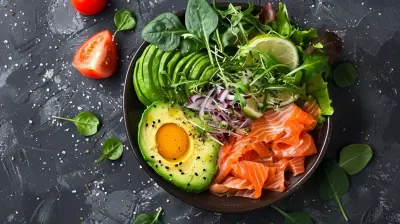
Let’s get to the good stuff—how to actually get more copper into your diet, the tasty way.Here are some rich sources of this heart-loving mineral:
- Liver (beef or chicken) – One of the richest sources
- Oysters and other shellfish – High in copper and oh-so-good
- Nuts and seeds (almonds, cashews, sunflower seeds)
- Dark chocolate – Yes, your sweet tooth just high-fived your heart
- Whole grains (especially quinoa and oats)
- Legumes (lentils, chickpeas, and black beans)
- Leafy greens (like spinach and kale)
- Tofu and soy products – Great for plant-based diets
Try mixing and matching these foods throughout the week. A bean salad here, a piece of dark chocolate there—easy!
Should You Take a Copper Supplement?
Here’s where it gets a little murky. If you’re eating a balanced diet, you probably get enough copper from food. But in some cases—like if you have a diagnosed deficiency or specific health condition—a supplement might be recommended.Never start copper supplements without talking to your doctor first. Too much copper can cause nausea, abdominal pain, and even liver damage in high doses.
Sometimes, the best solution is a multivitamin with balanced copper and zinc levels, especially if you take zinc supplements.
The Copper-Heart Connection: What the Science Says
Alright, time to geek out a little. A growing body of research backs up the copper-heart connection.🧪 In One Study…
Researchers found that rats fed a copper-deficient diet developed heart enlargement, high blood pressure, and arterial damage—just from not getting enough copper.🧬 Another Study Linked Low Copper to…
Higher levels of homocysteine, a compound linked to inflammation and increased risk of heart disease.🤯 And Get This…
In human studies, low serum copper levels have been associated with increased risk of cardiovascular events, especially in people with metabolic syndrome.Pretty compelling, right?
Final Thoughts: Don’t Underestimate This Underdog Mineral
Let’s face it—copper doesn’t get nearly as much love as it should when it comes to heart health. But we’ve seen how this tiny mineral plays a huge role in maintaining healthy blood vessels, regulating cholesterol, taming inflammation, and more.If you’ve been laser-focused on fish oils and fiber, that’s great! Just don’t forget to make room on your plate for foods rich in copper too. Your heart is counting on it.
Feeling unsure whether you're getting enough copper? A simple blood test can let you know. Or better yet—chat with your internal medicine doc or a registered dietitian. They're great at spotting gaps and helping you fill them without overdoing it.
Your heart deserves all the support it can get. And sometimes, surprises like copper turn out to be the real MVPs.
all images in this post were generated using AI tools
Category:
MineralsAuthor:

Arthur McKeever
Discussion
rate this article
2 comments
Bear Huffman
Great insights on copper’s role in heart health! It's fascinating how often we overlook trace minerals in our diets. Prioritizing copper-rich foods can be a simple yet effective way to support cardiovascular wellness. Thanks for shedding light on this important topic! Keep up the great work!
February 20, 2026 at 4:38 AM
Arthur McKeever
Thank you! I'm glad you found it interesting. Copper really is an often overlooked component of heart health.
Delilah Rhodes
Copper plays a crucial role in cardiovascular health by supporting blood vessel integrity and reducing oxidative stress. Incorporating copper-rich foods may benefit heart health, but moderation is key.
February 5, 2026 at 4:26 PM
Arthur McKeever
Thank you for your insightful comment! You're absolutely right—copper is essential for cardiovascular health, and balancing its intake through diet is important for optimal heart function.