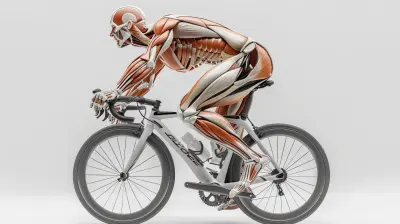
The Science of Vitamin D and Its Role in Reducing Depression
28 March 2026
We all crave the sunlight, don’t we? There’s something almost magical about its warmth brushing against your skin on a chilly morning. But did you know that soaking in the sun does more than just lift your mood? It's your body’s natural way of absorbing one of the most vital nutrients out there—vitamin D. And guess what? This sunshine vitamin might just be one of the keys to fighting off depression.
In today’s fast-paced, indoorsy lifestyle, we might be unknowingly starving our brains of this incredible nutrient. So, let’s break it down: What exactly is vitamin D? What does science say about its link to mood and depression? And how can you make sure you’re getting enough of it?
Let's talk science, sunshine, and smiles.
What Is Vitamin D, Really?
Let’s not complicate things. Vitamin D is a fat-soluble vitamin that your body makes when your skin is exposed to sunlight. Unlike other vitamins, it acts more like a hormone. Once produced, it gets converted in your liver and kidneys to its active form—calcitriol—which then helps regulate several important functions in your body.But vitamin D isn’t just about strong bones and calcium absorption anymore. In recent years, scientists have discovered that your brain needs it too. Crazy, right?
How Does Vitamin D Affect the Brain?
Let’s put it this way: if your brain were a car, vitamin D would be like its top-grade motor oil. It keeps things running smoothly.Vitamin D receptors are found all over the brain—yes, even in regions that control mood. The vitamin influences the production of neurotransmitters like serotonin and dopamine. These are the “feel-good” chemicals that help you stay emotionally balanced. You know those rollercoaster days when you’re up, down, and sideways all on the same afternoon? A vitamin D deficiency might be part of the reason.
Studies have also shown that vitamin D plays a role in reducing inflammation and regulating immune function in the brain. Chronic inflammation has been linked to depression, and vitamin D helps keep that in check.
The Link Between Low Vitamin D and Depression
Alright, let’s talk mood. Depression is like a storm cloud that hangs over your head—it’s persistent, heavy, and hard to shake off. And guess what? There’s a growing mountain of evidence suggesting that low levels of vitamin D might make that storm even worse.Here’s what research is saying:
- Observation Studies: People with depression often have lower levels of vitamin D compared to those who don’t. Coincidence? Maybe. But it’s happening often enough to make scientists take a serious look.
- Clinical Trials: Some studies have found that supplementing with vitamin D significantly improves mood in people with depression—especially those who were deficient to begin with.
- Brain Imaging: MRI scans have shown that low vitamin D levels can affect the structure and function of brain regions involved in mood regulation.
So no, vitamin D isn’t a magic cure for depression. But it’s definitely a piece of the puzzle.
Are You Getting Enough Vitamin D?
Here's a wake-up call: an estimated 1 billion people worldwide are deficient in vitamin D. Yes, billion with a “B.” That’s a LOT of people walking around with low energy, mood swings, and unexplained sadness and not even realizing that their vitamin D levels might be the culprit.Common Risk Factors Include:
- Living in areas with little sunlight- Wearing sunscreen all the time (even though it's great for protecting your skin)
- Having darker skin (melanin reduces vitamin D production)
- Staying indoors most of the day
- Being overweight or obese (vitamin D gets trapped in fat)
- Digestive disorders like IBS or Crohn’s disease
Does any of that sound familiar? You’re not alone.
Symptoms of Vitamin D Deficiency That Might Be Affecting Your Mood
Mood isn’t the only thing taking a hit when your vitamin D levels are low. Here are some red flags to watch out for:- Fatigue or feeling “blah”
- Frequent illness
- Hair loss
- Muscle or bone aches
- Trouble sleeping
- Anxiety or increased irritability
And of course… feeling depressed.
If you’re checking off multiple boxes here, it might be time to get your vitamin D levels tested. A simple blood test called the 25-hydroxyvitamin D test can tell you exactly where you stand.
How Much Vitamin D Do You Actually Need?
Okay, here’s where it can get a bit messy—there are no one-size-fits-all answers. But here’s a general breakdown to give you a rough idea:- Recommended Daily Intake:
- Infants (0-12 months): 400 IU
- Children (1–18 years): 600 IU
- Adults (19–70 years): 600 IU
- Seniors (70+ years): 800 IU
- Pregnant or breastfeeding women: 600 IU
But let’s be real—some experts argue we should be getting way more, especially if we're low to begin with. Many doctors suggest 1,000–5,000 IU daily for adults dealing with deficiency, but always consult your healthcare provider before making changes.
Best Sources of Vitamin D
If you’re wondering where this magical mood-boosting vitamin comes from, here are the main sources:1. Sunlight (Ultraviolet B Rays)
Just 10–30 minutes of midday sun several times a week can do wonders, especially on your face, arms, and legs. Of course, this varies depending on your skin tone and where you live.> Think of sunlight as your natural “vitamin D prescription”—free, effective, and happiness-inducing.
2. Food Sources
While not as efficient, every bit counts:- Fatty fish (salmon, mackerel, tuna)
- Egg yolks
- Beef liver
- Fortified foods (orange juice, dairy, cereals)
3. Supplements
When food and sunshine aren’t enough, supplements can bridge the gap. Consider vitamin D3 (cholecalciferol), which is more effective at raising levels than D2 (ergocalciferol).What Does the Research Say About Vitamin D for Depression?
Here’s the juicy part. Let’s look at some real science to back all this up:- A large 2013 meta-analysis reviewed data from over 31,000 participants and found a clear link between low vitamin D and depression, concluding that deficiency could be a contributing factor to mood disorders.
- A 2020 randomized controlled trial found that individuals who took vitamin D3 supplements reported significantly less depressive symptoms compared to a placebo group.
- According to a 2021 review in Nutrients, vitamin D may enhance the effectiveness of antidepressants in those who are deficient.
But remember—vitamin D should complement treatment, not replace it. Always talk to your doctor if you’re experiencing symptoms of depression.
Can Vitamin D Replace Antidepressants?
It's tempting to hope for a natural fix, right? While vitamin D has some serious mood-boosting potential, it’s not a standalone cure. Think of it like a nutritional sidekick—more Robin than Batman.Vitamin D works best as part of a holistic approach to mental wellness. That includes:
- Regular exercise
- Balanced diet
- Social connection
- Therapy
- Medication (if prescribed)
Picture it like building an emotional toolkit. Vitamin D is a powerful tool—but you need the whole box.
Final Thoughts: Sunshine in a Bottle?
Vitamin D might not solve all your problems, but there’s no denying the science: this little nutrient plays a huge role in how we feel, think, and function. In a world where depression is on the rise and mental health struggles are all too common, paying attention to something as simple as your vitamin D levels can make a real difference.If you’ve been feeling down or stuck in a fog you just can’t shake, maybe it’s time to check your vitamin D. Sometimes the light at the end of the tunnel is just… sunlight.
all images in this post were generated using AI tools
Category:
VitaminsAuthor:

Arthur McKeever
Discussion
rate this article
2 comments
Kismet McCray
Embrace the power of vitamin D for a brighter mood and a healthier mind!
March 31, 2026 at 4:43 PM
Arthur McKeever
Absolutely! Vitamin D plays a crucial role in mental health, and its benefits for mood are backed by research. Keep soaking up that sunshine!
Blade McMeekin
Fascinating connection! How exactly does vitamin D influence our mood and mental health?
March 30, 2026 at 4:48 AM
Arthur McKeever
Vitamin D plays a key role in regulating mood by influencing neurotransmitters like serotonin. Low levels can lead to feelings of sadness and anxiety. It's all about balance and how our bodies respond to this vital nutrient.