The Science Behind the Paleo Diet: What Evidence Supports It?
20 December 2025
You’ve probably heard about the Paleo diet—sometimes called the "caveman diet"—because it's been trending for years now. The idea is simple: eat the way our hunter-gatherer ancestors ate, and you’ll be healthier, leaner, and more energized. Sounds great, right? But what's the actual science behind it? Is it just another fad or is there solid evidence to back it up?
Let’s dig deep (like our ancestors might have for roots and tubers!) and unpack the science behind the Paleo diet, what makes it tick, and whether it's worth including in your lifestyle.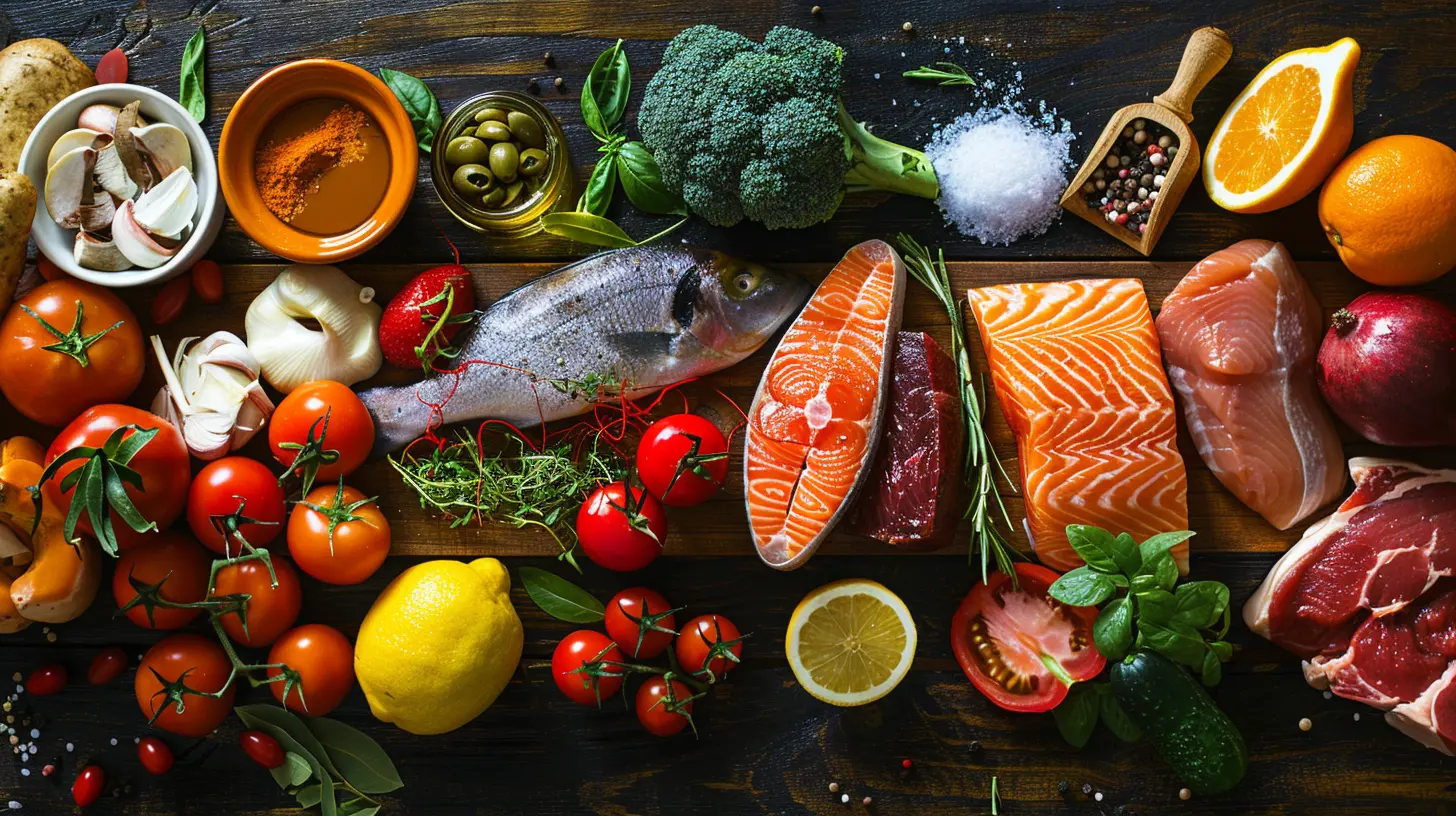
What Is the Paleo Diet?
First off, let’s break down what the Paleo diet even is.In a nutshell, it focuses on eating foods that humans likely ate during the Paleolithic era—basically, before farming came onto the scene around 10,000 years ago. That means a diet full of:
- Lean meats (especially wild game or grass-fed if you’re modernizing it)
- Fish
- Fruits
- Vegetables
- Nuts
- Seeds
And strictly avoiding:
- Grains
- Dairy
- Legumes
- Refined sugar
- Processed foods
- Most vegetable oils
So, if you’re imagining yourself walking around with a spear and chewing on a roasted piece of elk meat? You’re not too far off.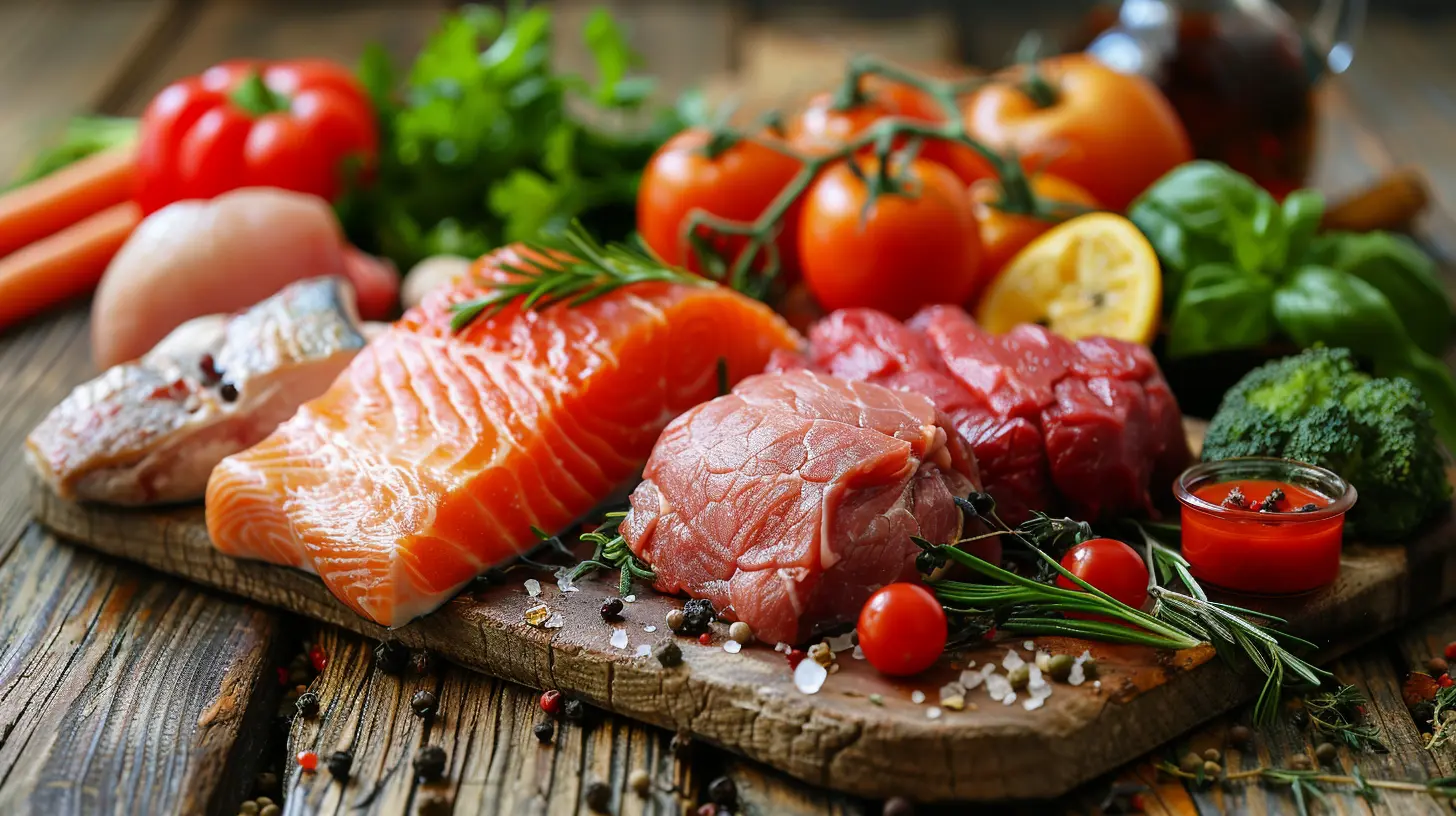
Why Did the Paleo Diet Catch On?
There’s a pretty compelling idea behind it: our bodies were designed for a certain kind of eating, but our modern diets have drifted dramatically from that model. According to Paleo proponents, that mismatch is behind many chronic illnesses today—obesity, diabetes, heart disease, inflammation, and more.It’s rooted in what's called evolutionary mismatch theory. Basically, our genetics haven’t caught up to our modern environment—especially our food environment. And eating like a caveman is seen as a way to “hack” our biology and return to a more natural, healthy state.
What Does the Science Say?
Alright, here’s where we separate the facts from the fantasy. Let’s look at the research and see what evidence supports the Paleo diet.1. Weight Loss and Metabolic Health
One of the biggest reasons people try Paleo is for weight loss. And guess what? There’s actual science backing that up.In a 2015 study published in The American Journal of Clinical Nutrition, participants who followed a Paleo diet saw greater weight loss and improved glucose tolerance compared to those on a standard diet recommended by health authorities.
Another meta-analysis in 2019 examined multiple randomized controlled trials and found that the Paleo diet led to significant improvements in body weight, waist circumference, and fat mass.
Why does this happen? Well, cutting out processed foods, refined carbs, and sugar naturally reduces calorie intake. Plus, protein (which is emphasized in Paleo diets) is more satiating and helps preserve lean muscle mass, which boosts metabolic rate.
2. Blood Sugar Control
Got blood sugar issues? Paleo might help.Research shows that eating a Paleo-style diet improves insulin sensitivity. A study published in Diabetologia found that people with type 2 diabetes who ate a Paleo diet for 12 weeks had improved glucose control compared to those on a conventional diabetes diet.
This is likely due to the low glycemic load of Paleo foods—meaning they don’t spike your blood sugar like bread, pasta, and cereals do. That’s a win for anyone battling insulin resistance or prediabetes.
3. Heart Health
You might be surprised here, but the Paleo diet could be heart-friendly too.In a 2014 study, researchers found that people on a Paleo diet had significant reductions in triglycerides, blood pressure, and LDL (“bad”) cholesterol. At the same time, HDL (“good”) cholesterol improved.
These changes suggest a lower risk for cardiovascular disease. Keep in mind, though: some critics argue that higher red meat consumption might offset these benefits. But if your Paleo diet includes lean meats and fatty fish? You’re probably good to go.
4. Gut Health and Inflammation
Now we’re getting into the nitty-gritty—literally.The Paleo diet emphasizes whole foods that are rich in fiber, antioxidants, and anti-inflammatory compounds. That’s great news for your gut.
Animal studies and some human trials have shown reduced markers of inflammation, such as C-reactive protein (CRP), after following a Paleo diet. This could reflect improved gut barrier function and reduced intestinal inflammation.
Plus, removing processed foods and additives lowers your exposure to compounds that might mess with your microbiome.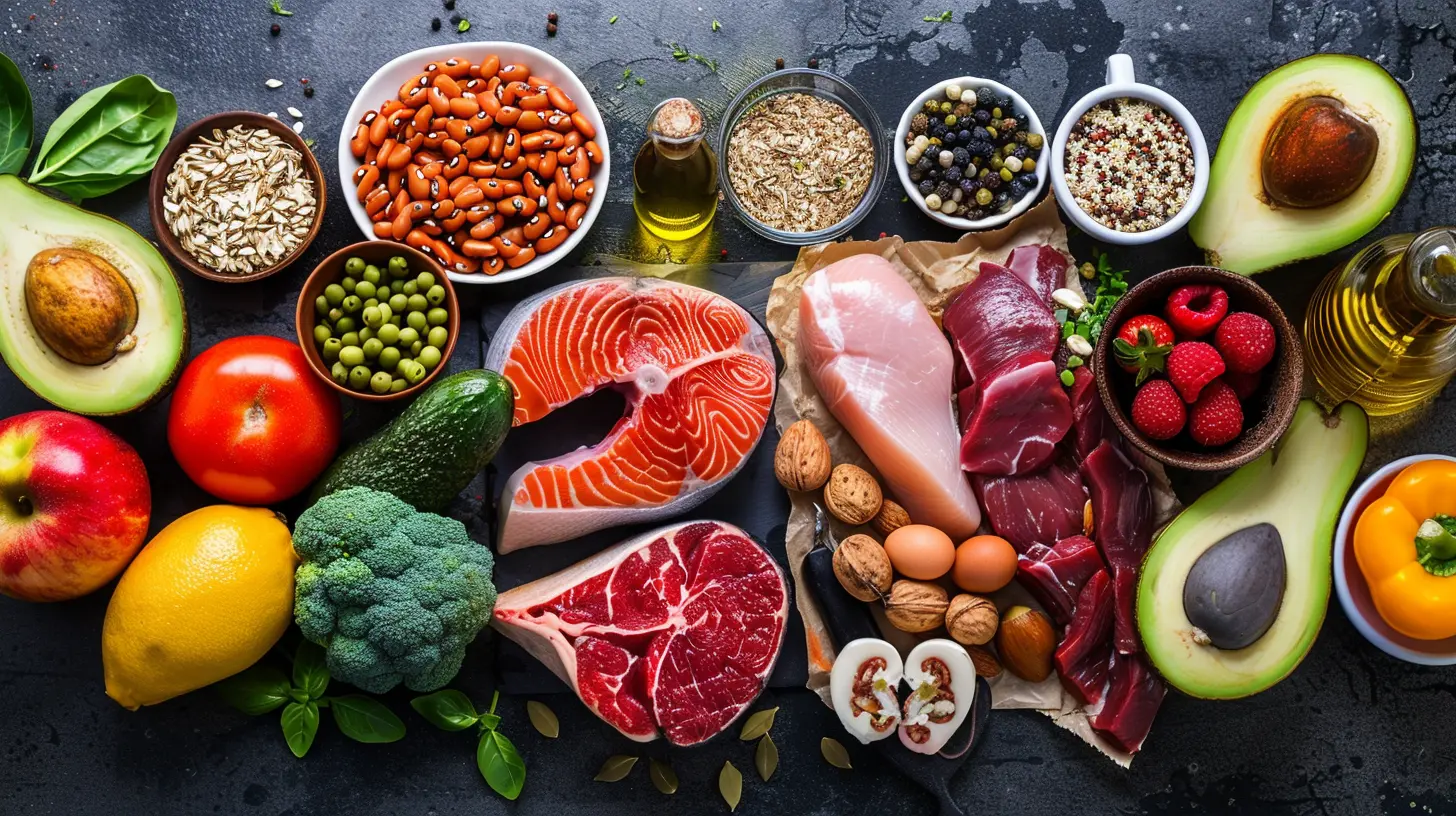
The Evolutionary Argument: Is It Legit?
Okay, let’s circle back to the root (pun intended) of the Paleo philosophy—that our bodies are "hardwired" to eat like our ancestors. Does that hold up?Well, yes and no.
The “Yes” Side:
Humans did evolve over millions of years with specific diets that shaped our biology. And there’s no denying that degenerative diseases like diabetes, obesity, and hypertension were rare in hunter-gatherer societies.Also, fossil records and modern-day studies of indigenous populations show that they generally had leaner bodies, better dental health, and fewer inflammatory diseases.
The “Not-So-Fast” Side:
Here’s the twist—there wasn’t one “Paleo diet.” Depending on where people lived, their diet varied wildly. Arctic hunter-gatherers ate mostly fat and meat, while tropical communities consumed far more fruits and tubers.Plus, humans have adapted to many post-agricultural foods. For example, lactase persistence—the ability to digest milk—evolved in populations that relied on dairy farming. And that’s an evolutionary adaptation right there.
So, while our ancestors' diets offer a helpful blueprint, they’re not the be-all-end-all.
Is the Paleo Diet Sustainable?
Let’s be honest. While it sounds cool in theory, Paleo can be tough to maintain long-term.Cutting out bread, cheese, legumes, and even your morning oat milk latte? That’s a tall order for most of us.
Also, it can get pricey. Grass-fed meats, wild fish, and organic produce ain’t cheap.
That said, many people find that even a “modified Paleo” approach—like 80/20 compliance or incorporating some dairy or legumes—still offers massive benefits without the hardcore restrictions.
Common Criticisms of the Paleo Diet (And the Rebuttals)
Let’s be fair. Not everyone’s sold on Paleo. Here are a few common critiques—and some counterpoints.“It Demonizes Whole Grains and Legumes”
True, whole grains and legumes are nutritious and packed with fiber. But some people are sensitive to gluten or lectins, and removing these can help reduce inflammation in those cases.Plus, you can get fiber and nutrients from veggies, fruits, and nuts too.
“It’s Based on a Romanticized View of the Past”
Also valid. But even if we can’t copy ancient diets perfectly, the core idea—eating more real, unprocessed food—is still solid.“It’s Hard to Maintain”
No argument there. But so is any diet if it’s not personalized. Paleo can be adapted and made more flexible depending on your needs and goals.Who Might Benefit Most From a Paleo Diet?
Paleo isn’t one-size-fits-all, but certain groups might see more pronounced benefits:- People with insulin resistance or type 2 diabetes
- Those with autoimmune or inflammatory conditions
- Individuals aiming for weight loss
- People with gluten or grain sensitivities
- Anyone looking to cut down on processed junk
Still, it’s best to work with a healthcare provider or nutritionist before making any drastic changes.
Final Thoughts: Is Paleo the Way to Go?
Here’s the bottom line: The Paleo diet isn’t just a trendy throwback. There’s real science showing that it can help with weight loss, metabolic health, inflammation, and even heart disease risk.But it’s not a miracle cure. And it’s not perfect. It requires commitment, planning, and maybe a few culinary sacrifices.
The good news? You don't have to go full caveman to see benefits. Even adopting a more Paleo-inspired eating pattern—cutting out processed junk, eating more whole foods, emphasizing protein and healthy fats—can seriously level up your health.
So, is it the right eating plan for you? That’s your call. But at least now, you’ve got the science to back up your decision.
all images in this post were generated using AI tools
Category:
Paleo DietAuthor:

Arthur McKeever
Discussion
rate this article
2 comments
Briar Monroe
The Paleo diet encourages whole foods and ancestral eating patterns; however, it's essential to consider individual nutritional needs and scientific evidence.
December 25, 2025 at 5:46 AM
Arthur McKeever
Thank you for your insightful comment! Individual nutritional needs are indeed crucial, and a balanced approach that considers scientific evidence can enhance the benefits of the Paleo diet.
Jinx Jenkins
The Paleo diet emphasizes whole foods and minimizes processed items, aligning with many nutritional guidelines. However, individual results may vary. It’s essential to consult a healthcare professional before making significant dietary changes for personalized advice and support.
December 22, 2025 at 3:25 AM
Arthur McKeever
Thank you for your insightful comment! It's crucial to consider individual differences and consult with healthcare professionals when adopting any diet, including the Paleo diet.