The Role of Nuts and Seeds in a Paleo-Friendly Diet
4 March 2026
Introduction
If you're diving into the world of Paleo eating, you're probably wondering where nuts and seeds fit into the picture. Are they Paleo-approved? Do they provide real health benefits? The good news is that nuts and seeds are not only allowed on a Paleo diet, but they also pack a serious nutritional punch. They’re like tiny nutritional powerhouses, loaded with healthy fats, protein, and essential minerals.
But before you start snacking on handfuls of almonds and sunflower seeds, there's more you need to know. Not all nuts and seeds are created equal, and consuming them in the right way is key to maximizing their benefits while staying true to the principles of the Paleo lifestyle.
Let's break it all down and see how these crunchy little power foods can fuel your body the Paleo way!
Are Nuts and Seeds Paleo?
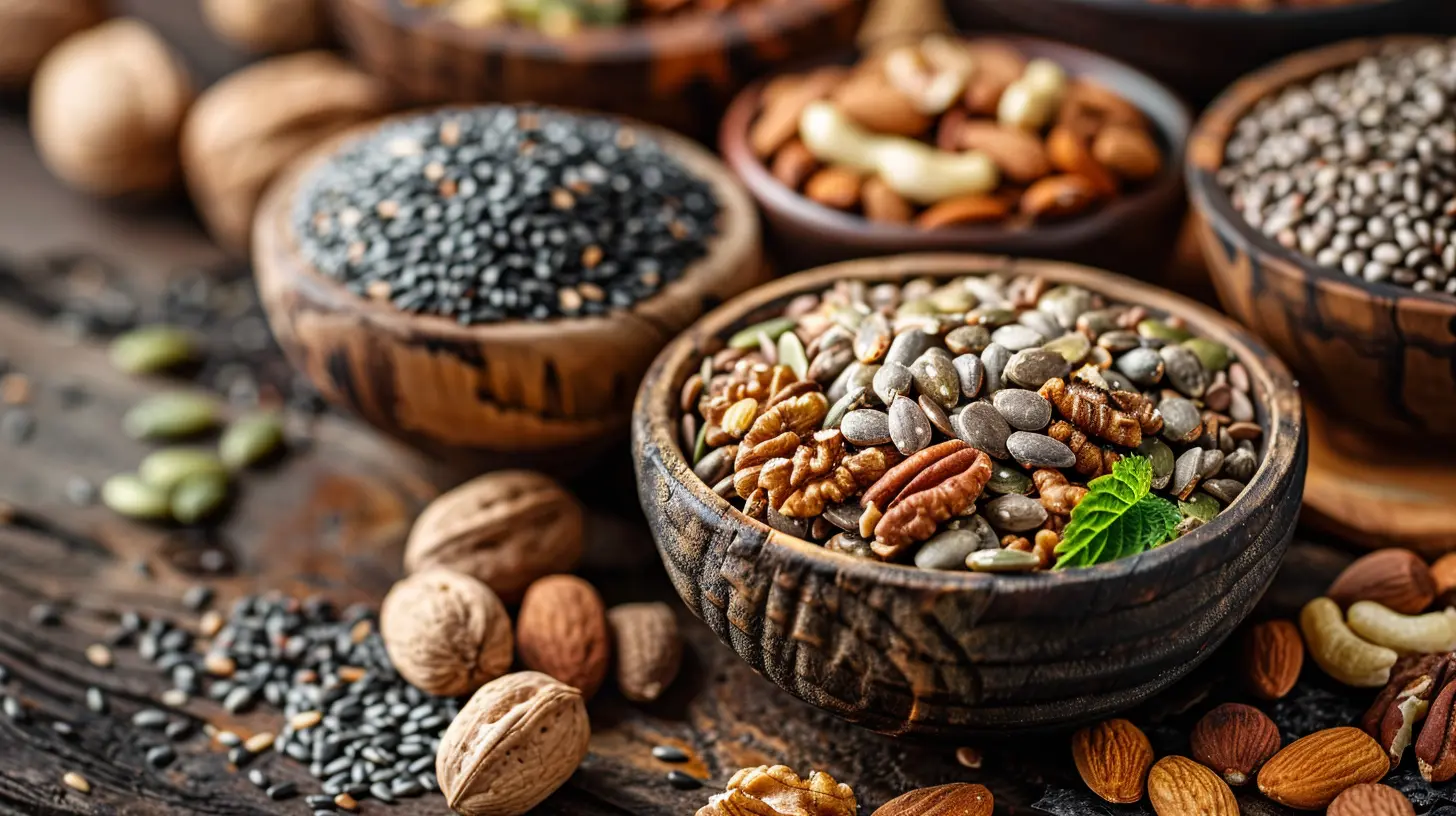
The Paleo diet is all about eating like our ancestors—focusing on whole, unprocessed foods that were available in the pre-agricultural era. That means no processed junk, no refined sugars, and definitely no grains. But nuts and seeds? Absolutely!Our ancestors would have certainly gathered and eaten them in the wild, making these natural foods a perfect fit for a Paleo lifestyle. However, like anything else, moderation is key. Nuts and seeds are nutrient-dense, but they also contain certain compounds, like phytic acid, that can interfere with nutrient absorption if consumed in excess.
Health Benefits of Nuts and Seeds in a Paleo Diet
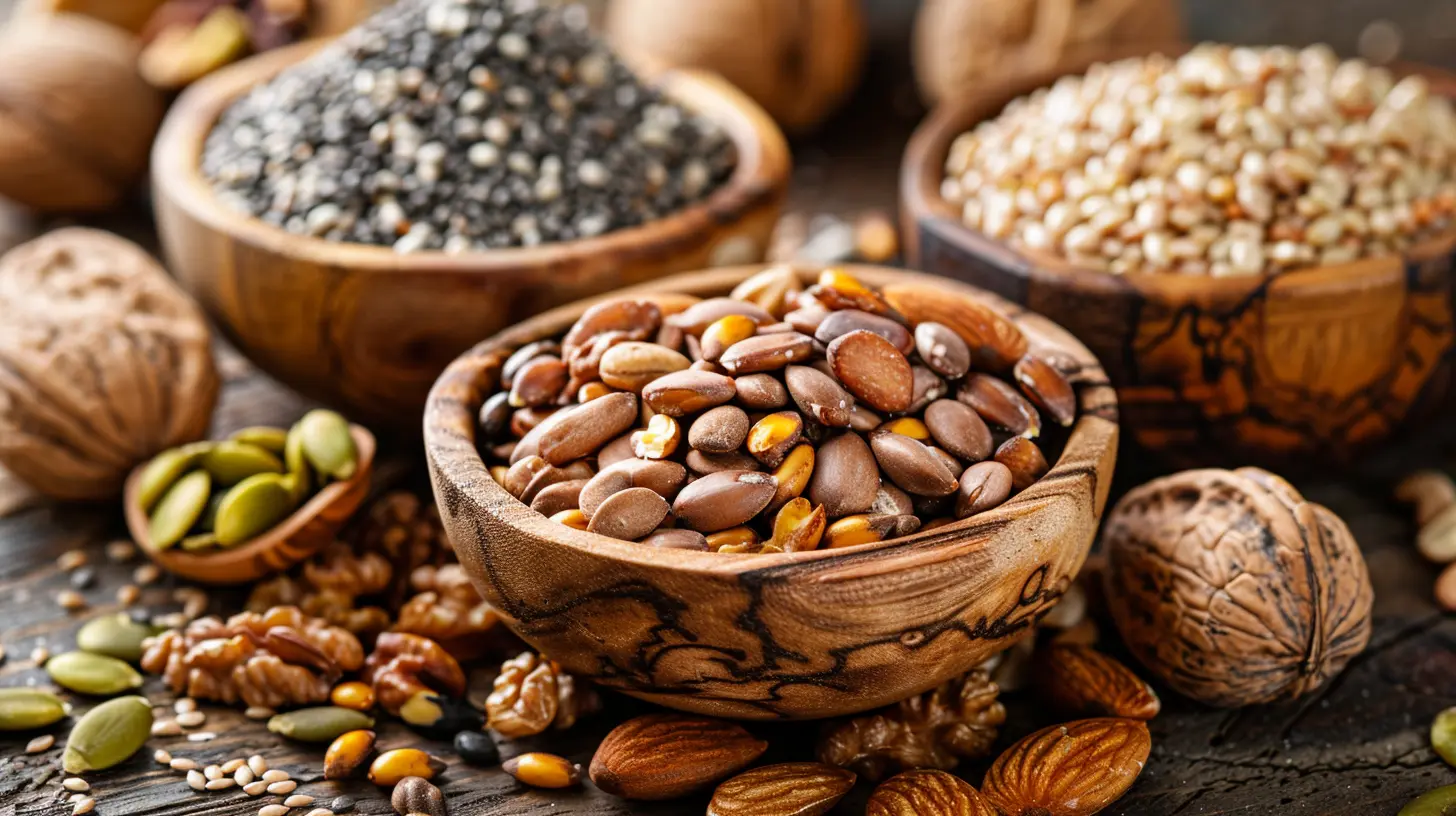
Nuts and seeds aren’t just crunchy and delicious—they’re nutritional powerhouses that bring a ton of benefits to the table. Here’s why they deserve a spot in your Paleo pantry:1. Rich in Healthy Fats
One of the biggest perks of nuts and seeds is their impressive healthy fat content. These fats, particularly monounsaturated and polyunsaturated fats, support heart health, provide long-lasting energy, and help keep you full.Popular options like walnuts, almonds, and flaxseeds are also excellent sources of omega-3 fatty acids, which are known for their anti-inflammatory benefits. This is especially important since inflammation is often linked to chronic diseases like heart disease and arthritis.
2. Packed with Protein
Protein is a crucial part of any diet, and nuts and seeds offer a solid plant-based protein source. While they shouldn’t replace high-quality animal protein in a Paleo diet, they are a great complement.For example, pumpkin seeds (also known as pepitas) contain a high amount of protein, making them a fantastic snack to keep you satisfied between meals.
3. Loaded with Vitamins and Minerals
Nuts and seeds are rich in essential nutrients like magnesium, zinc, vitamin E, and selenium. These minerals play a key role in everything from brain function and immune support to muscle recovery and skin health.Brazil nuts, for instance, are one of the best sources of selenium—a powerful antioxidant that supports thyroid function. Just one or two Brazil nuts a day can meet your recommended selenium intake!
4. Supports Digestive Health
Fiber is another reason to love nuts and seeds. They contain both soluble and insoluble fiber, which helps support a healthy gut. Fiber promotes digestion, prevents constipation, and feeds beneficial gut bacteria.Chia seeds and flaxseeds, in particular, are fiber superstars. They absorb water and form a gel-like consistency, which can help regulate digestion and keep you feeling full longer.
5. Helps Manage Blood Sugar Levels
Since the Paleo diet eliminates refined sugars and processed carbs, stabilizing blood sugar levels is one of its many benefits. Nuts and seeds contribute to this by providing healthy fats and protein, which prevent spikes and crashes in blood sugar.Almonds, walnuts, and chia seeds have been studied for their ability to improve insulin sensitivity. So, they’re not only a tasty snack but also a natural way to keep blood sugar in check!
Best Paleo-Friendly Nuts and Seeds
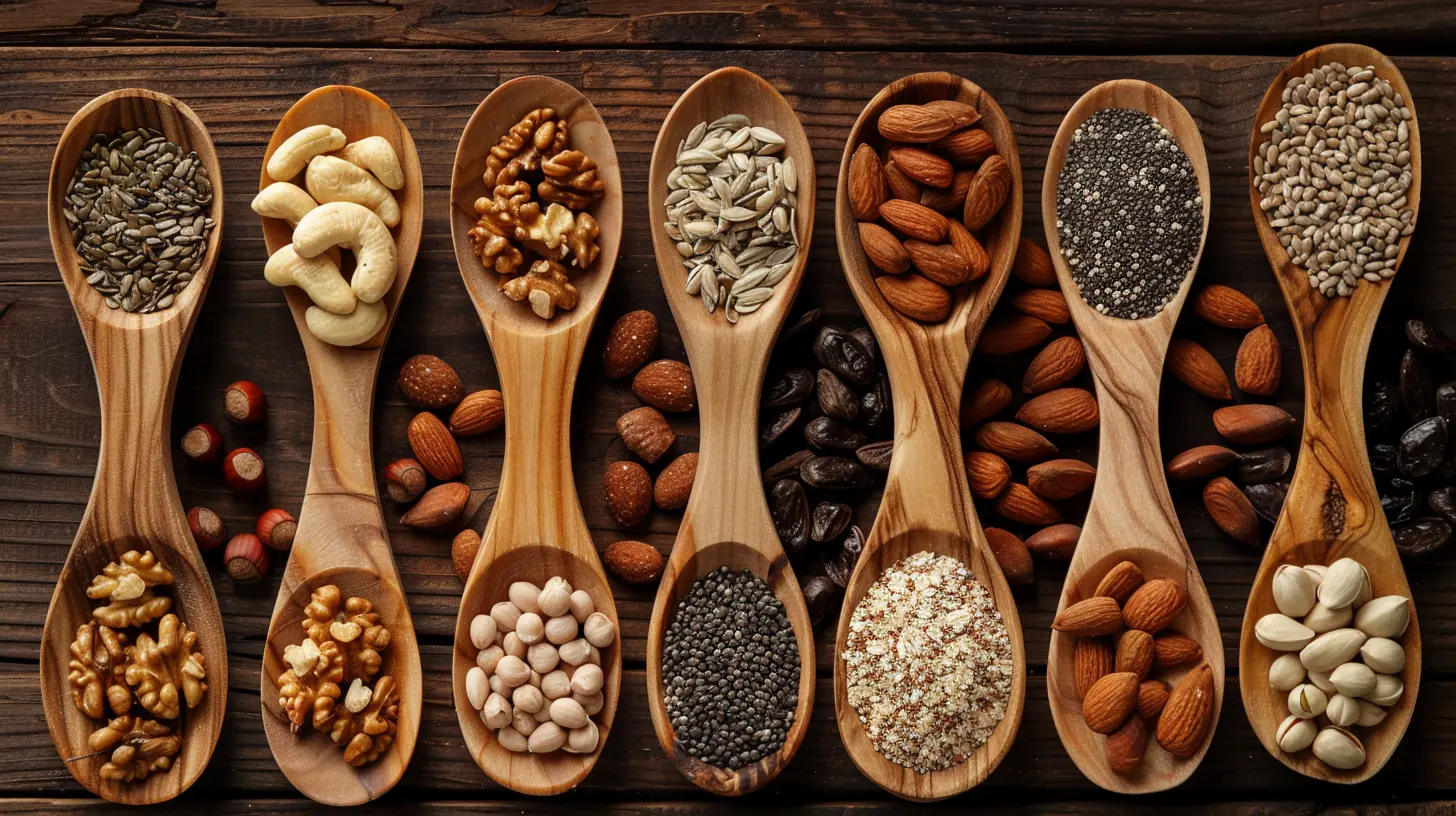
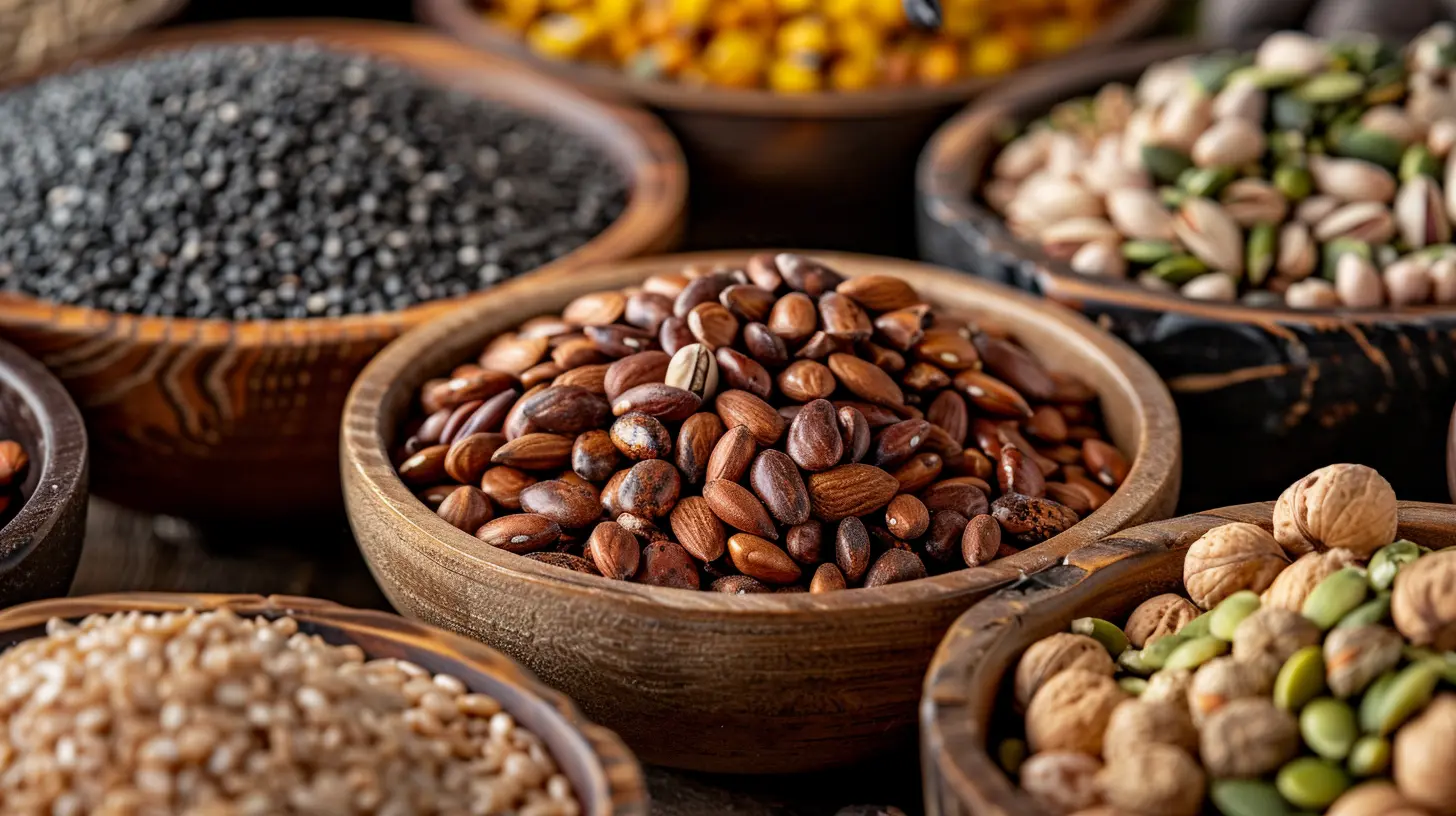
Not all nuts and seeds are equal when it comes to Paleo nutrition. Some are better choices than others, while a few should only be consumed in moderation. Here are some top picks for Paleo-approved nuts and seeds:Best Nuts for Paleo
- Almonds – High in vitamin E, magnesium, and healthy fats. Great for snacking or making almond butter.- Walnuts – A fantastic source of omega-3s, good for brain and heart health.
- Macadamia Nuts – Loaded with monounsaturated fats and lower in phytic acid than other nuts.
- Hazelnuts – Full of antioxidants and healthy fats, perfect for adding to recipes.
- Brazil Nuts – Super high in selenium, great for thyroid support.
Best Seeds for Paleo
- Chia Seeds – Packed with fiber, omega-3s, and perfect for making puddings or smoothies.- Flaxseeds – Great for digestion and a good source of plant-based omega-3s.
- Pumpkin Seeds (Pepitas) – High in magnesium, protein, and zinc.
- Sunflower Seeds – A solid source of vitamin E and healthy fats.
- Sesame Seeds – Great for minerals like calcium, magnesium, and zinc.
How to Eat Nuts and Seeds on a Paleo Diet
Now that we know which nuts and seeds make the cut, how should you enjoy them? Here are some Paleo-friendly ways to incorporate them into your daily routine:1. Snack Smart
A handful of nuts is an easy go-to snack, but be mindful of portion sizes. Because they’re calorie-dense, eating too many can lead to excessive calorie intake. Stick to small portions—around a quarter cup is usually enough.2. Make Homemade Nut Butters
Almond butter, cashew butter, or macadamia nut butter are fantastic Paleo-friendly spreads. Just make sure they don’t contain added sugars or unhealthy oils.3. Add to Smoothies
Chia seeds, flaxseeds, and walnuts are amazing additions to smoothies for extra fiber, protein, and good fats.4. Use as Toppers
Sprinkle nuts or seeds on salads, roasted veggies, or even Paleo-friendly yogurt to add crunch and extra nutrients.5. Bake with Them
Almond flour and coconut flour are popular in Paleo baking, allowing you to create delicious muffins, pancakes, or bread without using traditional grains.The Downsides: Moderation is Key
While nuts and seeds are undeniably healthy, there are a few things to watch out for:- Phytic Acid: Found in many nuts and seeds, phytic acid can bind to minerals like zinc and iron, preventing their absorption. Soaking or sprouting them can help reduce this effect.
- Omega-6 Fatty Acids: While omega-6 fats aren’t inherently bad, an excess can contribute to inflammation. Stick to a balanced intake and prioritize omega-3-rich nuts like walnuts.
- Caloric Density: Nuts and seeds are high in calories, so overeating them can lead to unwanted weight gain. Keep portions in check!
Conclusion
Nuts and seeds are an excellent addition to a Paleo-friendly diet when consumed in moderation. They provide essential healthy fats, protein, fiber, and vital nutrients that support overall health. Whether you're grabbing a handful of almonds, making flaxseed crackers, or topping your salad with pumpkin seeds, these tiny superfoods can enhance your Paleo eating experience.Just remember to keep an eye on portion sizes, balance your omega-6 intake, and, if possible, soak or sprout nuts to reduce phytic acid. With the right approach, nuts and seeds can be a delicious, nutritious, and totally Paleo-approved part of your lifestyle!
all images in this post were generated using AI tools
Category:
Paleo DietAuthor:

Arthur McKeever
Discussion
rate this article
2 comments
Isaac Jackson
“Crunchy, munchy, pure power!”
March 8, 2026 at 4:50 AM
Arthur McKeever
Absolutely! Nuts and seeds are nutrient-dense powerhouses that fit perfectly into a paleo diet.
Victoria Bass
Nuts and seeds are delightful powerhouses of nutrition! They add crunch, flavor, and healthy fats to any Paleo meal. Embrace their goodness and enjoy a happy, vibrant lifestyle! 🥳🥜🌱
March 6, 2026 at 5:31 AM
Arthur McKeever
Absolutely! Nuts and seeds are nutritious powerhouses that enhance Paleo meals with healthy fats, flavor, and crunch. Embracing them is key to a vibrant lifestyle! 🥜🌱