The Importance of Core Stability in Everyday Fitness
27 October 2025
When most people hear the term “core,” they immediately think of six-pack abs or those grueling sit-ups from high school gym class. But let’s be real—core stability is so much more than that. It’s the unsung hero of your body, silently supporting your every move, whether you're lifting weights, carrying groceries, or even just tying your shoes.
In this deep-dive, we’re going to unpack what core stability really means, why it matters in your day-to-day life (not just at the gym), and how you can level up your core game without spending hours planking on your living room floor.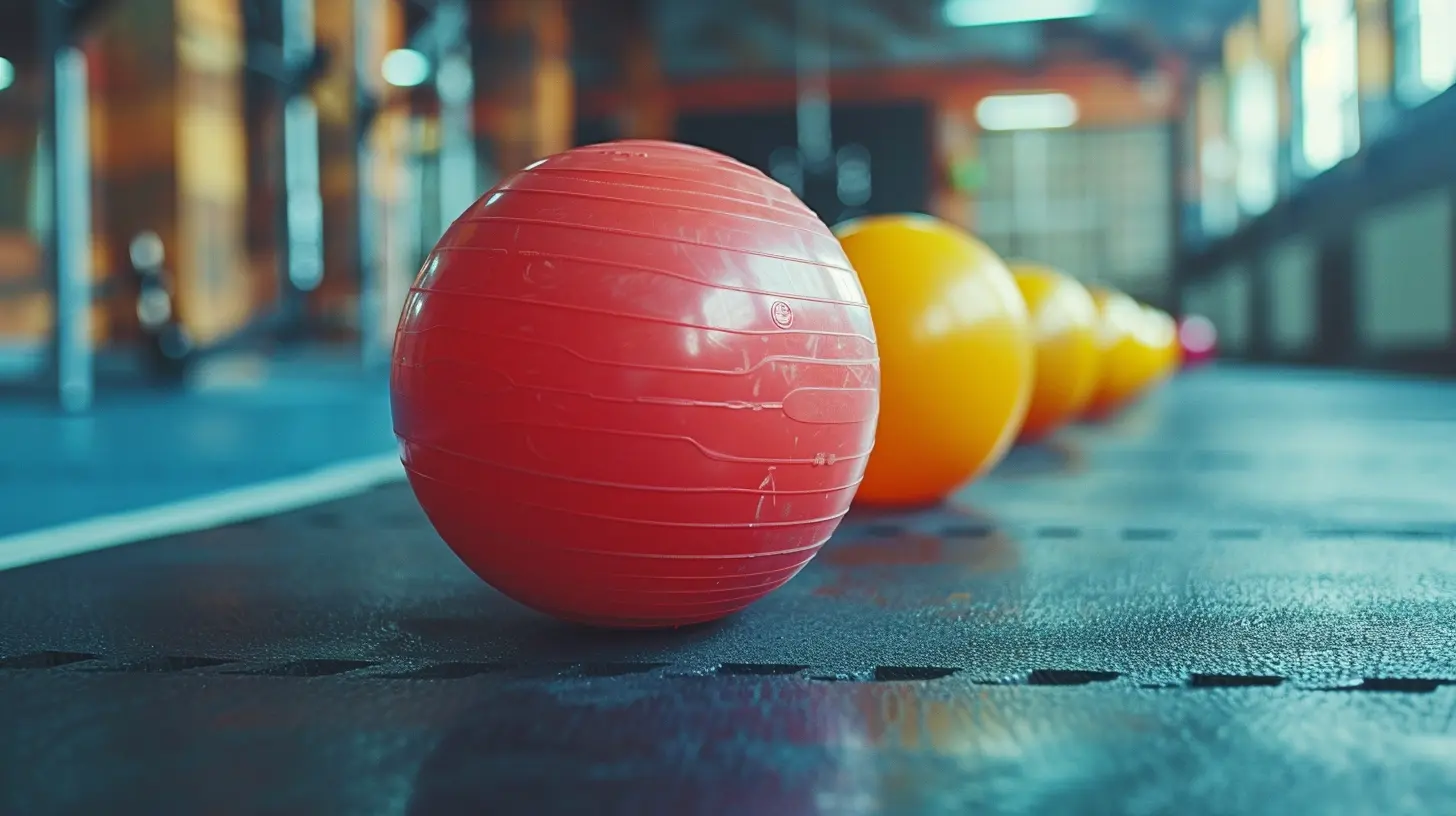
What Exactly Is Core Stability?
Okay, let’s break it down. Core stability refers to your body’s ability to control and support itself through the trunk—the area that includes your abdominal muscles, lower back, hips, and pelvis. Think of your core like the foundation of a house. If the base isn’t strong and stable, everything built on top of it is at risk of crumbling or tipping over.Core stability isn’t just about strength—it’s really about control. It’s your body’s ability to maintain balance and alignment, whether you're being still or moving. Picture it like the shock absorbers in a car. They keep things smooth even when the terrain gets rough.
Why Should You Care About Core Stability?
Great question. Here's the deal: a stable core affects literally everything you do. You don’t need to be an athlete to benefit from a better core—if you have a body and you move it, this is relevant to you.1. It Makes Everyday Movements Easier
Ever bent over to pick up your kid or twisted awkwardly to grab something from the backseat of your car? That’s when core stability comes into play. A strong, stable core keeps your body aligned and supported during these regular, real-life tasks.Without it, you're more likely to strain your back, pull a muscle, or just feel downright uncomfortable.
2. It Prevents Injuries
This might be one of the biggest perks. When your core is stable, your body moves more efficiently. That means less wear and tear on your joints and muscles. Less compensation. Fewer “oops” moments that land you in the chiropractor’s office.Most lower back injuries? Yep, they’re often due to weak or unstable core muscles. When your core can’t handle the load, your back tries to pick up the slack, and that never ends well.
3. It Supports Better Posture
If you’re like most people, you sit. A lot. Whether it's at a desk, in your car, or on the couch watching Netflix, you’re probably spending more time in a chair than you’d like to admit. Over time, all that sitting can wreak havoc on your posture.Core stability keeps your spine aligned and upright. When your core is engaged, your shoulders sit better, your back stays straighter, and your neck doesn’t crane forward like a vulture over a keyboard.
4. It Enhances Performance (In and Out of the Gym)
Even if you’re not training for a marathon or weightlifting championship, you still want your body to respond when you need it to. Whether you're hiking, biking, or dancing at a wedding, core stability gives your movements power and precision.And if you are in the gym? You’ll notice big gains in strength and endurance once your core starts pulling its weight. Pun intended.
Core Stability vs. Core Strength: What’s the Difference?
Let’s clear this up because the terms often get tossed around like they’re the same thing—but they’re not.- Core strength is about how much force your core muscles can generate. It’s the raw power.
- Core stability is about how well your core muscles can prevent unwanted movement and keep you balanced.
You can have a strong core on paper (hello, heavy deadlifts) but still lack stability if those muscles aren’t working together smoothly. It’s like having a fast sports car with bad steering—it looks great, but it won’t keep you on the road.
The Muscles Involved in Core Stability (Spoiler: It’s More Than Just Abs)
When people say “core,” they usually mean abs. But your core is actually a team of muscles working together. Here's your core squad:- Rectus abdominis – That coveted six-pack muscle
- Transverse abdominis – Deep abdominal muscle; acts like a corset
- Internal and external obliques – Help with twisting and side-bending
- Erector spinae – Run along your spine to help with posture
- Multifidus – Small muscles in your lower back for spinal stability
- Pelvic floor muscles – Support your pelvic organs
- Diaphragm – Yep, your breathing muscle plays a part too!
- Glutes and hip muscles – They anchor and move your lower body while stabilizing the pelvis
These muscles don’t work in isolation. They coordinate to stabilize your spine and pelvis during all movement—not just crunches.
Signs Your Core Might Be Weak or Unstable
Not sure if your core is doing its job? Here are a few red flags:- Lower back pain (the most common sign)
- Poor balance or frequent tripping
- Slumped or hunched posture
- Trouble standing on one leg
- Your belly bulges or domes during exercises
- You find planks or bodyweight bridges weirdly difficult
The good news? You can fix it. Really. You don’t need fancy equipment or hours of training. Just consistency and the right moves.
Simple Ways to Improve Core Stability at Home
Improving your core stability doesn’t mean churning out endless crunches. In fact, less is more—if you focus on the right movements. Here are a few go-to exercises you can try from your living room (no gym required):1. Dead Bug
Odd name, serious benefits. This move trains your deep abdominal muscles to stabilize while your arms and legs move—just like real life.How to do it: Lie on your back with knees and hips at 90 degrees. Extend one arm and the opposite leg toward the floor while keeping your back flat. Return to start and switch sides.
2. Bird-Dog
Another animal-inspired gem. This enhances balance and coordination while engaging your entire core.How to do it: Start on all fours. Slowly extend your right arm and left leg. Keep your hips square. Hold for a few seconds, then switch.
3. Glute Bridge
Yep, your glutes are part of the core too. This one strengthens the posterior chain, which is essential for spinal support.How to do it: Lie on your back, feet flat, knees bent. Push through your heels and lift your hips without overarching your back.
4. Plank (with a Twist)
Planks aren’t exciting, but they work—especially when you tweak them for better engagement.Try this: Do forearm planks, but squeeze your glutes, pull your belly in, and press into your forearms. Hold for short bouts of quality over long, shaky endurance sets.
5. Pallof Press
This anti-rotation move trains your core to resist twisting—a crucial part of stability.How to do it: Use a resistance band or cable. Stand perpendicular to the anchor, hold the band at chest height, and press straight out. Don’t let your body twist!
Don’t Forget About Breathing!
Surprised? Most people are. Your ability to breathe properly plays a massive role in core stability. Deep, diaphragmatic breathing activates your transverse abdominis and pelvic floor while relaxing overworked upper-body muscles.Try this: Breathe in through your nose, expanding your ribs and belly (not your chest), and exhale slowly through your mouth. Do this while training, before a workout, or even just sitting at your desk. It’s a game-changer.
Core Myth-Busting
Let’s squash a couple of common misconceptions:- Myth #1: Crunches are the best way to build your core.
Nope. They train only a small part of your core—and can strain your neck and back if done wrong.
- Myth #2: You need gym equipment for core training.
Also false. Your bodyweight and a resistance band are more than enough.
- Myth #3: A strong core means visible abs.
Not necessarily. Visible abs are mostly about body fat percentage. You can have a rock-solid core without the six-pack.
Real-Life Benefits You’ll Actually Feel
Once you start training for core stability, you’ll notice:- Less back pain during daily tasks
- Better control and balance in workouts
- Improved posture without thinking about it
- Increased confidence in how your body moves and feels
It’s one of those things where you don’t realize how important it is until it’s missing. But once it’s solid? Everything else gets easier.
Keep It Consistent
Here’s the golden nugget: You don’t need to spend hours training your core. Just ten to fifteen minutes, three to four times a week, can lead to noticeable gains. Be consistent. Be patient. And stay tuned into what your body is telling you.Final Thoughts
You don’t have to be a fitness expert to appreciate the importance of core stability. It’s not about the aesthetics—it’s about movement, function, and feeling good in your own body.Think of your core as the body’s command center. When it’s on point, everything else flows better—your posture, your performance, your confidence. So don’t neglect this powerhouse. Give it the attention it deserves, and it’ll return the favor by supporting you through life’s twists, turns, and challenges.
all images in this post were generated using AI tools
Category:
Fitness RoutinesAuthor:

Arthur McKeever
Discussion
rate this article
1 comments
Cecilia Allen
Strong core: because your abs deserve a steady job!
October 29, 2025 at 3:57 PM
Arthur McKeever
Thank you! A strong core truly plays a vital role in supporting our daily activities and overall fitness.