The Importance of Calcium for Bone Strength
14 June 2026
Let’s be real for a second—how often do we actually think about our bones? Probably not until we hear that dreaded crack or feel that nagging ache in our joints. But here’s the kicker: our bones are the very framework of our bodies, and calcium is their best friend. Without enough calcium, our bones become as fragile as a house of cards in a windstorm.
In this article, we’re diving deep into why calcium is absolutely crucial for bone strength, how much you need, where to get it from, and what happens if you ditch it. Whether you're in your 20s or your 70s, it’s never too late—or too early—to care about your bones.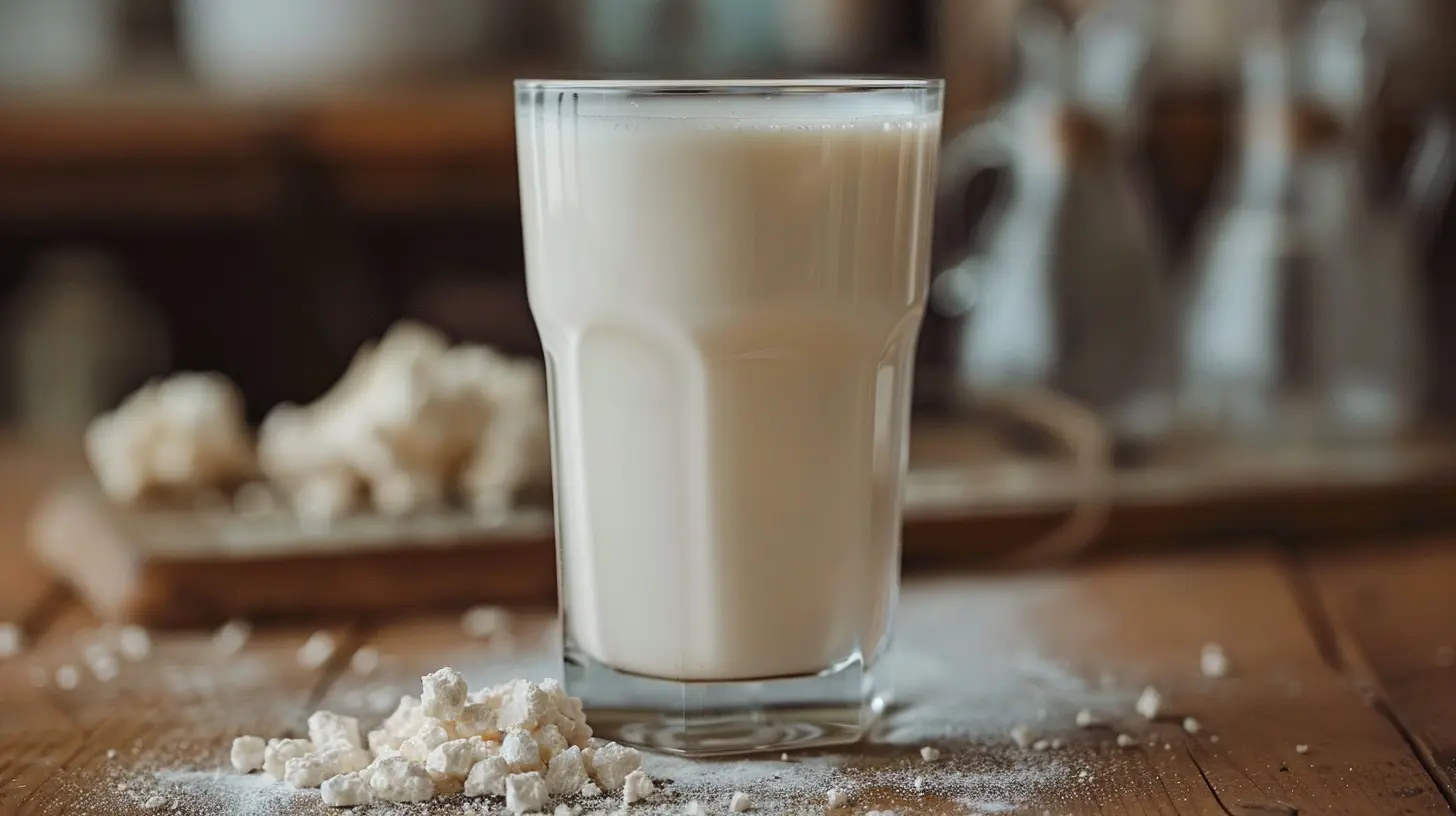
? Why Is Calcium So Important for Bones, Anyway?
Imagine your skeleton as a steel-reinforced building. Calcium is like the steel—it gives your bones strength, structure, and resilience. In fact, about 99% of the calcium in your body is stored in your bones and teeth.But calcium doesn’t just sit there. Your body is constantly remodeling your bones, a little like renovation work that never ends. Older bone gets broken down, and new bone gets built in its place. For that process to work smoothly, your body needs a steady stream of calcium.
And guess what happens if it doesn’t get enough? Your body starts stealing calcium from your bones to keep your blood calcium levels stable. That’s bad news for your skeleton.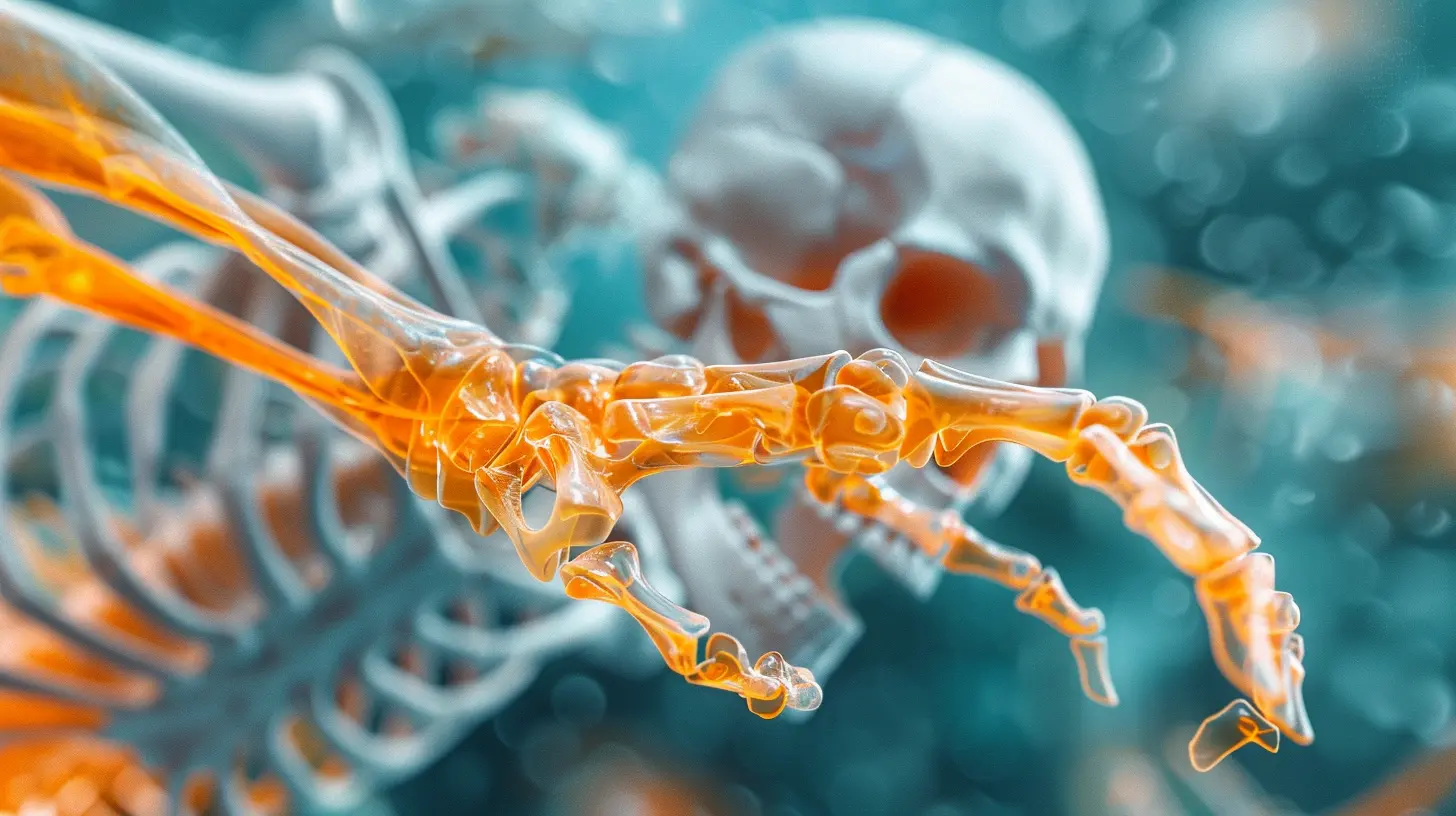
? Calcium Does More Than Just Build Bones
Yep, calcium's got quite the résumé. Beyond its role in bone health, it also:- Supports muscle function
- Helps nerves send messages
- Keeps your heart beating steadily
- Aids hormone release
But here’s the deal—if you're not getting enough calcium from your diet, your body will still prioritize these other functions at the expense of your bones. That’s how important calcium is!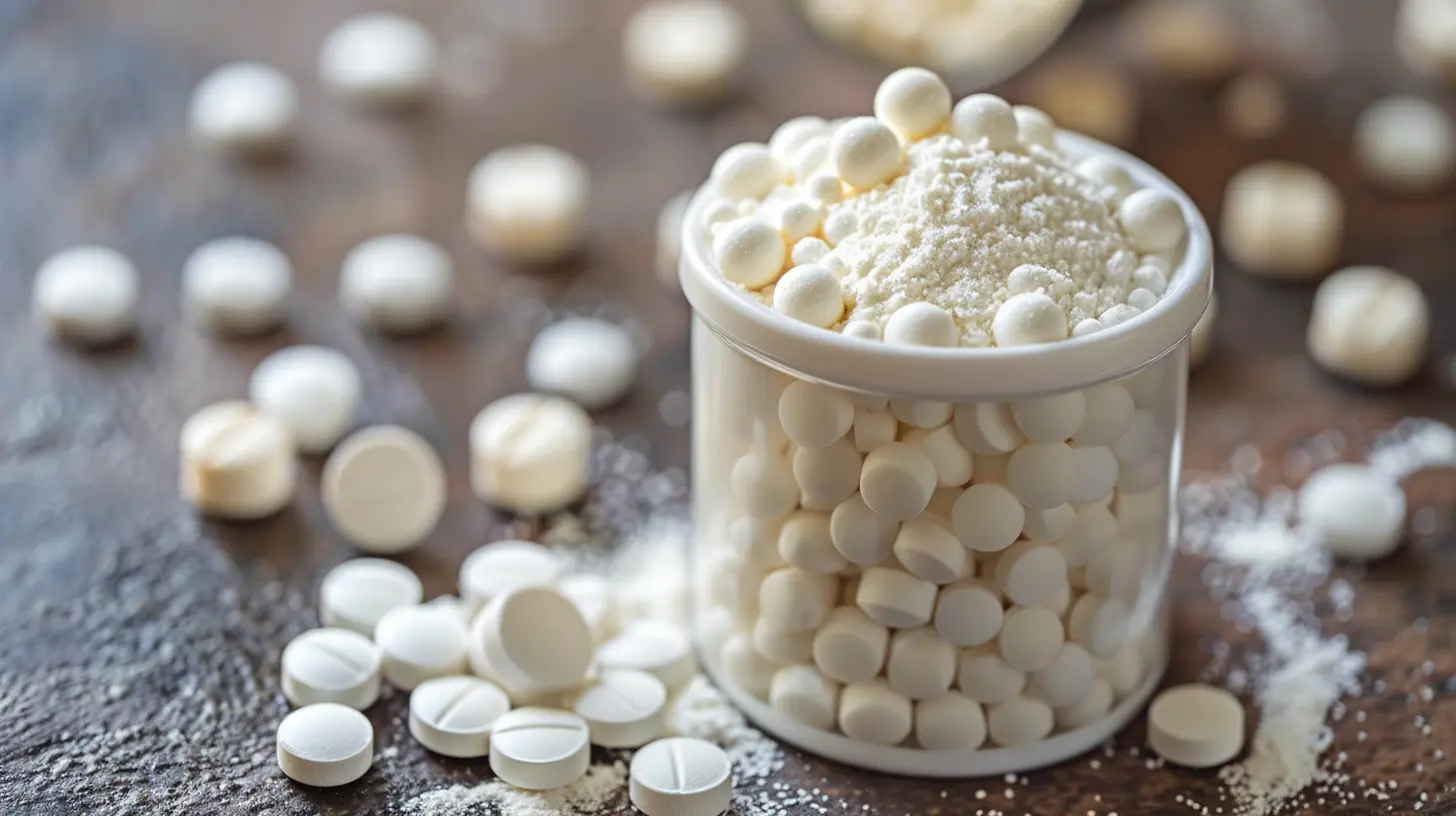
? Calcium and Aging: It’s Not Just for Old People
Most people think calcium deficiency is only a problem for older adults. Wrong.Sure, osteoporosis—a condition where bones become brittle and weak—usually shows up later in life. But bone health is a long game. You want strong bones in your 60s? That starts in your 20s. Peak bone mass is typically reached around age 30, and it starts to decline after that. Without enough calcium, that decline happens faster.
It’s like putting money in a savings account. The more you deposit when you’re young, the better off you’ll be when you’re older.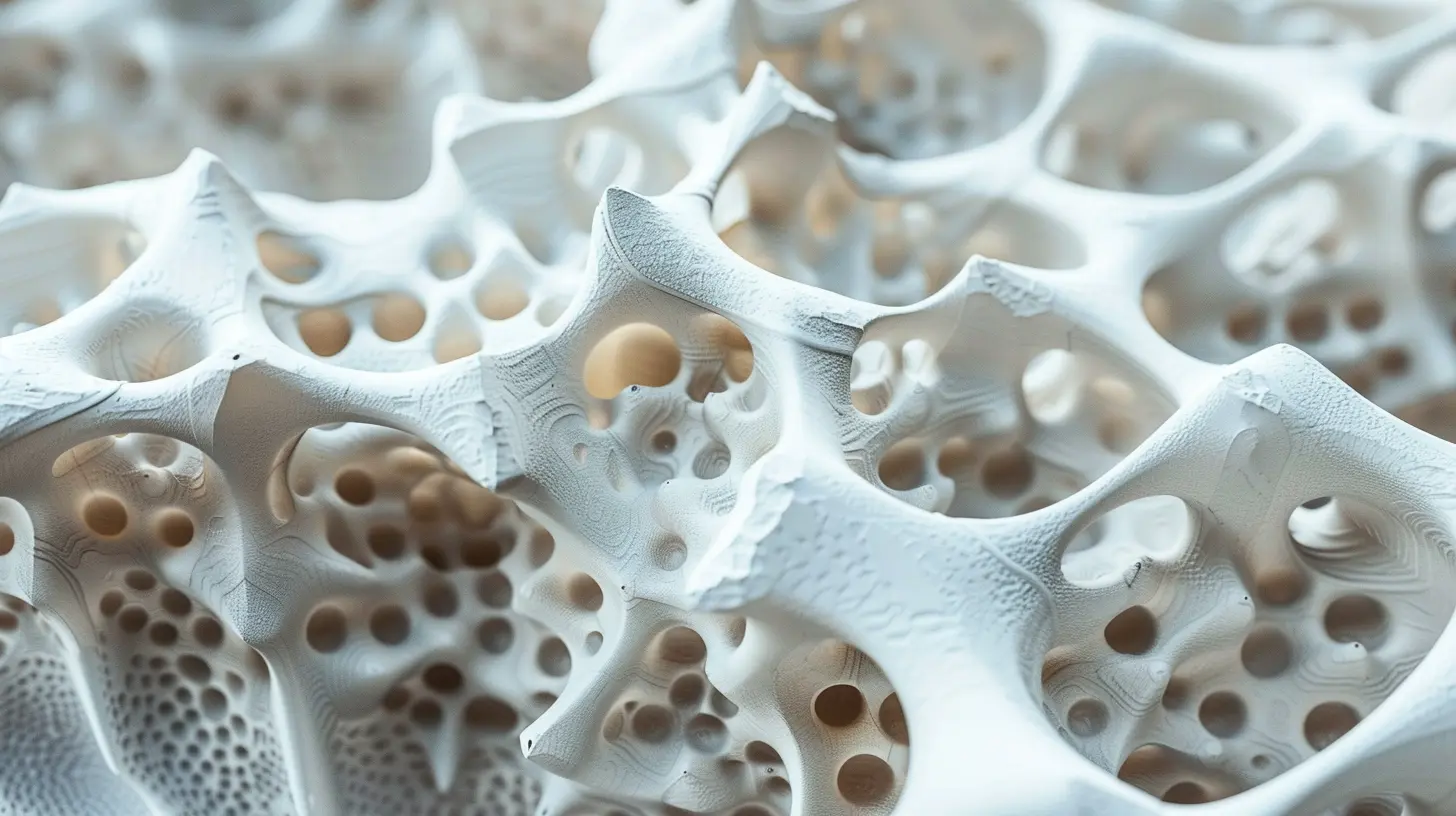
☠️ What Happens When You Don’t Get Enough Calcium?
Not to be dramatic, but skipping out on calcium can wreak havoc on your health. Here’s what could happen:- Osteopenia/Osteoporosis: Early stages and advanced thinning of bones.
- Bone fractures: Weak bones snap way more easily.
- Stunted growth in kids: Growing bodies need LOTS of calcium.
- Tooth decay: Your teeth are bones too, don’t forget!
- Fatigue and muscle cramps: Low calcium can mess with nerve and muscle function.
If that doesn’t sound appealing, trust us—you want to keep your calcium up.
? How Much Calcium Do You REALLY Need?
Great question! The answer? It depends on your age and sex. Here’s a quick cheat sheet:| Age Group | Recommended Daily Calcium |
|-----------|----------------------------|
| Kids (4-8 years) | 1,000 mg |
| Tweens/Teens (9-18) | 1,300 mg |
| Adults (19-50) | 1,000 mg |
| Women 51+ | 1,200 mg |
| Men 71+ | 1,200 mg |
| Pregnant/Breastfeeding Women | 1,000 - 1,300 mg |
Spoiler alert: Most people aren’t hitting these numbers. That’s where diet or supplements come into play.
? Best Food Sources of Calcium
Alright, time to talk about where you can actually get this golden mineral.? Dairy Products
This is the classic one. Milk, yogurt, and cheese pack in loads of calcium—and it’s easy for your body to absorb, too. One cup of milk gives you about 300 mg, so you’re already a third of the way there!? Leafy Greens
If dairy isn't your thing, no worries! Calcium is hiding in leafy greens like:- Kale
- Collard greens
- Broccoli
- Bok choy
(Spinach has calcium too, but it comes with oxalates that make it harder to absorb.)
? Fish with Bones
Yep, bones again! Canned salmon or sardines (with bones) are loaded with calcium—and they’re tasty too if you give them a chance!? Fortified Foods
No time to cook? No problem. Many cereals, plant-based milks, and juices are fortified with calcium. Just check the nutrition label.? What About Calcium Supplements?
Okay, so maybe you're not into dairy or greens, and eating sardines isn't your vibe. That's where supplements might help.But here's the thing—not all calcium supplements are created equal. The two most common types are:
- Calcium carbonate: More calcium per pill, but better absorbed with food.
- Calcium citrate: Easier to absorb on an empty stomach, great for older adults or those with digestive issues.
Important tip: Don’t go overboard. More than 2,500 mg per day can lead to kidney stones or other issues. Moderation is key.
?️ The Calcium + Vitamin D Power Duo
Think of calcium as Batman. It’s great on its own. Now add Vitamin D—that’s Robin. Together, they’re unstoppable.Vitamin D helps your body absorb calcium from the food you eat. Without it, calcium might pass right through you. Sunlight is the best source, but you can also get Vitamin D from:
- Fatty fish
- Fortified milk or OJ
- Supplements
So if you’re serious about bone health, don’t just focus on calcium. Make sure you're getting enough Vitamin D too.
?♀️ Lifestyle Habits That Make or Break Bone Health
Even if your calcium intake is top-notch, your lifestyle choices can still make a big difference.? Smoking and Drinking = Bad News for Bones
Both smoking and excessive alcohol can weaken your bones. They mess with how your body absorbs calcium and disrupt bone-building cells.? Stay Active
Weight-bearing exercise is like lifting weights for your bones. Walking, hiking, dancing, and strength training all help your body keep bone loss at bay.☕ Watch the Caffeine
Too much caffeine can interfere with calcium absorption. Don’t worry—you don’t have to give up coffee. Just don’t go overboard.? Special Considerations: Kids, Pregnant Women, and Seniors
Some folks need to pay extra attention to their calcium intake.- Kids & Teens: This is when bone mass is being built at lightning speed. They need more calcium than most adults!
- Pregnant/Breastfeeding Women: You're building a baby—bone by bone. Calcium needs are increased.
- Older Adults: Bone loss speeds up after menopause or with aging. Calcium and Vitamin D become even more critical.
? Is It Possible to Get Too Much Calcium?
Yes—and more isn’t always better. Too much calcium can lead to:- Kidney stones
- Constipation
- Heart issues (in extreme cases)
Stick to the recommended daily limits and talk to your doctor before taking high-dose supplements.
?Your Bone Health Game Plan
Let’s break it down into some easy steps:1. Eat calcium-rich foods daily—aim for 2-3 servings of dairy or plant-based alternatives.
2. Get your sunshine fix or consider a Vitamin D supplement.
3. Move your body with weight-bearing exercises.
4. Cut back on smoking, heavy drinking, and caffeine.
5. Talk to your doctor if you're not sure you're getting enough.
Don’t wait till your bones start creaking like an old wooden floor. Start now. Your older self will thank you.
? Final Thoughts
Your bones are your lifelong companions. They carry your body, protect vital organs, and let you move, jump, and dance your way through life. Calcium is a non-negotiable part of keeping them strong.It’s easy to overlook bone health when you’re feeling great, but trust me—being proactive now is way easier than trying to fix brittle bones later.
So next time you pour a glass of milk or toss kale into that smoothie, give yourself a mental high five. You're investing in your future, one calcium-rich bite at a time.
all images in this post were generated using AI tools
Category:
MineralsAuthor:

Arthur McKeever
Discussion
rate this article
1 comments
Xander Bryant
If bones had a favorite drink, it would definitely be milk. I mean, who wouldn't want their skeleton to be stronger than their WiFi signal? Time to raise a glass and get those bones dancing!
June 20, 2026 at 2:16 AM
Arthur McKeever
That's a fun way to put it! Staying strong and healthy starts with good nutrition, especially calcium for our bones. Cheers to that!