The Connection Between Mineral Balance and Energy Levels
14 March 2026
Ever feel like a deflated balloon halfway through the day? One minute, you're buzzing with energy, and the next, you're questioning your life choices as you reach for your third cup of coffee. Well, my friend, this might not be just sleep deprivation or your boss draining your soul—it could be a sign that your minerals are out of whack!
Yep, that's right. Minerals aren't just something geologists get excited about. These tiny but mighty nutrients are essential for keeping your body running like a well-oiled machine. Let’s dive into the fascinating (and slightly underrated) world of minerals and how they affect your energy levels. 
Why Minerals Matter More Than You Think
Imagine your body is a car. Your macronutrients—carbs, proteins, and fats—are like the fuel. But what happens if your battery is dead or your spark plugs aren’t working? You’re not going anywhere, no matter how much gas is in the tank. That’s exactly what happens when you lack essential minerals. They act as the spark plugs that keep your body’s engine running smoothly.Without the right balance of minerals, your body struggles to produce energy efficiently. This can leave you feeling sluggish, irritable, and about as useful as a phone with 1% battery left. 
The Essential Minerals That Keep You Energized
Let's break down the all-stars of the mineral world and how they keep your energy levels from crashing harder than your Wi-Fi on a Zoom call.1. Magnesium: The Relaxation & Energy Duo
If minerals had a chill guru, it would be magnesium. This powerhouse is involved in over 300 biochemical reactions in your body, including converting food into energy. Without enough magnesium, your mitochondria (the tiny powerhouses of your cells) struggle to produce ATP—the energy currency of your body.Signs You Might Be Low on Magnesium:
- Constant fatigue
- Trouble sleeping
- Muscle cramps
- Mood swings (yes, your crankiness might not be your personality, after all)
Where to Get It: Dark leafy greens, nuts, seeds, whole grains, and—good news—dark chocolate! So, technically, eating chocolate is self-care.
2. Iron: The Oxygen Carrier
Iron is like the delivery guy for oxygen in your body. It helps red blood cells transport oxygen to your tissues so they can function properly. Low iron = low oxygen delivery = feeling like a sloth after a big meal.Signs of Iron Deficiency:
- Constant exhaustion despite getting enough sleep
- Pale skin
- Shortness of breath
- Frequent headaches
Where to Get It: Red meat, lentils, spinach, tofu, and pumpkin seeds. Pro tip: Pair iron-rich foods with vitamin C (like citrus fruits) to boost absorption.
3. Potassium: The Hydration Hero
Feeling tired even though you slept eight hours? It could be dehydration. Potassium helps regulate fluid balance, nerve signals, and muscle contractions. Without enough potassium, you might feel like a walking zombie.Signs of Potassium Deficiency:
- Muscle weakness
- Frequent muscle cramps
- Fatigue
- Heart palpitations (cue minor panic attack)
Where to Get It: Bananas, avocados, potatoes, spinach, and beans.
4. Zinc: The Jack-of-All-Trades
Zinc might be famous for fighting off colds, but it also plays a crucial role in energy production. It helps with enzyme functions that convert food into usable energy, meaning without it, your metabolism slows to a crawl.Signs You Need More Zinc:
- Constant tiredness
- Weakened immune system
- Brain fog (forgetting why you walked into a room... again)
Where to Get It: Shellfish, beef, chickpeas, nuts, and dairy.
5. Calcium: Not Just for Bones
When you hear calcium, you probably think of strong bones. But did you know it also plays a role in energy metabolism? Calcium helps cells communicate and muscles contract efficiently, making it indispensable for sustained energy.Signs of Low Calcium:
- Muscle spasms
- Brittle nails
- Fatigue
- Numbness or tingling in fingers
Where to Get It: Dairy products, fortified plant-based milk, leafy greens, and almonds. 
The Delicate Dance of Mineral Balance
Now, before you go chugging magnesium and iron supplements like they’re candy, remember that balance is key. More is not always better.For example, too much calcium can block the absorption of magnesium, and excessive zinc can interfere with copper levels (another essential mineral). Your body is a finely tuned orchestra—if one instrument plays too loudly, it throws off the entire symphony. 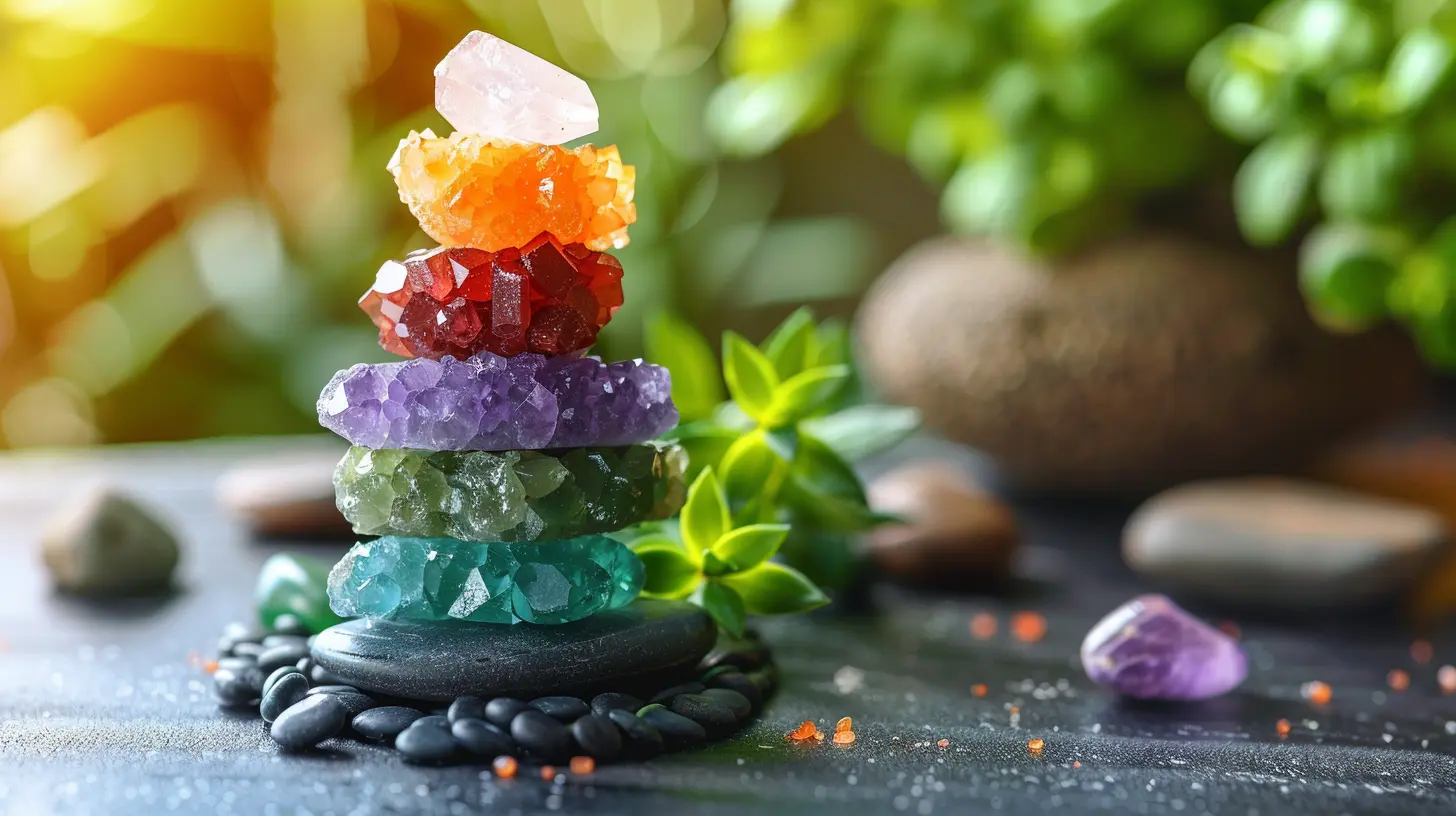
How to Maintain the Perfect Mineral Balance
1. Eat a Colorful Diet
Mother Nature didn’t create vibrant foods just for Instagram aesthetics. Different colored foods provide a broad spectrum of minerals and vitamins. Fill your plate with a variety of fruits, veggies, nuts, seeds, and lean proteins.2. Stay Hydrated
Water plays a huge role in mineral absorption. If you’re not drinking enough water, your body might struggle to properly distribute these essential nutrients. Plus, dehydration itself can cause fatigue.3. Limit Processed Junk
Processed foods are often stripped of natural minerals and pumped full of artificial junk. If your diet mostly consists of fast food and energy drinks, don’t be surprised when your energy levels resemble a rollercoaster.4. Consider Supplementing (Wisely)
If you strongly suspect a deficiency, supplements can help—but always check with a doctor first. Overloading your body with minerals it doesn’t need can do more harm than good.5. Manage Stress Like a Pro
Chronic stress messes with your body’s ability to absorb and regulate minerals. Activities like meditation, yoga, deep breathing, or simply laughing at cat videos can prevent stress from draining your energy reserves.Final Thoughts
Energy isn't just about sleep, diet, or exercise—it’s about balance. If you’ve been struggling with chronic fatigue, sluggishness, or those "why am I so tired all the time?" moments, you might want to check in on your mineral intake.By incorporating a nutrient-rich diet, staying hydrated, and keeping stress in check, you can give your body the fuel it truly needs. And hey, if all else fails, at least you know that eating dark chocolate is officially part of a healthy lifestyle!
So, next time you feel like a human potato, don’t just reach for caffeine—consider what your body's mineral levels might be telling you.
all images in this post were generated using AI tools
Category:
MineralsAuthor:

Arthur McKeever
Discussion
rate this article
2 comments
Wendy Jimenez
Boost your energy by balancing your minerals! Small changes can lead to big gains—let’s spark that lively spirit today!
March 15, 2026 at 4:42 PM
Arthur McKeever
Absolutely! Balancing minerals can make a significant difference in energy. Small adjustments can lead to noticeable improvements. Let's get energized!
Rosalind McGrady
Who knew minerals could be our secret energy drinks? Forget the fancy labels, just munch rocks!
March 15, 2026 at 3:34 AM
Arthur McKeever
Indeed! While munching on rocks isn't practical, maintaining mineral balance is essential for optimal energy levels.