The Complete Guide to Keto-Friendly Fats and Oils
1 March 2026
Starting a ketogenic diet? One of the most important things to get right is your fat intake. Since keto is a high-fat, moderate-protein, and low-carb diet, the quality and type of fats you consume can make or break your progress.
But with so many options—some good, some bad—it’s easy to get confused. Don't worry! This guide will walk you through everything you need to know about keto-friendly fats and oils so you can fuel your body the right way. 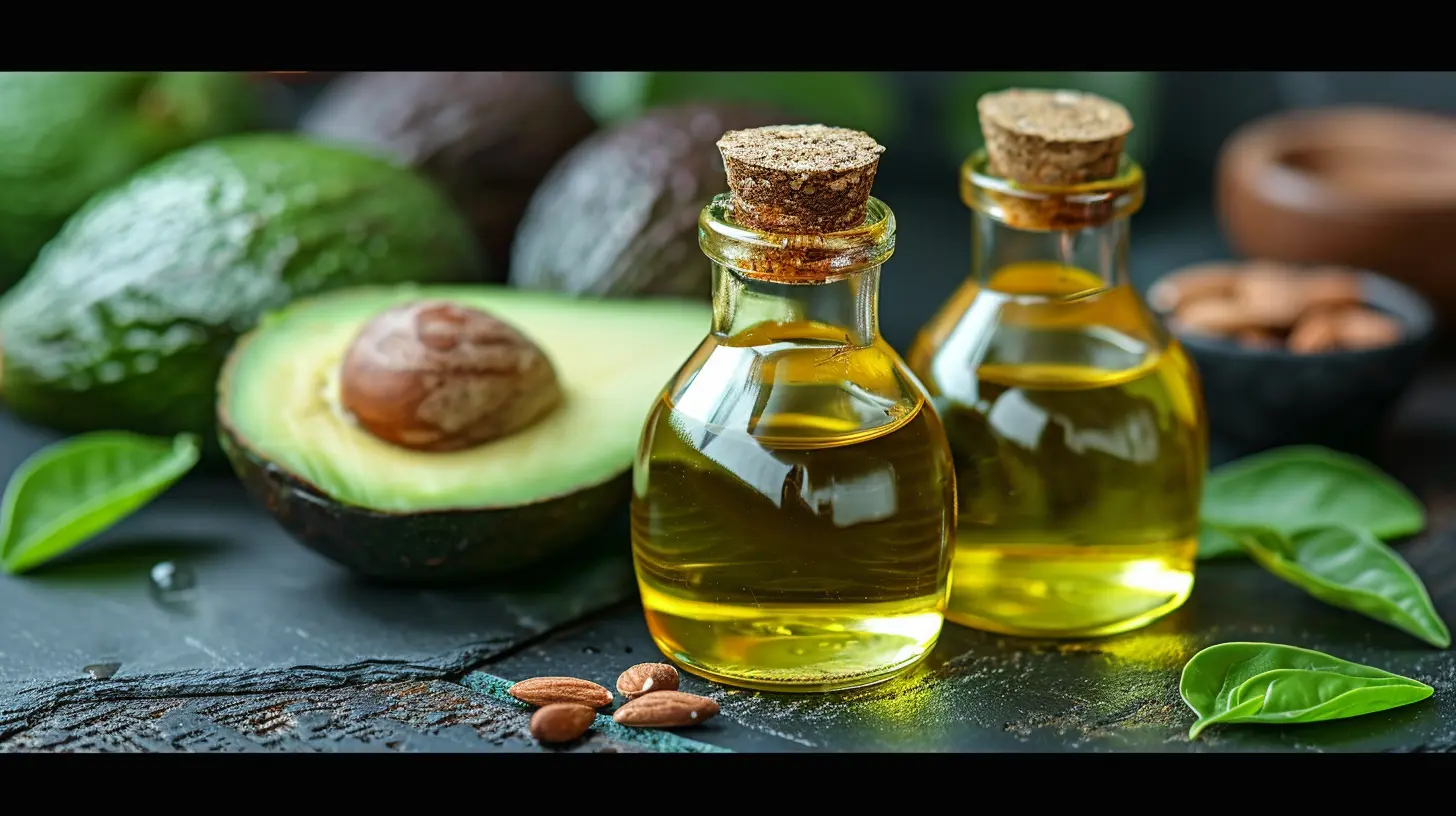
Why Are Fats So Important on Keto?
Fats are the backbone of a ketogenic diet. When you drastically cut carbs, your body shifts from using glucose as its primary fuel source to burning fat instead—a process called ketosis.Healthy fats provide energy, keep you full, support brain function, and help regulate hormones. But not all fats are created equal. Some boost your health, while others contribute to inflammation and disease.
So, which ones should you be eating? 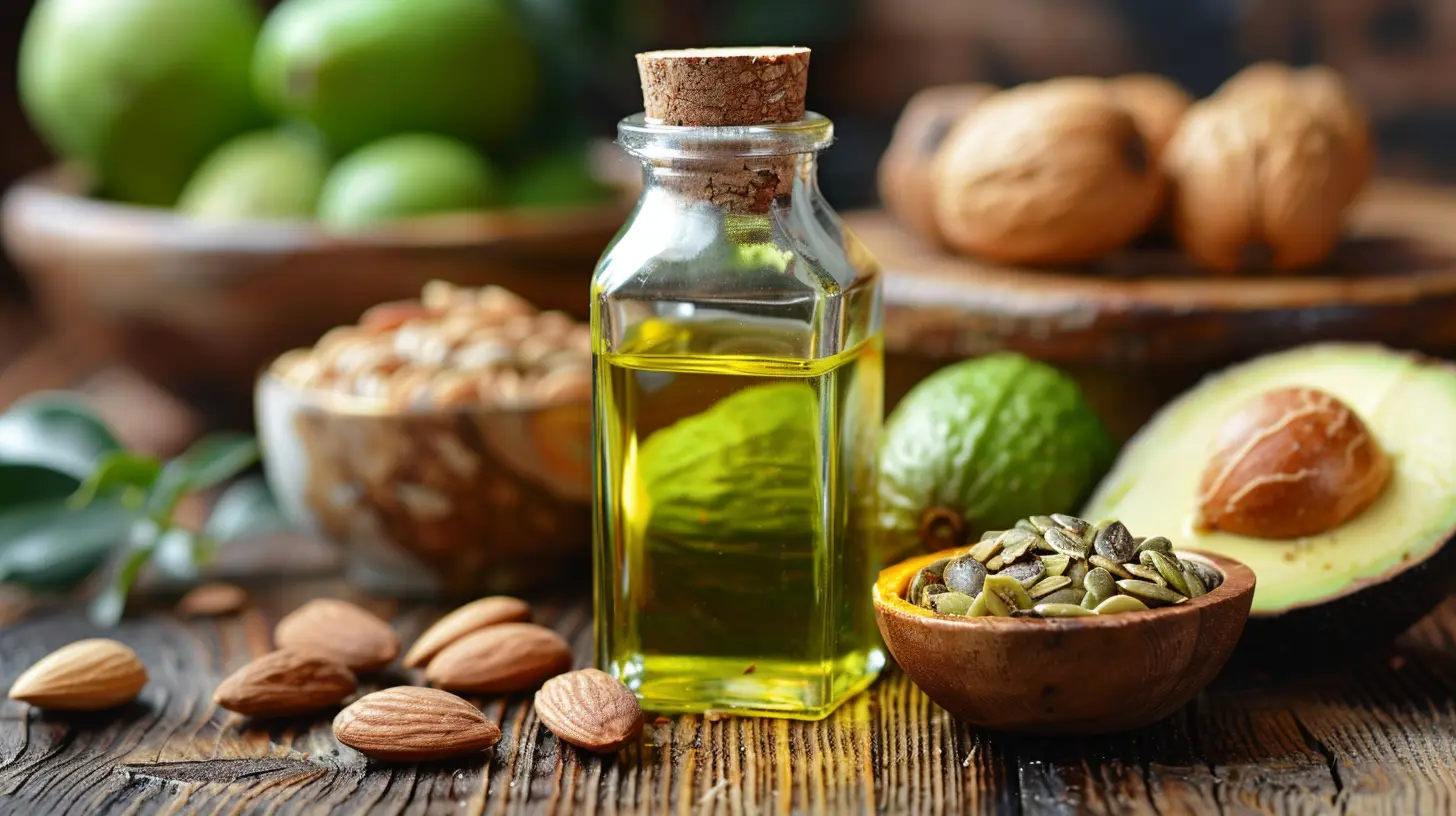
The Best Keto-Friendly Fats
1. Saturated Fats
Saturated fats have been unfairly demonized for years, but new research shows they’re not the villains we once thought. They help support hormone production, brain health, and even cholesterol balance.Best sources of saturated fats for keto:
- Grass-fed butter – Packed with fat-soluble vitamins and great for cooking.
- Ghee – A lactose-free alternative to butter with a rich, nutty flavor.
- Coconut oil – High in medium-chain triglycerides (MCTs), which boost energy and fat burning.
- Tallow (beef fat) – A nutrient-dense cooking fat.
- Lard (pork fat) – Great for frying and has a neutral taste.
👉 Pro tip: Use saturated fats for high-heat cooking because they’re more stable and less likely to oxidize.
2. Monounsaturated Fats (MUFAs)
These heart-healthy fats are known for reducing inflammation, improving insulin sensitivity, and supporting brain function.Best sources of monounsaturated fats for keto:
- Olive oil – Rich in antioxidants and anti-inflammatory properties. Choose extra virgin olive oil for the best quality.
- Avocados & avocado oil – A fantastic source of potassium and fiber.
- Macadamia nuts & macadamia nut oil – Low in carbs and high in MUFAs.
Monounsaturated fats are perfect for drizzling over salads, veggies, or keto dishes, but avoid cooking them at high temperatures to prevent oxidation.
3. Polyunsaturated Fats (PUFAs) – Focus on Omega-3s
Not all polyunsaturated fats are created equal. While omega-3s are incredibly beneficial, excessive omega-6s (found in many vegetable and seed oils) can cause inflammation when consumed in high amounts.Best keto-friendly omega-3 sources:
- Fatty fish (salmon, sardines, mackerel) – Loaded with EPA and DHA, essential for brain health.
- Chia seeds & flaxseeds – Provide ALA, a plant-based omega-3.
- Walnuts – A great nut for balancing omega-6 to omega-3 ratio.
- Algal oil – A vegan-friendly omega-3 supplement.
To keep inflammation in check, prioritize omega-3-rich foods while limiting processed vegetable oils loaded with omega-6s. 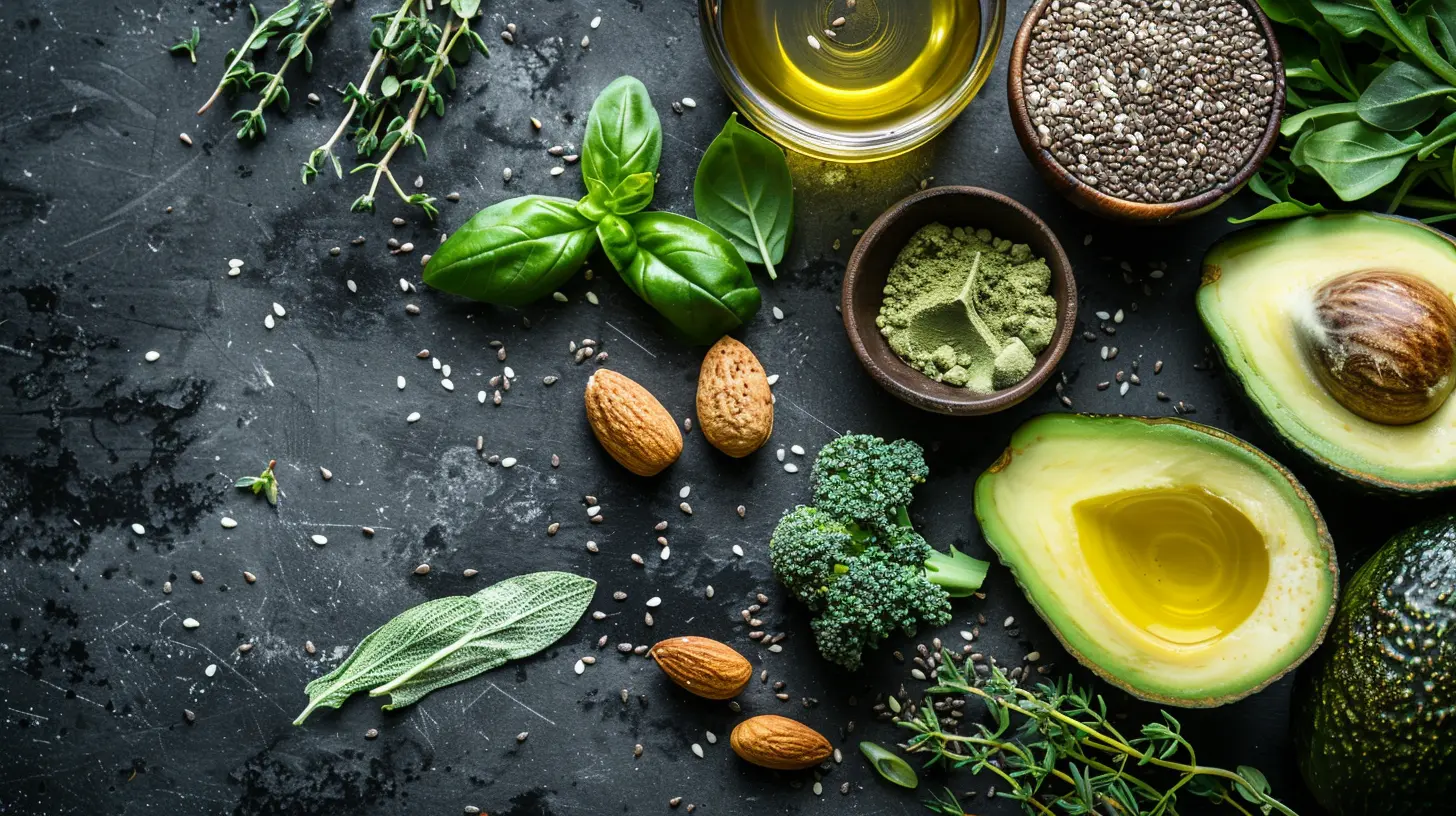
Oils to Avoid on Keto
Not all fats support health, and some can be downright harmful. These oils are highly processed, unstable, and prone to oxidation—leading to inflammation and increased disease risk.🚨 Worst oils to avoid on keto:
- Vegetable oils (corn, soybean, canola, sunflower, safflower oil) – High in omega-6s, which promote inflammation.
- Margarine & hydrogenated oils – Contain trans fats, which are linked to heart disease.
- Grapeseed oil & rice bran oil – Often promoted as "healthy" but loaded with unstable polyunsaturated fats.
👉 Rule of thumb: If an oil has been highly refined or requires intense processing, it’s probably not great for your health. Stick to natural, minimally processed fats instead! 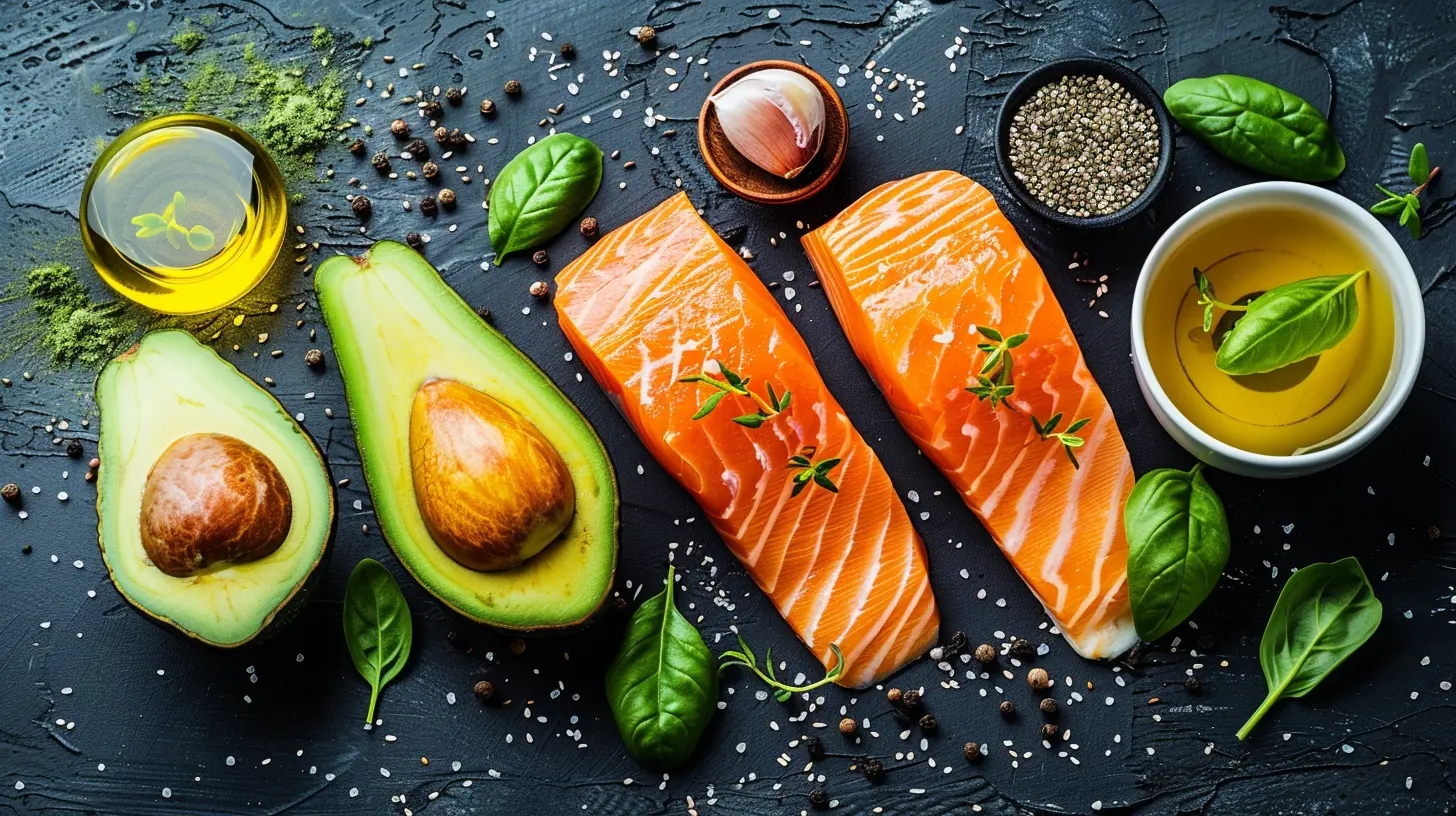
How to Use Keto-Friendly Fats & Oils in Cooking
Each fat behaves differently when heated, so knowing their smoke points (the temperature at which they start to break down) is key.| Fat/Oil | Best Use | Smoke Point |
|------------------|----------------------------|-------------|
| Coconut oil | High-heat cooking, baking | 350°F (177°C) |
| Butter/Ghee | Sautéing, roasting | 450°F (232°C) (ghee) |
| Avocado oil | Frying, grilling | 520°F (271°C) |
| Olive oil | Low-heat cooking, dressing | 375°F (190°C) |
| Tallow/Lard | Frying, roasting | 400°F (204°C) |
💡 Pro tip: Never heat delicate oils like extra virgin olive oil to high temperatures—save them for drizzling over food instead!
How Much Fat Should You Eat on Keto?
Your fat intake depends on your energy needs, but a standard keto breakdown looks like this:- 70-80% of daily calories from fat
- 15-25% from protein
- 5-10% from carbs
Instead of obsessing over macros, focus on eating healthy fats until you're satisfied. If you’re trying to lose weight, don’t go overboard—keto still works best with a caloric balance.
Common Myths About Fats on Keto
1. "Eating fat makes you fat."
Nope! Eating fat without excess carbs won’t make you fat. It’s the combination of high fat + high carbs that leads to weight gain.2. "Saturated fat causes heart disease."
New studies confirm that high-quality saturated fats don’t damage heart health. The real problem? Processed foods, sugars, and trans fats.3. "Vegetable oils are heart-healthy."
Many vegetable oils are chemically processed and high in inflammatory omega-6s. Stick to natural fats like olive oil, ghee, and butter instead.Final Thoughts
Choosing the right fats and oils on keto can make all the difference in your health, energy, and overall success.Stick to healthy sources like butter, ghee, coconut oil, avocado oil, and fatty fish, and avoid processed vegetable oils that promote inflammation.
Want to feel great while staying in ketosis? Load up on high-quality, nutrient-dense fats—your body will thank you!
all images in this post were generated using AI tools
Category:
Keto DietAuthor:

Arthur McKeever
Discussion
rate this article
2 comments
Zain Black
Ah, yes! Because who doesn’t dream of a life where their biggest dilemma is choosing between avocado oil and coconut oil? Truly living on the edge, aren’t we?
March 4, 2026 at 5:05 PM
Arthur McKeever
I get it! Finding the right fats can seem trivial, but every choice adds up on a keto journey. Enjoying the process is part of the fun!
Kael McHugh
Finally, a guide that tells me it’s okay to slather my veggies in butter! If loving fats is wrong, I don’t want to be right. Let the keto feast begin!
March 3, 2026 at 5:52 AM
Arthur McKeever
I'm glad you enjoyed it! Embracing healthy fats can make keto delicious. Happy feasting!