The Benefits of Paleo: How Ancient Eating Can Boost Your Health
4 February 2026
Ever wondered if your great-great-great (you get the idea) grandparents were onto something with their primal way of eating? Well, the Paleo diet says, “Heck yes, they were!”
The Paleo diet, also called the “caveman” or “Stone Age” diet, is more than just a trendy buzzword. It's a back-to-basics approach to eating that mimics the diet of our ancestors—full of whole, unprocessed foods that fueled hunting, gathering, and survival in the wild.
But here's the thing: even though we no longer scout the forest for dinner, our bodies still respond well to the kinds of foods we evolved eating. And guess what? Modern science is backing a lot of those benefits. So, let’s dive into why going Paleo might be one of the best things you can do for your overall health.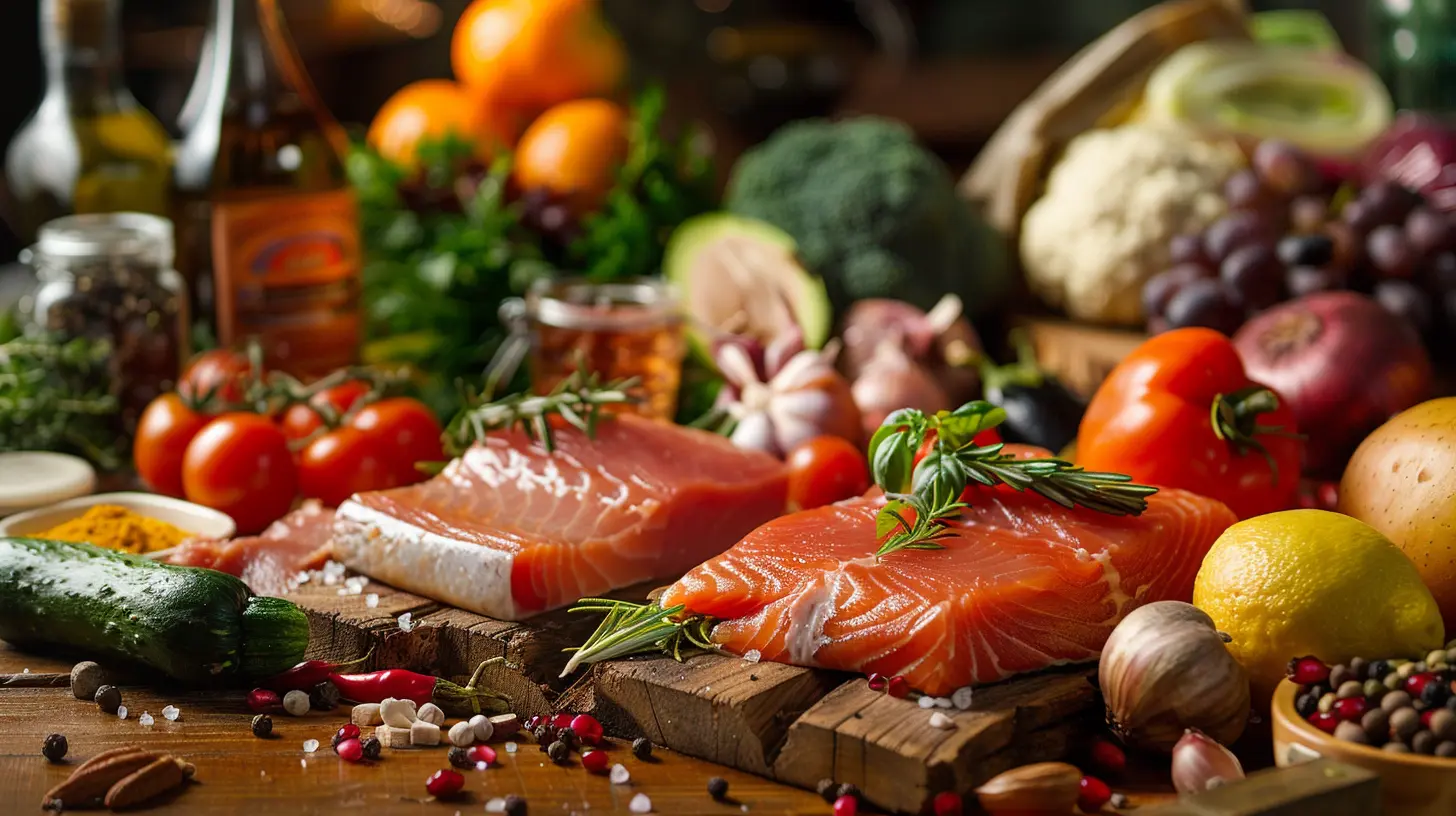
What Is The Paleo Diet, Really?
Before we get into the juicy benefits, let’s quickly cover what the Paleo diet actually is.Imagine you’re living 10,000 years ago. There are no supermarkets, no drive-throughs, and definitely no microwave meals. You're eating fresh meat, fish, fruits, veggies, nuts, and seeds. What you're not eating includes dairy, grains, legumes, processed sugar, and anything artificial.
In short:
- ✅ Yes to: Grass-fed meat, fish, eggs, leafy greens, fruits, nuts, seeds, and healthy fats like olive oil and avocado.
- ❌ No to: Dairy, grains (like wheat and rice), legumes (beans and lentils), refined sugar, processed foods, and anything with additives or preservatives.
It’s all about eating as nature intended—and your body might just thank you for it.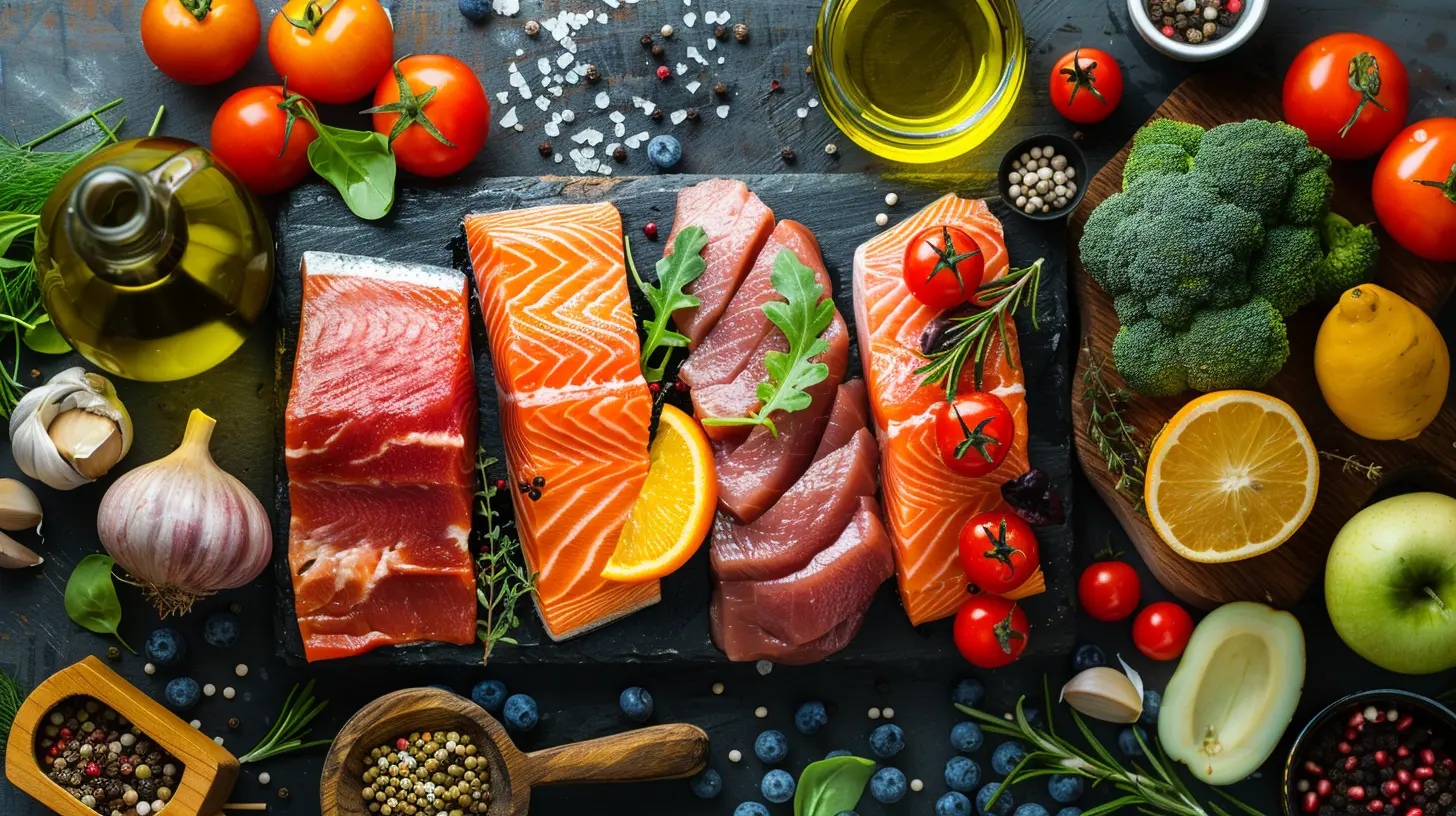
1. Clean, Real Food: No Nonsense
Let’s be honest—we all know that processed foods are kind of the villain of modern health issues. They’re packed with preservatives, added sugars, and ingredients we can't pronounce. The Paleo diet kicks all of that out the door and focuses on whole, nutrient-dense foods.When you eat Paleo, you eliminate a huge portion of the "junk" that causes inflammation, spikes your blood sugar, and messes with your gut. You’re fueling your body with the good stuff it actually knows how to process.
Think of your body like a high-performance car—it’s going to run a whole lot better on clean fuel than on sludge.
2. Reduced Inflammation = More Energy & Less Pain
Ever feel like you're dragging through the day with low energy, bloating, or random aches and pains that just don’t make sense? Chronic inflammation might be the culprit. And the food we eat plays a huge role in that.Paleo foods tend to be anti-inflammatory. You're cutting out common triggers like gluten, dairy, and refined sugar. Instead, you're filling up on veggies packed with antioxidants, omega-3-rich fish, and healthy fats.
Less inflammation means less joint pain, improved recovery after workouts, and way more energy. You might even feel like you've turned back the clock a decade or two.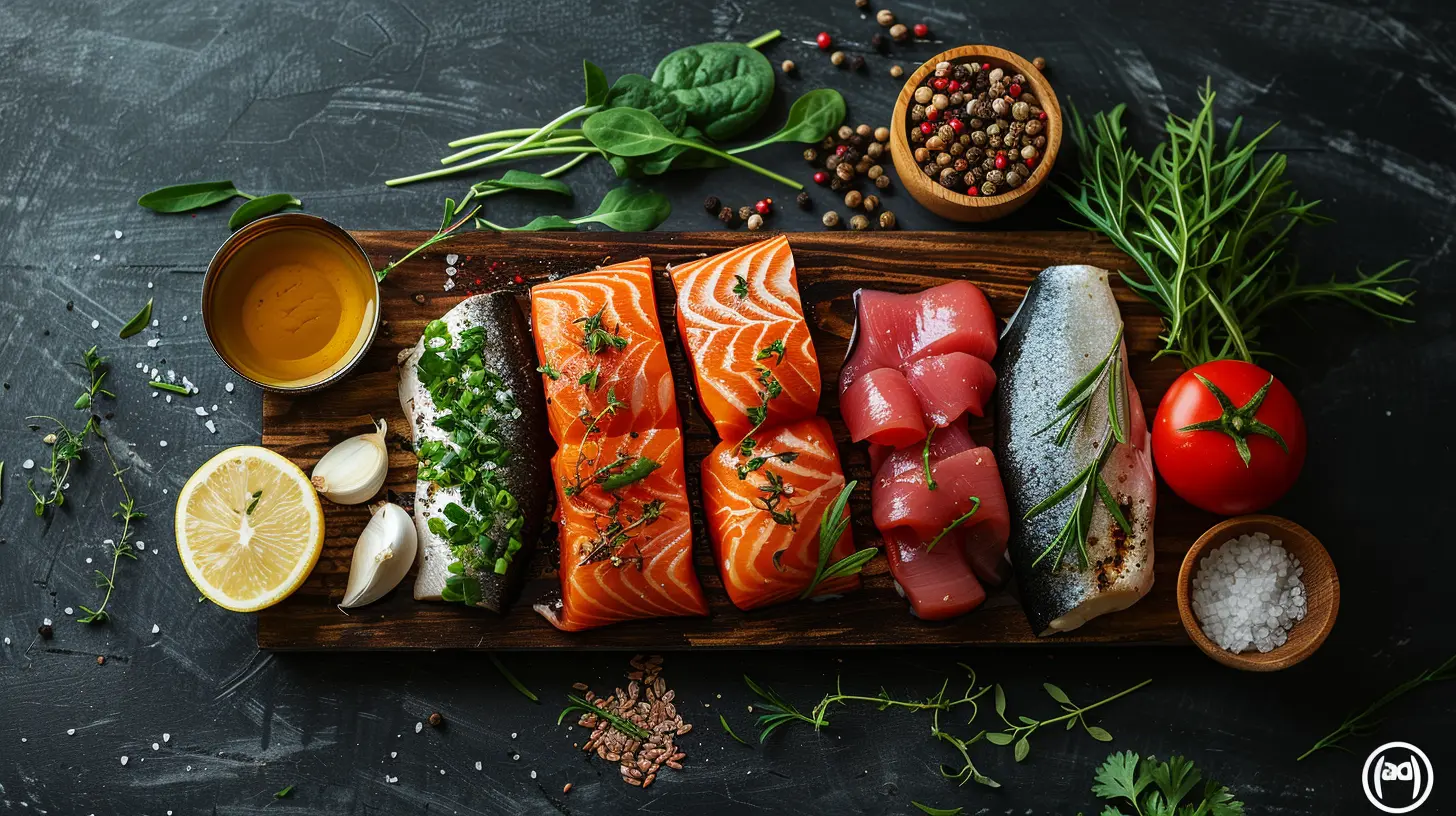
3. Better Blood Sugar Control
If your energy levels are up and down like a rollercoaster, or you get hangry when you miss a snack, your blood sugar is likely all over the place.The Paleo diet naturally keeps your blood sugar more stable. Why? Because there's no processed junk, refined grains, or sugar bombs to spike your insulin. You're fueling with protein, healthy fats, and complex carbs from veggies and fruits.
Over time, this helps regulate your metabolism, and for many people, it can even help prevent or manage conditions like insulin resistance and type 2 diabetes.
Goodbye sugar crashes, hello steady energy.
4. Weight Loss Without Starving
Here’s a game-changer: the Paleo diet doesn’t require calorie counting or portion control. That’s right—no weighing your chicken breast or measuring out your broccoli.Because you're eating whole, satisfying foods, your body naturally tells you when it’s had enough. Protein and healthy fats keep you fuller for longer, which leads to less mindless snacking and fewer cravings.
Over time, many people notice the pounds dropping off without even trying. It’s more about quality than quantity—and your body appreciates that.
5. Gut Health, Restored
Ever feel bloated, gassy, or just...off in your gut? The modern diet is full of foods that irritate the digestive system. Gluten, dairy, and legumes can be major triggers—even if you’re not technically allergic.By removing these potential gut-wreckers, the Paleo diet tends to calm the digestive system. Plus, with an emphasis on fiber-rich veggies and natural sources of probiotics (like fermented foods), you’re giving your gut the tools it needs to heal and thrive.
And when your gut is happy, your whole body benefits—mood, immunity, skin… it's all connected.
6. Improved Mental Clarity and Mood
We often forget that food affects not just our bodies but our brains too. There’s a strong link between what we eat and how we feel emotionally.The Paleo diet supports brain health by providing steady blood sugar, anti-inflammatory nutrients, and plenty of omega-3s. No more brain fog. No more 3 p.m. crashes. Just a clearer, calmer mind.
Many Paleo followers report fewer mood swings, improved mental clarity, and even relief from symptoms of anxiety and depression. That’s a big win if you ask me.
7. Sleep Like a Caveman (In the Best Way)
When your body is nourished the right way, your sleep tends to improve. Processed foods and sugar-saturated diets mess with our circadian rhythms and make it hard to fall—or stay—asleep.The nutrients found in a Paleo diet (like magnesium, potassium, and B vitamins) help regulate sleep hormones naturally. Plus, the stable blood sugar levels keep those midnight wake-ups at bay.
You might just find yourself sleeping deeper, waking up refreshed, and actually looking forward to mornings again.
8. Stronger Immune System
Who doesn't want fewer sick days?Paleo foods are loaded with vitamins, minerals, and antioxidants your immune system craves. Add in the gut health benefits and lower inflammation we talked about earlier, and you’ve got a recipe for a stronger defense against colds, flus, and even chronic illness.
Think of the Paleo diet as building up your body’s immune fortress—brick by solid brick of real food.
9. You’re Not Just Eating. You're Thriving.
Let’s zoom out for a second. The Paleo diet isn’t a strict set of rules—it’s more like a lifestyle shift. Something amazing happens when you consistently feed your body the way it was designed to be fueled.You start to feel more connected to your food, more energized, more intuitive. You’re no longer eating just to survive—you’re eating to thrive.
It's not about being perfect. It's about being intentional. Listening to your body, cutting the crap, and going back to the basics.
Tips to Ease Into Paleo (Without Losing Your Mind)
Thinking of trying the Paleo diet but feel like it’s too restrictive? Don’t worry, you don’t have to go full caveman overnight. Here are a few simple ways to dip your toes in:- Start with one Paleo meal a day – Swap your usual breakfast with eggs, avocado, and some fruit.
- Clean out your pantry – Say goodbye to the cookies, cereals, and pasta that don’t serve you.
- Focus on what you CAN have – There’s a lot more variety in Paleo than people think. Try experimenting with sweet potatoes, coconut flour, and almond butter.
- Plan your meals – Being unprepared can set you back. A little planning goes a long way.
Give it two weeks. Really commit. Your body will notice the difference.
Is Paleo Right for Everyone?
Good question. Like any diet, Paleo isn’t a one-size-fits-all solution. People with specific health conditions or athletic needs might need to tweak it.That said, the core principles—eating more real food, cutting out processed junk, and focusing on nutrients—are solid advice for just about anyone.
You can always modify it to suit your lifestyle. Maybe you add in occasional legumes or opt for raw dairy. The focus should always be on nourishment, not restriction.
Final Thoughts: Go Back to Go Forward
Sometimes, the best way to move forward with your health is to take a few steps back—in time. The Paleo diet is less about chasing the next big thing, and more about honoring what’s always worked: real food, nature’s food, the kind of eating our ancestors did without thinking twice.You don’t need to hunt your own dinner or live in a cave to benefit from ancient eating.
Start small. Be consistent. And most importantly? Pay attention to how you feel.
Because once you start feeling good—like, really good—you’ll never look back.
all images in this post were generated using AI tools
Category:
Paleo DietAuthor:

Arthur McKeever
Discussion
rate this article
2 comments
Solaria O'Neal
Embracing the Paleo diet can lead to increased energy, improved digestion, and better weight management. By focusing on whole foods and eliminating processed options, you can nourish your body and support overall wellness. Give it a try!
February 19, 2026 at 3:44 AM
Arthur McKeever
Thanks for sharing your thoughts! Many people find real benefits with the Paleo diet. It's great to see more focus on whole foods for better health.
Nix Collins
This article offers valuable insights into the Paleo diet and its potential health benefits. I appreciate the well-researched points presented, making it easier for readers to consider how ancient eating practices might enhance their well-being.
February 4, 2026 at 5:32 AM
Arthur McKeever
Thank you for your thoughtful feedback! I'm glad you found the insights valuable and helpful for considering the Paleo diet.