Reducing Childhood Injury Risk During Sports and Play
4 August 2026
Keeping kids active is one of the best things we can do for their health, but let's be honest—sports and playtime come with their fair share of bumps and bruises. While we can’t wrap them in bubble wrap (tempting, right?), we can take steps to minimize serious injuries and keep playtime fun and safe.
From scraped knees to twisted ankles, injuries are often part of childhood. But some can be more serious, leading to long-term health concerns. So, how do we keep our little MVPs safe while they run, jump, and explore? Let’s dive in.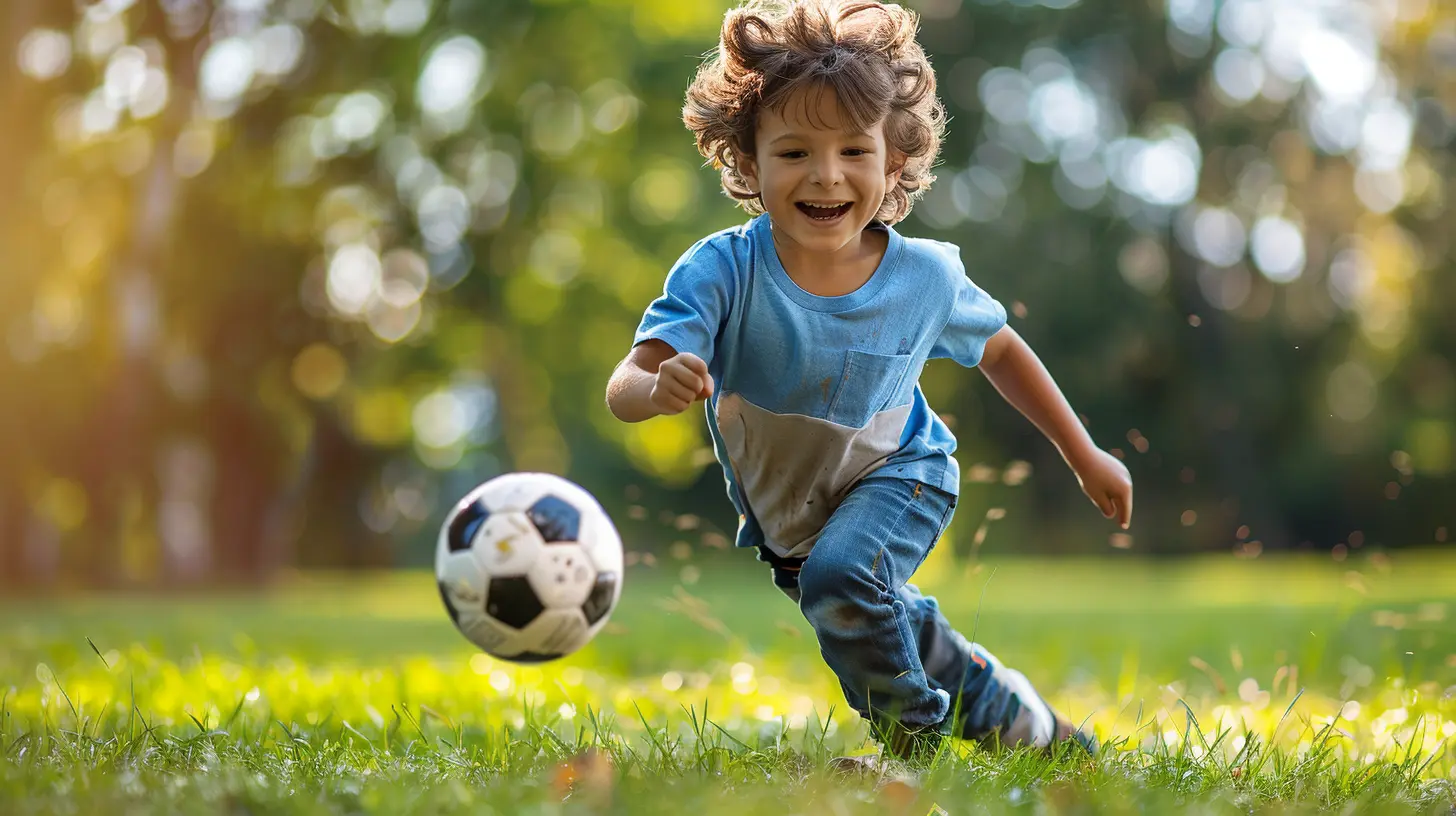
Why Injury Prevention Matters
Kids are naturally energetic, daring, and often unaware of risks. Their growing bodies are also more vulnerable to injuries, as their bones, muscles, and ligaments are still developing. According to the CDC, nearly 3 million kids end up in the emergency room each year due to sports-related injuries.But here’s the good news—most of these injuries are preventable. Proper precautions can significantly reduce the risks while still allowing kids to develop strength, coordination, and confidence.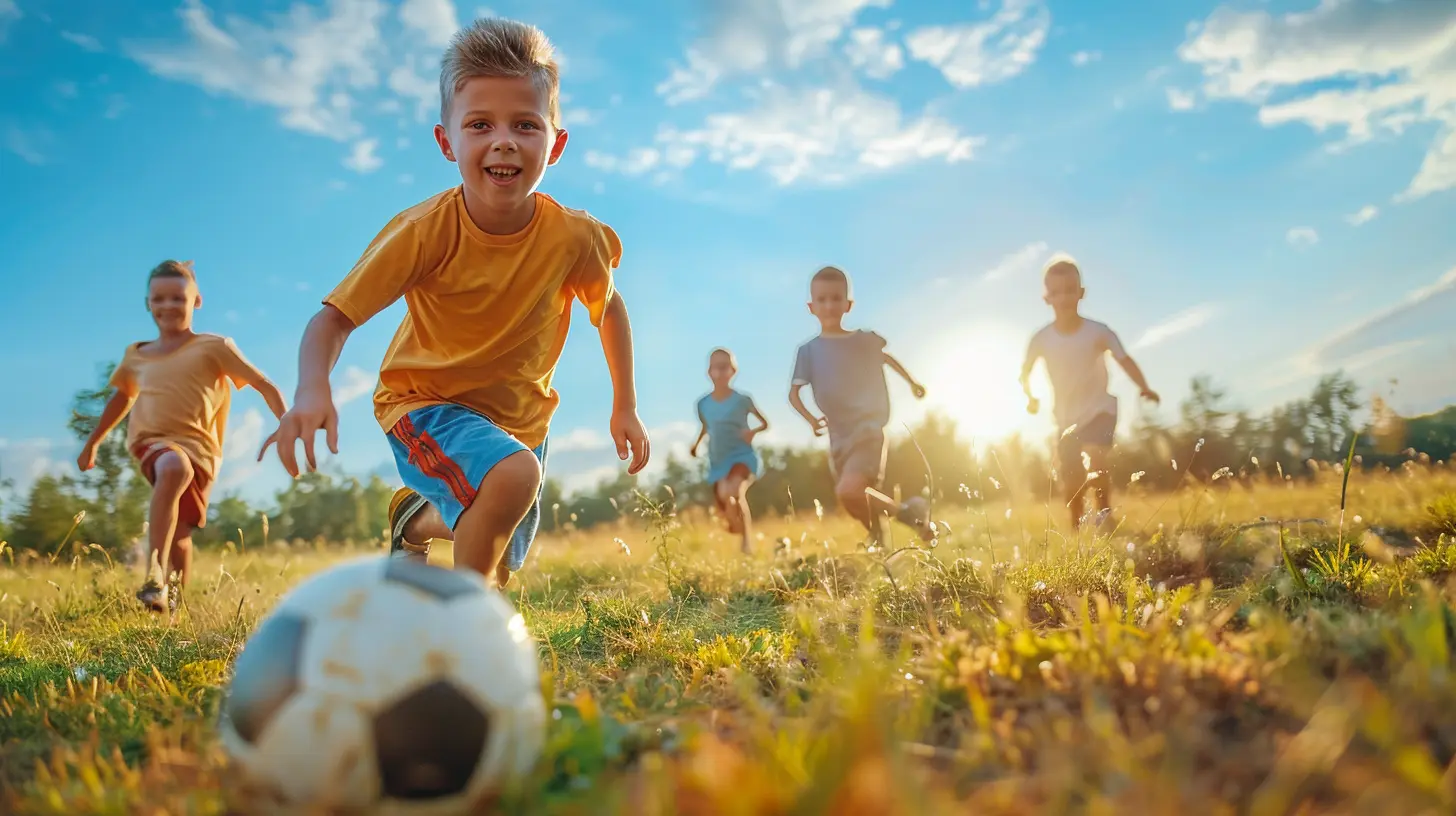
Common Childhood Injuries in Sports and Play
Before we talk about prevention, let’s take a look at some of the most common injuries kids experience while being active.1. Sprains and Strains
These happen when ligaments (sprains) or muscles and tendons (strains) stretch too far or tear. Ankles, wrists, and knees are common problem areas.2. Fractures (Broken Bones)
Falls, collisions, or excessive force can lead to fractures—particularly in the arms, legs, or collarbone.3. Concussions
Head injuries can occur in contact sports like football, soccer, or even playground activities. Concussions need immediate attention, as they can impact brain health.4. Cuts, Scrapes, and Bruises
These are the most minor type of injuries, but they still require cleaning and care to prevent infection.5. Overuse Injuries
When kids repeatedly use certain muscles or joints without proper rest, they can develop conditions like shin splints or stress fractures.Now that we’ve covered the risks, let’s talk about ways to prevent them.
How to Reduce Injury Risk During Sports and Play
1. Encourage Warm-Ups and Cool-Downs
Jumping straight into action without preparing the muscles is like pushing a car to full speed without warming up the engine—bad idea.- A proper warm-up (like light jogging or dynamic stretches) gets the blood flowing and muscles ready.
- A cool-down (gentle stretching) helps prevent stiffness and speeds up recovery.
2. Choose the Right Gear and Equipment
The right equipment can make all the difference when it comes to injury prevention.- Helmets are a must for biking, skating, and contact sports.
- Shin guards help protect against blows in soccer.
- Mouthguards prevent dental injuries in high-contact sports.
- Supportive footwear reduces the risk of ankle sprains and foot injuries.
Make sure gear fits properly—oversized helmets or worn-out shoes can do more harm than good.
3. Supervise and Set Ground Rules
Kids love to push limits, so having a watchful eye and setting clear boundaries helps keep them safe.- Teach them to follow the rules of the game—rules exist for a reason!
- Keep an eye on younger children playing on jungle gyms, swings, or trampolines to ensure they use the equipment safely.
- Encourage sportsmanship—playing rough increases the risk of injuries.
4. Ensure Proper Playing Surfaces
Where kids play matters just as much as how they play.- Grass or turf is better than concrete for reducing impact injuries.
- Playgrounds should have soft landing surfaces like wood chips, rubber mats, or sand to cushion falls.
- Avoid playing in slippery or uneven areas that can lead to falls and twisted ankles.
5. Teach Kids to Listen to Their Bodies
No game is worth pushing through serious pain. Teach kids that:- Pain isn’t normal—if something hurts, they should stop.
- Rest is just as important as play—overuse injuries come from not giving muscles time to recover.
- Hydration matters—dehydrated muscles cramp more easily, leading to injuries.
Encourage them to speak up when they’re not feeling right. A little rest now can prevent bigger problems later.
6. Encourage Cross-Training and Rest Days
Focusing on just one sport year-round? That can lead to overuse injuries. Mixing up activities builds different muscle groups and prevents repetitive strain.- Try different sports to improve overall fitness.
- Schedule rest days to allow the body to recover.
- Avoid excessive training—kids shouldn’t be working out like pro athletes.
7. Prioritize Strength and Flexibility Training
Strong muscles provide better support for joints, reducing the risk of sprains and strains.- Core exercises (like planks) help with balance.
- Leg and arm strengthening (bodyweight squats, push-ups) supports joints.
- Flexibility training (yoga, stretching) keeps muscles limber.
Even simple exercises like hopping on one foot or balancing on a cushion can build strength and coordination.
8. Educate on Concussion Awareness
If a kid takes a hard hit to the head, don’t ignore it. Concussions don’t always show immediate symptoms, so parents and coaches should know the warning signs:- Dizziness or confusion
- Headache or nausea
- Sensitivity to light or noise
- Trouble concentrating
If a concussion is suspected, immediate rest is crucial. Never let kids return to play too soon—brain injuries need time to heal.
9. Foster a Positive Attitude Toward Injury Prevention
Kids are more likely to follow safety measures if they understand why they matter. Make it fun!- Turn stretching into a game.
- Let them pick their own safety gear (cool helmets, funky knee pads).
- Praise them for smart choices—like taking a break when they feel tired.
Prevention doesn’t have to feel like a chore. When kids view safety as an essential part of sports and play, they’ll be more likely to follow through.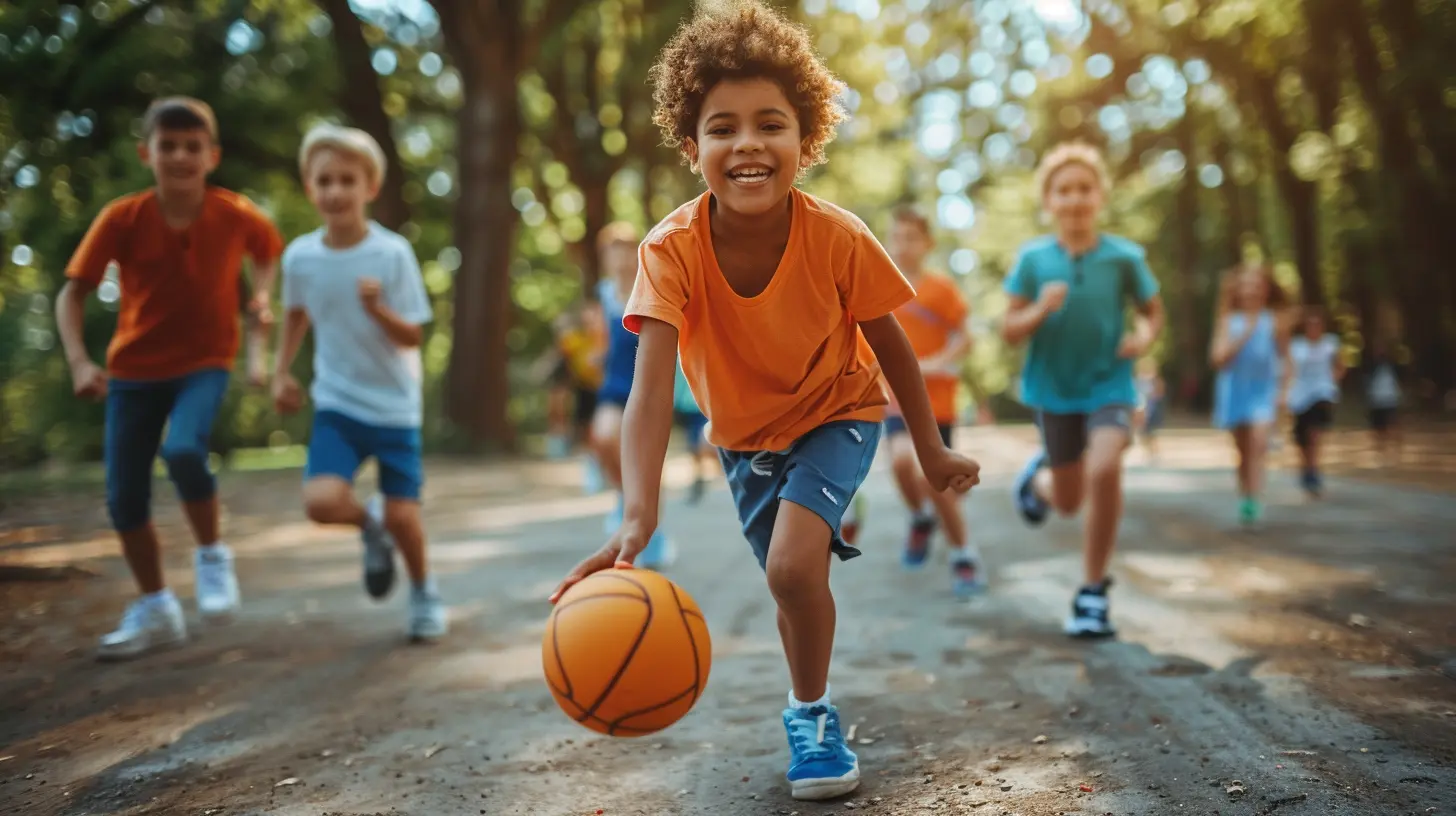
Final Thoughts
At the end of the day, we want our kids to have fun, stay active, and be safe. While we can’t eliminate all risks, we can reduce the chances of serious injuries with simple precautions.By encouraging warm-ups, using proper gear, supervising play, and teaching kids to listen to their bodies, we create a safer environment for them to enjoy sports and playtime. Because at the heart of it all, childhood should be about adventure, not injury recovery!
So, lace up those sneakers, grab that helmet, and let them play smart.
all images in this post were generated using AI tools
Category:
Pediatric HealthAuthor:

Arthur McKeever