Nutritional Deficiencies That Could Be Sabotaging Your Energy
24 May 2026
Do you feel like you're constantly running on empty? Struggling to power through the day no matter how much sleep you get? You’re not alone. Many people experience chronic fatigue without realizing that the culprit might be hidden in their diet.
Your body is like a machine—it needs the right fuel to function properly. If you're missing key nutrients, your energy levels can take a serious hit. Let’s break down the common nutritional deficiencies that could be draining your energy and how you can turn things around. 
1. Iron Deficiency: The Silent Energy Killer
Iron is essential for carrying oxygen throughout your body. If you're not getting enough, your cells don’t receive the oxygen they need to produce energy efficiently. The result? Fatigue, weakness, and even dizziness.Signs of Iron Deficiency
- Persistent fatigue- Shortness of breath
- Pale skin
- Brittle nails
- Frequent headaches
Who’s at Risk?
- Women (especially those with heavy periods)- Vegetarians and vegans
- People with digestive disorders (like celiac or Crohn’s disease)
How to Boost Your Iron Levels
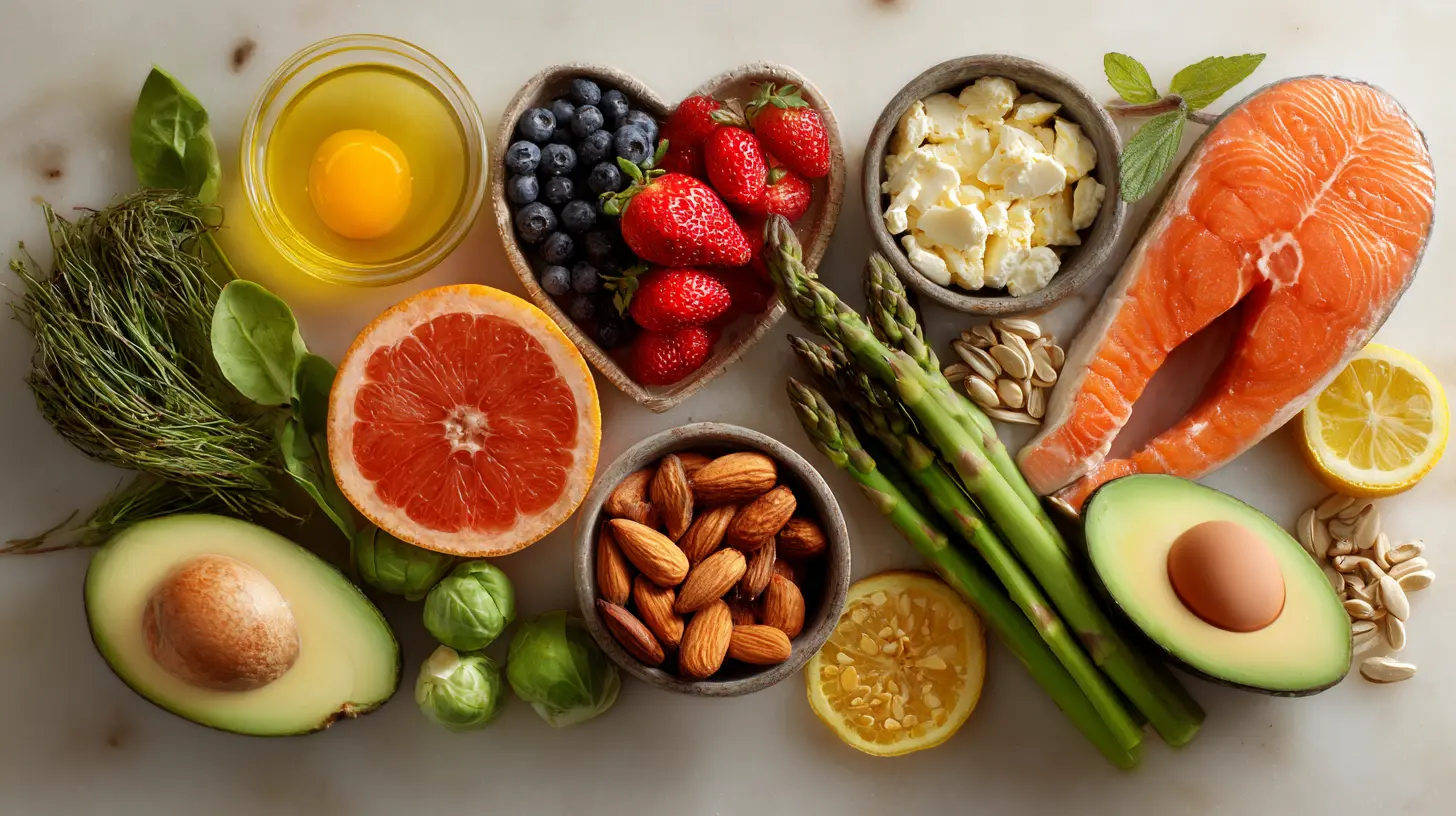
- Eat iron-rich foods like red meat, spinach, lentils, and tofu.- Pair iron sources with vitamin C (like oranges or bell peppers) to boost absorption.
- Avoid drinking coffee or tea with meals—it can hinder iron absorption.
2. Vitamin B12 Deficiency: The Brain Fog Culprit
Vitamin B12 plays a crucial role in energy production and brain function. When you’re low on B12, you might feel sluggish, foggy-headed, and downright exhausted.Signs of Vitamin B12 Deficiency
- Extreme tiredness- Tingling in hands and feet
- Memory problems
- Mood swings
- Weakness
Who’s at Risk?
- Vegans and vegetarians (since B12 is mainly found in animal products)- Older adults (absorption decreases with age)
- People with gut issues (like IBS or gastric bypass patients)
How to Replenish Your B12 Levels
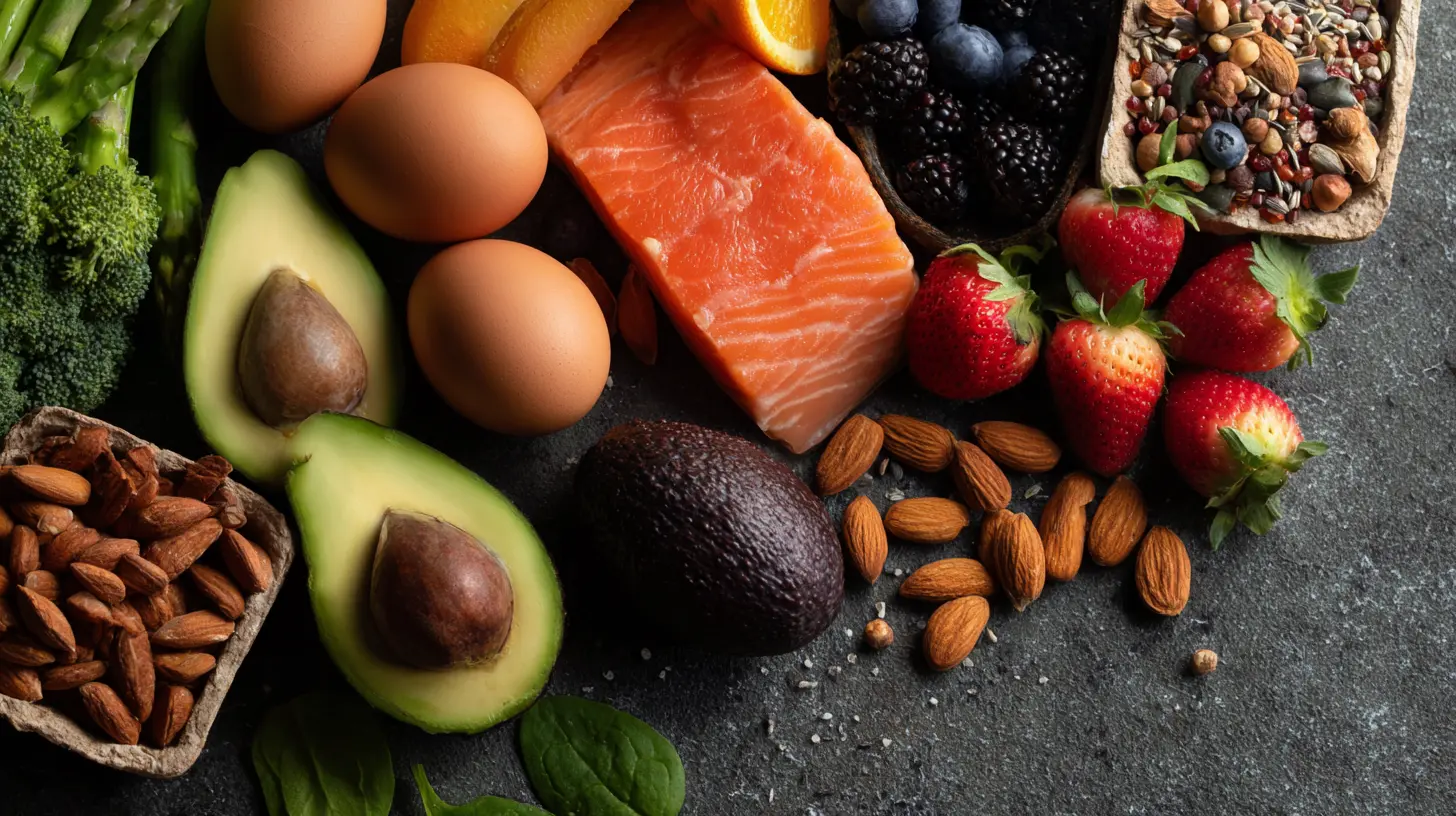
- Eat more B12-rich foods like eggs, dairy, fish, and meat.- Consider fortified cereals and plant-based milk.
- If necessary, take a B12 supplement or get B12 injections under a doctor’s guidance.
3. Magnesium Deficiency: The Stress-Fatigue Loop
Magnesium is often overlooked, but it plays a huge role in energy production and muscle function. If you’re constantly feeling tired and stressed, you might not be getting enough.Signs of Magnesium Deficiency
- Chronic fatigue- Muscle cramps or spasms
- Anxiety and irritability
- Insomnia
- High blood pressure
Who’s at Risk?
- People with high-stress lifestyles- Those who consume excessive caffeine or alcohol
- Individuals with digestive conditions that impair absorption
How to Increase Your Magnesium Intake
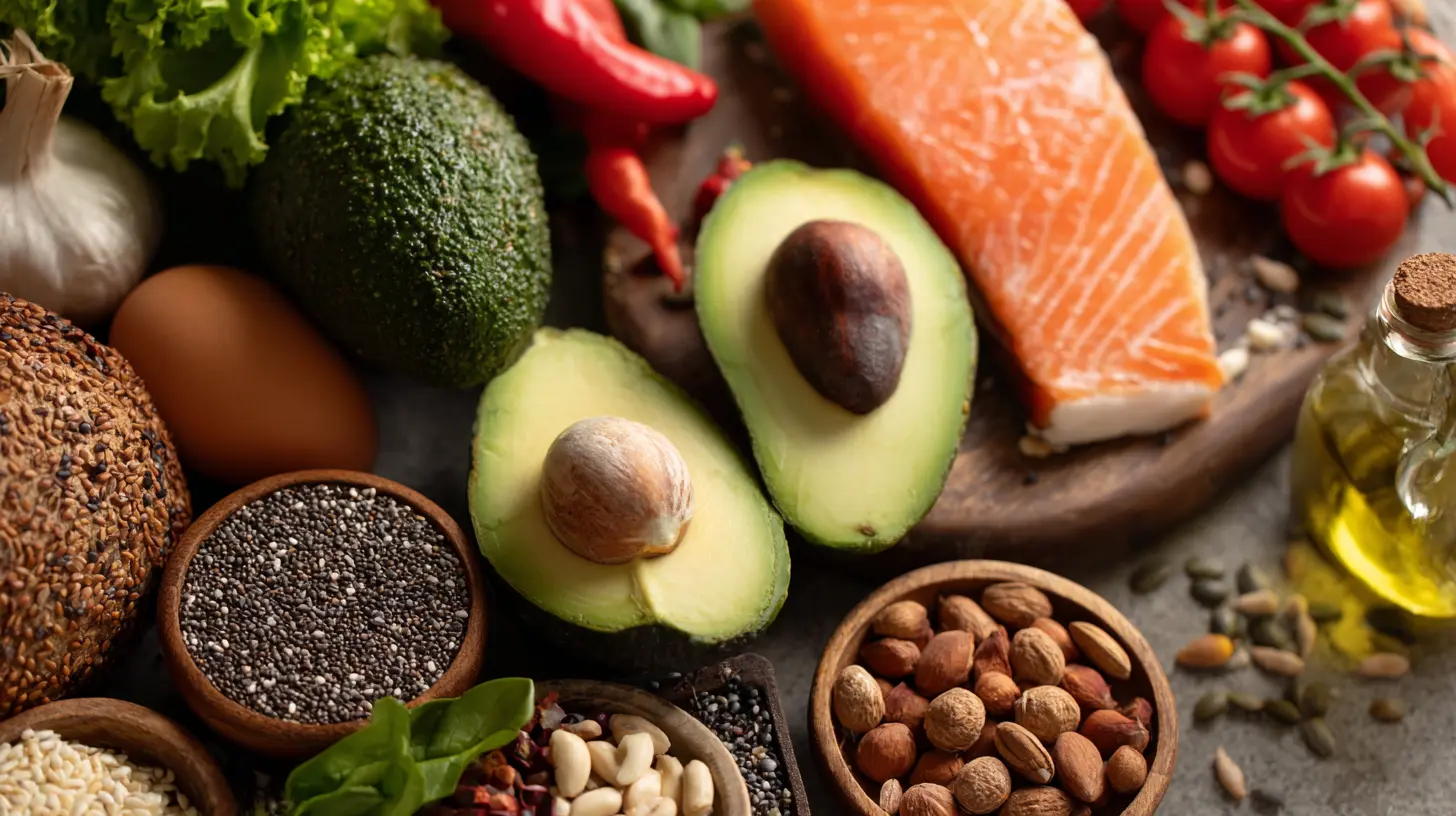
- Eat magnesium-rich foods like almonds, avocado, spinach, and dark chocolate.- Try an Epsom salt bath—magnesium can be absorbed through the skin!
- Consider a high-quality magnesium supplement if needed.
4. Vitamin D Deficiency: The "Sunshine" Vitamin Problem
Vitamin D is essential for energy, mood, and immune support. Low levels can cause tiredness, weak muscles, and even depressive symptoms.Signs of Vitamin D Deficiency
- Low energy levels- Bone pain or muscle weakness
- Frequent illnesses
- Feeling down or moody
Who’s at Risk?
- People who spend most of their time indoors- Those living in colder climates with little sunlight
- Individuals with darker skin tones (which naturally produce less vitamin D)
How to Boost Your Vitamin D Levels
- Spend at least 15-30 minutes in the sun each day.- Eat vitamin D-rich foods like salmon, eggs, and fortified dairy products.
- Take a vitamin D supplement if necessary (especially in winter months).
5. Omega-3 Deficiency: The Hidden Cause of Fatigue
Omega-3 fatty acids help fight inflammation, keep your brain sharp, and support energy levels. A deficiency can leave you feeling drained and mentally sluggish.Signs of Omega-3 Deficiency
- Fatigue and low energy- Dry skin and brittle hair
- Brain fog or memory issues
- Joint pain
- Mood swings
Who’s at Risk?
- People who don’t eat enough fatty fish or plant-based sources of omega-3s- Those following low-fat diets
- Individuals with inflammatory conditions
How to Get More Omega-3s
- Eat more fatty fish like salmon, mackerel, and sardines.- Add flaxseeds, walnuts, and chia seeds to your diet.
- Consider a high-quality fish oil or algae-based supplement.
6. Potassium Deficiency: The Electrolyte Imbalance
Potassium helps regulate fluid balance and prevent muscle weakness. If you’re low on potassium, you might feel fatigued and sluggish.Signs of Potassium Deficiency
- Muscle weakness- Fatigue
- Irregular heartbeat
- Cramps or muscle spasms
Who’s at Risk?
- People who sweat excessively (athletes, those in hot climates)- Individuals with kidney disease
- Those consuming a diet high in processed foods
How to Get More Potassium
- Eat bananas, sweet potatoes, spinach, and avocados.- Stay hydrated—proper fluid balance helps maintain potassium levels.
- Limit excessive processed food intake, which can throw off electrolyte balance.
7. Folate Deficiency: The Hidden Energy Drain
Folate (or vitamin B9) helps your body create new cells and supports energy metabolism. A deficiency can lead to chronic exhaustion and even anemia.Signs of Folate Deficiency
- Persistent fatigue- Memory and concentration issues
- Shortness of breath
- Weakness
Who’s at Risk?
- Pregnant women (higher folate needs)- People with alcohol dependence
- Individuals with digestive disorders limiting nutrient absorption
How to Increase Your Folate Intake
- Eat leafy greens like spinach and kale.- Include beans, lentils, and citrus fruits in your diet.
- Take a folic acid supplement if needed, especially if pregnant.
Final Thoughts: Energize Your Life Naturally
If you’re feeling constantly drained, don’t just brush it off as "normal." Fatigue is your body’s way of signaling that something might be off. By identifying and correcting these nutritional deficiencies, you can reclaim your energy and start feeling your best again.So, take a closer look at your diet—are you missing out on these essential nutrients? A few simple changes, like adding more whole foods and considering supplements when necessary, can make all the difference. Your energy levels (and overall well-being) will thank you!
all images in this post were generated using AI tools
Category:
Energy BoostAuthor:

Arthur McKeever
Discussion
rate this article
1 comments
Harlow Whitaker
Oh great, more reasons to blame my fatigue. I guess I'll just add "nutrient detective" to my resume now!
May 24, 2026 at 3:18 AM
Arthur McKeever
I hear you! It can feel overwhelming, but understanding your body's needs is a step in the right direction. Stay curious!