Nickel: A Quiet Contributor to Health
14 July 2026
When we think about essential minerals, we usually focus on big names like iron, calcium, and magnesium. But what about nickel? It rarely makes headlines, yet this trace element plays a surprisingly important role in our well-being. Though we only need minuscule amounts, nickel is still vital for various biological processes.
So, what exactly does nickel do in our bodies? And how can we ensure we're getting enough (but not too much) of it? Let's break it all down.

What Is Nickel?
Nickel is a naturally occurring metal found in soil, water, air, and even in tiny amounts within our bodies. It’s considered a trace mineral, meaning we only require it in small doses. But despite its low concentration, nickel contributes significantly to several enzymatic and metabolic functions.Interestingly, nickel is also found in many foods we eat. It may not be as well-known as iron or zinc, but it plays a supporting role in human health that’s worth understanding.

Why Is Nickel Important for Health?
Nickel might not be a household name when it comes to nutrition, but it has several critical functions in the body:1. Supports Enzyme Activity
Nickel helps certain enzymes function properly. These enzymes are responsible for essential biochemical reactions, including digestion and energy production. Without nickel, these processes would slow down, potentially affecting metabolism and overall health.2. Aids in Iron Absorption
Did you know that nickel plays a role in iron metabolism? It helps regulate iron absorption and usage in the body. Since iron is crucial for forming red blood cells and preventing anemia, nickel indirectly supports oxygen transport in the bloodstream.3. Promotes Hormonal Balance
Nickel is involved in several hormonal processes, including insulin regulation. While it's not a primary player like chromium, it still contributes to maintaining blood sugar levels.4. Boosts Immune Function
Nickel has been linked to immune system support. Some studies suggest that it might assist in activating certain immune responses, helping the body fend off infections and maintain overall health.5. Supports DNA & RNA Structure
DNA and RNA are the blueprints of life, and nickel plays a minor yet crucial role in preserving their stability. This function is especially important for cell regeneration and repair.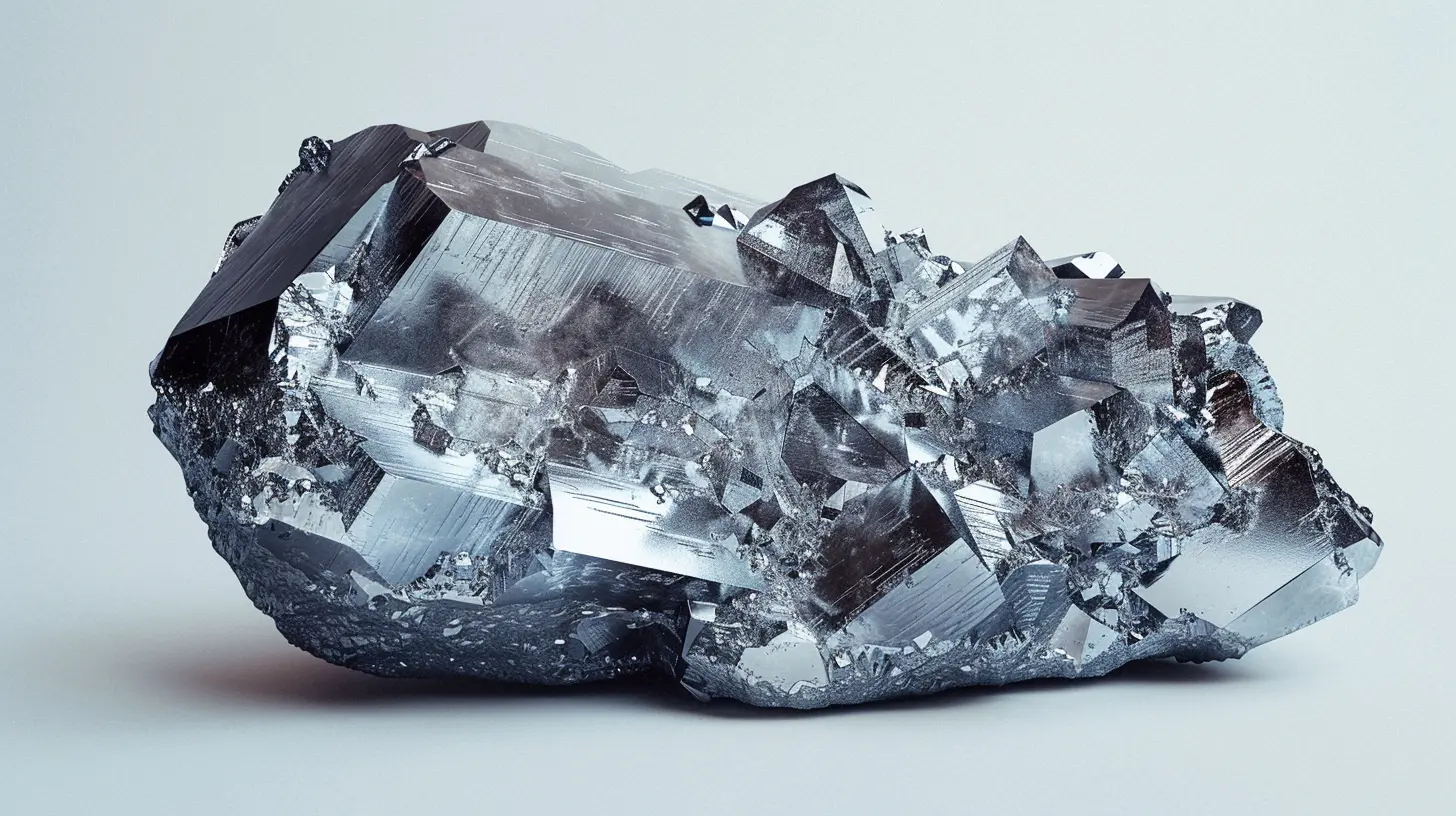
How Much Nickel Do You Need?
Since nickel is a trace element, we don't need large amounts to maintain good health. The recommended daily intake isn’t officially established, but experts estimate that adults consume between 25 to 35 micrograms per day through diet alone.Generally, our food provides enough nickel without requiring supplements. However, those with certain medical conditions or dietary restrictions may need to monitor their intake more closely.
Best Food Sources of Nickel
A balanced diet naturally contains small amounts of nickel. Here are some of the best dietary sources:1. Whole Grains
Foods like oats, barley, and whole wheat contain a decent supply of nickel, making them excellent options for maintaining adequate levels.2. Nuts and Seeds
Almonds, hazelnuts, cashews, and sunflower seeds are packed with nickel. If you're looking for a natural way to increase your intake, adding these to your diet is a great idea.3. Legumes and Beans
Lentils, chickpeas, and soybeans contain significant amounts of nickel. These plant-based protein sources provide additional health benefits, such as fiber and essential vitamins.4. Leafy Green Vegetables
Spinach, kale, and lettuce offer a moderate amount of nickel. Plus, they come with a wealth of other nutrients, making them a great addition to any meal.5. Chocolate and Cocoa Products
Chocolate lovers, rejoice! Dark chocolate and cocoa-based products naturally contain nickel. While it’s important to eat them in moderation, they offer a tasty way to get a small boost of this trace mineral.6. Shellfish
Seafood like oysters and mussels provide nickel in small amounts. Bonus: they’re also rich in zinc, another essential mineral for overall wellness.Can You Get Too Much Nickel?
While nickel is important, excessive amounts can be harmful. Overexposure—usually from environmental or occupational sources rather than diet—can lead to nickel toxicity.Common signs of excessive nickel exposure include:
- Skin allergies and rashes (such as nickel dermatitis)
- Nausea and stomach discomfort
- Lung or respiratory issues (in cases of industrial exposure)
Those with nickel allergies (often triggered by jewelry and coins) should be extra cautious about high-nickel foods, as consuming too much may lead to unwanted reactions.
Who Should Be Cautious?
Certain individuals should monitor their nickel intake more carefully:- People With Nickel Allergies: If you react to nickel-containing jewelry, you may also be sensitive to high-nickel foods.
- Individuals with Kidney Disease: Since the kidneys filter excess minerals, those with kidney problems should limit nickel intake to avoid potential complications.
- Workers in Industrial Settings: People exposed to high levels of nickel in factories or mining environments might absorb more than they should, leading to potential toxicity.
Should You Take Nickel Supplements?
For most people, nickel supplements aren’t necessary. A well-balanced diet typically provides enough. However, in rare cases where deficiencies are suspected (such as in certain metabolic disorders), a healthcare provider may recommend supplementation—though this is uncommon.Before considering supplements, it's always best to consult with a doctor. Too much of any mineral—even essential ones—can cause imbalances and health issues.
Final Thoughts
Nickel might not be the first mineral you think of when discussing health, but it quietly plays a crucial role in supporting enzyme activity, iron absorption, immune function, and hormonal balance. Thankfully, most of us get just the right amount from everyday foods like whole grains, nuts, and leafy greens.However, too much exposure—especially from industrial sources—can be harmful. If you suspect a nickel allergy or work in an environment with heavy nickel exposure, it’s worth keeping an eye on your intake.
At the end of the day, maintaining a diverse and nutrient-rich diet is the best way to ensure you're getting all the essential minerals your body needs—including this often-overlooked yet vital trace element.
all images in this post were generated using AI tools
Category:
MineralsAuthor:

Arthur McKeever