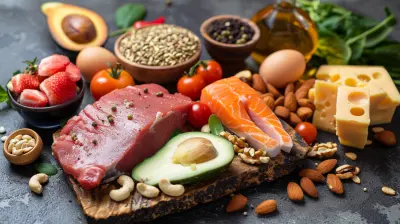
Keto Diet for Women: Unique Challenges and How to Overcome Them
11 March 2026
The keto diet has transformed countless lives, helping people shed pounds, regain energy, and improve overall health. But if you're a woman trying to navigate keto, you may notice it's not always smooth sailing. Women's bodies respond differently to low-carb diets, and hormonal fluctuations, metabolism, and even menstrual cycles can present unique challenges.
So, should women just give up on keto? Absolutely not! With the right approach, you can make keto work for you and enjoy its incredible benefits. Let’s dive into the challenges women face on keto and, more importantly, how to overcome them.

Why Women’s Bodies React Differently to Keto
Men and women are biologically different, and that plays a huge role in how the body adapts to keto. Women’s bodies are more sensitive to calorie restriction and carbohydrate intake because of their hormonal cycles. While keto can improve insulin sensitivity and help with weight loss, it may also disrupt hormones if not done correctly.Before you throw in the towel, know this: Keto can work for women—it just requires a slightly different approach. Let’s break down the most common challenges and the solutions to keep you thriving on keto. 
1. Hormonal Imbalance on Keto
The Challenge
Women’s hormones—especially estrogen and progesterone—are highly sensitive to dietary changes. A strict keto diet can sometimes lower estrogen levels, leading to symptoms like irregular periods, mood swings, fatigue, and even hair loss.Sudden carb restriction can also stress your adrenal glands, which produce cortisol (the stress hormone). If cortisol levels stay high for too long, it can lead to weight gain, cravings, and fatigue.
How to Overcome It
- Don’t go too low on carbs. Women tend to do better with a modified keto diet, which includes more fiber-rich carbs from veggies and berries (around 50-75 grams of net carbs per day instead of the ultra-strict 20 grams).- Prioritize healthy fats. Avocados, nuts, seeds, and olive oil support hormone production and keep your body running smoothly.
- Reduce stress. Chronic stress worsens hormone imbalances. Practices like yoga, meditation, and deep breathing help keep cortisol levels in check.
- Consider carb cycling. Adding more carbs (healthy ones!) one or two days a week can help your hormones stay balanced while still giving you the benefits of keto.

2. Struggles with Energy Levels
The Challenge
Many women experience keto flu—that sluggish, drained feeling when switching to keto. But beyond this adjustment phase, some women still struggle with low energy, especially if they over-restrict carbs or calories.You need fuel to function, and if you’re not eating enough, your body will start fighting back with fatigue, brain fog, and even mood swings.
How to Overcome It
- Eat enough calories! Many women unintentionally under-eat on keto because fat is so filling. Make sure you're getting enough food to fuel your body.- Hydrate like it’s your job. Keto flushes out water and electrolytes, which can cause weakness and dizziness. Increase your intake of sodium, potassium, and magnesium.
- Ease into keto. If you're switching from a high-carb diet, try reducing carbs gradually instead of going cold turkey.
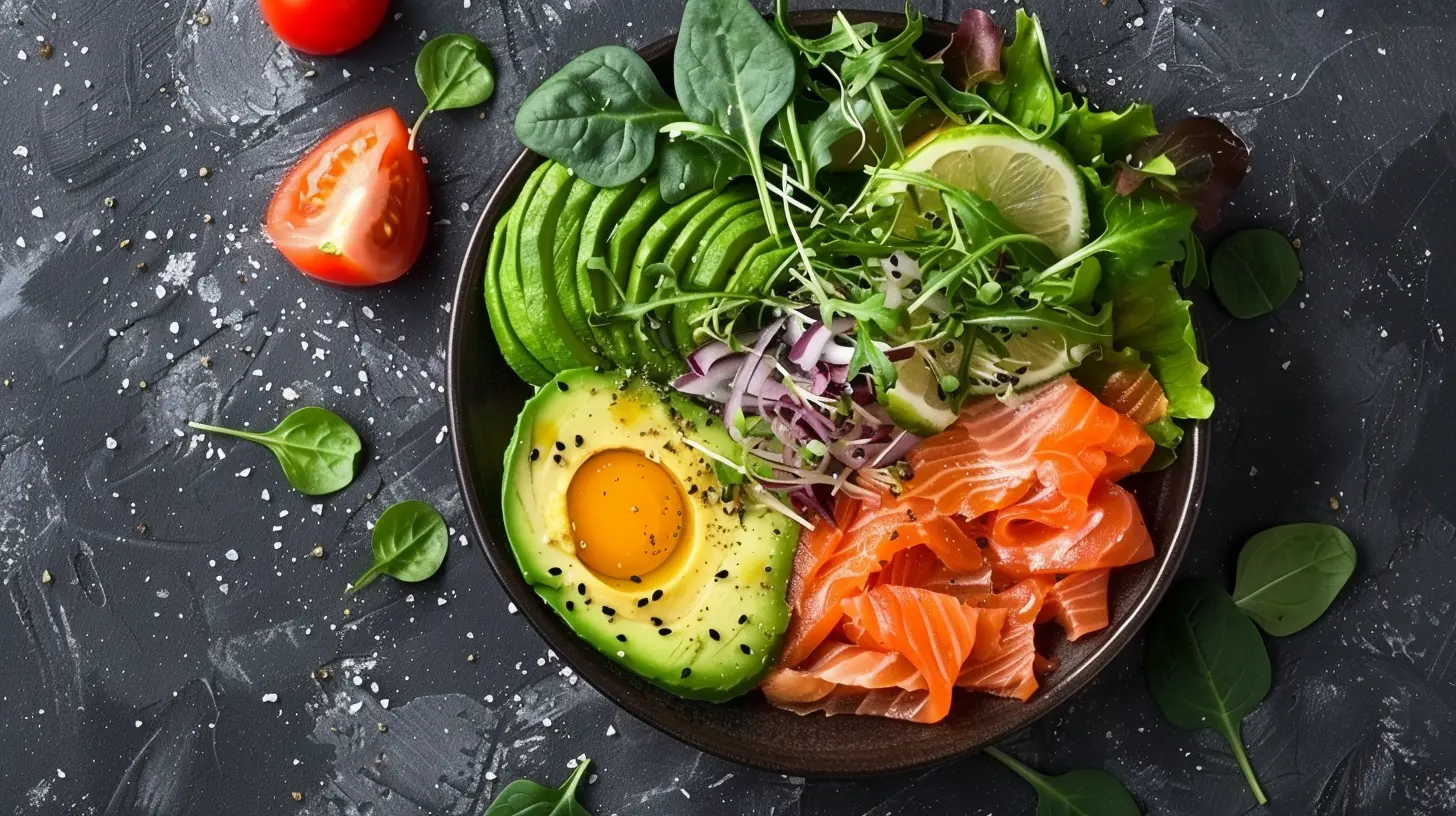
3. Stubborn Weight Loss (or Weight Gain!)
The Challenge
Keto is famous for helping people lose weight, but some women find themselves gaining weight or hitting a frustrating plateau.What gives? This often happens because of hormonal imbalances, stress, or eating too many (or too few) calories.
How to Overcome It
- Don’t rely only on the scale. Your body composition could be changing—you might be losing fat while gaining muscle. Instead of obsessing over the scale, track inches, body fat percentage, or how your clothes fit.- Dial in portion control. While counting calories isn’t always necessary, some women unknowingly overconsume keto-friendly foods (like nuts or cheese), which can lead to weight gain.
- Focus on whole, nutrient-dense foods. Highly processed low-carb snacks and indulgent keto desserts can stall progress. Stick to whole meats, veggies, and healthy fats.
- Check your fasting habits. Intermittent fasting works wonders for some, but it can also stress the body and slow metabolism, especially for women. Listen to your body and adjust accordingly.
4. Digestive Issues on Keto
The Challenge
Switching to keto can wreak havoc on digestion. Some women experience bloating, constipation, or diarrhea, often due to a lack of fiber or shifting gut bacteria.How to Overcome It
- Eat more fiber-rich keto foods. Avocados, flaxseeds, chia seeds, and non-starchy veggies keep digestion smooth.- Drink more water. Keto increases water loss, and dehydration can lead to constipation. Aim for at least 8-10 cups of water daily.
- Take probiotics. Supporting your gut with good bacteria can help your digestive system adapt to keto.
5. Food Cravings and Emotional Eating
The Challenge
Let's be real—food cravings never truly go away, especially when hormones fluctuate. If you find yourself daydreaming about bread, pasta, or chocolate, you’re not alone. Emotional eating can also become an issue, as keto requires a shift away from many comfort foods.How to Overcome It
- Include keto-friendly comfort foods. Dark chocolate, keto fat bombs, and roasted nuts can satisfy cravings without knocking you out of ketosis.- Eat enough protein and fat. Feeling full reduces the temptation of junk food.
- Identify emotional triggers. If you turn to food when stressed, find alternative coping strategies like exercise, journaling, or talking to a friend.
- Plan your meals. Having a structured meal plan can reduce impulsive food choices.
6. Social Pressures and Sticking to Keto Long-Term
The Challenge
Let’s face it—social events, family gatherings, and dining out can make keto feel impossible sometimes. People may question why you're skipping the breadbasket, and temptation lurks on every menu.How to Overcome It
- Communicate your goals. Let friends and family know why you're doing keto—it can help reduce peer pressure.- Find keto-friendly options. Most restaurants offer meals with meat, veggies, and healthy fats—just skip the high-carb sides.
- Bring your own dish to gatherings. Showing up with a keto-friendly meal ensures you have something delicious to eat.
- Be flexible when needed. If you slip up, don't beat yourself up. Just get back on track with your next meal.
Final Thoughts
The keto diet can absolutely work for women, but it’s not a one-size-fits-all approach. By listening to your body, making small adjustments, and focusing on long-term sustainability, you’ll set yourself up for success.Remember—keto is a tool, not a punishment. Use it to enhance your health, boost your energy, and feel amazing in your own skin. And most importantly, be kind to yourself along the way.
all images in this post were generated using AI tools
Category:
Keto DietAuthor:

Arthur McKeever
Discussion
rate this article
2 comments
Onyx McFadden
Great insights on overcoming keto challenges for women!
March 13, 2026 at 5:15 AM
Arthur McKeever
Thank you! I'm glad you found the insights helpful!
Marni McGuire
Ah yes, because restricting carbs while juggling life’s chaos is exactly what every woman needs—bring it on!
March 12, 2026 at 4:16 PM
Arthur McKeever
I completely understand your concerns! Balancing a busy life while managing dietary changes can indeed be challenging. The key is finding a flexible approach that works for you!